
Pembrokeshire
· GB

Pembrokeshire

Pembrokeshire, United Kingdom

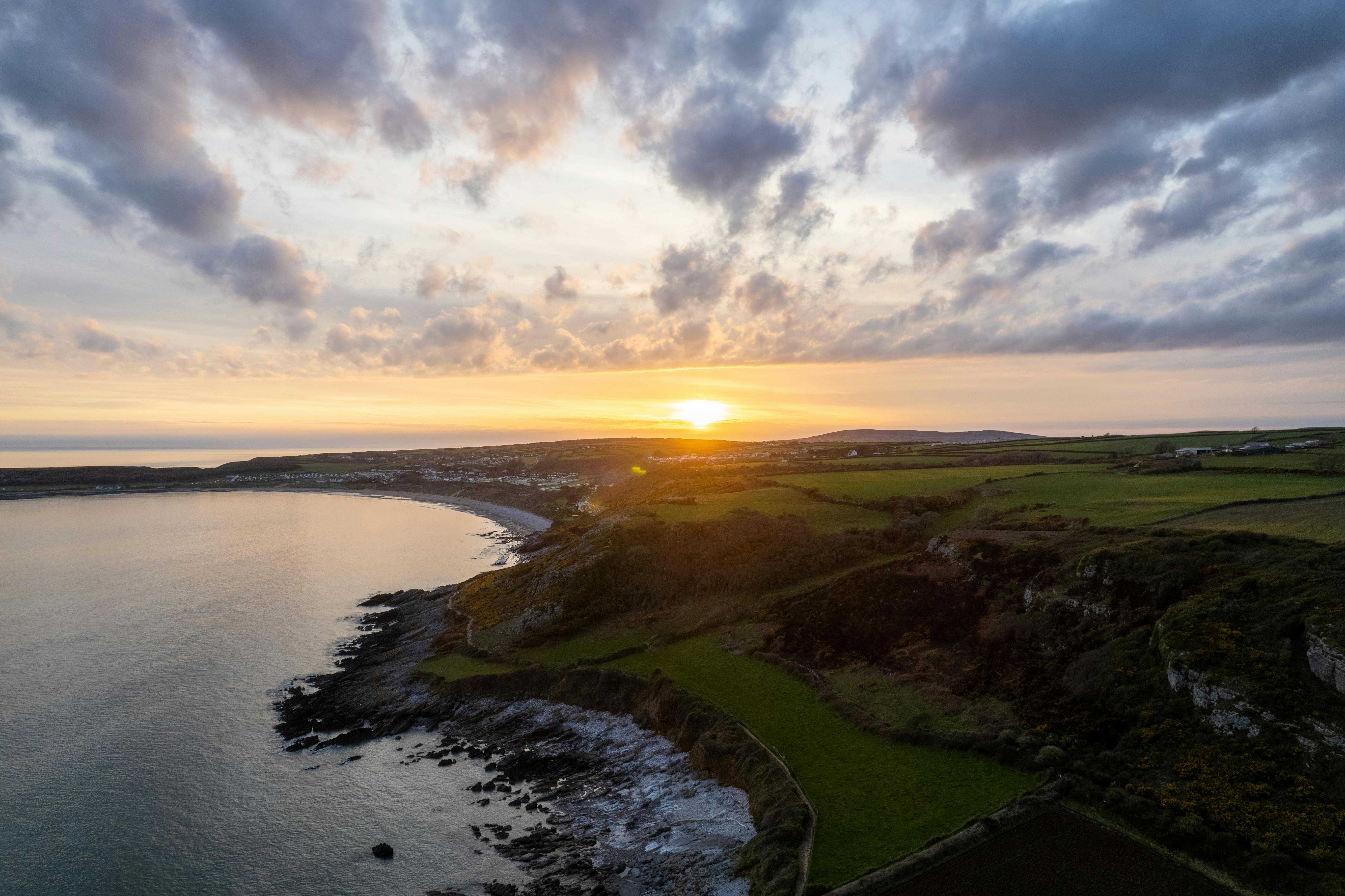
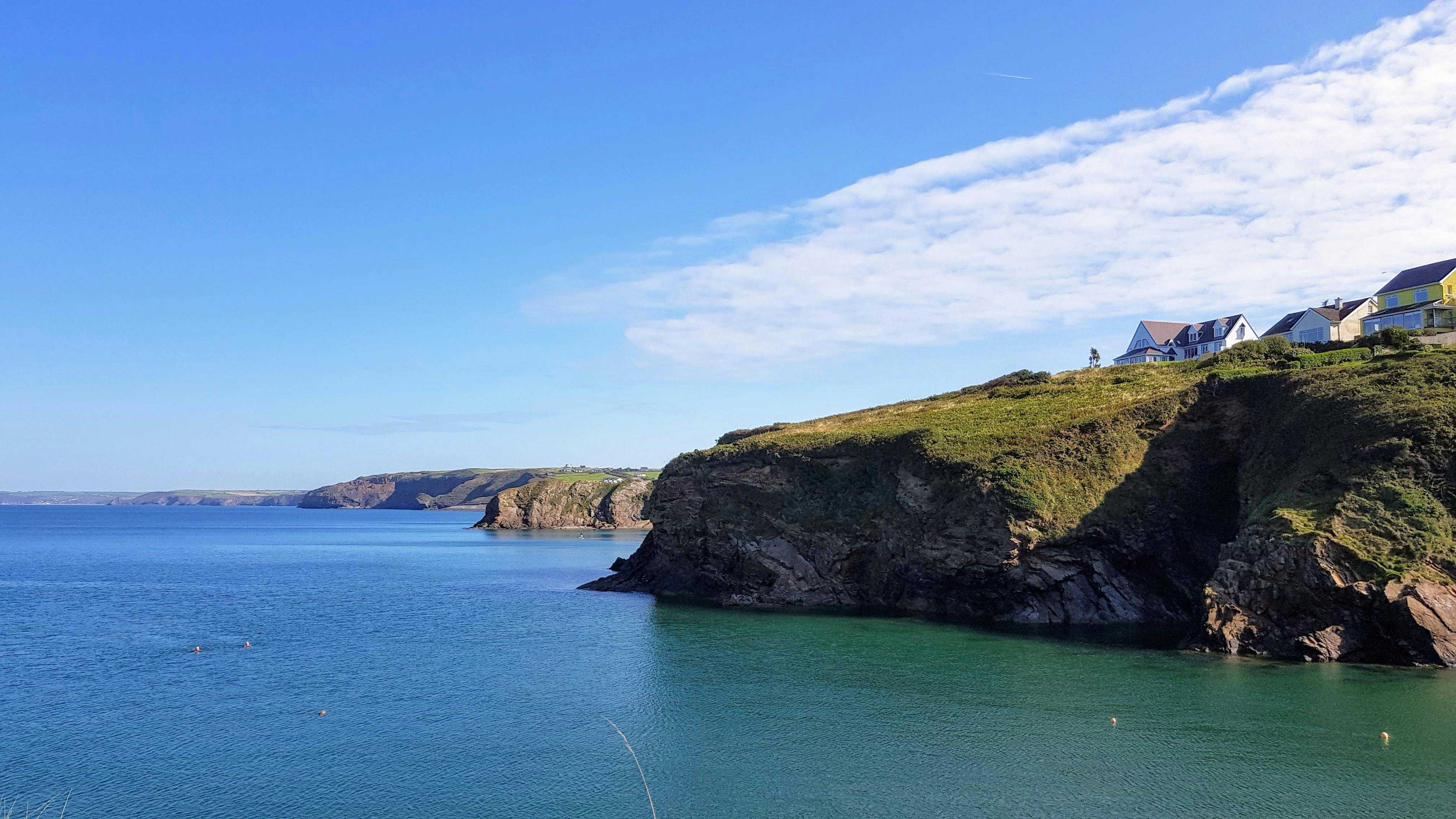
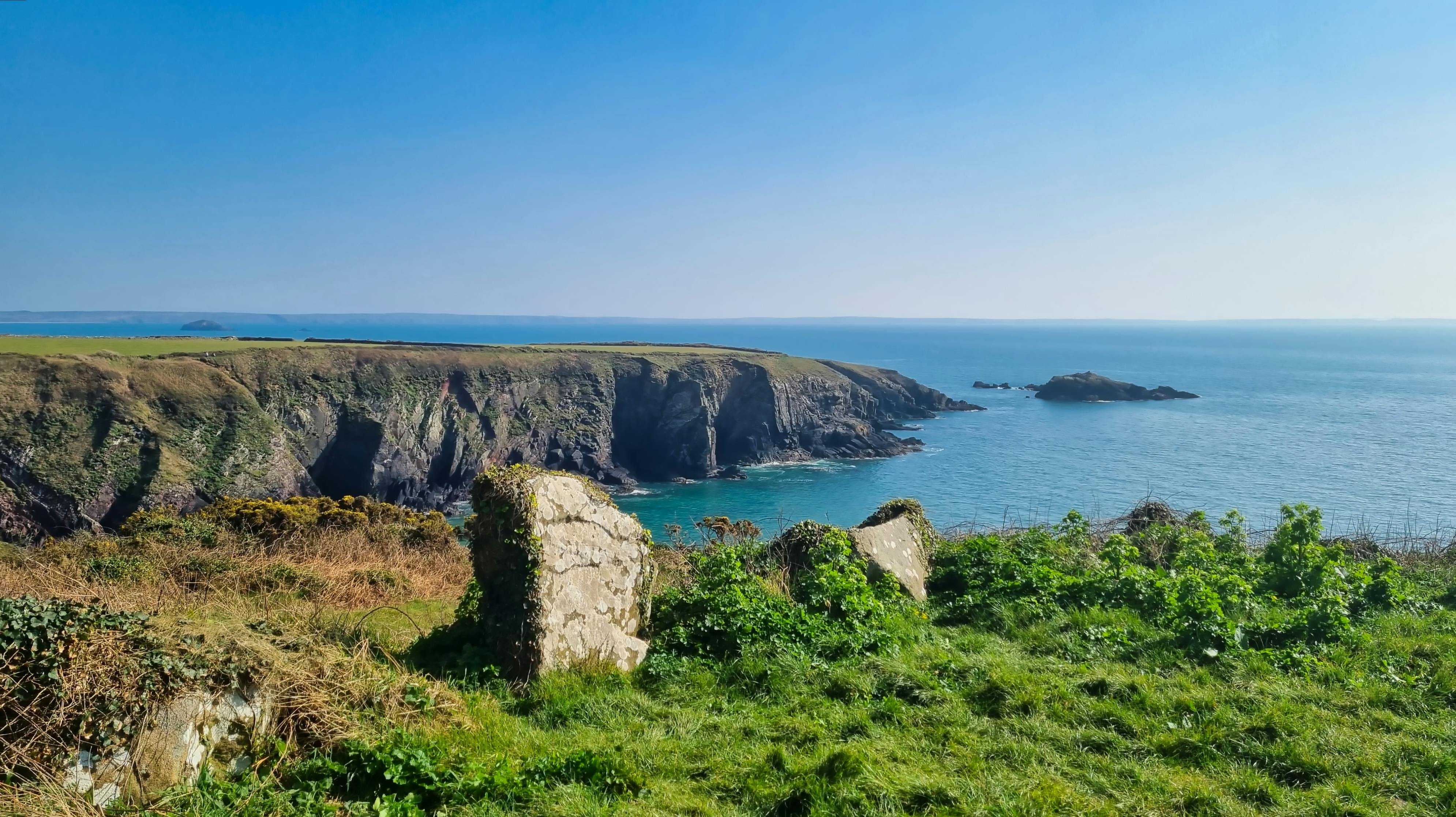
Nestled in the picturesque landscapes of southwestern Wales, Pembrokeshire is a gem waiting to be discovered by travelers seeking a perfect blend of natural beauty, history, and adventure. This stunning county boasts a r…

#coastal#scenic#historic#beaches#outdoor activities
1/21

Top hotels & flights

Hand-picked stays and the best fares into Pembrokeshire.

Top Hotels in Pembrokeshire

Top Flights to Pembrokeshire

Location videos

Real reels from travelers, plus longer watches to get the full picture.

Watch & explore

Practical info

The essentials for planning your time in Pembrokeshire.

Currency
£ | GBP | Pound Sterling
Population
The approximate estimated total population of Pembrokeshire, United Kingdom, is '0.1 million'.
Languages
English, Welsh, English

Local guide

What travelers love, what to watch for, and a deeper read on Pembrokeshire.

What people love

Pembrokeshire, located in southwest Wales, United Kingdom, is a beautiful destination with a lot to offer. Some of the pros of traveling to Pembrokeshire include:

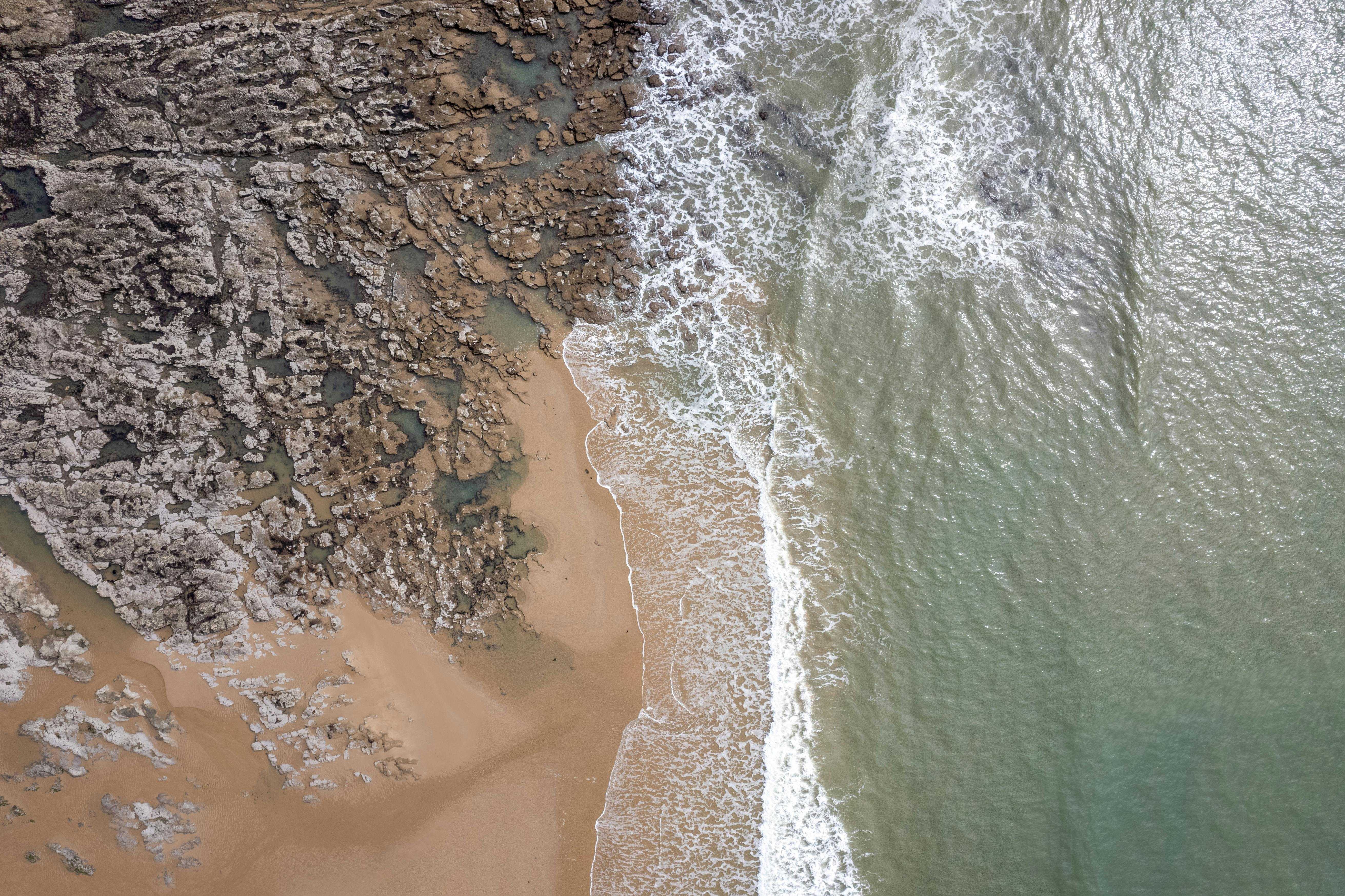
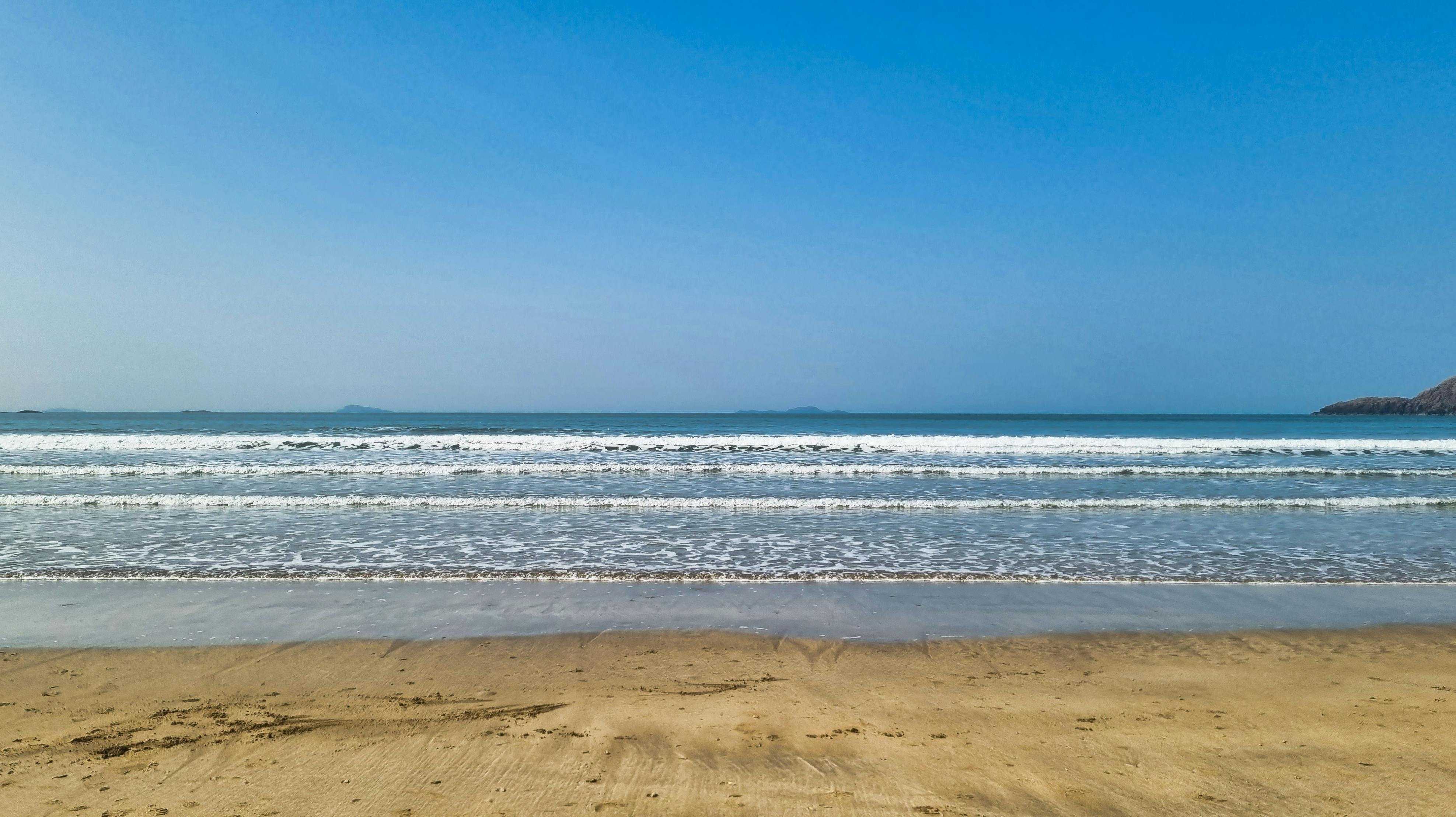
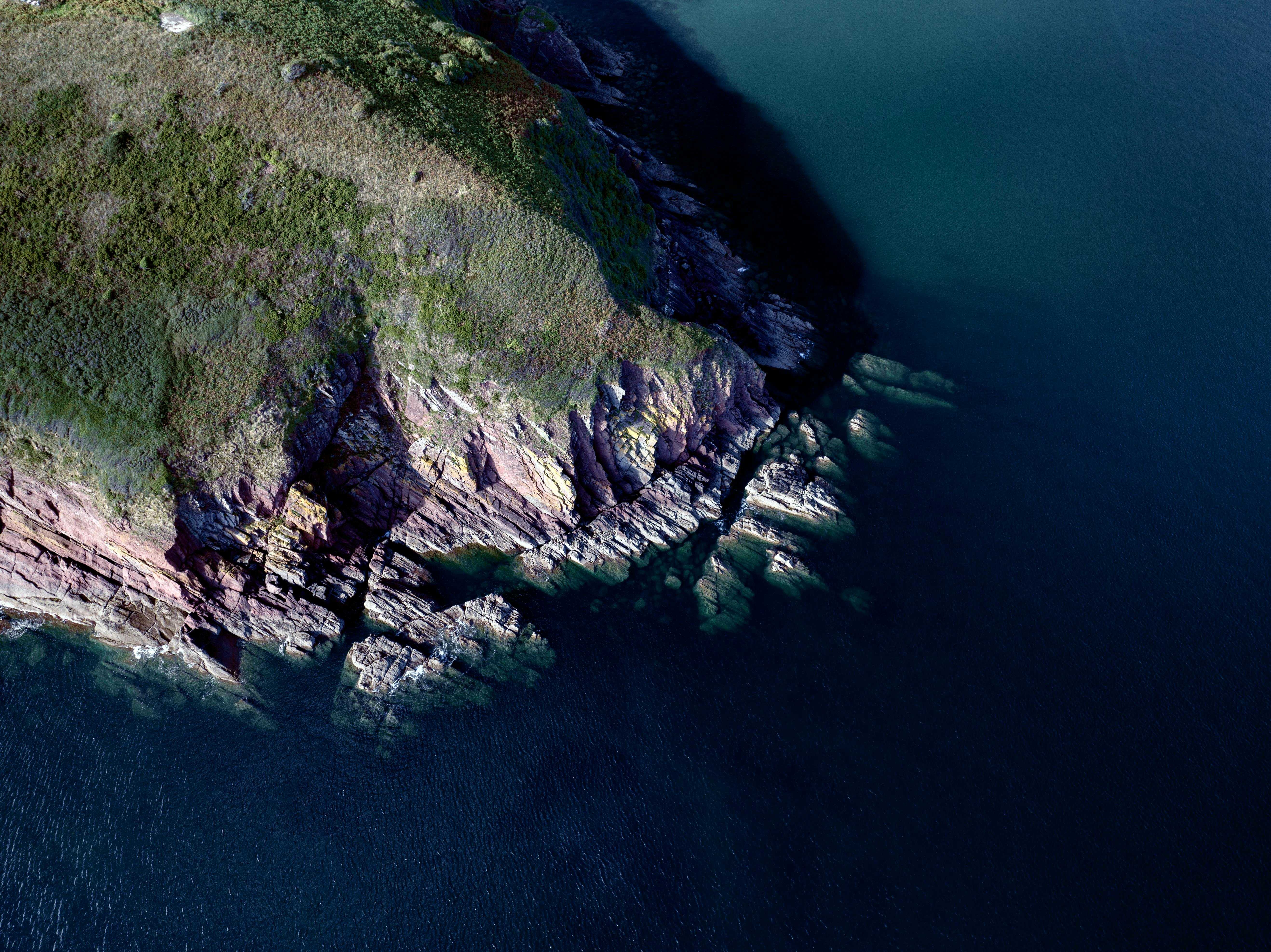
  1. Stunning Coastline: Pembrokeshire is known for its breathtaking coastline, which features rugged cliffs, sandy beaches, and hidden coves. Visitors can enjoy coastal walks, water sports, and stunning views of the sea.

  2. Outdoor Activities: Pembrokeshire is a paradise for outdoor enthusiasts, with opportunities for hiking, cycling, surfing, kayaking, and more. The Pembrokeshire Coast National Park offers a variety of outdoor activities for all skill levels.

  3. Rich History: Pembrokeshire has a rich history that can be explored through its castles, historic sites, and museums. Visitors can learn about the region's Celtic heritage, medieval past, and maritime history.

  4. Wildlife Watching: Pembrokeshire is a great place for wildlife watching, with opportunities to see seals, dolphins, seabirds, and other marine life. Boat trips and wildlife tours are popular activities in the area.

  5. Quaint Villages and Towns: Pembrokeshire is home to charming villages and towns with traditional Welsh architecture, cozy pubs, and local shops. Visitors can explore places like St. Davids, Tenby, and Fishguard to experience the local culture.

  6. Local Cuisine: Pembrokeshire offers delicious local cuisine, including fresh seafood, traditional Welsh dishes, and artisan produce. Visitors can enjoy dining in local restaurants, cafes, and farmers' markets.

Overall, traveling to Pembrokeshire is a great choice for nature lovers, history buffs, and those looking to experience the beauty of coastal Wales.

What to know

Traveling to Pembrokeshire, United Kingdom, specifically the county of Pembrokeshire, can have a few potential cons:

  1. Weather: Pembrokeshire experiences a relatively mild and wet climate, with frequent rainfall throughout the year. This can impact outdoor activities and sightseeing plans, especially if you are not prepared for wet weather.

  2. Remote Locations: Some areas in Pembrokeshire can be quite remote, with limited access to public transportation. This can make it challenging to explore the region without your own vehicle.

  3. Tourist Crowds: During peak tourist seasons, popular attractions in Pembrokeshire such as Tenby and St. Davids can become crowded, leading to longer wait times and potential difficulty finding accommodations.

  4. Limited Dining Options: While Pembrokeshire offers a variety of dining options, some more remote areas may have limited choices, especially for those with specific dietary restrictions.

  5. High Season Prices: Accommodation and activities in Pembrokeshire can be more expensive during the peak tourist season, which may impact your travel budget.

Overall, Pembrokeshire is a beautiful destination with stunning coastal scenery and historic sites, but it's essential to consider these potential cons when planning your trip.

Pembrokeshire is a county in the southwest of Wales, United Kingdom, with a rich history that spans thousands of years. Its strategic coastal location has made it significant throughout various historical periods.

Prehistory and Early History:

  • Pembrokeshire boasts several prehistoric sites, including the Pentre Ifan burial chamber, which dates back to around 3,500 BC. This megalithic structure is one of the best-preserved Neolithic sites in Wales.
  • The region was inhabited by Celtic tribes before the Roman occupation. Evidence of Iron Age settlements can be found, such as the hillforts at Castell Henllys.

Roman and Medieval Periods:

  • During the Roman occupation, Pembrokeshire was part of the Roman province of Britannia, though it was not heavily Romanized. The remains of a Roman fort at Wiston indicate some military presence.
  • After the Roman withdrawal, the area became part of the Kingdom of Dyfed, which later merged with the Kingdom of Deheubarth.
  • The Normans arrived in the area in the late 11th century. They built numerous castles, including Pembroke Castle, which became a significant Norman stronghold. Pembroke Castle is notable for being the birthplace of Henry VII, the first Tudor king of England.

The Tudor Period:

  • Pembrokeshire played a role in the Wars of the Roses. The future Henry VII fled from Pembroke Castle to Brittany as a child, and after his victory at the Battle of Bosworth in 1485, he became king, marking the start of the Tudor dynasty.

17th and 18th Centuries:

  • During the English Civil War, Pembrokeshire saw several battles and skirmishes. Pembroke Castle was besieged by Parliamentary forces in 1648.
  • In the late 18th century, the French attempted an invasion at Fishguard, known as the "Last Invasion of Britain" in 1797. The local militia and townsfolk, including the famous Jemima Nicholas, repelled the invaders.

19th and 20th Centuries:

  • Pembrokeshire developed as an agricultural region, but its coastal towns like Milford Haven became important for shipbuilding and trade.
  • The arrival of the railway in the 19th century boosted tourism and helped the growth of seaside towns like Tenby.

Modern Times:

  • Today, Pembrokeshire is known for its stunning natural environment, including the Pembrokeshire Coast National Park, the only coastal national park in the UK.
  • Important landmarks include St. David’s Cathedral, a site of pilgrimage for centuries, and Carew Castle, showcasing a mix of Norman and Elizabethan architecture.

Pembrokeshire's rich historical tapestry is marked by its castles, cathedrals, and ancient sites, alongside its role in significant historical events and figures like Henry VII. The county's coastal beauty continues to attract visitors from around the world.