
Pays de la Loire
· FR

Pays de la Loire

Pays de la Loire, France

Escape to the Loire Valley: Where Fairytales Meet the Atlantic in Pays de la Loire Nestled in western France, Pays de la Loire is a region where fairytale castles rise from rolling vineyards, historic cities hum with lif…

#Western France#Atlantic Coast#Chateaux#Vineyards#Cycling Routes
1/4

Top hotels & flights

Hand-picked stays and the best fares into Pays de la Loire.

Top Hotels in Pays de la Loire

Top Flights to Pays de la Loire

Location videos

Real reels from travelers, plus longer watches to get the full picture.

Watch & explore

Practical info

The essentials for planning your time in Pays de la Loire.

Currency
€ | EUR | Euro
Population
3.8 million
Languages
French, French

Local guide

What travelers love, what to watch for, and a deeper read on Pays de la Loire.

What people love

The Pays de la Loire region in France offers a variety of attractions and activities that make it a popular destination for travelers. Some of the pros of traveling to Pays de la Loire include:

  1. Châteaux: The region is known for its stunning châteaux, including the famous Château de Chambord and Château de Saumur. Visitors can explore these historic castles and learn about their rich history.

  2. Loire Valley vineyards: Pays de la Loire is part of the renowned Loire Valley wine region, known for its production of white, red, and sparkling wines. Wine enthusiasts can visit vineyards, sample local wines, and learn about the winemaking process.

  3. Beautiful countryside: The region is characterized by picturesque countryside, with rolling hills, vineyards, and charming villages. Travelers can enjoy scenic drives, bike rides, or leisurely walks through the countryside.

  4. Coastal towns: Pays de la Loire is home to several charming coastal towns, such as La Baule, Pornic, and Les Sables-d'Olonne. Visitors can relax on sandy beaches, enjoy fresh seafood, and explore seaside promenades.

  5. Cultural heritage: The region has a rich cultural heritage, with museums, art galleries, and historical sites to explore. Travelers can learn about the history of Pays de la Loire through its architecture, art, and local traditions.

Overall, traveling to Pays de la Loire offers a mix of history, culture, natural beauty, and gastronomy, making it a diverse and appealing destination for visitors.

What to know

Some potential cons of traveling to Pays de la Loire in France may include:

  1. Weather: The weather in Pays de la Loire can be unpredictable, with rainy and overcast days common, particularly in the winter months. This may affect outdoor activities and sightseeing.

  2. Crowds: Popular tourist destinations within Pays de la Loire, such as the châteaux of the Loire Valley, can attract large crowds during peak tourist seasons, leading to long lines and crowded attractions.

  3. Language Barrier: While many people in the tourism industry in Pays de la Loire may speak English, the region is predominantly French-speaking. Travelers who do not speak French may encounter some challenges in communication.

  4. Cost: Like many popular tourist destinations in France, prices in Pays de la Loire can be higher than in other regions. Accommodation, dining, and attractions may be more expensive than in less touristy areas.

  5. Transportation: While Pays de la Loire is well-connected by train and bus services, traveling between some of the smaller towns and attractions may require a car. Public transportation options may be limited in some areas.

Overall, it's important to weigh these potential cons against the many unique attractions, beautiful landscapes, and cultural experiences that Pays de la Loire has to offer.

Pays de la Loire is a region located in the western part of France. It encompasses five departments: Loire-Atlantique, Maine-et-Loire, Mayenne, Sarthe, and Vendée. The region is known for its rich history, cultural heritage, and scenic landscapes.

Historical Overview

  1. Prehistoric and Ancient Times:

    • The region has evidence of prehistoric human settlements, with numerous megalithic sites such as dolmens and menhirs.
    • During the Roman period, the area was part of the province of Gallia Lugdunensis. The Romans established towns and infrastructure, including the city of Nantes, known as Condevincum.
  2. Medieval Period:

    • The region was influenced by the Frankish Empire, and later became part of the Carolingian Empire.
    • The Duchy of Brittany and the County of Anjou were significant medieval powers in the area. Anjou, in particular, was home to the Angevin dynasty, which produced notable figures like King Henry II of England.
    • The Plantagenet dynasty, originating from Anjou, played a crucial role in the politics of England and France.
  3. Renaissance to 18th Century:

    • The region prospered during the Renaissance, with the development of trade and the construction of the Loire Valley châteaux, including Château de Saumur and Château de Brissac.
    • During the French Wars of Religion, the region experienced conflicts between Catholics and Huguenots.
  4. French Revolution and the Vendée Wars:

    • The French Revolution brought significant change and turmoil. The Vendée region was notably royalist and Catholic, leading to the War in the Vendée (1793-1796), a counter-revolutionary uprising against the revolutionary government.
  5. 19th and 20th Centuries:

    • The region industrialized in the 19th century, with Nantes becoming a significant industrial and port city.
    • During World War II, the region was occupied by German forces. The city of Nantes played a key role in the Resistance movement.

Significant Historical Figures

  • Henry II of England: Born in Le Mans, he was a significant medieval figure who ruled over the Angevin Empire.
  • Anne of Brittany: As Duchess of Brittany, her marriages to two French kings helped integrate Brittany into the French Kingdom.
  • Joan of Arc: While not from the region, her campaigns significantly impacted the neighboring areas during the Hundred Years' War.

Important Landmarks

  • Château des Ducs de Bretagne: Located in Nantes, this castle was the residence of the Dukes of Brittany.
  • Nantes Cathedral: A Gothic cathedral in Nantes, known for its impressive architecture.
  • Château de Saumur: A historic castle in the town of Saumur, overlooking the Loire River.
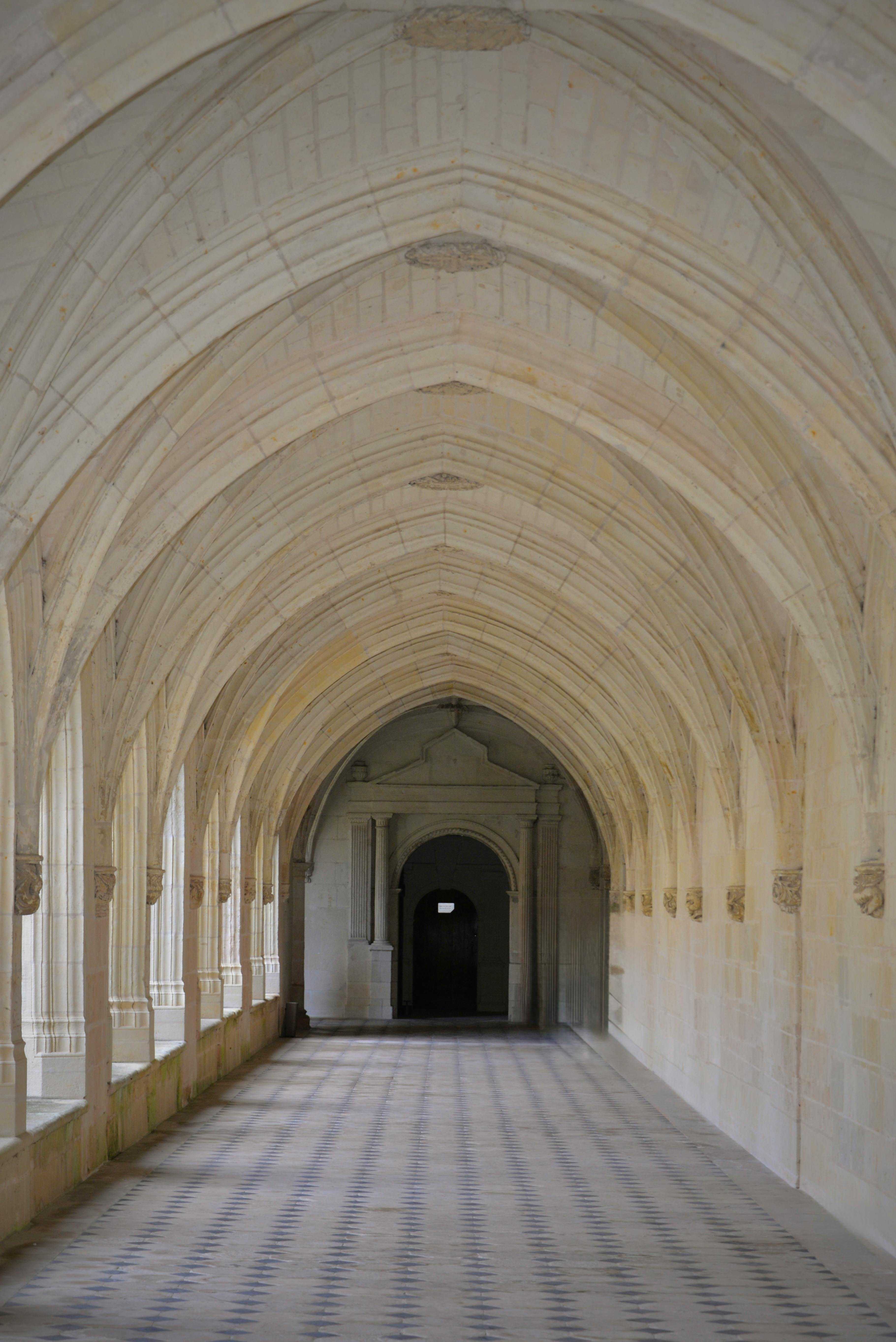
  • Abbaye de Fontevraud: One of the largest monastic complexes in Europe, located near Saumur.
  • Le Mans Cathedral: A stunning example of Gothic architecture in the city of Le Mans.

Cultural Heritage

  • Loire Valley: Known as the "Garden of France", it is famous for its vineyards, orchards, and historic villages.
  • Les Machines de l'île: An artistic project in Nantes that blends technology and fantasy, known for its massive mechanical animals.

Pays de la Loire is a region that offers a window into France's diverse history and cultural evolution, marked by its medieval heritage, involvement in historical conflicts, and contributions to arts and architecture.