

Overijssel
State · Netherlands

Overijssel

Overijssel, Netherlands

Discover Overijssel: Where History Meets Nature in the Heart of Holland Escape the ordinary and uncover the hidden gem of the Netherlands…

#Netherlands#Overijssel#Europe#Historic#Scenic

Explore Overijssel

Top cities in Overijssel

Pick a city to open its guide.

See it for yourself

Location videos

Reels and longer watches.

Watch & explore

Good to know

Practical info

Weather, costs and getting around.

Overijssel, Netherlands Open in Google Maps
Currency
€ | EUR | Euro
Population
1.2 million
Languages
Dutch mainly · Low Saxon
Also known as
Oaveriessel

Know before you go

Local guide

A deeper read on Overijssel.

What people love

Overijssel, located in the Netherlands, has several pros for travelers:

  1. Rich history and culture: Overijssel is home to historic cities such as Zwolle, Deventer, and Kampen, which boast well-preserved medieval architecture, charming streets, and cultural attractions. Visitors can explore museums, galleries, and historical sites to learn about the region's heritage.

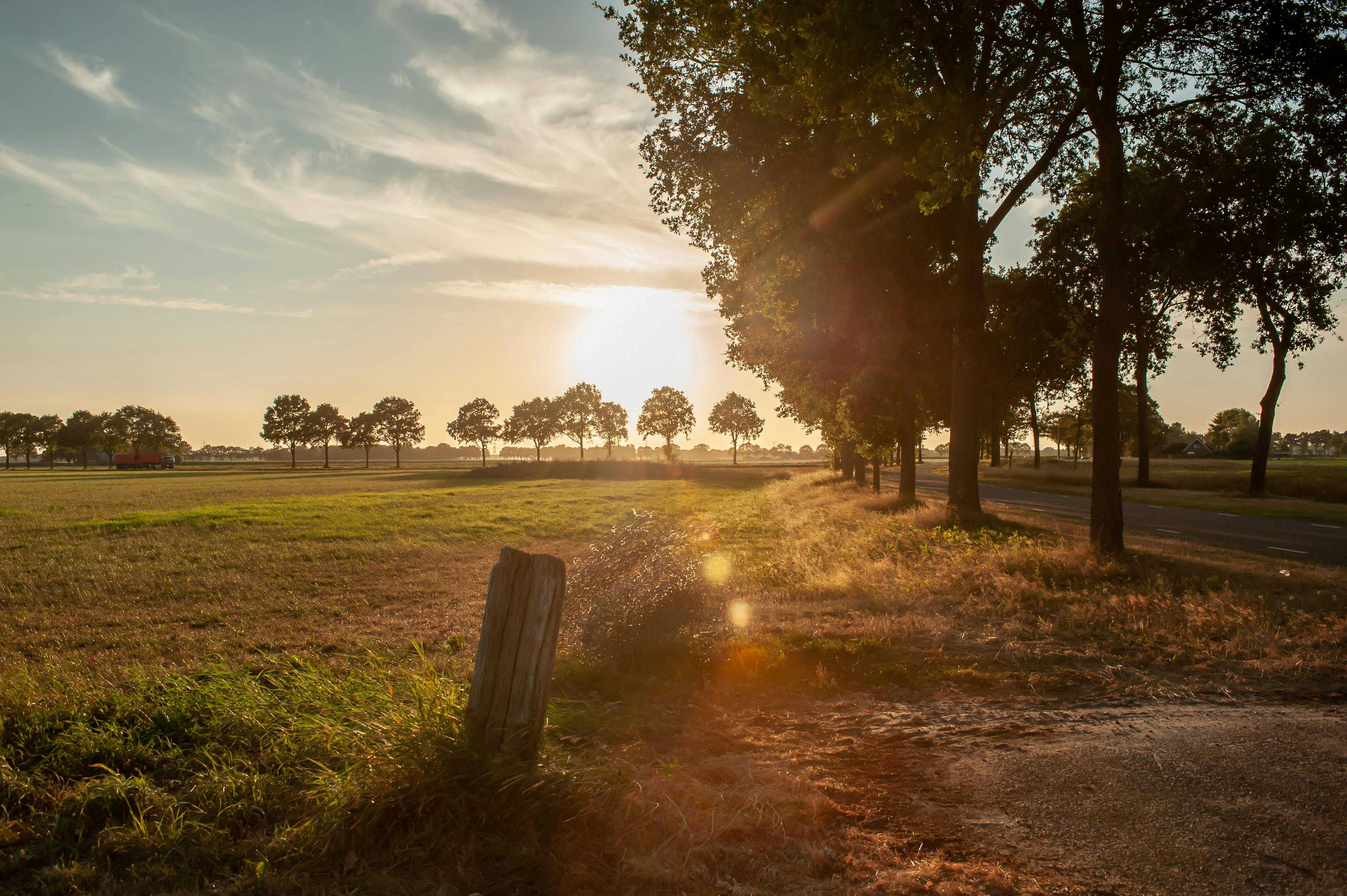
  2. Natural beauty: Overijssel offers picturesque landscapes with lush greenery, rivers, and lakes. The region is perfect for outdoor activities such as cycling, hiking, and boating. The Weerribben-Wieden National Park, one of the largest wetland areas in Northwestern Europe, is a popular destination for nature lovers.

  3. Charming towns and villages: Overijssel is dotted with quaint towns and villages that exude a peaceful and authentic Dutch atmosphere. Visitors can stroll through cobbled streets, visit local markets, and admire traditional Dutch architecture.

  4. Culinary delights: Overijssel is known for its delicious regional cuisine, including local specialties such as smoked eel, poffertjes (mini pancakes), and stamppot (mashed potato dish). Visitors can enjoy dining at cozy restaurants and trying out traditional dishes.

  5. Accessibility: Overijssel is well-connected by public transportation, making it easy for travelers to explore the region. The cities and towns are also bike-friendly, with well-maintained cycling paths and routes for visitors to discover the area at their own pace.

Overall, traveling to Overijssel offers a blend of history, culture, natural beauty, and culinary experiences, making it a delightful destination for visitors looking to immerse themselves in Dutch charm.

What to know

Some potential cons of traveling to Overijssel, Netherlands, include:

  1. Limited public transportation options: While Overijssel has good public transportation within its cities, getting around rural areas may be more challenging as the public transportation network is less developed compared to larger cities like Amsterdam or Rotterdam.

  2. Weather conditions: The weather in Overijssel can be unpredictable, with rainy and windy conditions common, especially during the fall and winter months. Travelers should be prepared for varying weather conditions and pack accordingly.

  3. Limited nightlife options: Overijssel is known for its picturesque countryside and historical towns, but it may not offer as much in terms of vibrant nightlife compared to larger cities in the Netherlands.

  4. Language barriers: While many people in the Netherlands speak English, in more rural areas like Overijssel, you may encounter fewer English speakers. It can be helpful to learn some basic Dutch phrases or use a translation app to navigate communication challenges.

  5. Limited tourist infrastructure: Overijssel is not as heavily touristed as other regions in the Netherlands, so you may find fewer tourist amenities such as English-speaking staff, signage, or guided tours. However, this can also be an opportunity to experience a more authentic and less touristy side of the country.

Overall, while Overijssel offers beautiful landscapes and charming towns, travelers should be prepared for potential challenges such as limited public transportation, variable weather, and language barriers.

Overijssel is a province located in the eastern part of the Netherlands. Its history is rich and varied, marked by periods of prosperity, conflict, and cultural development.

Early History

The region that is now Overijssel has been inhabited since prehistoric times, with evidence of settlements dating back to the Stone Age. During the Roman era, it was inhabited by various Germanic tribes. The area was largely rural and undeveloped compared to the more Romanized parts of the Netherlands.

Medieval Period

In the early Middle Ages, Overijssel was part of the Frankish Empire. By the 11th century, the area came under the control of the Prince-Bishopric of Utrecht. This ecclesiastical state played a significant role in the administration and development of the region.

During the 13th and 14th centuries, Overijssel was part of the Hanseatic League, a powerful economic and defensive alliance of merchant guilds and market towns in northwestern and central Europe. Cities like Zwolle, Deventer, and Kampen became significant trading hubs during this time.

The Habsburg and Spanish Rule

In the late 15th century, Overijssel, along with the rest of the Netherlands, came under the control of the Habsburgs. Charles V, Holy Roman Emperor, ruled over the region until his abdication in 1556, after which it came under Spanish rule. The imposition of Catholicism and high taxes led to unrest.

The Eighty Years' War and the Dutch Republic

The Eighty Years' War (1568–1648) was a pivotal conflict in Dutch history, as the northern provinces, including Overijssel, fought for independence from Spanish rule. The Union of Utrecht in 1579 marked a formal alliance of several provinces, including Overijssel, against Spain. By 1648, with the Treaty of Westphalia, the independence of the Dutch Republic was recognized, and Overijssel became one of its provinces.

The Modern Era

In the centuries following independence, Overijssel remained largely agrarian, with some industrial development in the 19th and 20th centuries. The Industrial Revolution brought about significant changes, with textile and metal industries growing in cities like Enschede and Hengelo.

World War II

During World War II, Overijssel was occupied by Nazi Germany. The province was liberated in April 1945 by Canadian forces. The war left a significant mark on the region, with several memorials commemorating the events and those who lost their lives.

Recent History

In the post-war period, Overijssel developed rapidly, with improvements in infrastructure and economic growth. The province has maintained its agricultural roots while also fostering a diverse economy that includes high-tech industries and tourism.

Significant Historical Figures

  • Jan van Arkel: A medieval cleric who served as bishop of Utrecht and played a role in the administration of Overijssel.
  • Evert van Benthem: A famous Dutch speed skater from Overijssel, known for winning the Elfstedentocht twice.

Important Landmarks

  • Sassenpoort: A medieval city gate in Zwolle, an iconic symbol of the city's history.
  • Deventer: Known for its historic city center and annual book market, Deventer is one of the oldest cities in the Netherlands.
  • Kampen: A city with a rich Hanseatic history, notable for its well-preserved medieval architecture.
  • Giethoorn: Often referred to as the "Dutch Venice," Giethoorn is a picturesque village with canals instead of streets.

Overijssel today is known for its scenic landscapes, vibrant cities, and a blend of historical and modern influences. The province continues to be an important part of the cultural and economic fabric of the Netherlands.