
Oklahoma
· US

Oklahoma

Oklahoma, United States

Oklahoma: More Than Just OK Forget the stereotypes, Oklahoma is a state brimming with unexpected adventure, vibrant culture, and a spirit of genuine hospitality. From rolling plains to ancient mountains, bustling cities …

#Midwest#Tornado Alley#Great Plains#Native American culture#Oil industry
1/6

Top hotels & flights

Hand-picked stays and the best fares into Oklahoma.

Top Hotels in Oklahoma

Top Flights to Oklahoma

Popular activities

Tours, tickets and experiences travelers book most in Oklahoma.

Tours

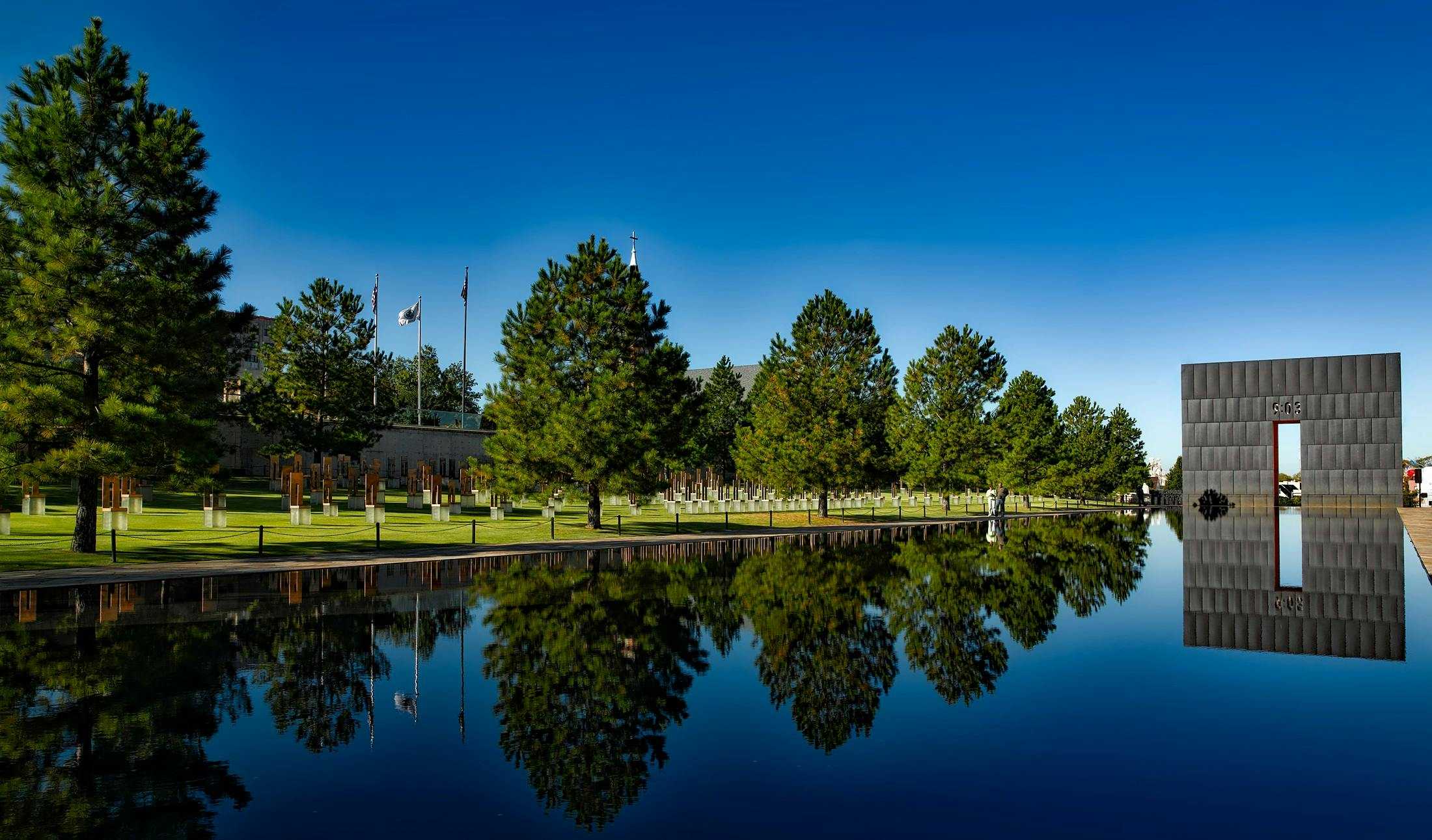
Oklahoma City National Memorial

A memorial honoring the victims, survivors, rescuers, and all who were affected by the Oklahoma City bombing.

National Cowboy & Western Heritage Museum

Dedicated to preserving and interpreting the evolving history and cultures of the American West.

Shopping

Bricktown Entertainment District

A lively entertainment district with restaurants, shops, and attractions.

Paseo Arts District

A vibrant art district with galleries, food, and shopping.

Penn Square Mall

A popular shopping destination featuring renowned retailers and dining options.

Outdoor

Myriad Botanical Gardens

A 17-acre botanical garden and interactive urban park located in downtown Oklahoma City.

Oklahoma City Zoo and Botanical Garden

A renowned zoo and botanical garden offering animal exhibits and beautiful landscapes.

Spokies Bike Share

An urban bike share program that offers a unique way to explore downtown Oklahoma City.

Oklahoma River Cruises

Enjoy sightseeing along the Oklahoma River with various cruise options available year-round.

Lake Hefner Park

A scenic park offering outdoor recreational activities.

Location videos

Real reels from travelers, plus longer watches to get the full picture.

From travelers

Practical info

The essentials for planning your time in Oklahoma.

Currency
$ | USD | US Dollar
Population
As of the most recent estimates, the approximate total population of Oklahoma is 4 million.
Languages
English, English

Local guide

What travelers love, what to watch for, and a deeper read on Oklahoma.

What people love

Oklahoma, located in the United States, has several pros for travelers to consider:

  1. Diverse landscapes: Oklahoma offers a range of landscapes, including rolling prairies, lush forests, and scenic lakes. This diversity provides plenty of opportunities for outdoor activities such as hiking, fishing, and wildlife viewing.

  2. Rich Native American history: Oklahoma is home to many Native American tribes, and visitors can explore their rich history and culture through museums, historic sites, and festivals.

  3. Affordable travel destination: Compared to many other popular travel destinations in the United States, Oklahoma tends to be more budget-friendly, with lower costs for accommodations, dining, and attractions.

  4. Friendly locals: Visitors to Oklahoma often remark on the friendliness and hospitality of the locals, making it a welcoming destination for travelers.

  5. Unique attractions: Oklahoma is home to unique attractions such as the Oklahoma City National Memorial, the National Cowboy & Western Heritage Museum, and the Route 66 Museum, offering visitors a chance to explore the state's history and culture.

Overall, Oklahoma offers travelers a chance to experience a mix of outdoor adventures, cultural experiences, and historical landmarks in a budget-friendly and welcoming environment.

What to know

Some potential cons of traveling to Oklahoma could include:

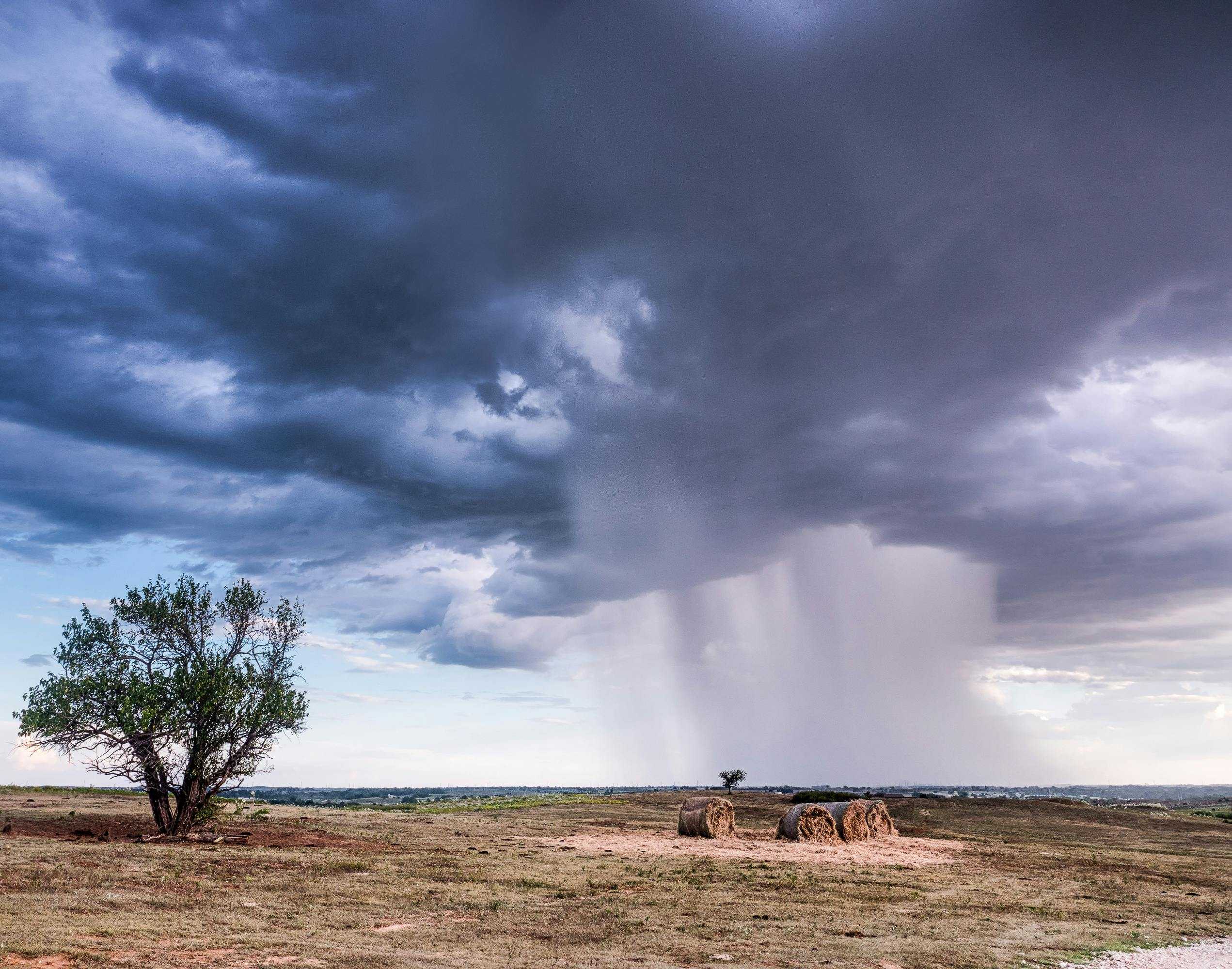
  1. Weather: Oklahoma experiences a wide range of weather conditions, including hot summers, cold winters, and frequent severe weather such as tornadoes and thunderstorms.
  2. Limited public transportation: Oklahoma is primarily a drive-through state, with limited public transportation options available for travelers within the state.
  3. Limited tourist attractions: While Oklahoma has some interesting tourist attractions such as the Oklahoma City National Memorial and Museum, it may not offer as many tourist destinations compared to other states.
  4. Rural areas: Oklahoma is known for its vast rural areas, which may not appeal to travelers looking for urban or bustling city experiences.
  5. Limited cultural diversity: Oklahoma has a predominantly Caucasian population, which may not offer as much cultural diversity compared to other destinations.
  6. Limited access to certain amenities: in some rural areas, access to amenities such as shopping centers, restaurants, and entertainment venues may be limited.

Please note that these are general cons and may not apply to every traveler's experience. It's always a good idea to research and plan your trip according to your preferences and priorities.

Oklahoma, located in the south-central United States, has a rich and varied history shaped by diverse cultures, complex interactions, and significant events.

Pre-Colonial and Early History

  • Native American Tribes: The region was originally inhabited by various Native American tribes, including the Wichita, Caddo, Osage, and Quapaw. These tribes were part of a complex network of indigenous cultures with rich traditions and histories.

19th Century

  • Indian Removal Act (1830s): The U.S. government forcibly relocated numerous tribes from their ancestral homelands in the southeastern United States to Indian Territory (present-day Oklahoma) under the Indian Removal Act. This included the infamous Trail of Tears, where the Cherokee, Creek, Choctaw, Chickasaw, and Seminole tribes were relocated, suffering great hardship and loss of life.

  • Civil War (1861-1865): During the Civil War, Indian Territory was divided, with some tribes siding with the Union and others with the Confederacy. This created internal conflicts and further disruption for the Native American communities.

Late 19th Century

  • Land Runs (1889-1895): The opening of the Unassigned Lands in 1889 led to the famous Oklahoma Land Run, where thousands of settlers rushed to claim land. Subsequent land runs in the 1890s further populated the region with non-Native settlers.

  • Statehood (1907): Oklahoma became the 46th state of the United States on November 16, 1907. The merging of Oklahoma Territory and Indian Territory into the single state of Oklahoma was a significant event that shaped its political and cultural landscape.

20th Century

  • Tulsa Race Massacre (1921): One of the darkest chapters in Oklahoma's history, the Tulsa Race Massacre occurred in the affluent African American neighborhood of Greenwood in Tulsa. Over two days, mobs of white residents attacked Black residents, destroying homes and businesses, and resulting in significant loss of life and property.

  • Dust Bowl (1930s): Oklahoma was severely affected by the Dust Bowl, a period of severe dust storms and drought that devastated the agricultural economy and led to mass migrations out of the state.

  • Economic and Cultural Growth: Throughout the mid-20th century, Oklahoma developed its oil and gas industries, becoming a significant energy producer. Its cultural contributions include the emergence of country music and the arts, with figures like Woody Guthrie and the development of the "Red Dirt" music scene.

Significant Historical Figures

  • Will Rogers: A humorist, actor, and social commentator who became one of the most beloved figures in American culture.
  • Jim Thorpe: An athlete of Native American descent who excelled in various sports and is considered one of the greatest athletes of the 20th century.

Important Landmarks

  • Oklahoma State Capitol: Located in Oklahoma City, the state capitol is a significant political and historical site.
  • National Cowboy & Western Heritage Museum: Also in Oklahoma City, this museum showcases the history and culture of the American West.
  • Philbrook Museum of Art: Located in Tulsa, it is one of the premier art museums in the region, situated in a former villa with extensive gardens.
  • Route 66: The historic Route 66 runs through Oklahoma, offering a glimpse into the history of American road travel and culture.

Modern Developments

In recent years, Oklahoma has continued to diversify its economy beyond oil and gas, focusing on industries such as aerospace, biotechnology, and renewable energy. The state also emphasizes education and cultural preservation, honoring its Native American heritage and fostering a vibrant arts scene.

This history of Oklahoma highlights its dynamic and often challenging journey from a Native American homeland to a state with a unique cultural blend and significant contributions to the broader American narrative.