
Occitanie
· FR

Occitanie

Occitanie, France

Occitanie: Where History Meets Mediterranean Charm Sun-drenched beaches, medieval citadels perched on craggy hills, vibrant cities buzzing with life, and ancient Roman ruins whispering tales of the past – Occitanie is a …

#Southern France#Historic towns#Mediterranean coast#Wine regions#Pyrenees mountains
1/16

Top hotels & flights

Hand-picked stays and the best fares into Occitanie.

Top Hotels in Occitanie

Top Flights to Occitanie

Popular activities

Tours, tickets and experiences travelers book most in Occitanie.

Tours

Explore the Historic City of Carcassonne

Visit the medieval citadel of Carcassonne, known for its massive walls and watchtowers.

Shopping

Shopping in Montpellier

Discover local boutiques and cafes in the vibrant city of Montpellier.

Outdoor

Hiking in the Pyrenees

Enjoy breathtaking views and fresh mountain air while hiking in the Pyrenees.

Canoeing on the Tarn River

Experience the thrill of canoeing on the picturesque Tarn River.

Location videos

Real reels from travelers, plus longer watches to get the full picture.

From travelers
Watch & explore

Practical info

The essentials for planning your time in Occitanie.

Currency
€ | EUR | Euro
Population
6 million
Languages
Occitan, French, Catalan, Spanish

Local guide

What travelers love, what to watch for, and a deeper read on Occitanie.

What people love

Occitanie is a region in southern France known for its diverse landscapes, rich history, and unique culture. Here are some pros of traveling to Occitanie:

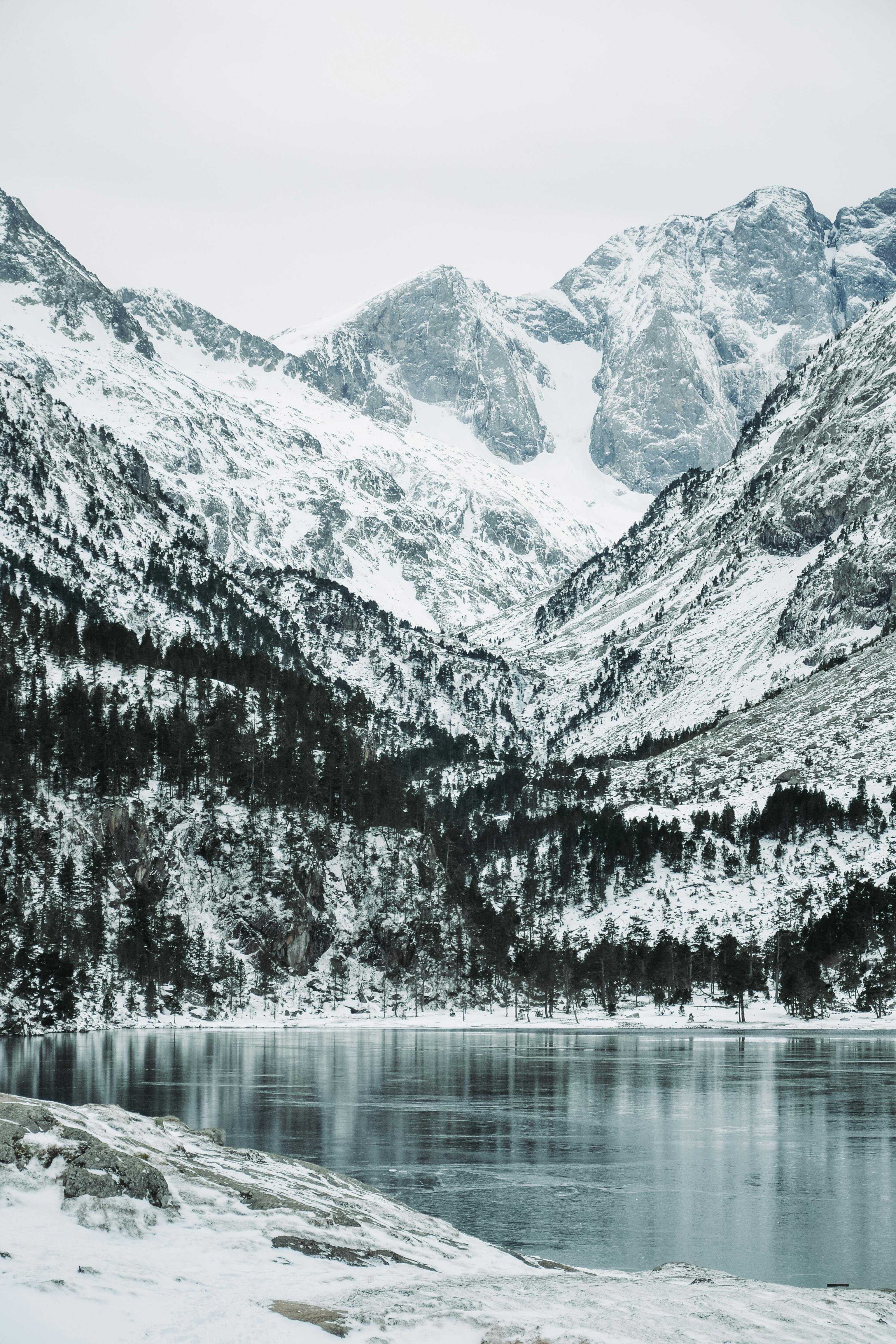
  1. Scenic Beauty: Occitanie offers a variety of landscapes, including mountains, coastlines, vineyards, and countryside. The region is home to the stunning Pyrenees mountains, picturesque villages, and beautiful beaches along the Mediterranean Sea.

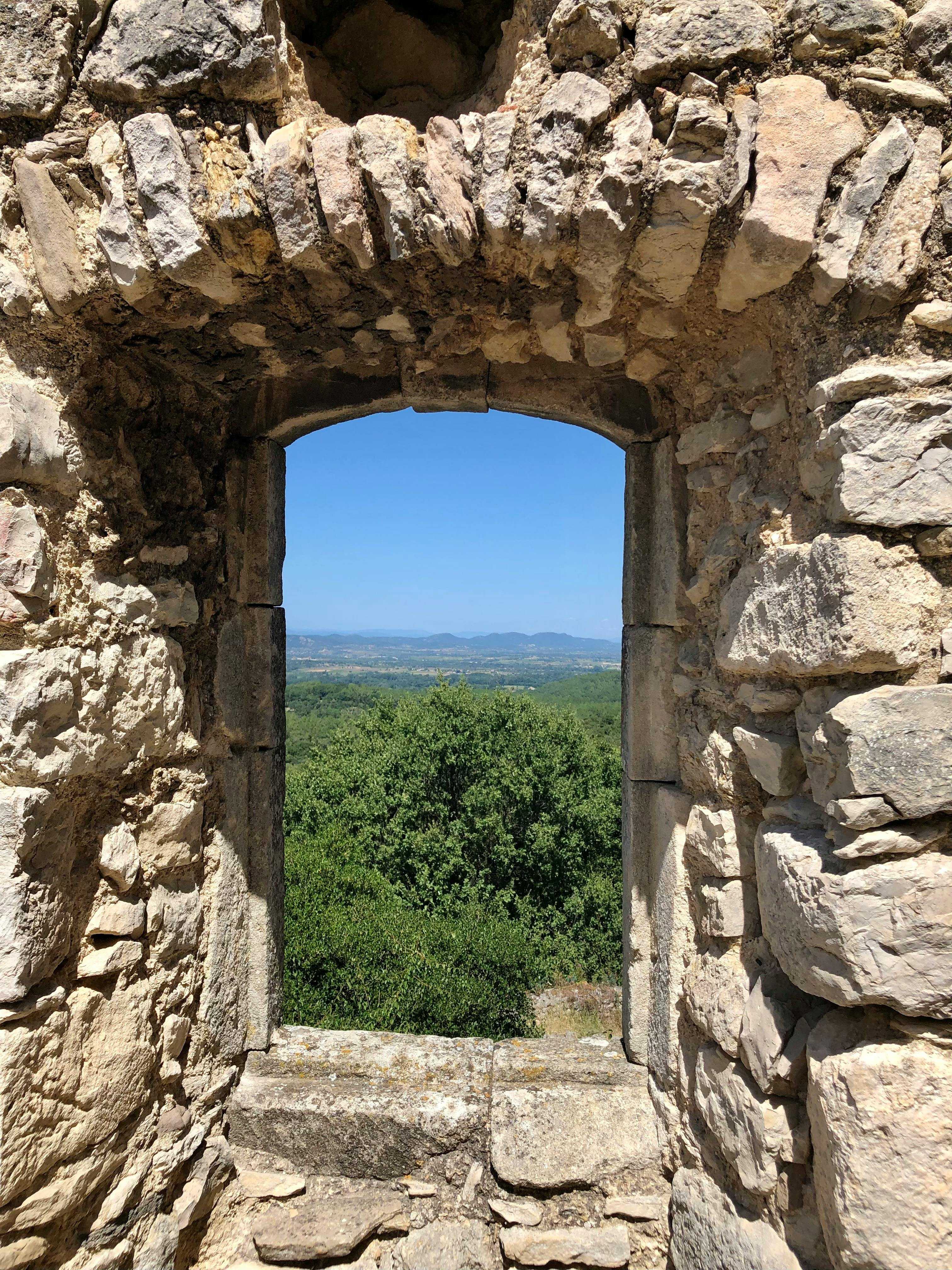
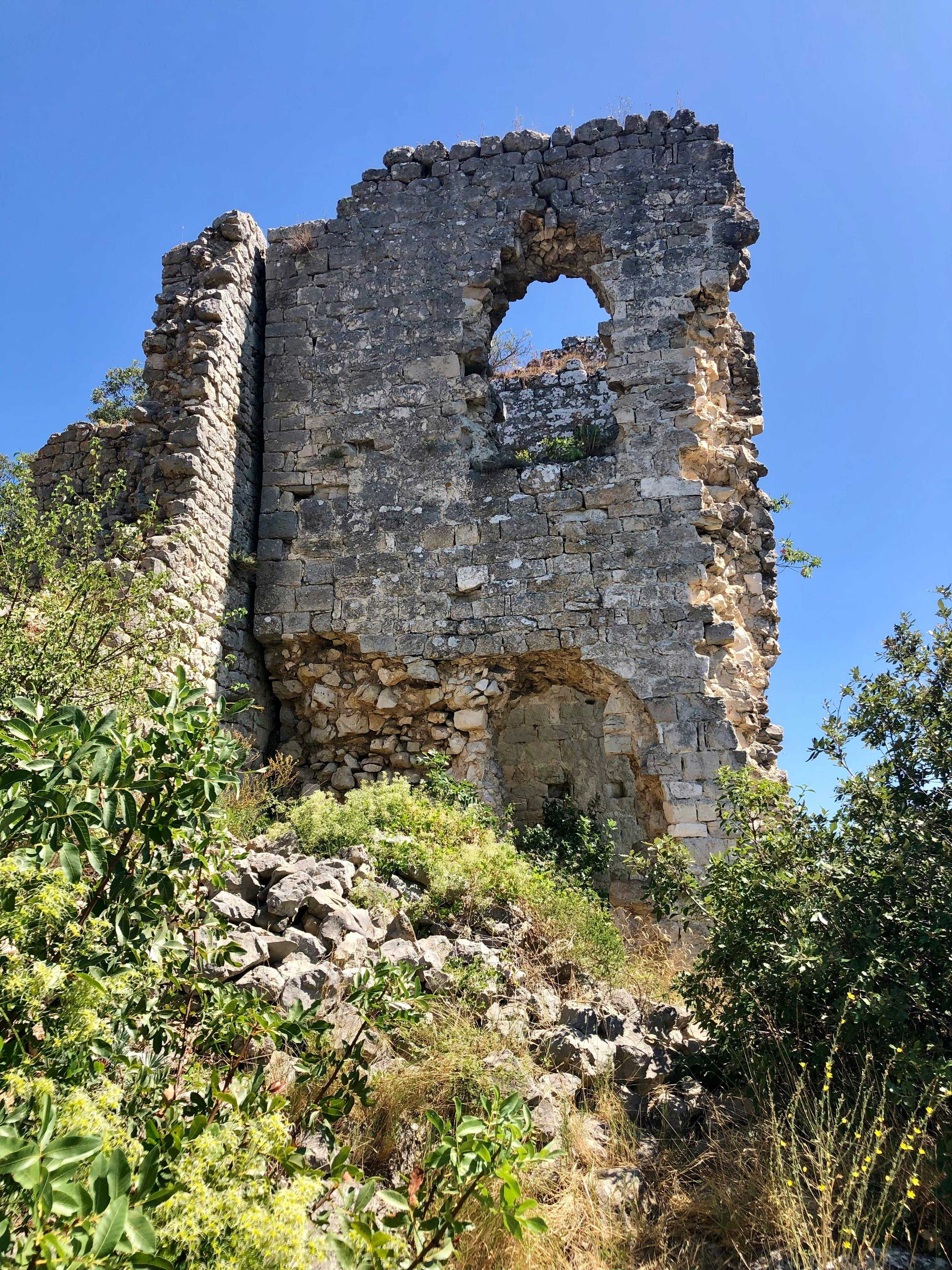
  2. Rich History: Occitanie has a long and fascinating history, with many historic sites to explore. Visitors can discover ancient Roman ruins, medieval castles, and charming towns with well-preserved architecture.

  3. Culinary Delights: The region is renowned for its delicious food and wine. Occitanie is a paradise for food lovers, with a wide range of traditional dishes, fresh seafood, cheeses, and wines to savor.

  4. Cultural Heritage: Occitanie has a vibrant cultural scene, with festivals, art galleries, museums, and music events throughout the year. The region is also known for its traditional folk music, dance, and local traditions.

  5. Outdoor Activities: Nature lovers will find plenty to do in Occitanie, including hiking, cycling, water sports, and birdwatching. The region's natural parks and reserves offer opportunities for outdoor adventures and eco-tourism.

  6. Wine Tourism: Occitanie is one of France's major wine-producing regions, with famous wine appellations such as Languedoc, Roussillon, and Cahors. Visitors can enjoy wine tastings, vineyard tours, and learn about the region's winemaking traditions.

Overall, traveling to Occitanie offers a wonderful mix of natural beauty, cultural experiences, gastronomic delights, and outdoor activities, making it a great destination for a memorable vacation.

What to know

Some potential cons of traveling to Occitanie, France could include:

  1. Language Barrier: Occitanie is a region where the Occitan language was historically spoken, in addition to French. While most people in the region now speak French, you may encounter some locals who primarily speak Occitan or have strong accents that could be difficult to understand if you do not speak French fluently.

  2. Crowds: Popular tourist destinations in Occitanie, such as Carcassonne or Toulouse, can get crowded during peak travel seasons. This may result in longer wait times at attractions, difficulty finding accommodations, and an overall less peaceful travel experience.

  3. Weather: Occitanie experiences hot summers and mild winters. If you are not a fan of high temperatures, traveling to Occitanie in the summer months might not be ideal for you.

  4. Transportation: While Occitanie has a relatively good transportation infrastructure, some rural areas may be more challenging to access without a car. Public transportation options may be limited in certain areas, making it harder to explore the region fully.

  5. Tourist Traps: Like any popular tourist destination, Occitanie may have some tourist traps where prices are inflated and the experience may not be as authentic as you would hope. It's always good to research and plan your itinerary carefully to avoid falling into these traps.

Please note that these are general cons that travelers might encounter in Occitanie, and individual experiences can vary. It's always a good idea to research specific areas you plan to visit and be prepared for any challenges you may face during your trip.

Occitanie is a region in southern France that was established in 2016 as part of a territorial reform that merged the former regions of Languedoc-Roussillon and Midi-Pyrénées. The region has a rich history that spans several centuries, characterized by a diverse cultural legacy and significant historical events.

Historical Background

  1. Pre-Roman and Roman Era:

    • The area that is now Occitanie was inhabited by Celtic tribes known as the Volcae and the Tectosages.
    • It became part of the Roman province of Gallia Narbonensis, with cities like Nîmes (Nemausus) and Toulouse (Tolosa) becoming significant urban centers.
  2. Medieval Period:

    • The region was a center of the Occitan culture and the Occitan language, which is a Romance language closely related to Catalan.
    • During the Middle Ages, Occitanie was part of the County of Toulouse, a powerful feudal domain.
    • The Albigensian Crusade (1209–1229) had a significant impact on the region. It was a military campaign initiated by the Catholic Church to eliminate the Cathar heresy, centered in the area.
    • The Treaty of Meaux-Paris in 1229 ended the war and led to the annexation of the County of Toulouse into the Kingdom of France.
  3. Renaissance to 18th Century:

    • The Renaissance period saw Occitanie flourish in terms of architecture and culture, with structures like the Pont du Gard and the Château de Saint-Ferriol being built.
    • The region played roles in the Wars of Religion in France during the 16th century, as Protestantism had some following in the area.
  4. 19th and 20th Centuries:

    • Occitanie, particularly the city of Toulouse, became industrialized in the late 19th and early 20th centuries.
    • The region was affected by both World Wars, with significant resistance activities during the German occupation in World War II.

Historical Figures

  • Simon de Montfort: A leader of the Albigensian Crusade who played a crucial role in the war against the Cathars.
  • Raymond IV of Toulouse: Count of Toulouse and a notable player in the First Crusade.
  • Jean Jaurès: A prominent socialist leader from the Tarn department who advocated for social justice and peace in the early 20th century.

Landmarks

  1. Pont du Gard: An ancient Roman aqueduct bridge located near Nîmes, considered an engineering marvel of its time.
  2. Carcassonne: A fortified city known for its medieval fortress, which is now a UNESCO World Heritage site.
  3. Canal du Midi: A 17th-century canal that connects the Mediterranean Sea to the Atlantic Ocean, also a UNESCO World Heritage site.
  4. Toulouse's Capitole: The historic city hall and theater located in the heart of Toulouse.
  5. Nîmes Arena: One of the best-preserved Roman amphitheaters in the world.

Occitanie is known for its diverse landscapes, from the Pyrenees Mountains to the Mediterranean coast, and its blend of historical influences, making it a region rich in cultural heritage and historical significance.