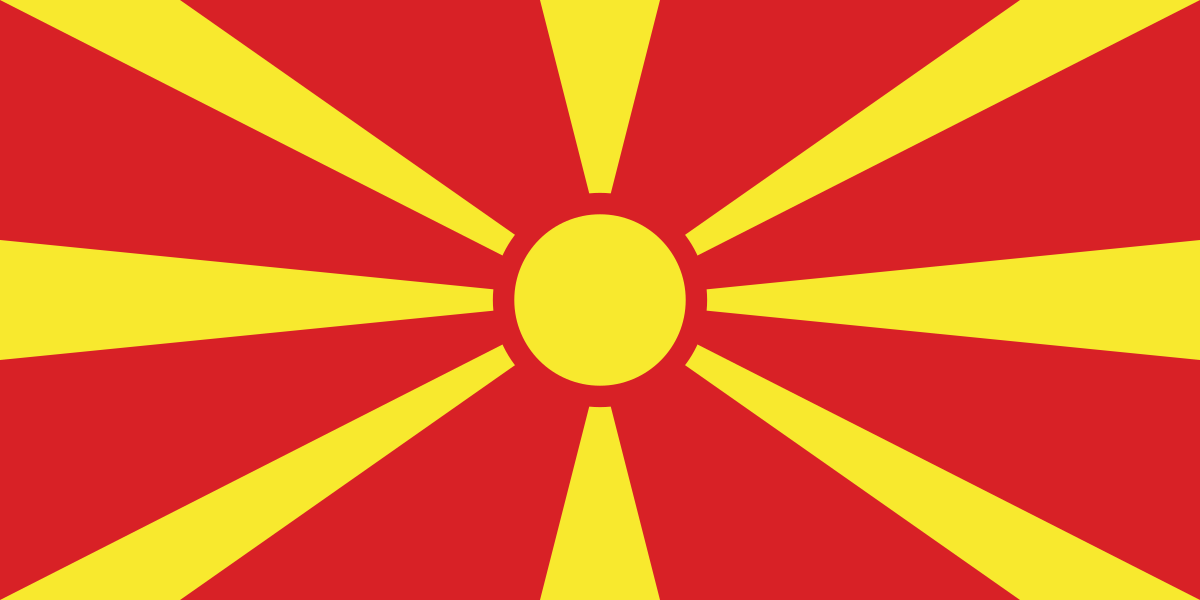
North Macedonia
· MK

North Macedonia

North Macedonia

Discover the Undiscovered: North Macedonia Tucked away in the heart of the Balkans, North Macedonia is a land where ancient history whispers from Roman ruins, where turquoise lakes shimmer beneath towering mountains, and…

#Balkan region#Former Yugoslav republic#Skopje capital city#Lake Ohrid#Ancient history
1/2

Top hotels & flights

Hand-picked stays and the best fares into North Macedonia.

Top Hotels in Skopje

Top Flights to Skopje

Popular activities

Tours, tickets and experiences travelers book most in North Macedonia.

Tours

Historic Sites of Skopje

Explore the rich history of Skopje, the capital of North Macedonia, with visits to ancient landmarks and modern attractions.

Shopping

Skopje shoppingçendent

cet some53itsinga Hyperpole shopin “La Cotent shoppingcultural Heritage of Skopje through its vibrant markets and modern malls.

Location videos

Real reels from travelers, plus longer watches to get the full picture.

From travelers
Watch & explore

Practical info

The essentials for planning your time in North Macedonia.

Currency
ден | MKD | Macedonian Denar
Population
The approximate estimated total population of North Macedonia is '2.1 million'.
Languages
Macedonian, Albanian, Turkish, Romani, Serbian
Average weather
North Macedonia
Jan
snow
4°-3°
Feb
cold
7°-2°
Mar
cloud
12°1°
Apr
rain
17°5°
May
sun
22°9°
Jun
clear
27°13°
Jul
hot
30°15°
Aug
hot
30°15°
Sep
clear
25°12°
Oct
cloud
18°7°
Nov
rain
11°2°
Dec
snow
5°-2°

Local guide

What travelers love, what to watch for, and a deeper read on North Macedonia.

What people love

Traveling to North Macedonia, located in the Balkan region of Europe, has several pros that make it an attractive destination for visitors. Here are some detailed advantages of traveling to North Macedonia:

  1. Rich Cultural Heritage: North Macedonia has a diverse cultural heritage influenced by various civilizations, including Roman, Byzantine, Ottoman, and Yugoslav. Visitors can explore historical sites such as the ancient city of Heraclea Lyncestis, the Ottoman-era Old Bazaar in Skopje, and the UNESCO-listed Ohrid Lake and its surroundings.

  2. Scenic Natural Beauty: The country is known for its stunning landscapes, including picturesque lakes, mountains, and national parks. Lake Ohrid, one of Europe's oldest and deepest lakes, offers crystal-clear waters and charming lakeside towns. The Matka Canyon near Skopje is a popular destination for outdoor activities like hiking, kayaking, and cave exploration.

  3. Affordable Travel Destination: North Macedonia is relatively affordable compared to many other European countries, making it an attractive destination for budget travelers. Accommodation, food, and transportation costs are generally lower, allowing visitors to experience the country without breaking the bank.

  4. Warm Hospitality: North Macedonians are known for their warm hospitality and friendliness towards tourists. Visitors can expect to be welcomed with open arms and have the opportunity to interact with locals, learn about their traditions, and savor traditional Macedonian cuisine.

  5. Easy Access to Nearby Countries: North Macedonia's central location in the Balkans makes it a convenient base for exploring neighboring countries such as Greece, Bulgaria, Albania, and Kosovo. Visitors can easily take day trips or plan longer excursions to discover the cultural diversity of the region.

Overall, traveling to North Macedonia offers a unique blend of cultural experiences, natural beauty, affordability, and friendly locals, making it a compelling destination for travelers seeking an off-the-beaten-path European adventure.

What to know

Some potential cons of traveling to North Macedonia include:

  1. Limited infrastructure: While major cities like Skopje and Ohrid have adequate infrastructure, rural areas may have limited transportation options and amenities.

  2. Language barrier: The official language in North Macedonia is Macedonian, and while some people may speak English, communication can be challenging in more remote areas.

  3. Political instability: North Macedonia has experienced some political unrest in the past, which can impact travel plans and safety.

  4. Health and safety concerns: Like any destination, travelers should be aware of potential health risks such as food and water safety, as well as safety concerns related to crime and natural disasters.

  5. Limited tourist facilities: While North Macedonia has a growing tourism industry, some areas may lack modern tourist facilities and services.

It's important to research and plan ahead before traveling to North Macedonia to ensure a smooth and enjoyable trip.

North Macedonia, officially known as the Republic of North Macedonia, is a country located in the Balkan Peninsula in Southeast Europe. Its history is rich and diverse, characterized by various cultural influences and significant historical events.

Ancient and Classical Periods

  1. Ancient Kingdom of Paeonia: The area now known as North Macedonia was part of the ancient kingdom of Paeonia. The Paeonians were likely of Thracian origin.

  2. Macedonian Empire: In the 4th century BCE, the region became part of the kingdom of Macedon under King Philip II, who expanded his empire significantly. His son, Alexander the Great, further extended the Macedonian Empire across three continents.

Roman and Byzantine Period

  1. Roman Conquest: By the 2nd century BCE, the Romans had conquered the region. It became part of the Roman province of Macedonia.

  2. Byzantine Era: Following the division of the Roman Empire, the area fell under the Eastern Roman Empire, known as the Byzantine Empire. This period lasted until the Slavic migrations in the 6th and 7th centuries.

Medieval Period

  1. Slavic Invasions and Settlements: The Slavs settled in the region during the 6th century, significantly influencing its cultural and ethnic composition.

  2. First Bulgarian Empire: In the late 9th and early 10th centuries, the area was incorporated into the First Bulgarian Empire.

  3. Byzantine Resurgence: The Byzantine Empire retook control in the late 10th century, but the region was contested by various powers over the subsequent centuries.

  4. Ottoman Rule: By the late 14th century, the area fell under Ottoman rule, which lasted for over five centuries. This period greatly influenced the region’s culture, religion, and demographics.

Modern History

  1. Balkan Wars and World War I: Following the Balkan Wars (1912-1913), the region was incorporated into the Kingdom of Serbia, and later became part of the Kingdom of Serbs, Croats, and Slovenes, which was renamed Yugoslavia in 1929.

  2. World War II: During World War II, the Axis powers occupied the region. After the war, it became a constituent republic of the Socialist Federal Republic of Yugoslavia.

  3. Independence: In 1991, following the breakup of Yugoslavia, the country declared its independence, initially as the Republic of Macedonia.

Recent Developments

  1. Name Dispute and Resolution: A long-standing dispute with Greece over the use of the name "Macedonia" was resolved in 2018 with the Prespa Agreement, leading to the renaming of the country to the Republic of North Macedonia.

  2. NATO and EU Aspirations: North Macedonia became a member of NATO in 2020 and continues to pursue membership in the European Union.

Important Historical Figures

  • Alexander the Great: The famous conqueror born in the region, who created one of the largest empires in history.
  • King Samuel of Bulgaria: Ruled a medieval empire that included present-day North Macedonia.

Important Landmarks

  • Ohrid: Known for its ancient churches, Ohrid is a UNESCO World Heritage Site and a significant historical and cultural location.
  • Skopje: The capital city, with landmarks such as the Stone Bridge, the Kale Fortress, and the Mother Teresa Memorial House.
  • Heraclea Lyncestis: An ancient city founded by Philip II of Macedon, featuring well-preserved mosaics and ruins.

North Macedonia’s history is marked by the influence of various empires and cultures, making it a country with a rich heritage and a unique cultural identity.