
Normandie
State · France

Normandie

Normandie, France

Step Back in Time and Savor the Charm of Normandie, France Rugged cliffs plunging into the sea, storybook villages nestled in verdant valleys, and a…

#coastline#historic#beaches#countryside#cider

Explore Normandie

Top cities in Normandie

Pick a city to open its guide.

See it for yourself

Location videos

Reels and longer watches.

Watch & explore

Good to know

Practical info

Weather, costs and getting around.

Normandie, France Open in Google Maps
Currency
€ | EUR | Euro
Population
3.3 million
Languages
French mainly · Norman
Budget / day
€100 - €300
Also known as
Norman French, Normaundia, Normandie, France, Normannia, Normandia

Know before you go

Local guide

A deeper read on Normandie.

What people love

Normandy, located in northern France, is a region known for its rich history, stunning landscapes, and delicious cuisine. Here are some of the pros of traveling to Normandy:

  1. Historical sites: Normandy is famous for being the site of the D-Day landings during World War II. Visitors can explore historic sites such as Omaha Beach, the American Cemetery, and the D-Day beaches, providing a poignant reminder of the sacrifices made during the war.

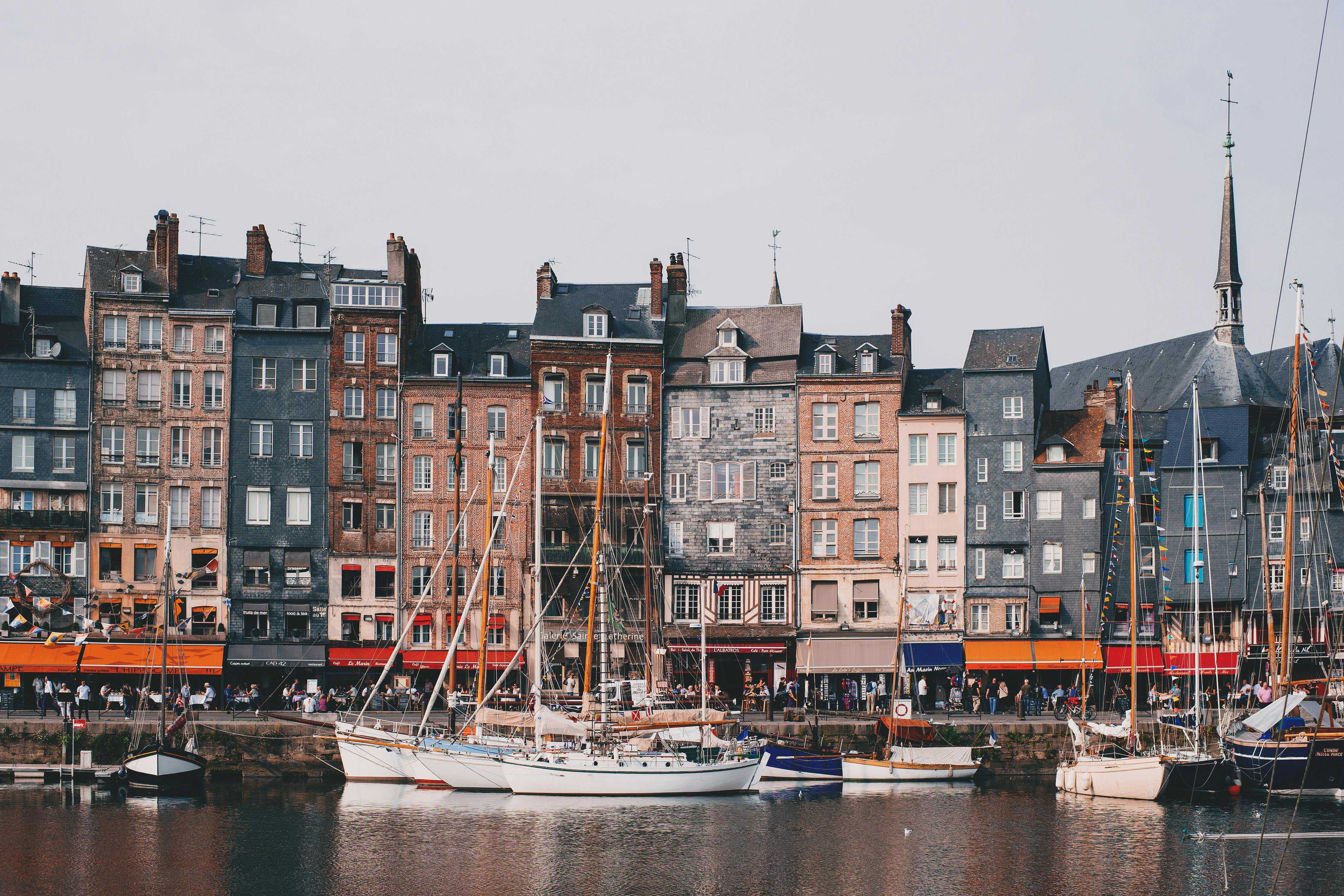
  2. Charming towns and villages: Normandy is dotted with picturesque towns and villages, each with its own unique charm. Places like Honfleur, Rouen, and Bayeux are known for their medieval architecture, cobbled streets, and lively markets.

  3. Beautiful coastline: Normandy boasts a rugged coastline with dramatic cliffs, sandy beaches, and picturesque fishing harbors. Visitors can enjoy activities such as beachcombing, sailing, and coastal walks along the stunning Alabaster Coast.

  4. Gastronomic delights: Normandy is famous for its delicious cuisine, including specialties such as Camembert cheese, Calvados apple brandy, and fresh seafood. Visitors can indulge in gourmet meals at traditional brasseries, cider houses, and Michelin-starred restaurants.

  5. Cultural attractions: Normandy is home to a wealth of cultural attractions, including impressive cathedrals, historic castles, and world-class museums. The region is also known for its vibrant arts scene, with numerous galleries, theaters, and music festivals to explore.

Overall, traveling to Normandy offers a unique blend of history, natural beauty, and gastronomy, making it a fantastic destination for visitors looking to experience the best of French culture.

What to know

Some potential cons of traveling to Normandy, France, include:

  1. Weather: Normandy experiences a maritime climate with mild temperatures but can be quite rainy, especially in the fall and winter months. Visitors should be prepared for unpredictable weather conditions.

  2. Crowds: Normandy is a popular tourist destination, particularly during the summer months and around major holidays. This can lead to crowded attractions, long lines, and difficulty finding accommodations.

  3. Language barrier: While many people in Normandy speak English, particularly in tourist areas, there may still be language barriers, especially in smaller towns or more rural areas. It can be helpful to learn some basic French phrases before traveling.

  4. Limited transportation options: Public transportation in Normandy may not be as extensive or convenient as in larger cities, so visitors may need to rely on rental cars or private tours to explore the region fully.

  5. Cost: Like many tourist destinations in Europe, Normandy can be expensive, especially in popular areas. Accommodation, dining, and entrance fees to attractions can add up quickly.

Overall, while Normandy is a beautiful and historically rich region to visit, travelers should be prepared for potential challenges such as weather, crowds, language barriers, transportation limitations, and higher costs.

Normandy (Normandie in French) is a region in northern France that has a rich and varied history. Here is a detailed overview of its historical background, significant events, historical figures, and important landmarks:

Historical Overview:

  1. Prehistoric and Roman Period:

    • Normandy has evidence of prehistoric human settlements, with tools and artifacts discovered that date back to the Paleolithic era.
    • During Roman times, the region was part of the province of Gallia Lugdunensis. The Romans established several towns, such as Juliobona (modern-day Lillebonne).
  2. Viking Influence and the Duchy of Normandy:

    • In the 9th and 10th centuries, Viking invasions led to significant changes. In 911, the Viking leader Rollo was granted land by the French King Charles the Simple, which marked the beginning of the Duchy of Normandy.
    • Rollo and his successors expanded and consolidated their power, ultimately merging Viking traditions with local Frankish customs.
  3. Norman Conquest of England:

    • One of the most significant events was the Norman Conquest of England in 1066. Duke William II of Normandy, known as William the Conqueror, defeated King Harold II at the Battle of Hastings and became King of England.
  4. Medieval Period:

    • Normandy remained a powerful and influential duchy throughout the Middle Ages. However, its history was marked by conflicts between the Duchy and the Kingdom of France.
    • In 1204, King Philip II of France annexed Normandy into the French crown, ending its status as a separate duchy.
  5. Hundred Years' War:

    • During the Hundred Years' War, Normandy was a major battleground. The region changed hands multiple times between the English and the French.
    • Joan of Arc, a significant historical figure associated with the war, was captured in Normandy by the Burgundians and handed over to the English.
  6. World War II:

    • Normandy is famously known for the D-Day landings on June 6, 1944, during World War II. The Allied invasion, known as Operation Overlord, was a crucial turning point in the war.
    • The beaches of Normandy, such as Omaha and Utah Beach, are significant landmarks commemorating this event.

Historical Figures:

  • William the Conqueror (1028-1087): Duke of Normandy and King of England. His conquest of England was a pivotal moment in European history.
  • Joan of Arc (1412-1431): Although not from Normandy, her capture in the region is a notable historical event.

Important Landmarks:

  1. Mont-Saint-Michel:

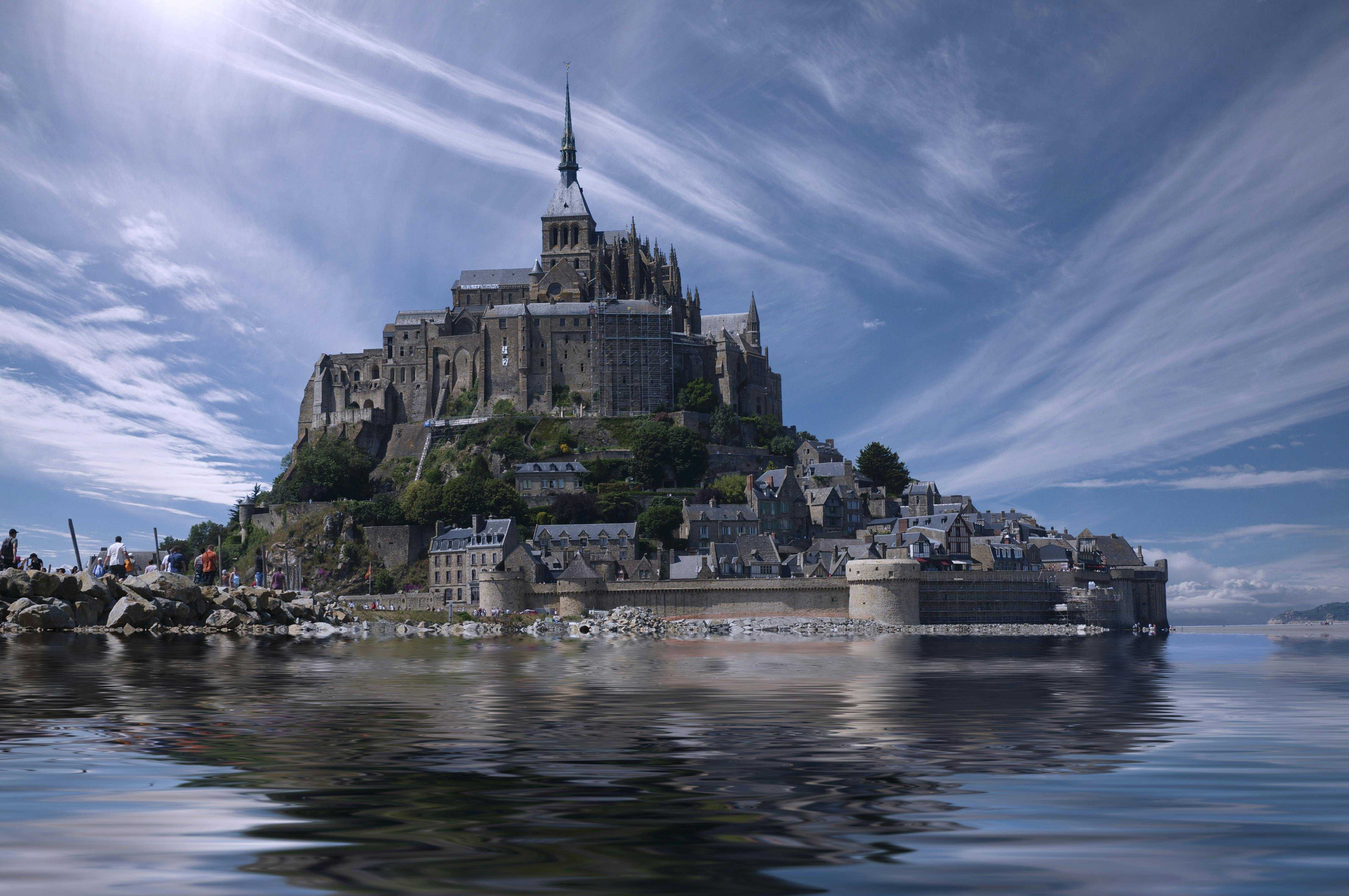
    • An iconic island commune with a stunning medieval abbey. It is one of France's most recognized landmarks and a UNESCO World Heritage site.
  2. Rouen Cathedral:

    • A masterpiece of Gothic architecture, it was famously painted by Claude Monet. Rouen was also where Joan of Arc was tried and executed.
  3. Caen:

    • Known for the Caen Castle built by William the Conqueror and the Abbey of Saint-Étienne.
  4. Bayeux Tapestry:

    • Housed in the town of Bayeux, this famous tapestry depicts the events leading up to the Norman Conquest of England.
  5. D-Day Beaches:

    • The landing sites along the Normandy coast, including Omaha, Utah, Gold, Juno, and Sword Beaches, are important historical sites.
  6. American Cemetery at Colleville-sur-Mer:

    • A poignant memorial for American soldiers who died during the D-Day landings and subsequent operations.

Normandy's history is interwoven with broader European events, making it a region of significant historical interest.