Nicaragua
Country

Nicaragua

Nicaragua

Nicaragua: Adventure Awaits in the Land of Lakes and Volcanoes Nicaragua, the "Land of Lakes and Volcanoes," pulsates with an untamed beauty and…

#Central America#Tropical climate#Volcanoes#Beaches#Colonial architecture

Explore Nicaragua

Top cities in Nicaragua

Pick a city to open its guide.

See it for yourself

Location videos

Reels and longer watches.

Watch & explore

Good to know

Practical info

Weather, costs and getting around.

Currency
C$ | NIO | Nicaraguan Córdoba Nicaragua
Population
6.8 million
Languages
Spanish mainly · English
Budget / day
$50 - $150
Also known as
República de Nícaragua, Nikaragua, Nikaragva, República de Nicaragua

Know before you go

Local guide

A deeper read on Nicaragua.

What people love

Traveling to Nicaragua offers a variety of enticing benefits for tourists. Here are some of the pros of visiting this Central American country:

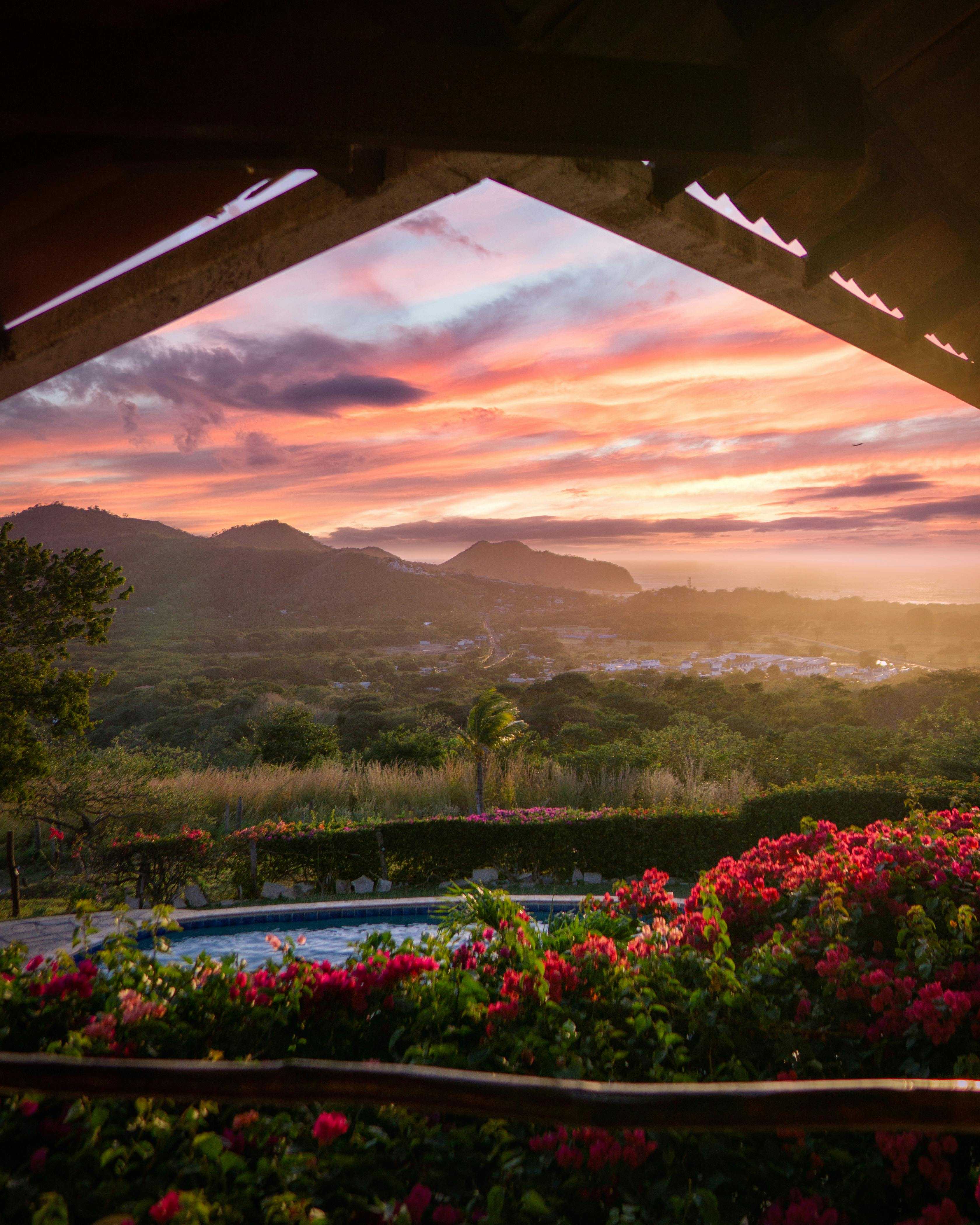
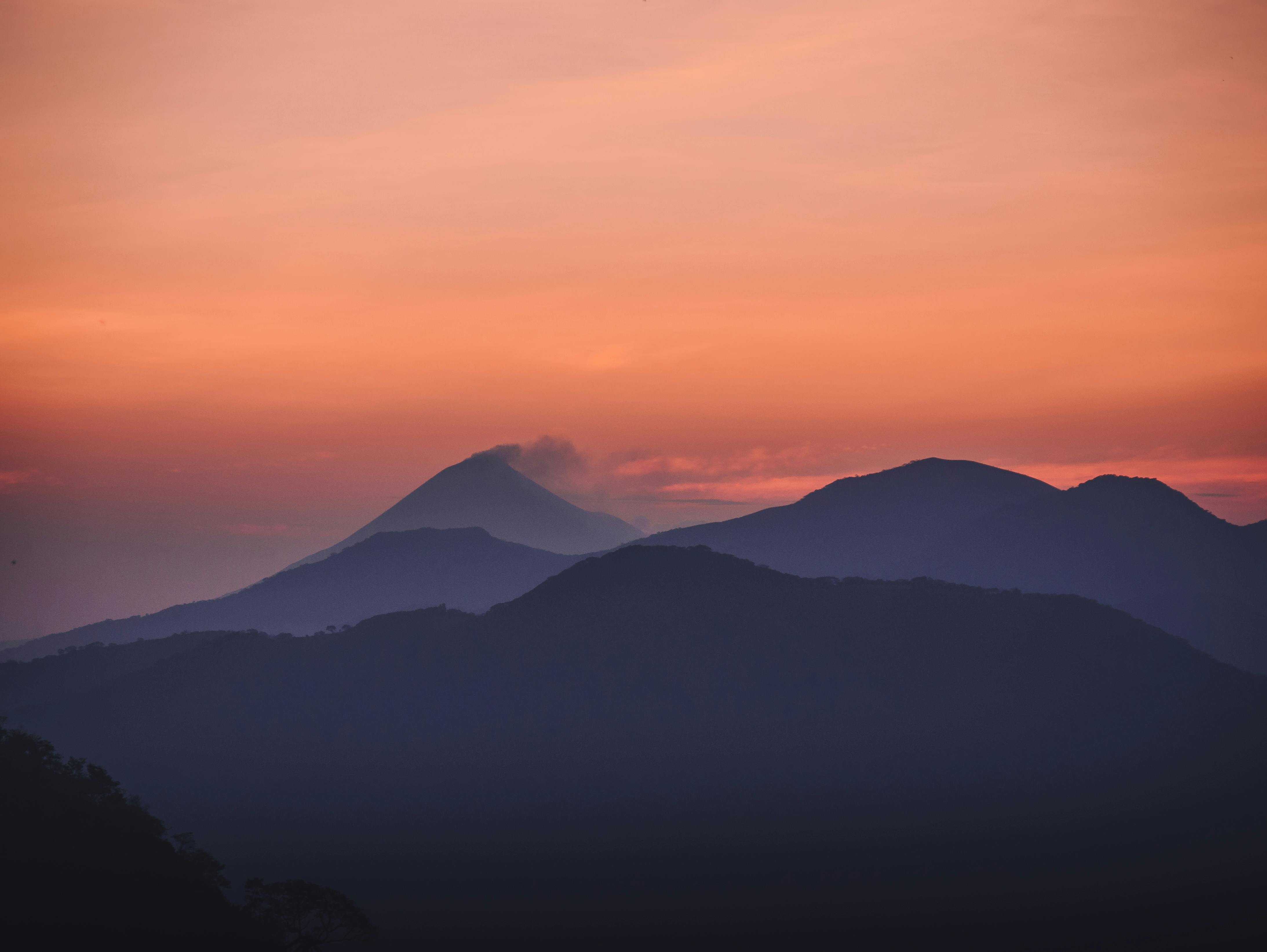
  1. Natural Beauty: Nicaragua is renowned for its stunning landscapes, which include volcanic terrains, lush rainforests, serene lakes, and beautiful Pacific and Caribbean coastlines. Lake Nicaragua and the Corn Islands are particularly popular for their natural beauty.

  2. Adventure Activities: The country is a haven for adventure seekers. You can engage in activities like volcano boarding on Cerro Negro, surfing on the Pacific coast, hiking, zip-lining, and scuba diving, especially around the Corn Islands.

  3. Rich Culture and History: Nicaragua has a vibrant culture with influences from its indigenous peoples and Spanish colonial past. The cities of Granada and León are known for their well-preserved colonial architecture and historical sites.

  4. Affordability: Compared to many other tourist destinations, Nicaragua is relatively inexpensive. Accommodations, food, and activities are often more affordable, making it an attractive option for budget travelers.

  5. Friendly Locals: Nicaraguans are known for their hospitality and friendliness towards visitors. Engaging with the local communities can provide a rich cultural experience.

  6. Wildlife and Nature: The country's biodiversity is impressive, with numerous national parks and reserves. You can see a wide variety of wildlife, including howler monkeys, toucans, and sea turtles.

  7. Culinary Delights: Nicaraguan cuisine is diverse and delicious, featuring dishes like gallo pinto (rice and beans), nacatamales, and fresh seafood. Trying local food is an integral part of the travel experience.

  8. Less Crowded: Compared to more popular destinations in the region, Nicaragua is less crowded with tourists, allowing for a more relaxed and authentic experience.

  9. Cultural Festivals: Nicaragua hosts numerous colorful festivals throughout the year, such as the Palo de Mayo in Bluefields and the Santo Domingo festival in Managua, offering a chance to experience local traditions and celebrations.

Traveling to Nicaragua can be a rewarding experience with its combination of natural wonders, cultural richness, and affordability.

What to know

Traveling to Nicaragua may have some cons, including:

  1. Safety concerns: Nicaragua has experienced political unrest and civil unrest in recent years, leading to occasional protests and demonstrations. Travelers should stay informed about the current situation and exercise caution when traveling in the country.

  2. Health risks: Like many tropical countries, Nicaragua is prone to certain health risks such as mosquito-borne diseases like dengue fever and Zika virus. Travelers should take necessary precautions, such as using insect repellent and practicing safe food and water habits.

  3. Infrastructure challenges: Some parts of Nicaragua, especially in rural areas, may have limited infrastructure and access to basic services like healthcare and transportation. This could pose challenges for travelers looking to explore off-the-beaten-path destinations.

  4. Language barrier: While many Nicaraguans speak Spanish, English may not be widely spoken outside of tourist areas. Travelers who do not speak Spanish may encounter communication difficulties in some situations.

  5. Natural disasters: Nicaragua is located in a region prone to natural disasters such as earthquakes and hurricanes. Travelers should be aware of the potential risks and have a plan in place in case of emergencies.

It's important to research and prepare thoroughly before traveling to Nicaragua to mitigate these potential cons and ensure a safe and enjoyable trip.

Nicaragua, officially the Republic of Nicaragua, is the largest country in Central America, bordered by Honduras to the north, Costa Rica to the south, the Pacific Ocean to the west, and the Caribbean Sea to the east. Its history is marked by a series of significant events and influential figures, as well as important cultural and historical landmarks.

Pre-Colonial and Colonial Period

  • Pre-Columbian Era: Before the arrival of Europeans, the region was inhabited by various indigenous groups, including the Nicarao and the Chorotega, and in the Caribbean lowlands, the Miskito and Sumo peoples.
  • Spanish Colonization: In 1524, Spanish conquistador Francisco Hernández de Córdoba established the cities of León and Granada, marking the beginning of Spanish colonization. Nicaragua remained under Spanish rule for nearly 300 years.

Independence and 19th Century

  • Independence (1821): Nicaragua gained independence from Spain in 1821 and subsequently joined the Mexican Empire under Agustín de Iturbide. After the empire's collapse, Nicaragua became part of the United Provinces of Central America.
  • Full Independence (1838): Nicaragua declared independence from the United Provinces and became a fully sovereign nation.
  • William Walker (1856–1857): An American filibuster, William Walker, briefly seized control of the country and declared himself president. His regime was short-lived, as he was ousted by a coalition of Central American armies.

20th Century

  • US Intervention and Occupation: The United States intervened in Nicaragua several times in the early 20th century, culminating in a military occupation from 1912 to 1933, except for a brief period in 1925.
  • Sandino and Nationalist Resistance: Augusto César Sandino led a guerrilla campaign against the US occupation and the Nicaraguan government. He became a national hero and a symbol of resistance against foreign intervention.
  • The Somoza Dynasty (1936–1979): Anastasio Somoza García rose to power and established a dictatorial dynasty that controlled Nicaragua for more than four decades. His family ruled with support from the US and maintained control through the National Guard.

Sandinista Revolution and the Contra War

  • Sandinista National Liberation Front (FSLN): The FSLN, a socialist political party named after Sandino, led a revolution that successfully overthrew the Somoza regime in 1979.
  • The Contra War (1981–1990): During the 1980s, the US supported Contra rebels in a civil war against the Sandinista government. The conflict caused significant hardship and displacement within the country.
  • 1984 Elections: Daniel Ortega, a prominent Sandinista leader, was elected president in 1984. The Sandinistas remained in power until 1990.

Recent History

  • 1990 Elections: A peace process led to elections in which Violeta Chamorro, representing a broad coalition, defeated Ortega, marking the end of Sandinista rule.
  • Return of the Sandinistas: Daniel Ortega returned to power after winning the presidential election in 2006 and has remained a dominant figure in Nicaraguan politics since then.
  • Contemporary Issues: In recent years, Ortega’s government has faced criticism and protests over alleged authoritarian practices, including limiting press freedom and political opposition.

Important Landmarks

  • Granada: This colonial city is one of the oldest in the Americas and known for its well-preserved architecture and rich history.
  • León: Another historic city, León is home to the Cathedral of León, a UNESCO World Heritage Site, and a center of culture and education.
  • Masaya Volcano National Park: This park features one of the most active volcanoes in Nicaragua, offering unique geological and natural experiences.
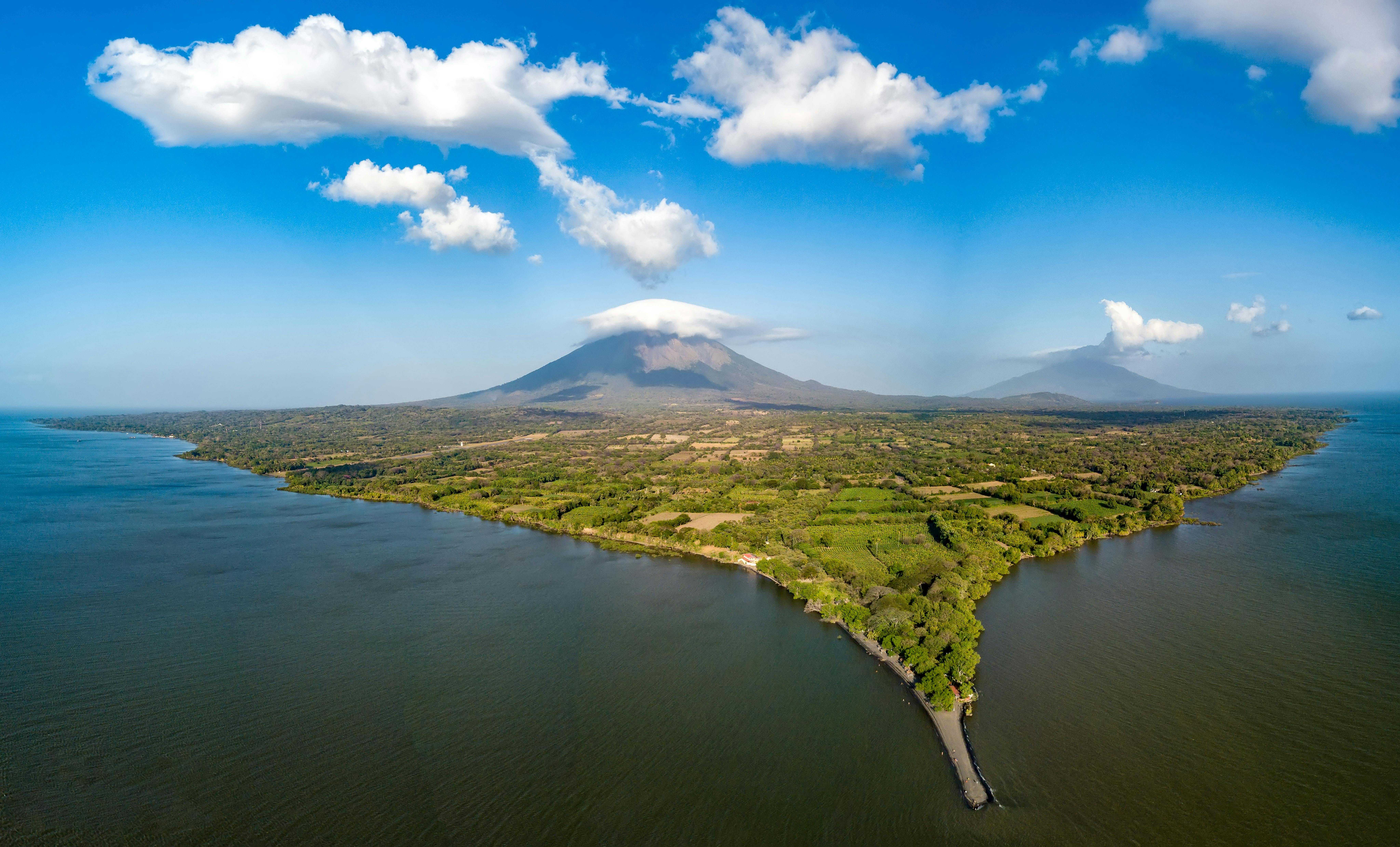
  • Ometepe Island: Located in Lake Nicaragua, it is formed by two volcanoes and is renowned for its archaeological sites and biodiversity.

Nicaragua's history is a complex tapestry of indigenous heritage, colonial legacy, revolutionary fervor, and modern political challenges. Its cultural and natural landmarks reflect the diverse influences and events that have shaped the nation.