Namibia
· NA

Namibia

Namibia

Namibia: Where Adventure Meets the Extraordinary Namibia, a land of vast landscapes and breathtaking beauty, beckons adventurers and dreamers alike. Here, towering sand dunes meet the crashing Atlantic waves, ancient ro…

#African#Safari#Desert#Wildlife#Adventure
1/19

Top hotels & flights

Hand-picked stays and the best fares into Namibia.

Top Hotels in Windhoek

Top Flights to Windhoek

Popular activities

Tours, tickets and experiences travelers book most in Namibia.

Tours

Windhoek City Tour

Discover the vibrant capital of Namibia, known for its rich history, cultural landmarks, and lively markets.

Shopping

Craft Market of Namibia

Shop for unique, handmade crafts and souvenirs at this lively open-air market in Windhoek, offering a wide range of locally made products.

Outdoor

Etosha National Park Safari

Experience the thrill of an African safari in one of Namibia's most renowned national parks, home to diverse wildlife including elephants, lions, and rhinos.

Dune 45 Climb

Climb one of the most photographed sand dunes in the world, located in the heart of the Namib Desert, offering panoramic views.

Swakopmund Adventure Sports

Swakopmund offers a variety of extreme sports activities, perfect for thrill-seekers looking to explore the beautiful landscapes surrounding this coastal town.

Location videos

Real reels from travelers, plus longer watches to get the full picture.

From travelers
Watch & explore

Practical info

The essentials for planning your time in Namibia.

Currency
N\$ | NAD | Namibian dollar
Population
2.6 million
Languages
English, Afrikaans, German, Damara, Herero, Nama
Average weather
Namibia
Jan
sun
30°18°
Feb
sun
29°18°
Mar
sun
28°16°
Apr
sun
27°14°
May
clear
25°10°
Jun
clear
22°7°
Jul
clear
22°6°
Aug
clear
25°8°
Sep
sun
28°11°
Oct
sun
30°14°
Nov
sun
31°16°
Dec
sun
31°18°

Local guide

What travelers love, what to watch for, and a deeper read on Namibia.

What people love

Namibia is a unique and diverse travel destination with several pros for visitors. Here are some of the key reasons why traveling to Namibia can be a rewarding experience:

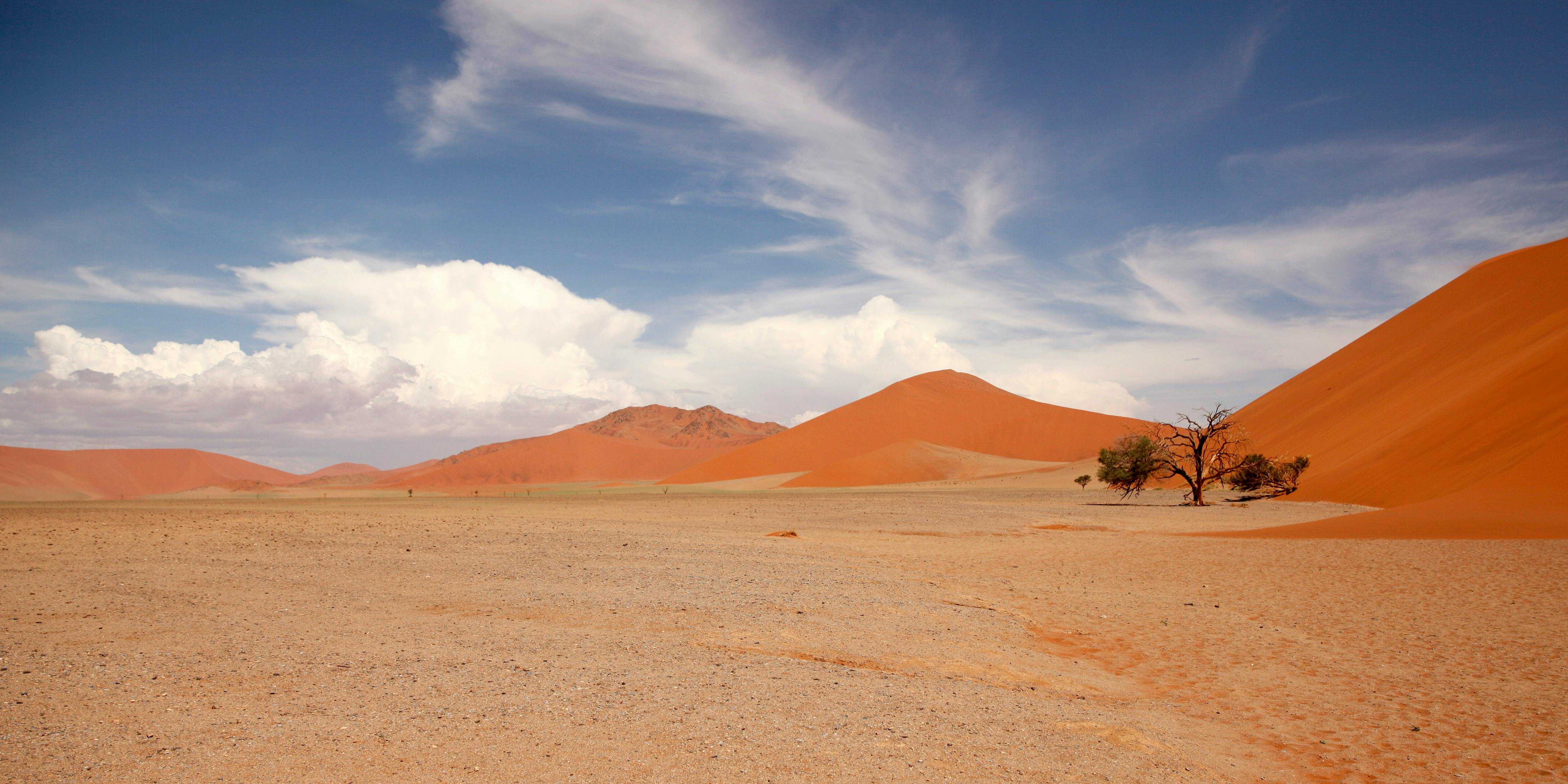
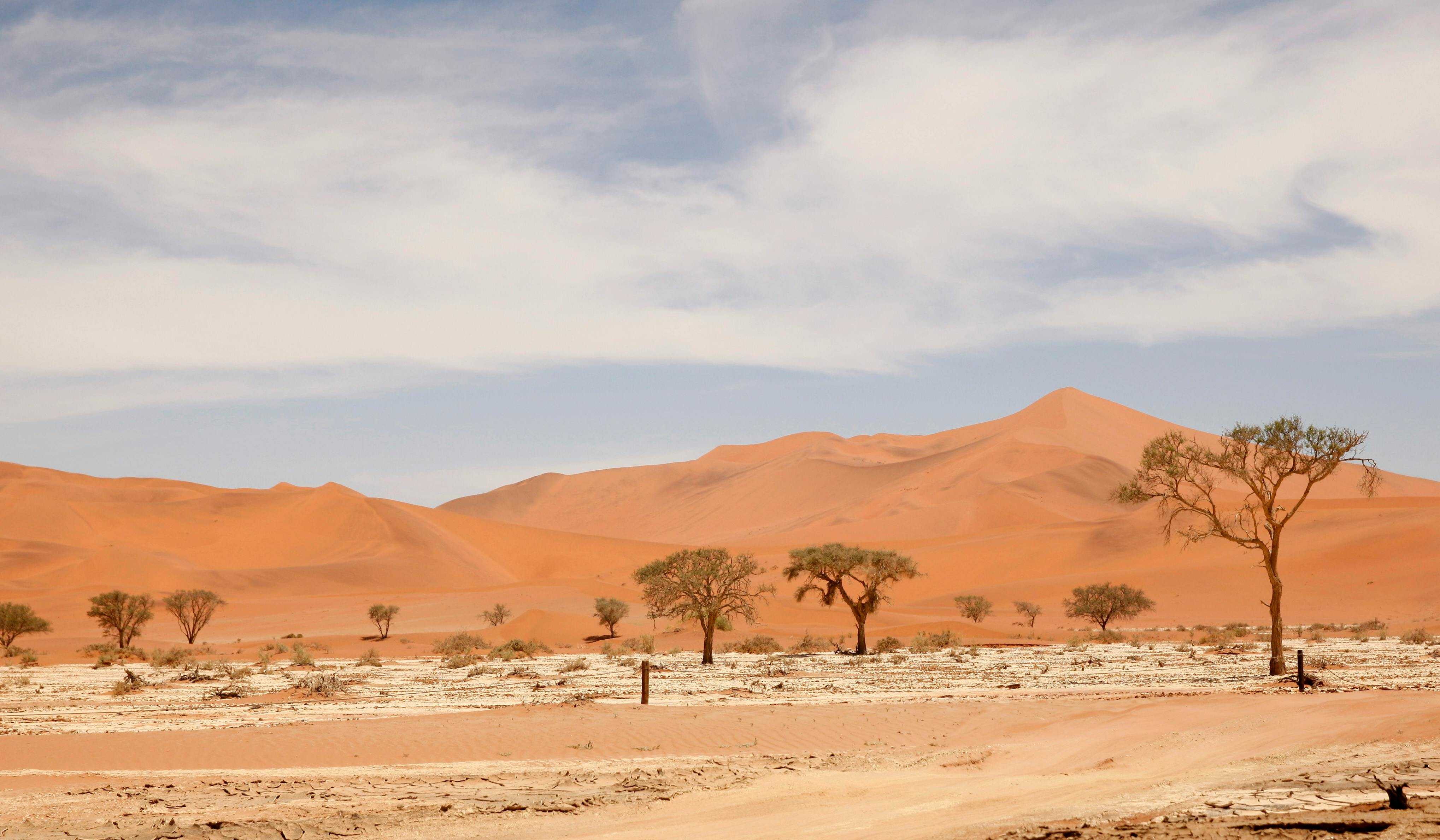
  1. Stunning Landscapes: Namibia is renowned for its breathtaking natural beauty, including the iconic red sand dunes of Sossusvlei in the Namib Desert, the vast plains of Etosha National Park, and the dramatic Fish River Canyon. The country offers diverse landscapes that are a paradise for nature lovers and photographers.

  2. Wildlife Viewing: Namibia is home to a rich variety of wildlife, including elephants, lions, rhinos, and giraffes. Etosha National Park is one of the best places in Africa for wildlife viewing, with numerous waterholes attracting a wide range of animals.

  3. Adventure Activities: Namibia offers a range of adventurous activities for thrill-seekers, such as sandboarding on the dunes, quad biking in the desert, and hiking in the rugged mountains. The country's diverse landscapes provide ample opportunities for outdoor adventures.

  4. Cultural Experiences: Namibia is home to diverse ethnic groups, each with its own unique traditions and customs. Visitors have the opportunity to learn about the rich cultural heritage of Namibia by interacting with local communities and participating in traditional ceremonies.

  5. Safety and Stability: Namibia is considered one of the safest countries in Africa for travelers. The country has a stable political environment and a low crime rate, making it a secure destination for tourists.

Overall, Namibia offers a combination of stunning landscapes, rich wildlife, adventurous activities, cultural experiences, and safety, making it an attractive travel destination for those seeking a unique and memorable experience.

What to know

Traveling to Namibia can come with some potential cons that travelers should be aware of:

  1. Health Risks: Namibia is a country where certain diseases such as malaria, typhoid, and hepatitis can be a risk to travelers. It is important to consult with a healthcare provider before traveling to ensure proper vaccinations and medications are taken.

  2. Road Safety: Namibia has a high rate of road accidents, especially in rural areas where roads may be poorly maintained. It is important for travelers to exercise caution while driving and to be aware of local driving conditions.

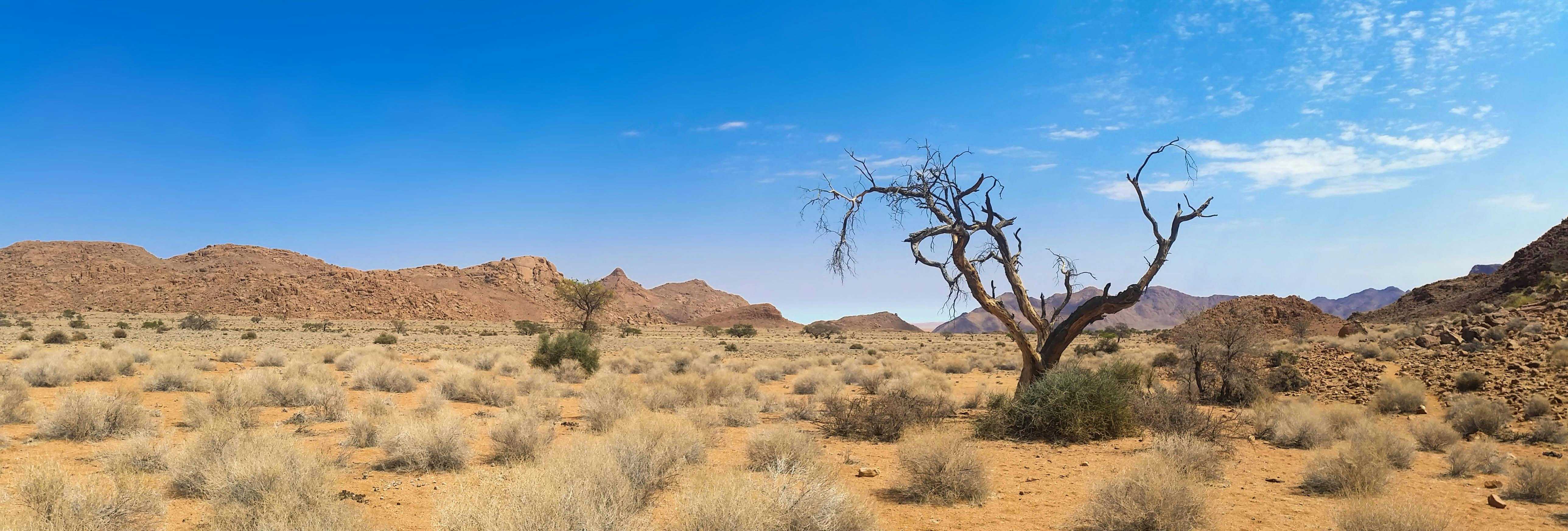
  3. Extreme Weather Conditions: Namibia is a country known for its extreme temperatures, with very hot days and cold nights. Travelers should be prepared for these conditions and pack accordingly.

  4. Limited Infrastructure: In some remote areas of Namibia, access to basic services such as healthcare and emergency assistance may be limited. Travelers should be prepared for this and take necessary precautions.

  5. Wildlife Encounters: While Namibia is known for its diverse wildlife, encounters with dangerous animals such as lions and elephants can pose a risk to travelers, especially in national parks and game reserves. It is important to follow safety guidelines and regulations when viewing wildlife.

Overall, while Namibia is a beautiful country with much to offer travelers, it is important to be aware of these potential cons and take necessary precautions to ensure a safe and enjoyable trip.

Namibia, officially the Republic of Namibia, is a country in southern Africa. It is bordered by Angola to the north, Zambia to the northeast, Botswana to the east and south, and South Africa to the south and southeast. The Atlantic Ocean lies to the west. Here is a detailed history of Namibia, including significant events, historical figures, and important landmarks:

Pre-colonial Period

  • Early Inhabitants: Namibia's earliest inhabitants were the San people, who have lived in the region for thousands of years. They were followed by the Nama, Damara, and later the Herero and Ovambo people.
  • Bantu Migration: The Bantu-speaking Ovambo and Kavango peoples migrated into northern Namibia during the 16th century.

Colonial Era

  • Arrival of Europeans: Portuguese explorers were among the first Europeans to arrive on the Namibian coast in the late 15th century, though they did not establish settlements.
  • German Colonization: In the late 19th century, Namibia became a German colony called German South West Africa. In 1884, Germany declared a protectorate over the territory.
  • Herero and Namaqua Genocide (1904-1908): A brutal conflict erupted between the German colonial authorities and the Herero and Nama people, resulting in one of the first genocides of the 20th century. Tens of thousands of Herero and Nama were killed or died from starvation and dehydration.

South African Administration

  • League of Nations Mandate: After World War I, Namibia was placed under South African administration as a League of Nations mandate territory, which later became a United Nations mandate. South Africa governed the territory as if it were a province.
  • Apartheid Policies: South Africa imposed its apartheid policies on Namibia, leading to widespread discrimination and disenfranchisement of the indigenous population.

Struggle for Independence

  • Formation of SWAPO: The South West Africa People's Organization (SWAPO) was founded in 1960 as a liberation movement fighting for Namibia’s independence.
  • Armed Struggle: SWAPO launched an armed struggle against South African rule in 1966, marking the beginning of a protracted conflict.
  • International Pressure: Over the years, international pressure mounted on South Africa to grant Namibia independence. The United Nations recognized SWAPO as the legitimate representative of the Namibian people.

Independence and Modern Era

  • UN Resolution 435: In 1978, the United Nations passed Resolution 435, calling for free elections and Namibian independence.
  • Independence: Namibia gained independence on March 21, 1990, following a UN-supervised election in which SWAPO won a majority.
  • First President: Sam Nujoma, the leader of SWAPO, became the first President of Namibia and served until 2005.
  • Transition to Stability: Namibia has since enjoyed political stability and has made progress in developing its economy and infrastructure.

Significant Historical Figures

  • Sam Nujoma: The founding father and first President of Namibia, who played a crucial role in the independence movement.
  • Hendrik Witbooi: A Nama chief and early resistance leader against German colonial forces.
  • Hosea Kutako: A Herero chief who was a prominent figure in the struggle against South African rule.

Important Landmarks

  • Sossusvlei: Located in the Namib Desert, Sossusvlei is famous for its towering red sand dunes and is a major tourist attraction.
  • Etosha National Park: One of Africa’s greatest wildlife reserves, Etosha is home to a wide variety of wildlife species.
  • Fish River Canyon: The largest canyon in Africa, offering stunning landscapes and hiking opportunities.
  • Swakopmund: A coastal city known for its German colonial architecture and as a gateway to the Namib Desert.
  • Twyfelfontein: A UNESCO World Heritage Site, known for its ancient rock engravings created by the San people.

Namibia today is known for its rich cultural diversity, stunning natural landscapes, and a commitment to democratic governance.