Mozambique
· MZ

Mozambique

Mozambique

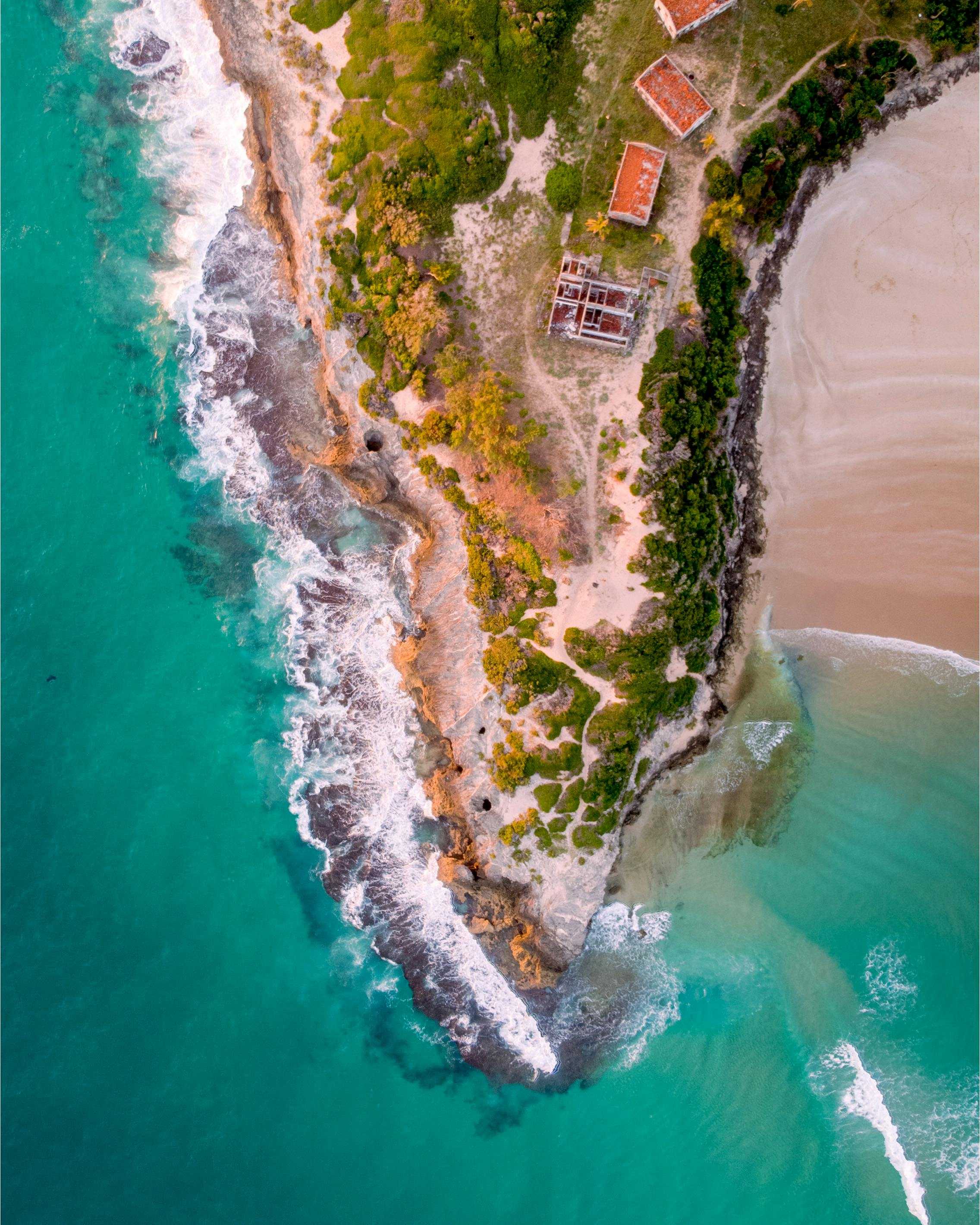
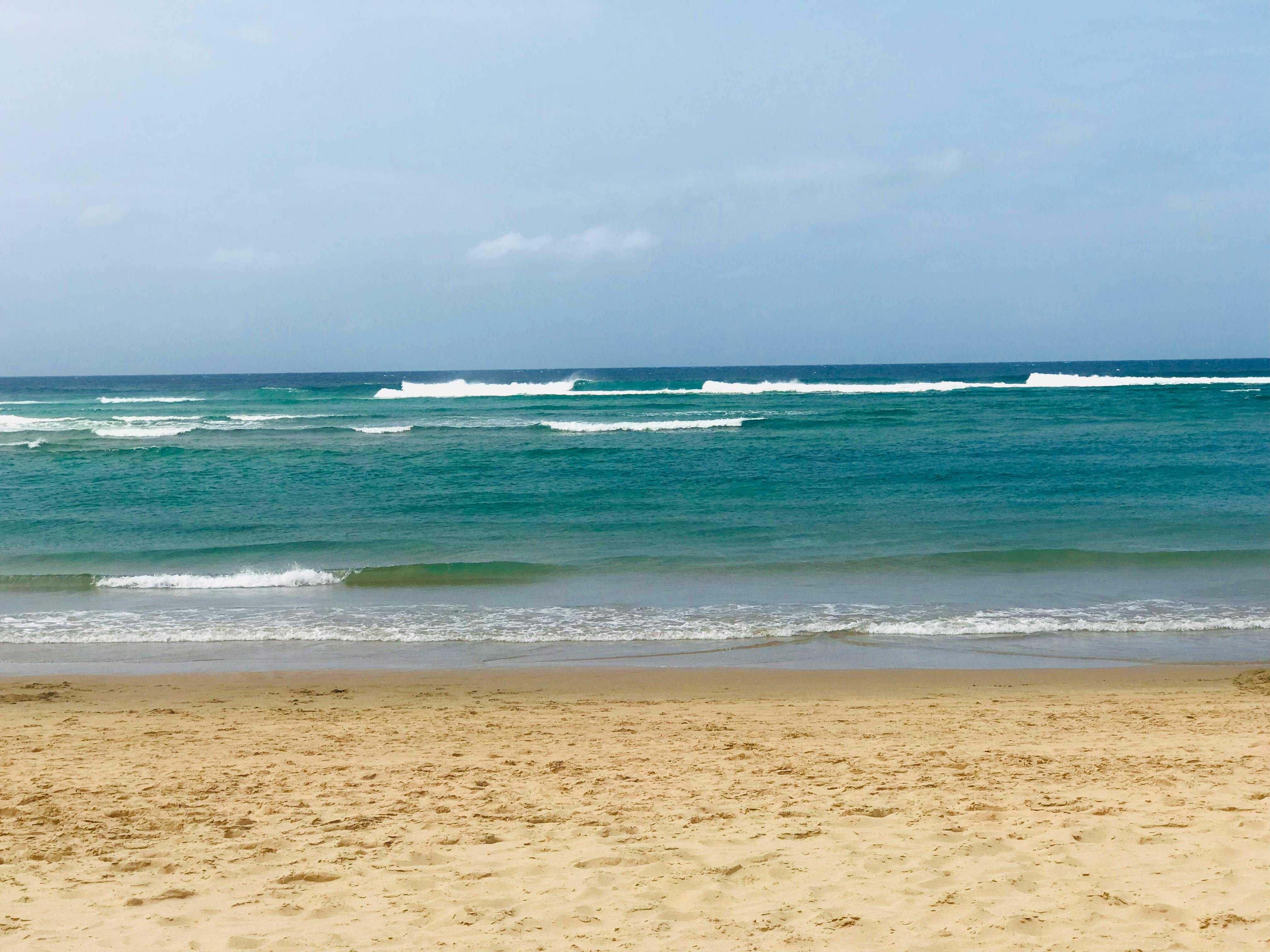
Mozambique: Untamed Beauty and Vibrant Culture Await Escape to Mozambique, a jewel of Southeast Africa, where pristine beaches meet turquoise waters, ancient cultures thrive, and adventure awaits around every corner. Thi…

#Southern Africa#Indian Ocean#Portuguese-speaking country#Tropical climate#Mozambique Channel
1/11

Top hotels & flights

Hand-picked stays and the best fares into Mozambique.

Top Hotels in Maputo

Top Flights to Maputo

Popular activities

Tours, tickets and experiences travelers book most in Mozambique.

Tours

Explore Gorongosa National Park

Discover the diverse wildlife and stunning landscapes of Gorongosa National Park, a conservation area in central Mozambique.

Visit Ilha de Moçambique

A small island with rich history, home to colonial buildings and beautiful beaches.

Maputo City Tour

Explore Mozambique's capital city, Maputo, known for its vibrant culture and history.

Xai-Xai Beach Relaxation

Relax and unwind on the serene beaches of Xai-Xai, known for their beauty and tranquility.

Shopping

Shopping at Baixa District

Experience local shopping in the bustling Baixa district, where you can find crafts, fabrics, and more.

Outdoor

Dive in Tofo Beach

Experience some of the best diving and marine life exploration in Mozambique at Tofo Beach.

Hike Mount Binga

Climb to the highest point in Mozambique, offering breathtaking views and challenging trails.

Explore Quirimbas Archipelago

Discover the stunning islands of the Quirimbas Archipelago, known for their pristine beaches and rich marine life.

Kayak the Zambezi River

An adventurous kayaking experience through the scenic landscapes of the Zambezi River.

Ponta do Ouro Dolphin Tour

Swim with dolphins in their natural habitat at Ponta do Ouro, a popular seaside destination.

Location videos

Real reels from travelers, plus longer watches to get the full picture.

From travelers
Watch & explore

Practical info

The essentials for planning your time in Mozambique.

Currency
MT | MZN | Mozambican Metical
Population
32.1 million
Languages
Portuguese, Portuguese, English
Average weather
Mozambique
Jan
rain
31°24°
Feb
rain
31°24°
Mar
rain
31°23°
Apr
rain
30°21°
May
clear
28°19°
Jun
clear
26°17°
Jul
clear
26°16°
Aug
clear
27°17°
Sep
sun
29°19°
Oct
sun
31°21°
Nov
sun
32°23°
Dec
rain
32°24°

Local guide

What travelers love, what to watch for, and a deeper read on Mozambique.

What people love

Mozambique, located in southeastern Africa, is a diverse and beautiful country with a number of attractions and experiences that make it a great travel destination. Here are some of the pros of traveling to Mozambique:

  1. Stunning Beaches: Mozambique is known for its pristine beaches along the Indian Ocean coastline. The white sand beaches, clear blue waters, and coral reefs make it a paradise for beach lovers and water sports enthusiasts.

  2. Diverse Marine Life: Mozambique is home to a rich and diverse marine ecosystem, making it a fantastic destination for snorkeling and diving. The country is known for its vibrant coral reefs, colorful fish, dolphins, and even the opportunity to swim with whale sharks and manta rays.

  3. Wildlife and National Parks: Mozambique has several national parks and reserves where visitors can see a variety of wildlife, including elephants, lions, giraffes, and more. The Gorongosa National Park and the Niassa Reserve are popular destinations for safaris and wildlife experiences.

  4. Cultural Diversity: Mozambique is a melting pot of cultures, with influences from African, Portuguese, and Arab traditions. Visitors can explore local markets, taste traditional cuisine, and experience vibrant music and dance performances.

  5. Island Getaways: Mozambique is home to several stunning islands, such as the Bazaruto Archipelago and the Quirimbas Archipelago, which offer secluded beaches, luxury resorts, and opportunities for water activities like snorkeling, diving, and fishing.

  6. Historical Sites: Mozambique has a rich history, with influences from various civilizations over the centuries. Visitors can explore historical sites such as the Island of Mozambique, a UNESCO World Heritage site, and learn about the country's colonial past.

Overall, traveling to Mozambique offers a unique blend of natural beauty, cultural experiences, and adventure, making it a memorable destination for travelers seeking a diverse and authentic African experience.

What to know

Some potential cons of traveling to Mozambique include:

  1. Health risks: Mozambique is a country where certain diseases such as malaria, cholera, and dengue fever are prevalent. Travelers should take necessary precautions such as getting vaccinations and taking anti-malarial medication.

  2. Safety concerns: Certain regions of Mozambique, particularly in the northern areas, have experienced security issues such as armed conflicts and terrorism. Travelers should stay informed about the current situation and avoid areas with high risks.

  3. Poor infrastructure: Mozambique may have limited infrastructure in terms of transportation, healthcare facilities, and communication networks, which can affect the overall travel experience.

  4. Language barrier: While Portuguese is the official language of Mozambique, not all locals may speak it fluently. Communication can be a challenge in remote areas where indigenous languages are more commonly spoken.

  5. Natural disasters: Mozambique is prone to natural disasters such as cyclones, floods, and droughts. Travelers should be aware of the seasonal patterns and take appropriate precautions.

Please note that the situation in Mozambique may change, and it is advisable to check for updated travel advisories and consult with local authorities before planning a trip.

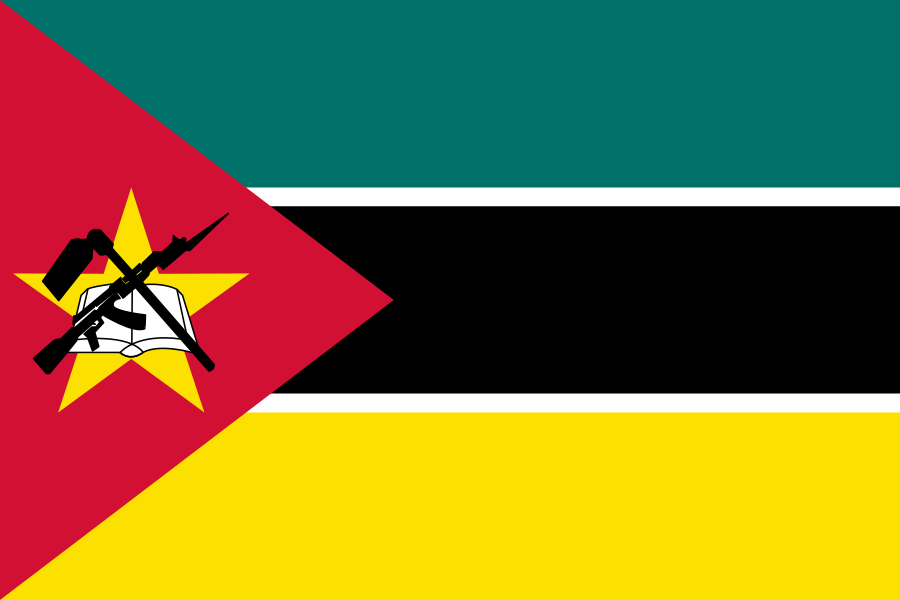
Mozambique, officially the Republic of Mozambique, is a country located in Southeast Africa, bordered by the Indian Ocean to the east, Tanzania to the north, Malawi and Zambia to the northwest, Zimbabwe to the west, and Eswatini (Swaziland) and South Africa to the southwest. The country has a rich and complex history shaped by indigenous cultures, European colonization, and post-independence challenges.

Early History

The region now known as Mozambique has been inhabited for thousands of years, initially by various Bantu-speaking peoples who migrated from the north and west. These groups established several small kingdoms and chieftaincies, developing agriculture, fishing, and trade.

Arrival of the Arabs and Swahili Influence

From the 7th century onwards, Arab traders began to visit the Mozambican coast, establishing trade routes and settlements along the Indian Ocean. The Swahili culture, a mix of African and Arab influences, emerged along the coast, particularly in cities like Sofala and Mozambique Island, which became significant trading posts.

Portuguese Colonization

In the late 15th century, Portuguese explorers arrived in the region. Vasco da Gama first reached Mozambique in 1498 during his voyage to India. By the early 16th century, the Portuguese had established a foothold, constructing forts and trading posts. Mozambique Island became a central hub for the Portuguese, acting as a key point for the trade of gold, ivory, and slaves.

Colonial Rule

Over the centuries, Portuguese influence expanded inland, though control was often limited to coastal areas. The Portuguese faced resistance from local rulers and the effects of regional conflicts. Mozambique was part of the Portuguese colonial empire for several centuries, with limited infrastructure development and significant social and economic inequalities.

Struggle for Independence

The mid-20th century saw the rise of nationalist movements across Africa. In Mozambique, the Frente de Libertação de Moçambique (FRELIMO), led by figures like Eduardo Mondlane and later Samora Machel, emerged as the primary independence movement. A guerrilla war against Portuguese rule began in 1964, part of a larger wave of decolonization in Africa.

Independence and Civil War

Mozambique gained independence on June 25, 1975, with FRELIMO taking control of the government. Samora Machel became the first president, pursuing socialist policies. However, the country soon plunged into a brutal civil war between FRELIMO and the Resistência Nacional Moçambicana (RENAMO), a rebel group supported by Rhodesia and apartheid South Africa. The conflict, which lasted from 1977 to 1992, devastated the country, resulting in a humanitarian crisis and significant loss of life.

Peace and Reconstruction

A peace agreement was signed in 1992, and Mozambique transitioned to a multi-party democracy. The first multi-party elections were held in 1994, with FRELIMO winning. Joaquim Chissano, who succeeded Machel after his death in a 1986 plane crash, continued as president until 2005.

Economic Growth and Challenges

Since the end of the civil war, Mozambique has experienced periods of economic growth, driven by investments in natural resources like coal and natural gas. However, the country faces ongoing challenges, including poverty, corruption, and occasional political unrest. Infrastructure development and social services remain priorities for the government.

Important Landmarks

  • Mozambique Island: A UNESCO World Heritage site, the island features colonial-era buildings, mosques, and a rich history as a Portuguese trading post.
  • Fort São Sebastião: Located on Mozambique Island, it is the oldest complete fort still standing south of the equator, dating back to the 16th century.
  • Cahora Bassa Dam: One of Africa's largest hydroelectric projects, located on the Zambezi River.
  • Gorongosa National Park: A major conservation area with diverse wildlife and ecosystems, known for its restoration efforts after the civil war.

Recent Developments

Mozambique continues to navigate its post-independence path, focusing on economic development and reconciliation. The discovery of significant offshore gas reserves has the potential to transform the economy but also presents challenges related to resource management and equitable distribution of wealth. The country remains a vibrant mix of cultures, languages, and histories, reflecting its complex past and dynamic future.