

Morelos
State · Mexico

Morelos

Morelos, Mexico

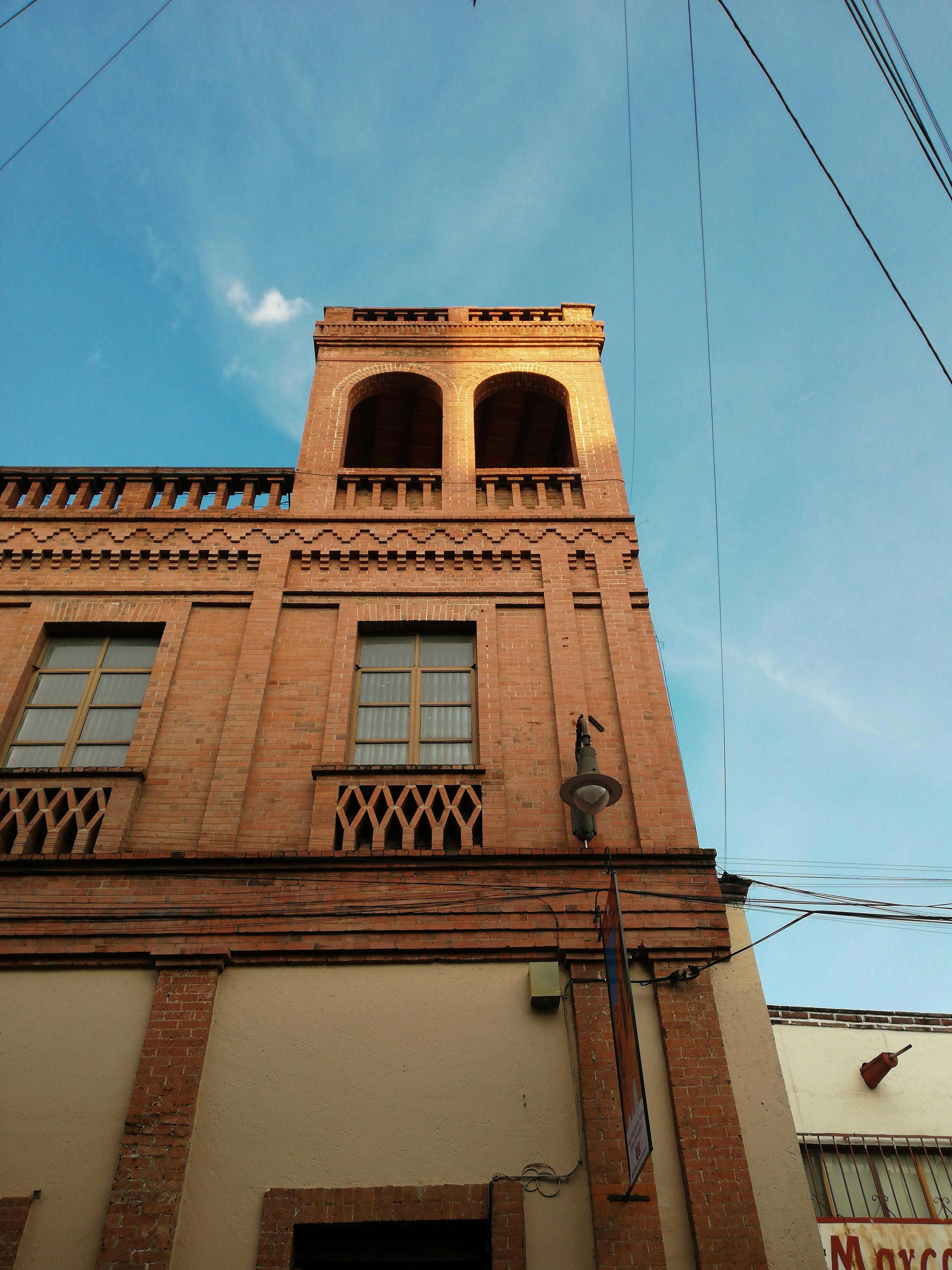
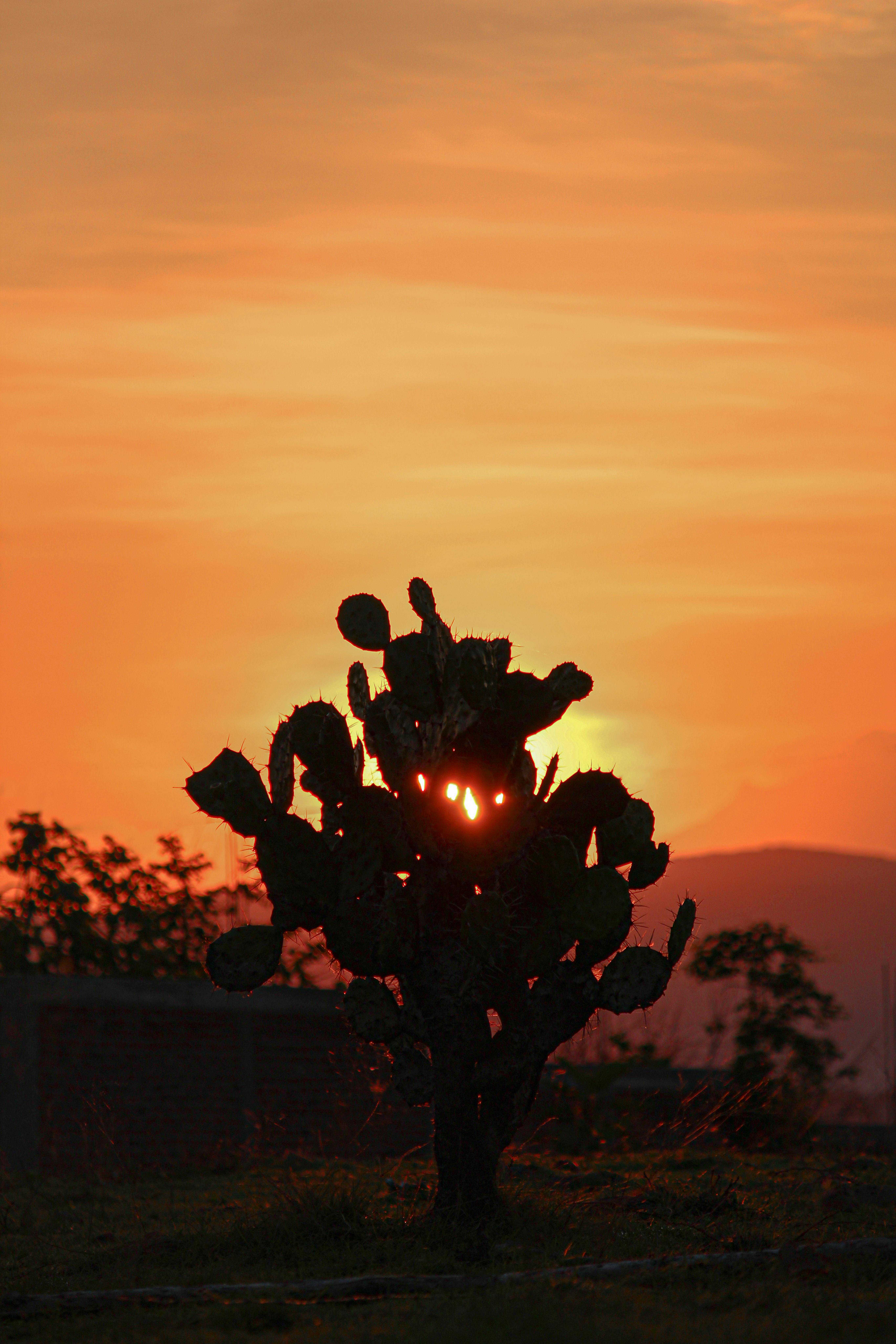
Escape to Morelos: Where History Meets Nature in a Tapestry of Color Just a stone's throw south of Mexico City lies Morelos, a vibrant state brimming…

#Morelos#Mexico#Central Mexico#Historic sites#Cultural attractions

Explore Morelos

Top cities in Morelos

Pick a city to open its guide.

See it for yourself

Location videos

Reels and longer watches.

Featured for Morelos

Traveller clips picked out for this place.

Watch & explore

Good to know

Practical info

Weather, costs and getting around.

Morelos, Mexico Open in Google Maps
Currency
$ | MXN | Mexican Peso
Population
2 million
Languages
Spanish mainly · Nahuan, Mixteco, Tlapaneco
Also known as
Cuernavaca, Tierra de Zapata, Estado de Morelos

Know before you go

Local guide

A deeper read on Morelos.

What people love

Morelos, Mexico is a beautiful destination with a lot to offer travelers. Here are some of the pros of traveling to Morelos:

  1. Natural Beauty: Morelos is known for its stunning natural landscapes, including lush forests, mountains, and beautiful rivers. Visitors can enjoy activities such as hiking, biking, and birdwatching in the region's many parks and natural reserves.

  2. Cultural Heritage: Morelos has a rich cultural heritage, with many historic sites and museums to explore. Visitors can learn about the region's history, including its role in the Mexican Revolution, by visiting sites such as the Palacio de Cortes and the Cuernavaca Cathedral.

  3. Thermal Springs: Morelos is home to several thermal springs, where visitors can relax and unwind in the healing waters. These springs are said to have various health benefits and are a popular attraction for tourists seeking relaxation and rejuvenation.

  4. Culinary Delights: Morelos is known for its delicious cuisine, which features a mix of traditional Mexican dishes and local specialties. Visitors can enjoy trying dishes such as mole poblano, chiles en nogada, and cecina, as well as sampling local produce at the region's markets.

  5. Accessibility: Morelos is conveniently located near Mexico City, making it an easy destination to reach for both domestic and international travelers. The region is well-connected by road and public transportation, making it easy to explore all that Morelos has to offer.

Overall, Morelos is a fantastic destination for travelers looking to experience the beauty, culture, and cuisine of Mexico.

What to know

Morelos, Mexico is a beautiful destination with many attractions, but like any travel destination, it also has some cons. Here are some potential drawbacks of traveling to Morelos:

  1. Safety concerns: Morelos has experienced some instances of crime, including theft and petty crimes. It is important to stay vigilant and take necessary precautions to ensure your safety while traveling in Morelos.

  2. Traffic congestion: Like many popular tourist destinations, Morelos can experience heavy traffic, especially during peak holiday seasons. This can lead to delays and frustration for travelers trying to get around the area.

  3. Limited public transportation options: Morelos may not have as developed public transportation system as some other tourist destinations, making it more challenging to get around without a car. This could limit your mobility and make it more difficult to explore the area.

  4. Language barrier: While many people in Morelos may speak some English, the primary language is Spanish. If you do not speak Spanish, you may encounter communication challenges while traveling in Morelos.

  5. Limited tourist infrastructure: Morelos may not have as many tourist facilities and amenities as other popular destinations in Mexico. This could impact the overall travel experience, especially for those who are used to more developed tourist infrastructure.

It is always a good idea to research and understand the potential drawbacks of a destination before traveling there to ensure a safe and enjoyable trip.

Morelos is a state in south-central Mexico, named after José María Morelos y Pavón, a key figure in the Mexican War of Independence. It is bordered by the states of Mexico, Puebla, and Guerrero. Morelos is one of the smallest states in Mexico but is rich in history and cultural heritage.

Pre-Colonial and Colonial History

  • Pre-Colonial Period: Before the arrival of the Spanish, the region that is now Morelos was inhabited by various indigenous groups, including the Tlahuicas and Xochimilcas, who were part of the larger Aztec Empire. They built city-states such as Cuauhnáhuac (now Cuernavaca) and Xochicalco, which was an important ceremonial center.
  • Spanish Conquest: The Spanish, led by Hernán Cortés, conquered the area in the early 16th century. Cuernavaca became an important colonial town, and Cortés built a palace there, which still stands today as a museum.

Independence and 19th Century

  • José María Morelos: The state is named after José María Morelos y Pavón, a Catholic priest who became one of the most important leaders in the Mexican War of Independence. He led several successful campaigns against Spanish forces and was instrumental in drafting the Sentiments of the Nation, a key document advocating for Mexican independence.
  • Post-Independence: After Mexican independence in 1821, Morelos was part of the State of Mexico. It became a separate federal state in 1869.

20th Century and Revolution

  • Mexican Revolution: Morelos was a central stage for the Mexican Revolution (1910-1920), particularly under the leadership of Emiliano Zapata. Zapata was a revolutionary leader from Morelos who fought for land reforms and the rights of the peasants. His Plan of Ayala called for the redistribution of land and was a guiding document for agrarian reform in Mexico.
  • Post-Revolution: The post-revolution period saw significant land reforms in Morelos, aligning with Zapata's vision.

Landmarks and Cultural Heritage

  • Cuernavaca: Known as the "City of Eternal Spring," Cuernavaca is the capital of Morelos and a popular destination due to its pleasant climate and historical sites. Key landmarks include the Palace of Cortés and the Cuernavaca Cathedral, which is part of the UNESCO World Heritage Site of the Earliest 16th-Century Monasteries on the Slopes of Popocatépetl.
  • Xochicalco: This pre-Columbian archaeological site is another UNESCO World Heritage Site, known for its well-preserved ruins and intricate carvings.
  • Tepoztlán: Famous for its vibrant cultural scene and the Tepozteco Pyramid, a small temple built on a mountain top dedicated to the Aztec god Tepoztecatl.

Modern Era

  • Economic Development: Today, Morelos has a diverse economy, with agriculture, industry, and tourism being key sectors. The state is known for its production of sugarcane, cereals, and tropical fruits.
  • Education and Research: Morelos is home to various educational and research institutions, including the National Institute of Electricity and Clean Energies (INEEL) and the Center for Research in Engineering and Applied Sciences (CIICAp).

Morelos continues to be a region of cultural richness, historical significance, and natural beauty, attracting visitors from around the world.