Mongolia
· MN

Mongolia

Mongolia

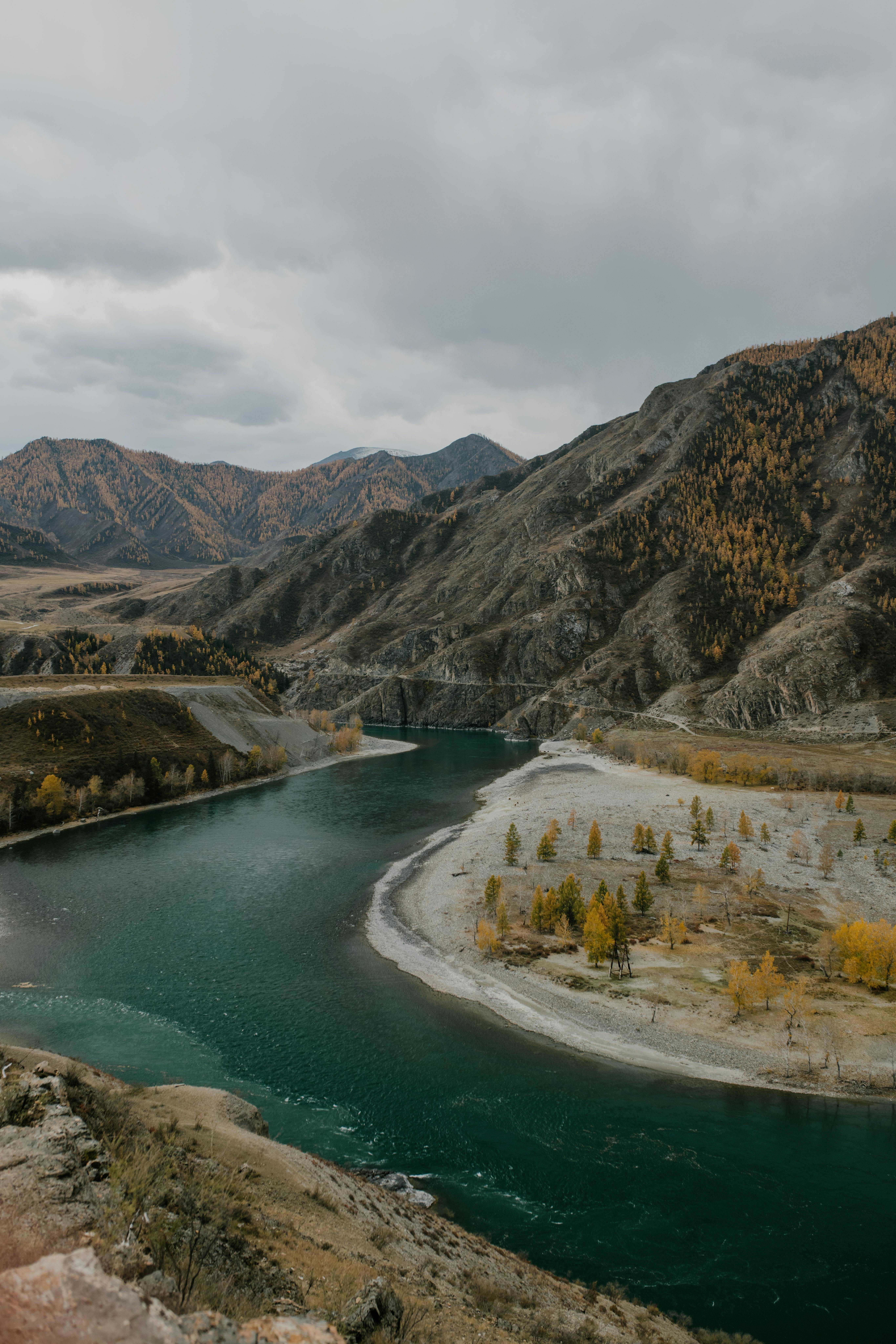
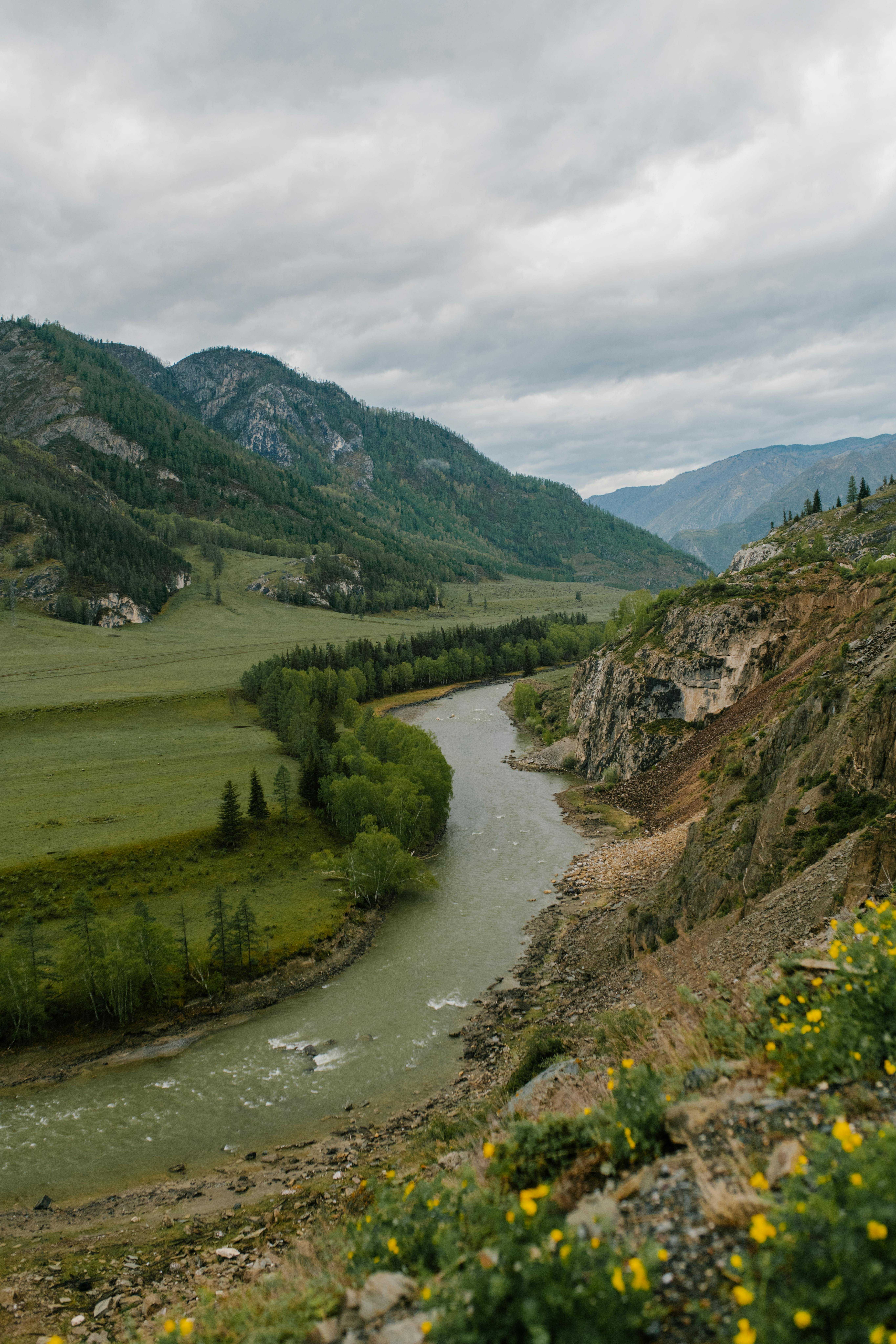
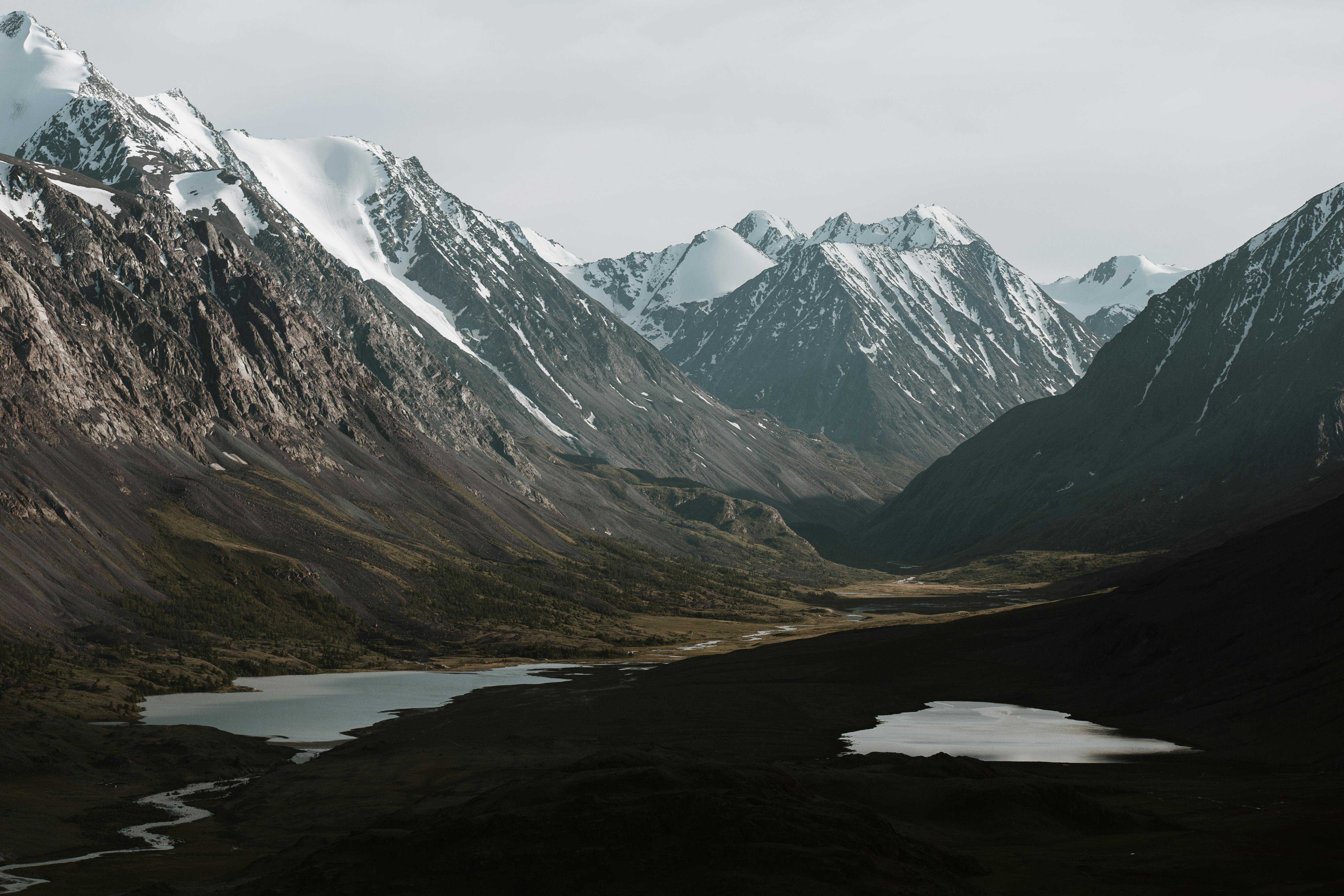
Escape the Ordinary: Discover the Magic of Mongolia Imagine a land where vast, windswept steppes stretch as far as the eye can see, punctuated by towering mountains and sparkling lakes. A place where nomadic traditions …

#Asia#Nomadic culture#Gobi Desert#Steppe landscape#Yurt dwelling
1/9

Top hotels & flights

Hand-picked stays and the best fares into Mongolia.

Top Hotels in Ulaanbaatar

Top Flights to Ulaanbaatar

Popular activities

Tours, tickets and experiences travelers book most in Mongolia.

Tours

Historic Ulaanbaatar Tour

Discover the capital city's rich history with visits to museums and landmarks.

Naadam Festival Experience

Join Mongolia's biggest festival featuring traditional sports such as wrestling, horse racing, and archery.

Shopping

Shopping in Ulaanbaatar

Explore the vibrant shopping scene in Mongolia's capital.

Outdoor

Explore the Gobi Desert

Discover the vast landscapes and unique wildlife of the Gobi Desert.

Location videos

Real reels from travelers, plus longer watches to get the full picture.

From travelers
Watch & explore

Practical info

The essentials for planning your time in Mongolia.

Currency
₮ | MNT | Mongolian Tögrög
Population
3.4 million
Languages
Mongolian, Turkish, Russian
Average weather
Mongolia
Jan
cold
-16°-26°
Feb
cold
-12°-24°
Mar
cold
-2°-15°
Apr
clear
8°-5°
May
clear
16°2°
Jun
sun
22°8°
Jul
sun
25°12°
Aug
sun
23°11°
Sep
clear
17°4°
Oct
clear
8°-3°
Nov
cold
-5°-15°
Dec
cold
-13°-23°

Local guide

What travelers love, what to watch for, and a deeper read on Mongolia.

What people love

Mongolia is a unique and fascinating travel destination with several pros for visitors. Here are some detailed pros of traveling to Mongolia:

  1. Stunning Scenery: Mongolia is known for its vast and diverse landscapes, including the Gobi Desert, lush grasslands, snow-capped mountains, and crystal-clear lakes. Travelers can experience breathtaking views and immerse themselves in the beauty of nature.

  2. Nomadic Culture: Mongolia has a rich nomadic culture that has been preserved for centuries. Visitors have the opportunity to stay in traditional ger camps, interact with nomadic families, learn about their way of life, and participate in cultural activities such as horseback riding, archery, and attending traditional festivals.

  3. Adventure Opportunities: Mongolia offers a wide range of adventurous activities for thrill-seekers, including trekking, horse riding, camel riding, and camping under the stars. The country's remote and untouched wilderness provides a perfect playground for outdoor enthusiasts.

  4. Wildlife Watching: Mongolia is home to a diverse range of wildlife, including the elusive snow leopard, wild horses, ibex, gazelles, and migratory birds. Travelers can go on wildlife safaris, birdwatching tours, and visit national parks to observe and photograph these fascinating creatures in their natural habitats.

  5. Cultural Heritage: Mongolia has a rich history and cultural heritage that is evident in its ancient monasteries, Buddhist temples, and archaeological sites. Visitors can explore the country's historical landmarks, museums, and UNESCO World Heritage Sites to learn about Mongolia's past and traditions.

  6. Warm Hospitality: Mongolians are known for their warm hospitality and welcoming nature towards visitors. Travelers can experience the genuine kindness and friendliness of the locals, who are always eager to share their customs, food, and stories with guests.

Overall, traveling to Mongolia offers a unique blend of nature, culture, adventure, and authenticity that can create unforgettable memories for visitors.

What to know

Some potential cons of traveling to Mongolia include:

  1. Harsh weather conditions: Mongolia experiences extreme weather conditions, with very cold winters and hot summers. Travelers need to be prepared for fluctuating temperatures and be aware of potential health risks associated with such weather extremes.

  2. Limited infrastructure: Outside of the capital city, Ulaanbaatar, infrastructure in Mongolia can be limited, with poor road conditions and limited access to modern amenities. This can make travel within the country challenging and time-consuming.

  3. Language barrier: Mongolian is the official language in Mongolia, and while English is spoken in some tourist areas, communication can still be difficult in more remote areas. Learning some basic Mongolian phrases can be helpful for travelers.

  4. Remote locations: Mongolia is a vast and sparsely populated country, with many attractions and destinations located in remote areas. Travelers should be prepared for long journeys and limited access to services such as medical facilities and accommodations.

  5. Cultural differences: Mongolia has a unique culture and customs that may be unfamiliar to some travelers. It's important to respect local traditions and norms while visiting the country.

Please note that these are general considerations and individual experiences may vary. It's always a good idea to research further and consult with travel experts for more specific information tailored to your needs.

Mongolia, a landlocked country in East Asia, has a rich and varied history that spans thousands of years. Here is a detailed overview of its history, significant events, historical figures, and important landmarks:

Ancient History

  • Prehistoric Era: Human habitation in what is now Mongolia dates back to the Stone Age. Archaeological findings, including petroglyphs and stone tools, indicate a long history of human presence.
  • Xiongnu Empire (209 BC - 93 AD): The Xiongnu were a confederation of nomadic tribes who lived on the steppes of Central Asia. They posed a significant threat to the Han Dynasty of China, leading to the construction of the Great Wall for protection.

Middle Ages

  • Mongol Empire (1206 - 1368): The most significant period in Mongolian history began with the rise of Genghis Khan in 1206, who united the Mongolian tribes and established the Mongol Empire. It became the largest contiguous empire in history, stretching from Europe to Asia.
    • Genghis Khan (1162 - 1227): Born as Temüjin, he is one of the most famous conquerors in history. Under his leadership, the Mongol Empire expanded rapidly.
    • Kublai Khan (1215 - 1294): A grandson of Genghis Khan, he founded the Yuan Dynasty in China and made Beijing its capital, further extending Mongolian influence.

Post-Mongol Empire

  • Disintegration and Yuan Dynasty Fall (1368): The Yuan Dynasty was overthrown by the Ming Dynasty in China, leading to the decline of Mongol power.
  • Northern Yuan (1368 - 1635): After the fall of the Yuan Dynasty, the Mongols retreated to Mongolia. This period saw internal strife and the eventual division of Mongol territories.

Modern History

  • Manchu Rule (1691 - 1911): Mongolia came under the rule of the Qing Dynasty (Manchu) in China. This period was marked by a loss of autonomy but retained traditional Mongolian culture.
  • Independence Movement (1911): With the fall of the Qing Dynasty, Mongolia declared independence. However, it struggled to maintain autonomy due to pressure from both China and Russia.
  • Mongolian People's Republic (1924 - 1992): Mongolia became a socialist state under the influence of the Soviet Union. This period saw significant political and economic changes, including collectivization and industrialization.

Contemporary Mongolia

  • Democratic Revolution (1990): Mongolia transitioned from a single-party socialist state to a multi-party democracy. The first democratic elections were held in 1992.
  • Modern Developments: Today, Mongolia is a democratic nation with significant economic growth driven by mining and natural resources.

Significant Landmarks

  • Erdene Zuu Monastery: Built in 1585, it is one of the earliest surviving Buddhist monasteries in Mongolia.
  • Gandan Monastery: A major center for Mongolian Buddhism, located in the capital, Ulaanbaatar.
  • Genghis Khan Statue Complex: A massive equestrian statue of Genghis Khan located near Ulaanbaatar, symbolizing his historical significance.

Cultural Heritage

  • Naadam Festival: A traditional festival featuring "Three Manly Games": wrestling, horse racing, and archery, reflecting Mongolia's nomadic culture.
  • Traditional Ger Dwellings: The ger, or yurt, is a symbol of Mongolian nomadic life and architecture.

Mongolia's history is a testament to its resilience and adaptability, with a vibrant culture that continues to thrive alongside modern advancements.