Moldova
· MD

Moldova

Moldova

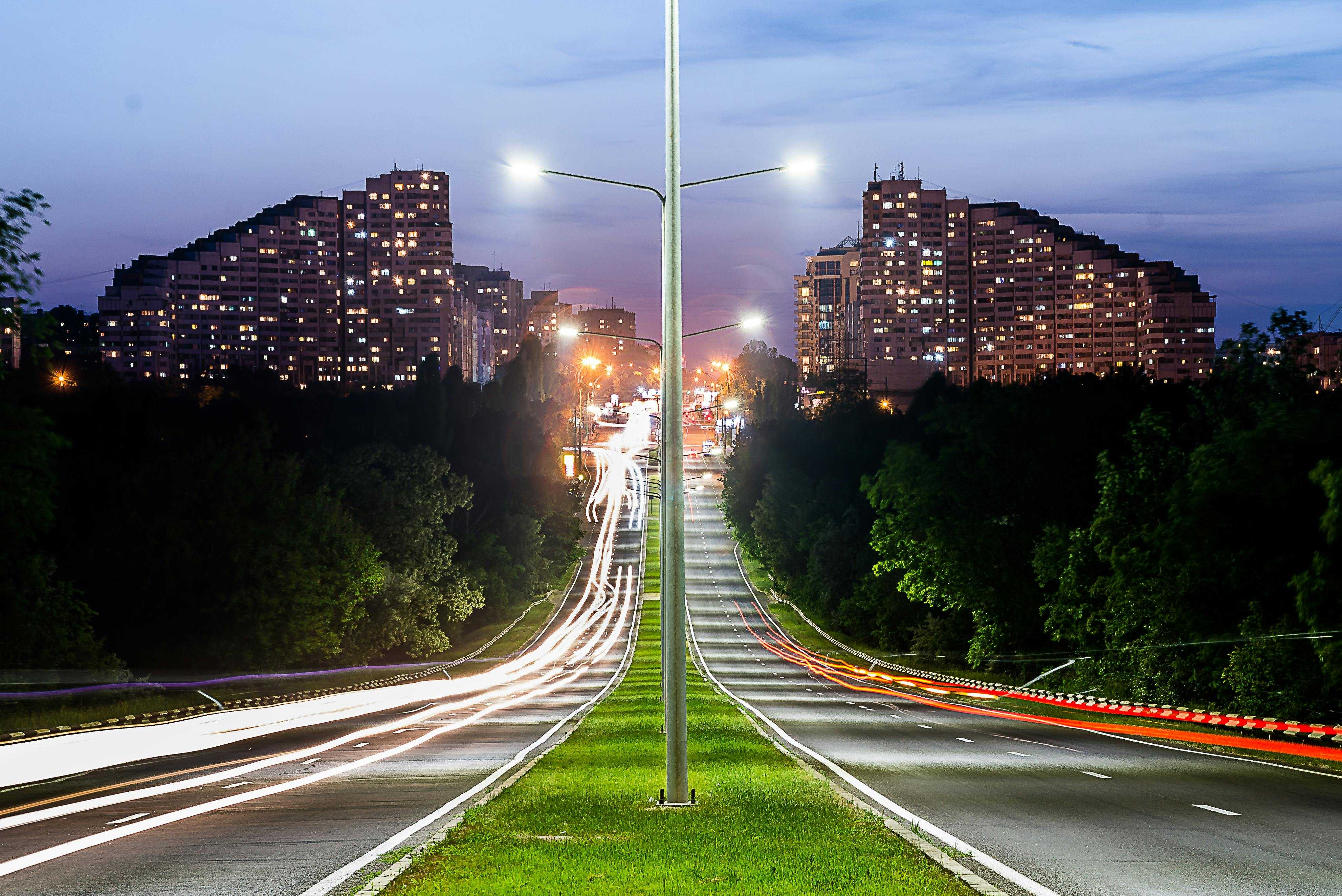
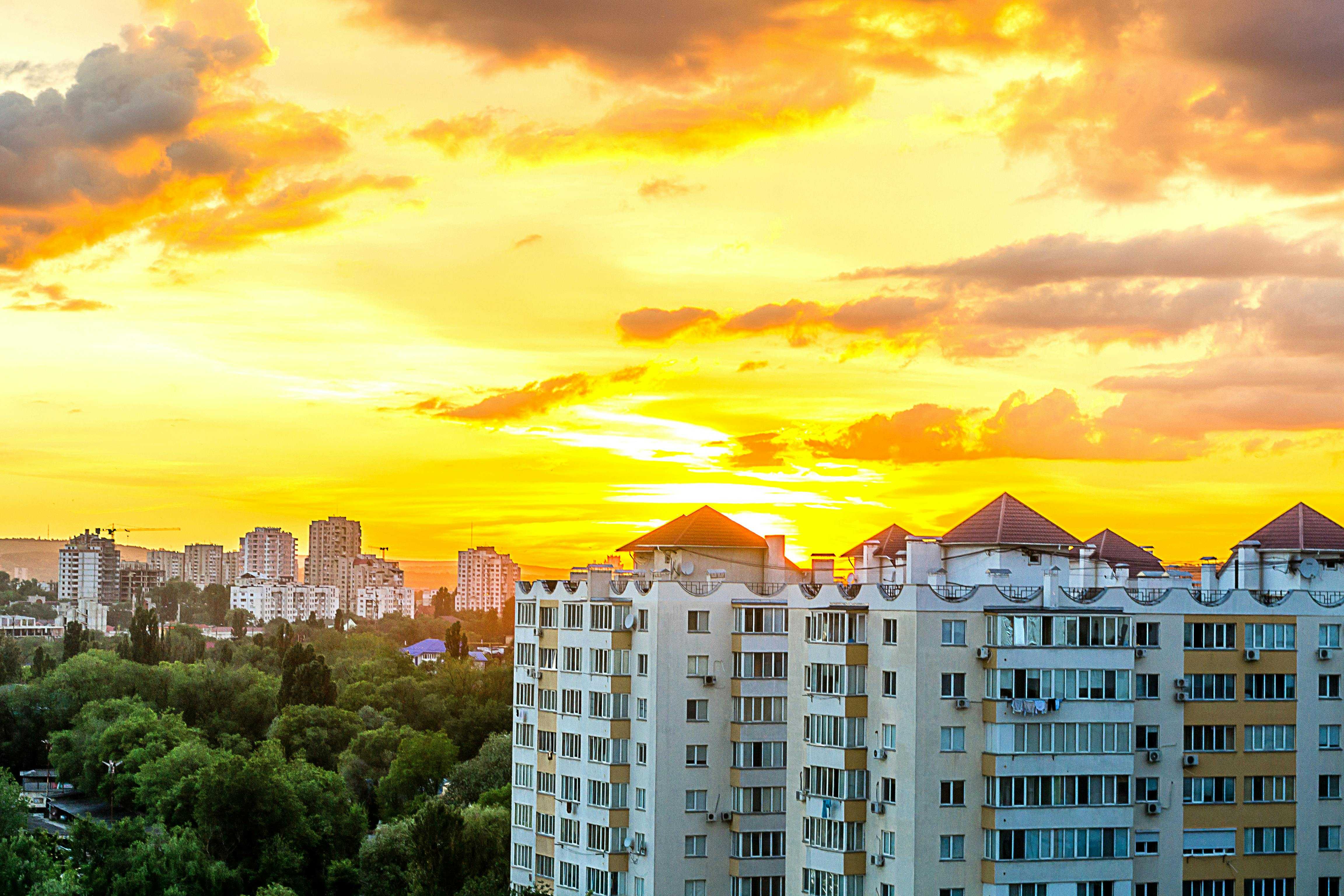
Discover Moldova: Europe's Best-Kept Secret Tucked away in Southeastern Europe, Moldova is a land of rolling hills, sun-drenched vineyards, and ancient monasteries, waiting to be explored. Often called "Europe's best-kep…

#Eastern Europe#Wine country#Chisinau#Former Soviet republic#Cultural diversity
1/8

Top hotels & flights

Hand-picked stays and the best fares into Moldova.

Top Hotels in Chisinau

Top Flights to Chisinau

Popular activities

Tours, tickets and experiences travelers book most in Moldova.

Tours

Old Orhei Archeological Complex

An open-air museum showcasing Moldova's rich history and culture, featuring ruins of ancient fortresses and monasteries.

Shopping

Piata Centrala Market

The bustling central market of Chisinau, offering everything from fresh produce to local crafts.

Outdoor

Chisinau Botanical Garden

Escape into nature with over 80 hectares of diverse botanical exhibits and scenic landscapes.

Location videos

Real reels from travelers, plus longer watches to get the full picture.

From travelers
Watch & explore

Practical info

The essentials for planning your time in Moldova.

Currency
L | MDL | Moldovan Leu
Population
2.6 million
Languages
Moldovan, Russian, Ukrainian, Gagauz, Bulgarian
Average weather
Moldova
Jan
snow
-1°-6°
Feb
snow
1°-5°
Mar
cloud
7°-1°
Apr
rain
15°5°
May
rain
21°10°
Jun
sun
25°14°
Jul
hot
28°16°
Aug
hot
28°15°
Sep
clear
23°11°
Oct
cloud
15°6°
Nov
rain
7°1°
Dec
snow
2°-3°

Local guide

What travelers love, what to watch for, and a deeper read on Moldova.

What people love

Moldova is a small country located in Eastern Europe, known for its picturesque countryside, rich history, and cultural heritage. Here are some pros of traveling to Moldova:

  1. Wine tourism: Moldova is famous for its wine production, with vineyards spread across the country. Travelers can enjoy wine tastings at local wineries, learn about traditional winemaking techniques, and explore the scenic wine routes of Moldova.

  2. Cultural attractions: Moldova has a rich cultural heritage, with a mix of influences from Romanian, Russian, and other neighboring cultures. Travelers can visit historical sites such as monasteries, fortresses, and museums to learn about the country's history and traditions.

  3. Authentic experiences: Moldova is less touristy compared to other European destinations, offering travelers a chance to experience authentic local culture and hospitality. Visitors can interact with friendly locals, sample traditional cuisine, and participate in cultural events and festivals.

  4. Affordable travel destination: Moldova is known for being a budget-friendly travel destination, with lower costs for accommodation, food, and transportation compared to many other European countries. Travelers can explore the country without breaking the bank.

  5. Scenic countryside: Moldova is home to beautiful countryside landscapes, including rolling hills, vineyards, and picturesque villages. Nature enthusiasts can enjoy hiking, cycling, and exploring the rural areas of Moldova to appreciate its natural beauty.

Overall, traveling to Moldova can offer a unique and off-the-beaten-path experience for those looking to explore a lesser-known European destination.

What to know

Some possible cons of traveling to Moldova could include:

  1. Limited tourist infrastructure: Moldova is not as developed for tourism compared to other European countries, so travelers may find limited accommodations, transportation options, and tourist facilities.

  2. Language barrier: The official language of Moldova is Romanian, and while some people may speak English, language barriers could still be a challenge for travelers.

  3. Safety concerns: While Moldova is generally considered safe for travelers, there may be some areas with higher crime rates or safety issues that tourists should be aware of.

  4. Political instability: Moldova has experienced political instability and tensions in the past, which could potentially impact travelers' experiences.

  5. Limited attractions: Moldova may not have as many well-known tourist attractions compared to other European countries, which could be a drawback for some travelers looking for more things to see and do.

It's important to note that these are general cons that some travelers may experience, and individual experiences may vary. It's always a good idea to research thoroughly and consider your own preferences and priorities before traveling to any destination.

Moldova, officially the Republic of Moldova, is a landlocked country in Eastern Europe, bordered by Romania to the west and Ukraine to the north, east, and south. Its history is rich and complex, influenced by various empires and cultures over the centuries.

Ancient and Medieval Periods

  • Prehistory and Antiquity: The region now known as Moldova has been inhabited since the Stone Age. During antiquity, it was part of Dacia, which was later conquered by the Roman Empire.
  • Middle Ages: In the 14th century, the Principality of Moldavia was established, a medieval state that included parts of present-day Moldova and Romania. It was founded by Dragoș, a voivode from Maramureș, and further developed under rulers like Bogdan I and Stephen the Great (Ștefan cel Mare), who ruled from 1457 to 1504. Stephen is particularly celebrated for his defense against the Ottoman Empire and is a national hero in both Moldova and Romania.

Ottoman and Russian Influence

  • 16th to 18th Centuries: Moldavia became a vassal state of the Ottoman Empire, though it retained a degree of autonomy. The region was frequently contested between the Ottomans, the Polish-Lithuanian Commonwealth, and Russia.
  • 18th to 19th Centuries: In 1812, following the Russo-Turkish War, the eastern part of Moldavia, known as Bessarabia, was annexed by the Russian Empire.

20th Century

  • World War I and Greater Romania: After World War I, in 1918, Bessarabia declared independence from Russia and voted to unite with the Kingdom of Romania. This union was recognized by the major Allied powers, but not by Soviet Russia.
  • World War II: In 1940, following the Molotov-Ribbentrop Pact, the Soviet Union occupied Bessarabia, creating the Moldavian Soviet Socialist Republic. Romania briefly regained control during World War II before the USSR reoccupied it in 1944.
  • Soviet Era: Under Soviet rule, Moldova underwent significant industrialization, though it also experienced repression, forced collectivization, and Russification.

Independence and Modern Era

  • Independence: With the decline of the Soviet Union, Moldova declared independence on August 27, 1991. This period was marked by economic difficulties and the Transnistrian conflict, as the region of Transnistria declared independence from Moldova, leading to a brief war in 1992.
  • Post-Soviet Challenges: Moldova has faced numerous challenges, including political instability, economic struggles, and corruption. It has pursued closer ties with the European Union while balancing relations with Russia.

Important Landmarks

  • Orheiul Vechi: An archaeological complex and historical site that includes ancient fortresses, monasteries, and churches carved into limestone cliffs.
  • Soroca Fortress: A historic fortress built in the 15th century by Stephen the Great, located along the Dniester River.
  • Mănăstirea Căpriana: One of Moldova's oldest monasteries, dating back to the 15th century, and a symbol of Moldovan cultural and religious heritage.

Historical Figures

  • Stephen the Great (Ștefan cel Mare): A revered ruler known for his military victories and contributions to Moldavian culture and Orthodox Christianity.
  • Dimitrie Cantemir: A notable Moldavian prince and scholar of the late 17th and early 18th centuries, known for his works on Moldavian history and culture.

Moldova continues to navigate its path between East and West, with ongoing efforts to address internal challenges and strengthen its national identity.