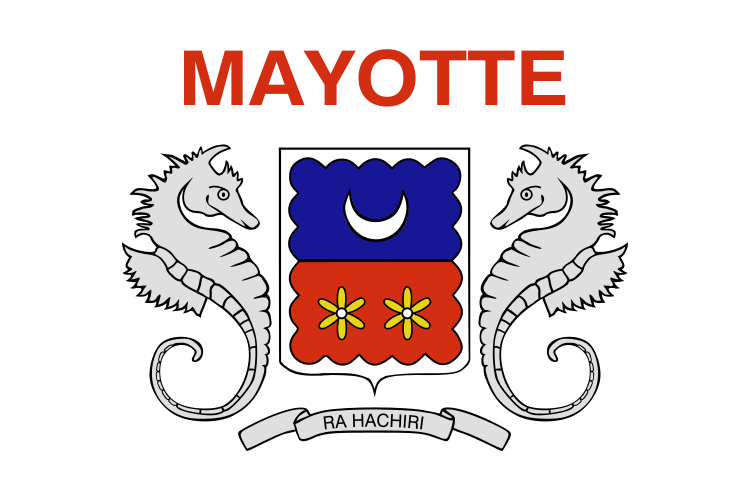
Mayotte
· YT

Mayotte

Mayotte

Mayotte: Where France Kisses the Indian Ocean Escape to Mayotte, a dazzling jewel in the Indian Ocean and a unique overseas department of France. Tucked away between Madagascar and Mozambique, this archipelago offers an …

#French overseas department#Indian Ocean#Comoros Archipelago#Volcanic island#Biodiversity hotspot
1/6

Top hotels & flights

Hand-picked stays and the best fares into Mayotte.

Top Hotels in Mamoudzou

Top Flights to Mamoudzou

Popular activities

Tours, tickets and experiences travelers book most in Mayotte.

Tours

Dziani Dzaha Crater Lake

Visit the sacred crater lake on Petite-Terre, Dziani Dzaha, and enjoy a scenic walk around the unique emerald-green water, surrounded by lush flora.

Shopping

Explore Mamoudzou Market

Dive into the vibrant local culture by visiting Mamoudzou Market, where you can find fresh produce, spices, handicrafts, and more. It's a perfect spot to experience the daily life of Mayotte's people.

Outdoor

Mount Choungui Hike

Climb to the summit of Mount Choungui, Mayotte’s second-highest peak, for breathtaking views and an exhilarating outdoor experience.

Dive in the Lagoon

Experience the vibrant underwater life of Mayotte by diving in its pristine lagoon. The clear water and diverse marine species make it a diver's paradise.

Location videos

Real reels from travelers, plus longer watches to get the full picture.

From travelers
Watch & explore

Practical info

The essentials for planning your time in Mayotte.

Currency
€ | EUR | Euro
Population
The approximate estimated total population of Mayotte is '0.3 million'.
Languages
French, Kibushi, Shimaore, Malagasy
Average weather
Mayotte
Jan
rain
30°24°
Feb
rain
30°24°
Mar
rain
30°24°
Apr
rain
29°24°
May
rain
29°23°
Jun
clear
28°22°
Jul
clear
28°22°
Aug
clear
28°22°
Sep
clear
29°22°
Oct
clear
29°23°
Nov
rain
30°23°
Dec
rain
30°24°

Local guide

What travelers love, what to watch for, and a deeper read on Mayotte.

What people love

Mayotte is an overseas department and region of France located in the Indian Ocean. Traveling to Mayotte has several pros, including:

  1. Unique Culture: Mayotte has a rich cultural heritage influenced by African, Malagasy, and French traditions. Visitors can experience a unique blend of cultures through music, dance, cuisine, and local crafts.

  2. Stunning Beaches: Mayotte is known for its pristine beaches with crystal-clear waters and white sandy shores. Visitors can relax on the beach, snorkel, scuba dive, or engage in water sports activities.

  3. Breathtaking Marine Life: Mayotte is surrounded by a rich marine ecosystem with coral reefs and diverse marine species. Snorkeling and diving in the lagoon offer the opportunity to encounter colorful fish, sea turtles, dolphins, and even whales in season.

  4. Natural Beauty: Mayotte boasts lush green landscapes, volcanic mountains, and picturesque waterfalls. Nature lovers can explore the island's natural beauty through hiking trails, bird watching, and visiting nature reserves.

  5. Authentic Island Experience: Mayotte offers a more off-the-beaten-path travel experience compared to other popular tourist destinations. Visitors can immerse themselves in the local way of life, interact with friendly locals, and enjoy a peaceful and laid-back atmosphere.

Overall, traveling to Mayotte offers a unique opportunity to explore a lesser-known destination with a vibrant culture, stunning natural beauty, and diverse marine life.

(Note: Information provided is based on general knowledge and may be subject to change. It's recommended to check the latest travel advisories and guidelines before planning a trip to Mayotte.)

What to know

Mayotte is a French overseas department located in the Indian Ocean. While Mayotte offers beautiful landscapes, rich culture, and unique biodiversity, there are some drawbacks to traveling to this destination. Some of the cons of traveling to Mayotte include:

  1. High cost of living: Mayotte is known for having a high cost of living, which can make it an expensive destination for travelers. Accommodation, food, and transportation expenses can be higher compared to other destinations.

  2. Limited infrastructure: Mayotte is a relatively small island with limited infrastructure, especially in terms of public transportation and healthcare facilities. This can make it challenging for travelers, especially those who are accustomed to more developed destinations.

  3. Language barrier: The official language of Mayotte is French, and while some locals may speak other languages, communication can be a challenge for travelers who do not speak French.

  4. Safety concerns: Mayotte has been known to have some safety concerns, particularly in terms of petty crime such as theft and pickpocketing. Travelers are advised to take precautions and be vigilant when exploring the island.

  5. Limited tourist amenities: Mayotte is not as developed for tourism compared to other destinations, so travelers may find limited tourist amenities such as restaurants, shops, and entertainment options.

Overall, while Mayotte has its unique charm and attractions, travelers should be aware of these potential drawbacks before planning a trip to the island.

Early History

Mayotte, an island in the Indian Ocean, has a rich and diverse history influenced by various cultures and powers. Its early history is not well-documented, but it is believed that the first inhabitants were Austronesian-speaking people who arrived from Southeast Asia. They were followed by Bantu-speaking people from mainland Africa.

Arab and Swahili Influence

From around the 9th century, Arab and Persian traders began to visit the Comoros, including Mayotte. This led to the spread of Islam and the Swahili culture in the region. The island became part of a trade network that included the Swahili Coast, Madagascar, and the Middle East.

European Contact and Colonial Era

In the 16th century, Portuguese explorers were among the first Europeans to visit the island, although they did not establish any permanent settlements. The French first claimed Mayotte in 1841 when Admiral Pierre Passot signed a treaty with the local sultan. By 1843, Mayotte was formally ceded to France, becoming a French colony.

20th Century Developments

During the colonial period, Mayotte was administratively part of the Comoros archipelago. In 1946, Comoros, including Mayotte, became a French overseas territory. However, tensions arose as Comoros sought independence from France.

Independence and Referenda

In 1974, a referendum was held in the Comoros islands on whether to gain independence from France. While the majority of the Comoros voted for independence, Mayotte voted to remain part of France. A second referendum in 1976 confirmed Mayotte's choice to remain French, leading to its continued status as a French territory. This decision led to diplomatic tensions between France and the newly independent Comoros.

21st Century Developments

Mayotte's status evolved over time. In 2001, it became a departmental collectivity of France, with greater autonomy. A pivotal moment came in 2009 when a vast majority of Mayotte's population voted in favor of becoming an overseas department of France. On March 31, 2011, Mayotte officially became France's 101st department and its fifth overseas department.

Modern Mayotte

Today, Mayotte is an integral part of France, using the euro as its currency and being part of the European Union. However, it faces challenges such as high levels of poverty and immigration pressures from neighboring Comoros.

Significant Historical Figures

  • Sultan Andriantsoly: The last independent sultan of Mayotte who ceded the island to France in 1841.
  • Admiral Pierre Passot: The French naval officer who negotiated the treaty with Sultan Andriantsoly for French annexation.

Important Landmarks

  • Dzaoudzi: Once the capital of Mayotte, it is known for its historical significance and colonial architecture.
  • Mount Choungui: A prominent volcanic peak offering panoramic views of the island.
  • The Lagoon of Mayotte: One of the largest enclosed lagoons in the world, rich in marine biodiversity and a key attraction for tourism.

Cultural Influence

Mayotte’s culture is a blend of African, Arab, Malagasy, and French influences, reflected in its language, cuisine, and traditions. The majority of the population is Muslim, and this cultural diversity is celebrated in various festivals and daily life.

Mayotte continues to navigate its unique position as a French territory in a predominantly African and Muslim region, striving for economic development and social progress while maintaining its rich cultural heritage.