


Massachusetts
· US

Massachusetts

Massachusetts, United States

Discover Massachusetts: Where History Meets Innovation Massachusetts beckons you with its charming blend of historic charm and modern energy. Journey through time in Boston, the state capital, where cobblestone streets …

#New England#East Coast#Historic#Education#Cape Cod
1/8

Top hotels & flights

Hand-picked stays and the best fares into Massachusetts.

Top Hotels in Massachusetts

Top Flights to Massachusetts

Practical info

The essentials for planning your time in Massachusetts.

Currency
$ | USD | US Dollar
Population
As of the latest estimates, the approximate population of Massachusetts is 7.0 million.
Languages
English, English

Local guide

What travelers love, what to watch for, and a deeper read on Massachusetts.

What people love

Massachusetts, located in the northeastern region of the United States, offers a diverse range of attractions and experiences for travelers. Here are some of the pros of traveling to Massachusetts:

  1. Rich History: Massachusetts is steeped in history, being one of the original 13 colonies and playing a significant role in the American Revolution. Travelers can explore historic sites such as the Freedom Trail in Boston, Plymouth Rock, and the Salem Witch Trials Memorial.

  2. Cultural Hub: Massachusetts is home to world-class museums, theaters, and cultural institutions. Boston, in particular, has a vibrant arts scene with museums like the Museum of Fine Arts and the Isabella Stewart Gardner Museum.

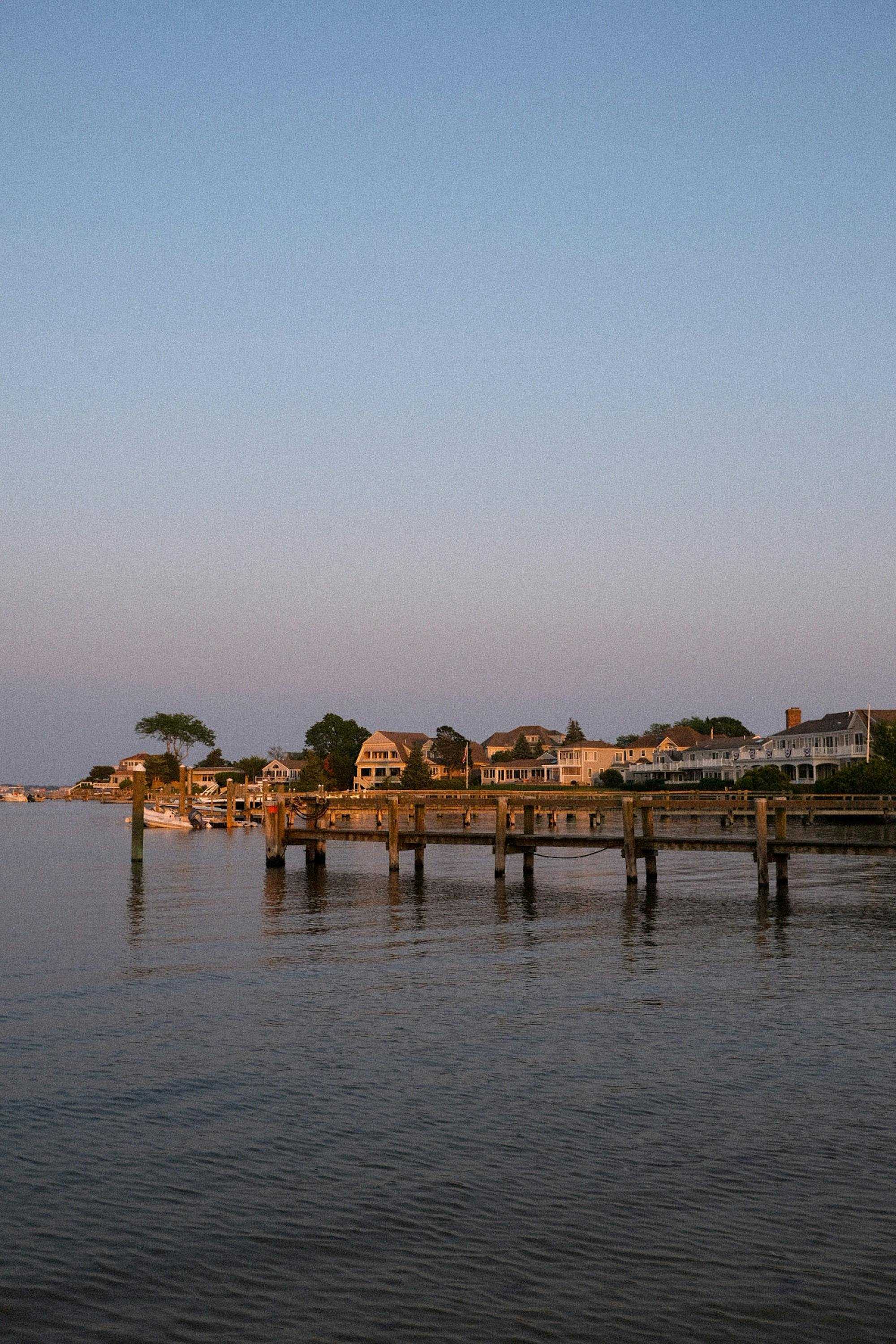
  3. Scenic Beauty: From the picturesque coastal towns of Cape Cod and Martha's Vineyard to the stunning landscapes of the Berkshires, Massachusetts offers a variety of scenic destinations for nature lovers.

  4. Culinary Delights: Massachusetts is known for its diverse food scene, ranging from fresh seafood in coastal towns to farm-to-table dining experiences in the countryside. Don't miss trying local specialties such as clam chowder, lobster rolls, and Boston cream pie.

  5. Outdoor Activities: Whether you enjoy hiking, skiing, or water sports, Massachusetts has something for outdoor enthusiasts. The state offers opportunities for hiking in the White Mountains, skiing in the Berkshires, and kayaking along the Charles River.

  6. Educational Institutions: Massachusetts is home to prestigious universities like Harvard and MIT, making it a hub for academic and intellectual pursuits. Travelers can explore these campuses and attend lectures or events open to the public.

Overall, traveling to Massachusetts offers a blend of history, culture, nature, and culinary experiences that cater to a wide range of interests.

What to know

Traveling to Massachusetts, like any destination, may have its cons. Some potential drawbacks of visiting Massachusetts could include:

  1. High cost of living: Massachusetts has some of the highest living costs in the United States, particularly in cities like Boston and Cambridge. This can make accommodation, dining, and transportation expenses more expensive for travelers.

  2. Traffic congestion: Traffic congestion, especially in metropolitan areas like Boston, can be a significant issue for travelers. Navigating through the city's narrow streets and dealing with rush hour traffic can be frustrating.

  3. Weather variability: Massachusetts experiences all four seasons, which means weather conditions can vary greatly depending on the time of year. Winters can be cold and snowy, while summers can be hot and humid. Visitors should be prepared for unpredictable weather patterns.

  4. Crowded tourist attractions: Popular tourist destinations in Massachusetts, such as Cape Cod, Martha's Vineyard, and Salem, can get crowded during peak travel seasons. Long lines and crowded spaces may detract from the overall experience for some travelers.

  5. Limited public transportation options: While Massachusetts does have a public transportation system, it may not be as extensive or convenient as in other major cities. Renting a car may be necessary to explore certain parts of the state.

These are just a few potential cons of traveling to Massachusetts. Keep in mind that experiences can vary, and what one traveler perceives as a drawback may not be a concern for another.

Massachusetts, one of the original 13 colonies and located in the northeastern United States, has a rich history that has played a significant role in shaping the nation. Here’s a detailed overview of its history, notable figures, and landmarks:

Early History and Colonial Period

  • Native American Tribes: The area now known as Massachusetts was originally inhabited by various Native American tribes, including the Wampanoag, Massachusett, and Nauset.
  • Pilgrims and the Mayflower (1620): In 1620, the Pilgrims, a group of English Puritans, arrived on the Mayflower, landing at Plymouth. They established the Plymouth Colony, one of the first successful English settlements in North America.
  • First Thanksgiving (1621): In 1621, the Pilgrims and the Wampanoag shared a harvest feast, commonly regarded as the first Thanksgiving.

Massachusetts Bay Colony

  • Founding of Boston (1630): The Massachusetts Bay Colony was founded by Puritans led by John Winthrop. Boston, the colony’s capital, quickly became its largest and most influential city.
  • Salem Witch Trials (1692): A series of trials and executions in Salem, Massachusetts, accused people of witchcraft, reflecting the religious and social tensions of the time.

Revolutionary Era

  • Boston Massacre (1770): Tensions between colonists and British soldiers resulted in the Boston Massacre, a deadly confrontation that fueled anti-British sentiments.
  • Boston Tea Party (1773): In protest against British taxation, colonists disguised as Native Americans dumped tea into Boston Harbor, a pivotal event leading to the American Revolution.
  • Battle of Lexington and Concord (1775): These battles marked the beginning of the Revolutionary War, with the first shots known as “the shot heard ‘round the world.”
  • Key Figures:
    • John Adams: A leader in the push for independence, he later became the second President of the United States.
    • Samuel Adams: A political philosopher and one of the Founding Fathers, he was instrumental in organizing the Boston Tea Party.
    • Paul Revere: Famous for his midnight ride warning of British troop movements.

19th Century

  • Industrialization: Massachusetts became a hub of industrial activity, particularly in textiles and manufacturing.
  • Abolition Movement: The state was a center for the abolitionist movement, with figures like William Lloyd Garrison advocating for the end of slavery.
  • Education: Horace Mann, from Massachusetts, was a prominent figure in the development of public education in the United States.

20th Century to Present

  • Kennedy Family: Massachusetts is the birthplace of John F. Kennedy, the 35th President of the United States. The Kennedy family remains one of the most influential political families in American history.
  • Technological and Educational Hub: The state has become a leader in higher education, with institutions like Harvard University and the Massachusetts Institute of Technology (MIT) in Cambridge.
  • Social Movements: During the 20th century, Massachusetts played a role in various social movements, including civil rights and LGBTQ+ rights.

Important Landmarks

  • Freedom Trail: A 2.5-mile path through Boston that includes 16 significant historical sites, like the Boston Common, Paul Revere’s House, and the Old North Church.
  • Plymouth Rock: Symbolic of the Pilgrims’ landing in 1620.
  • Fenway Park: The oldest ballpark in Major League Baseball, home to the Boston Red Sox.
  • Boston Tea Party Ships and Museum: An interactive history museum that commemorates the Boston Tea Party.

Massachusetts’ history is deeply intertwined with the broader American narrative, from its early colonial days to its pivotal role in the birth of the nation, and its continued influence in various fields including education, technology, and politics.