
Maramureş
· RO

Maramureş

Maramureş, Romania

Step Back in Time in Maramureş: Romania's Soul Untouched Nestled in the heart of northern Romania, Maramureş is more than just a region; it's a journey back to a simpler time. Here, ancient traditions thrive alongside br…

#rural#traditional#wooden churches#UNESCO#ethnic culture
1/3

Top hotels & flights

Hand-picked stays and the best fares into Maramureş.

Top Hotels in Maramureş

Top Flights to Maramureş

Popular activities

Tours, tickets and experiences travelers book most in Maramureş.

Tours

Maramureş Wooden Churches Tour

Explore the historic wooden churches of Maramureş, a UNESCO World Heritage Site, known for their unique architectural style.

Visit to the Merry Cemetery

Discover the unique and colorful tombstones at the Merry Cemetery in Săpânţa.

Shopping

Shopping at Baia Mare Crafts Fair

Experience the traditional crafts and artisanal products of Maramureş at the Baia Mare Crafts Fair.

Outdoor

Hiking in the Rodna Mountains

Experience the breathtaking beauty of the Rodna Mountains with guided hikes suitable for various skill levels.

Location videos

Real reels from travelers, plus longer watches to get the full picture.

Watch & explore

Practical info

The essentials for planning your time in Maramureş.

Currency
lei | RON | Romanian Leu
Population
The approximate estimated total population of Maramureş, Romania is around '0.5 million'.
Languages
Romanian, Hungarian, Ukrainian

Local guide

What travelers love, what to watch for, and a deeper read on Maramureş.

What people love

Maramureş, located in northern Romania, is a unique and picturesque region known for its traditional villages, wooden churches, and beautiful landscapes. Here are some of the pros of traveling to Maramureş:

  1. Traditional Culture: Maramureş is one of the few places in Europe where traditional rural life is still well-preserved. You can experience authentic Romanian culture, including folk music, dance, and crafts.

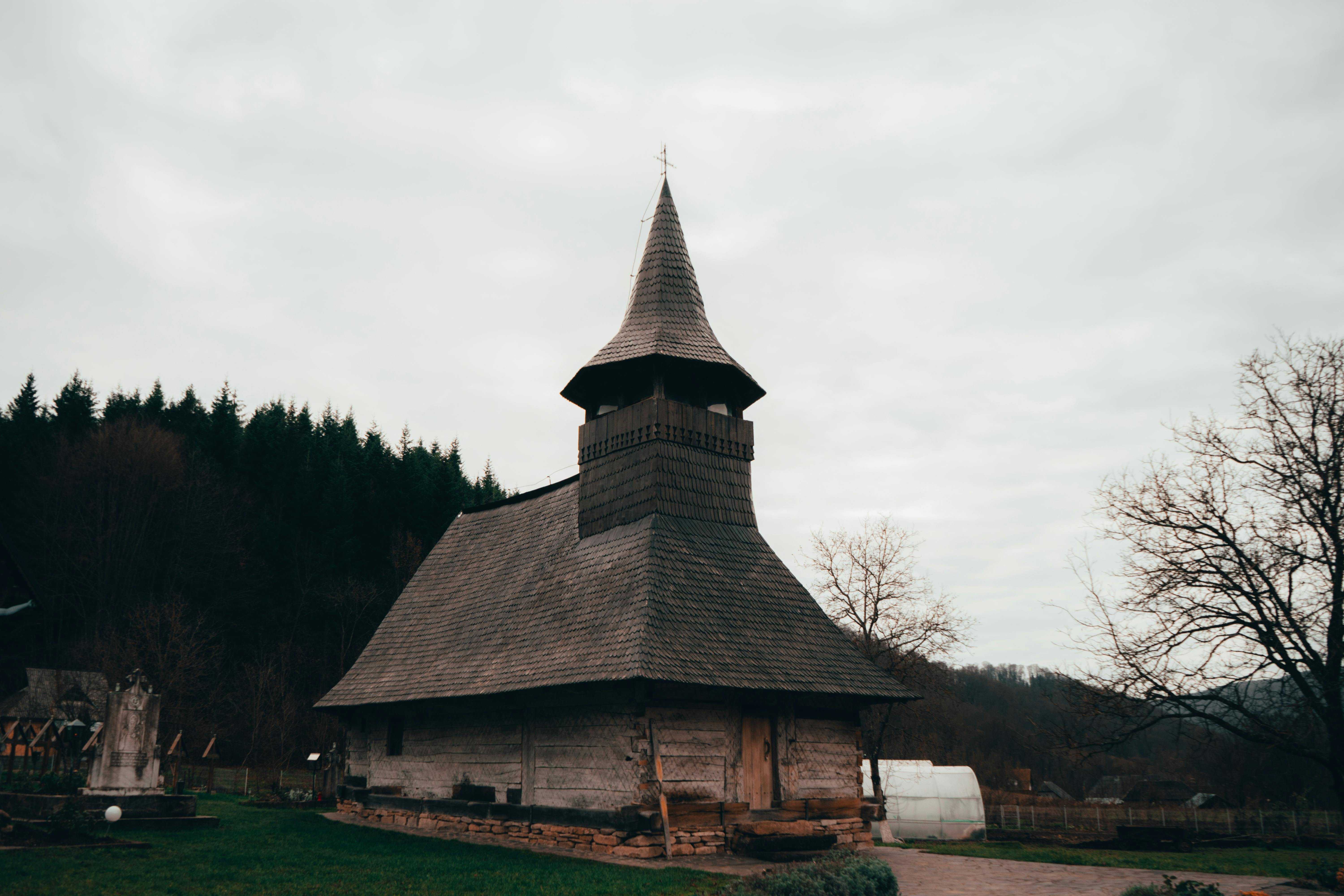
  2. Wooden Churches: The region is famous for its wooden churches, some of which are UNESCO World Heritage sites. These churches feature impressive architecture and intricate woodwork.

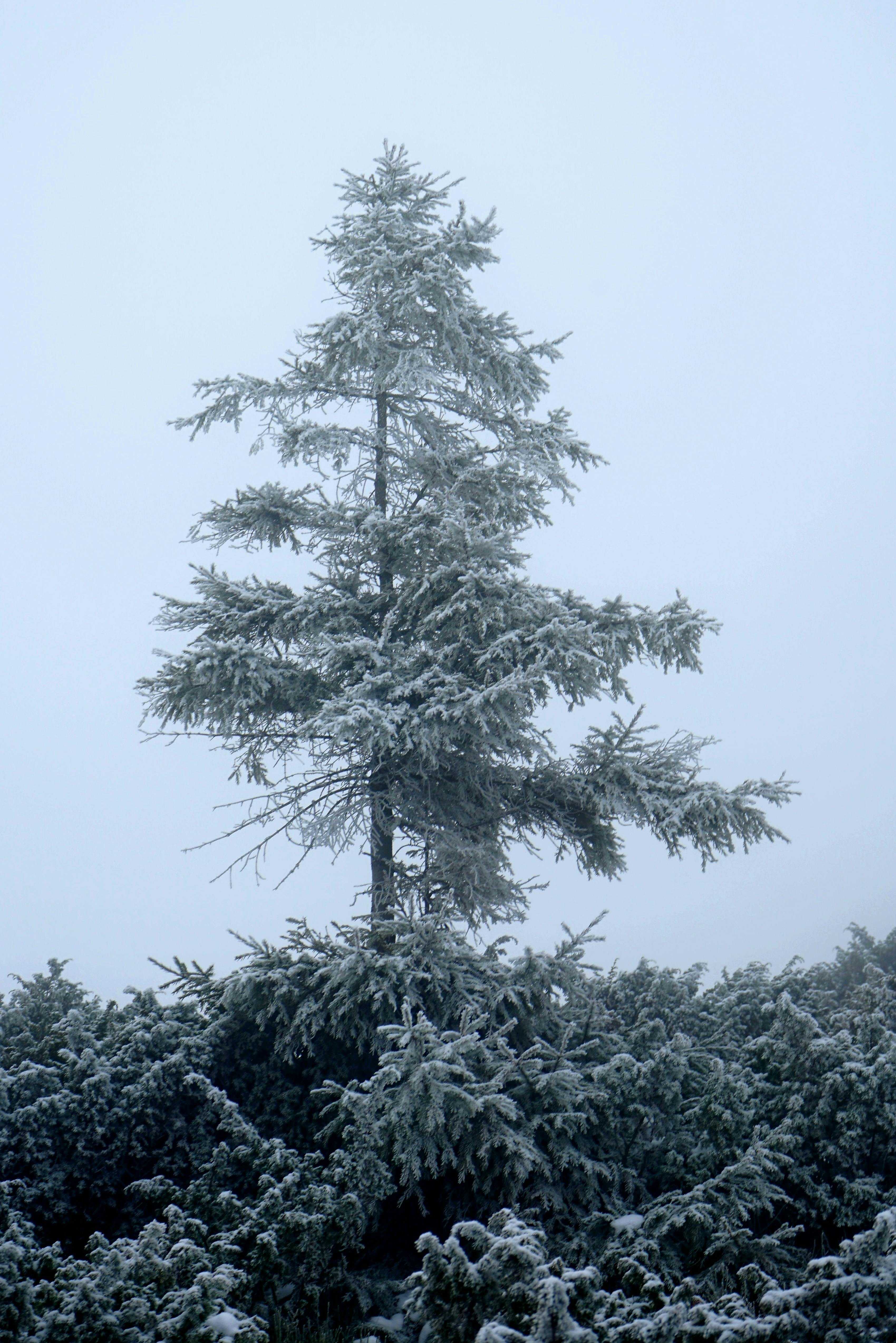
  3. Scenic Landscapes: Maramureş is known for its stunning natural beauty, including rolling hills, forests, and the picturesque Maramureş Mountains. It's a great destination for nature lovers and outdoor enthusiasts.

  4. Local Cuisine: You can enjoy delicious traditional Romanian dishes in Maramureş, such as mămăligă (polenta), sarmale (cabbage rolls), and pălincă (plum brandy). The region is also known for its tasty cheeses and pastries.

  5. Hospitality: The people of Maramureş are known for their hospitality and friendliness towards visitors. You can immerse yourself in the local culture and interact with welcoming locals.

  6. Festivals and Events: Maramureş hosts various cultural events and festivals throughout the year, providing a unique opportunity to experience traditional music, dance, and customs.

Overall, traveling to Maramureş offers a chance to step back in time and immerse yourself in a rich cultural heritage against a backdrop of stunning natural beauty.

What to know

Some potential cons of traveling to Maramureş in Romania could include:

  1. Limited infrastructure: Maramureş is a rural region, so infrastructure such as roads, transportation, and accommodation options may be limited compared to more popular tourist destinations.

  2. Language barrier: English may not be widely spoken in Maramureş, so communication with locals and navigating the area could be challenging for non-Romanian speakers.

  3. Limited tourist amenities: Maramureş is known for its traditional way of life, which means that modern amenities such as shopping centers, restaurants, and entertainment options may be limited.

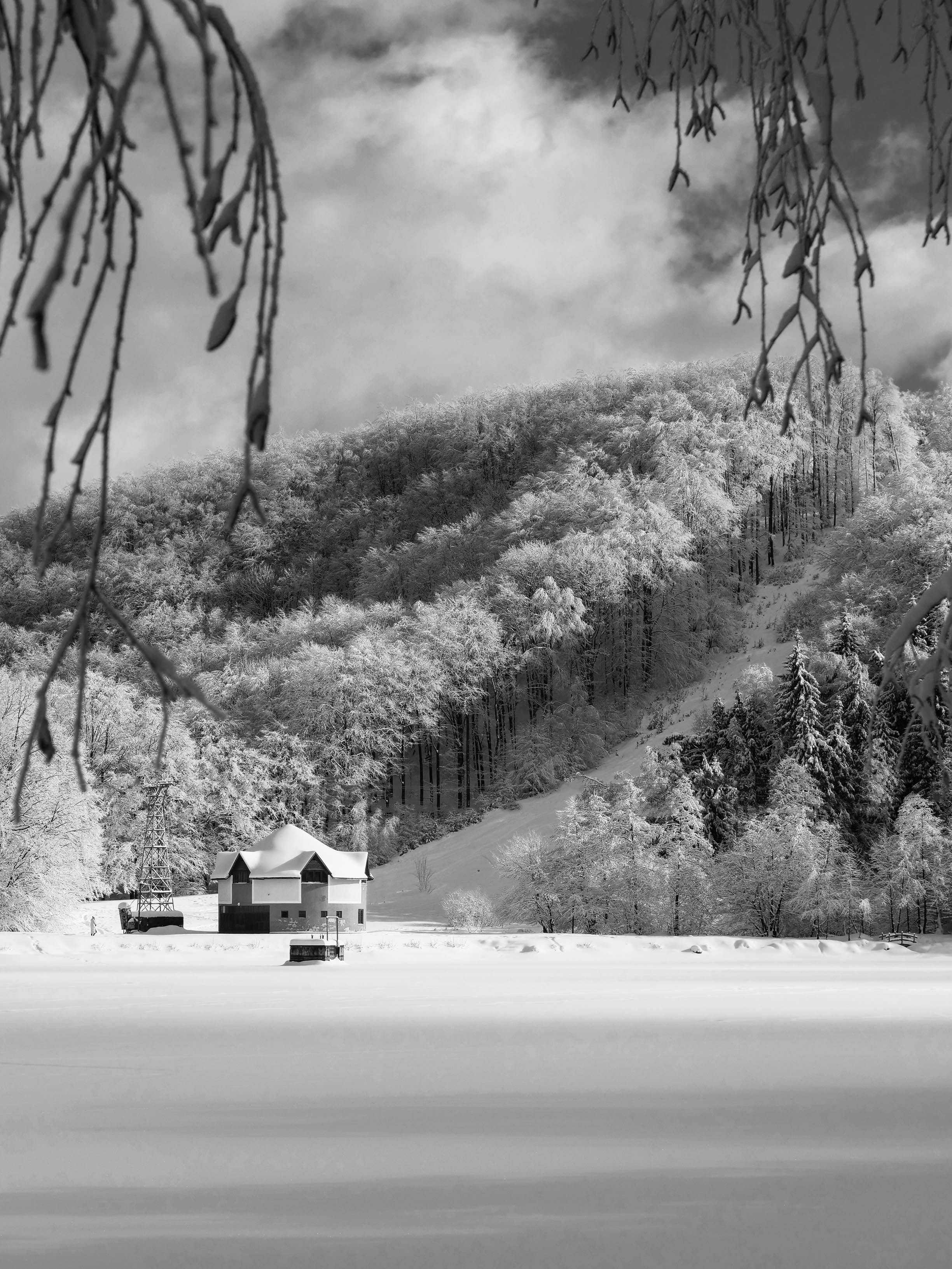
  4. Seasonal limitations: Maramureş experiences cold winters and mild summers, so travel during the winter months may be affected by weather conditions such as snow and ice.

  5. Limited accessibility: Some parts of Maramureş may be difficult to access for individuals with mobility issues due to uneven terrain and lack of facilities for people with disabilities.

It's important to note that these potential cons may vary depending on individual preferences and travel experiences. It's always a good idea to research and plan ahead when visiting a less touristy destination like Maramureş.

Maramureş is a historical region located in the northern part of Romania, known for its rich cultural heritage and picturesque landscapes. It has a complex history influenced by various cultures and empires over the centuries.

Early History:

  • Dacian and Roman Periods: The region was originally inhabited by the Dacians, an ancient people who lived in what is now Romania. The area was later influenced by the Roman Empire after the Dacian Wars (101-102 and 105-106 AD), although Maramureş itself was on the fringes of Roman control.

Medieval Period:

  • Formation of Maramureş Voivodeship: By the 12th century, Maramureş became a distinct political entity, the Maramureş Voivodeship, within the Kingdom of Hungary.
  • Dragoș of Bedeu: One of the notable figures from Maramureş is Dragoș of Bedeu, a Voivode who in the 14th century founded the Principality of Moldavia. He was originally a local ruler in Maramureş and was sent by the Hungarian king to extend control over the eastern territories.
  • Hungarian Rule: Throughout the medieval period, Maramureş was part of the Kingdom of Hungary and experienced influence from Hungarian culture and politics.

Ottoman and Habsburg Influence:

  • 16th to 18th Century: As the Ottoman Empire expanded, Maramureş was caught between the shifting borders of the Ottoman and Habsburg Empires. While it never fell under direct Ottoman rule, it was influenced by the political dynamics of the region.
  • Habsburg Monarchy: After the Ottoman decline, Maramureş became part of the Habsburg Monarchy. The region experienced re-Catholicization efforts and administrative reforms.

Modern Period:

  • Austro-Hungarian Empire: In the 19th century, Maramureş was part of the Austro-Hungarian Empire. The 1848 revolutions and subsequent reforms affected the region, leading to economic and social changes.
  • World War I and the Treaty of Trianon: Following the end of World War I and the Treaty of Trianon in 1920, Maramureş was divided between Romania and Czechoslovakia. The southern part, including the town of Sighetu Marmației, became part of Romania.

World War II and Communist Era:

  • World War II: During World War II, Maramureş was affected by territorial changes and was briefly under Hungarian control due to the Second Vienna Award. After the war, it was returned to Romania.
  • Communist Romania: Under communist rule, Maramureş underwent industrialization and collectivization, which altered the traditional rural lifestyle.

Post-Communist Era:

  • Cultural Renaissance: Since the fall of communism in 1989, Maramureş has seen a revival of its cultural heritage. Efforts have been made to preserve traditional crafts, music, and wooden architecture.

Important Landmarks:

  • Wooden Churches of Maramureş: These are a group of UNESCO World Heritage Sites, known for their unique wooden architecture and painted interiors, reflecting the region's rich religious and artistic traditions.
  • Merry Cemetery in Săpânța: Famous for its colorful tombstones with naïve paintings and poetic epitaphs that often depict the deceased's life stories with humor.
  • Sighet Memorial Museum: Located in Sighetu Marmației, the museum is dedicated to the victims of communism and the resistance in Romania.

Maramureş is noted for its scenic beauty, with the Carpathian Mountains providing a stunning backdrop. The region remains a vibrant center of Romanian culture, with traditional festivals, music, and crafts continuing to thrive.