
Top Hotels in Manisa
Top Flights to Manisa
Top Activities in Manisa
See it for yourself
Location videos
Reels and longer watches.
Traveller clips picked out for this place.
Good to know
Practical info
Weather, costs and getting around.
Scored from each month’s typical high and its usual conditions.
Manisa, located in western Turkey, experiences a Mediterranean climate with hot, dry summers and mild, wet winters. During the summer months, temperatures can rise significantly, often exceeding 30°C (86°F), making it ideal for sun-seekers but potentially uncomfortable for those unaccustomed to heat. Winters are relatively mild, with average temperatures ranging from 5°C to 15°C (41°F to 59°F), and the season sees the most rainfall, so packing a raincoat or umbrella is advisable. Spring and autumn offer pleasant weather with moderate temperatures, making them ideal times for outdoor activities and exploring the region.
All 12 monthshighs, lows and conditions


Know before you go
Local guide
A deeper read on Manisa.
What people love
Traveling to Manisa, Turkey, offers several benefits and attractions that make it an appealing destination for visitors. Here are some of the pros of visiting Manisa:
-
Historical and Cultural Sites:
- Manisa is rich in history, with several significant archaeological and historical sites. The city was once part of the ancient region of Lydia and has connections to various historical periods, including the Ottoman Empire.
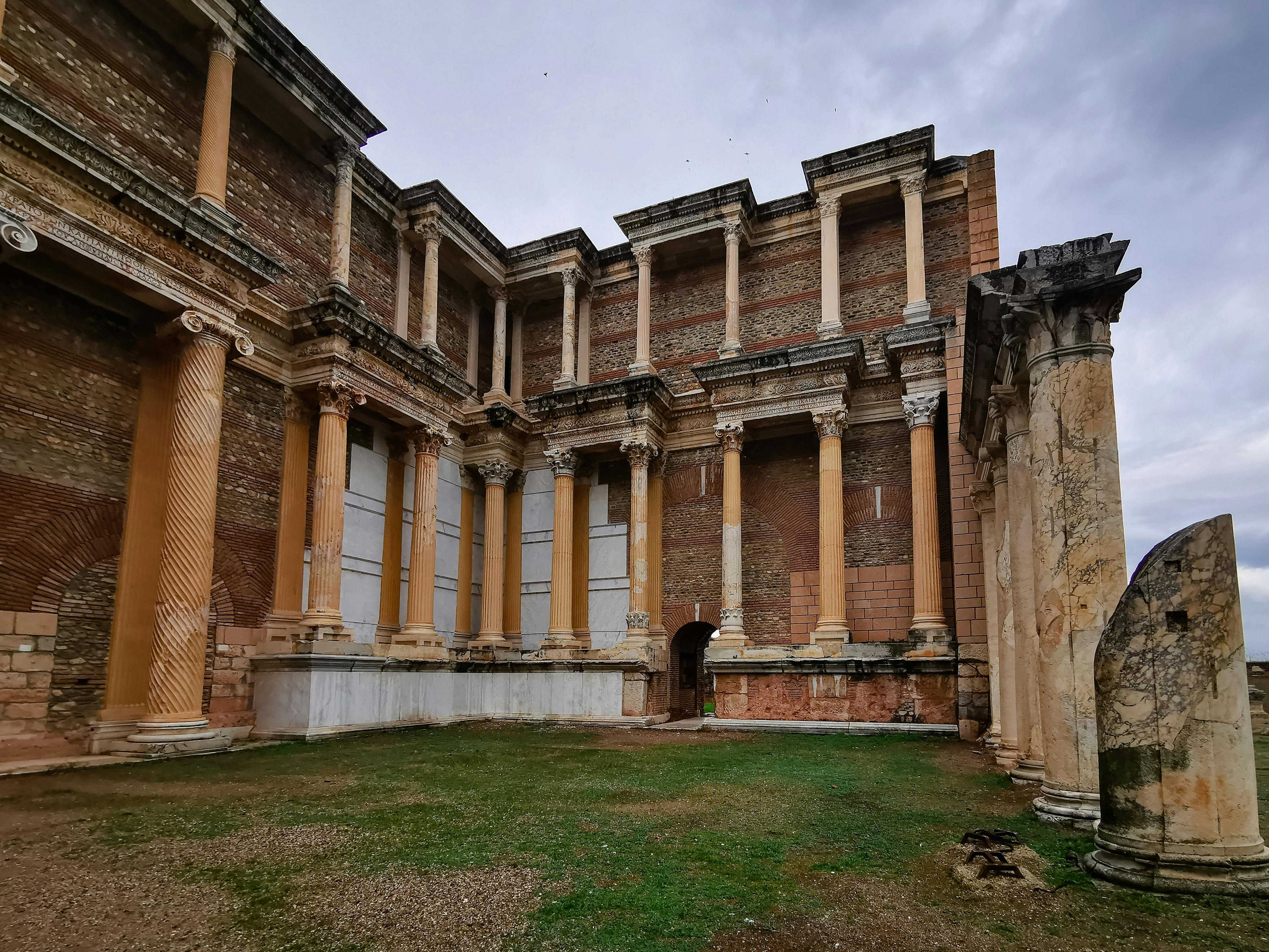
- Notable sites include the Manisa Museum, which houses a variety of artifacts from different eras, and the Sardis archaeological site, which was the capital of ancient Lydia.
-
Natural Beauty:
- The region is known for its beautiful natural landscapes, including the Spil Mountain National Park. The park offers opportunities for hiking, picnicking, and enjoying panoramic views of the surrounding area.
- The Gediz River, which flows through the region, adds to the natural beauty and provides a habitat for diverse flora and fauna.
-
Cultural Festivals:
- Manisa hosts several cultural festivals throughout the year, including the Mesir Festival, which is a UNESCO-recognized event. This festival celebrates the traditional Mesir paste and includes various cultural activities, performances, and a colorful parade.
-
Local Cuisine:
- The cuisine of Manisa is a highlight for food enthusiasts. The region offers a variety of traditional Turkish dishes, including kebabs, mezes, and the famous Manisa kebabı. The local olive oil and wines are also worth trying.
-
Accessibility:
- Manisa is conveniently located near İzmir, one of Turkey's largest cities, making it easily accessible by road and rail. This proximity allows for easy day trips to the coastal areas and other nearby attractions.
-
Warm Hospitality:
- Visitors to Manisa often remark on the warm hospitality of the local people. The welcoming nature of the community enhances the travel experience and provides opportunities for cultural exchange and interaction.
-
Economical Travel:
- Compared to more tourist-heavy destinations in Turkey, Manisa can be a more economical option, offering affordable accommodation and dining options.
Overall, Manisa's blend of historical richness, natural beauty, cultural experiences, and culinary delights makes it a worthwhile destination for travelers seeking an authentic Turkish experience.
What to know
Manisa is a relatively safe city in Turkey with a lower crime rate compared to other major cities. However, like any destination, there are some potential downsides to traveling to Manisa:
-
Limited Tourist Attractions: Manisa may not have as many well-known tourist attractions as other cities in Turkey, such as Istanbul or Cappadocia. This could mean limited sightseeing options for travelers looking for famous landmarks or historical sites.
-
Language Barrier: While many people in Manisa may speak some English, the primary language spoken is Turkish. Travelers who do not speak Turkish may encounter some challenges communicating with locals or navigating the city.
-
Limited Transportation Options: Manisa is not as well-connected by public transportation compared to larger cities like Istanbul. Travelers may find it more difficult to get around the city and explore its surroundings without a car.
-
Limited Accommodation Choices: Manisa may have fewer options for accommodation compared to popular tourist destinations. Travelers looking for luxury hotels or a wide range of lodging choices may find the selection in Manisa to be more limited.
-
Limited Nightlife and Entertainment: Manisa may not offer as vibrant a nightlife scene as other Turkish cities, with fewer options for bars, clubs, and entertainment venues.
Overall, while Manisa may not have as many tourist amenities or attractions as other destinations in Turkey, it can still offer a unique and authentic travel experience for those looking to explore a less touristy area.