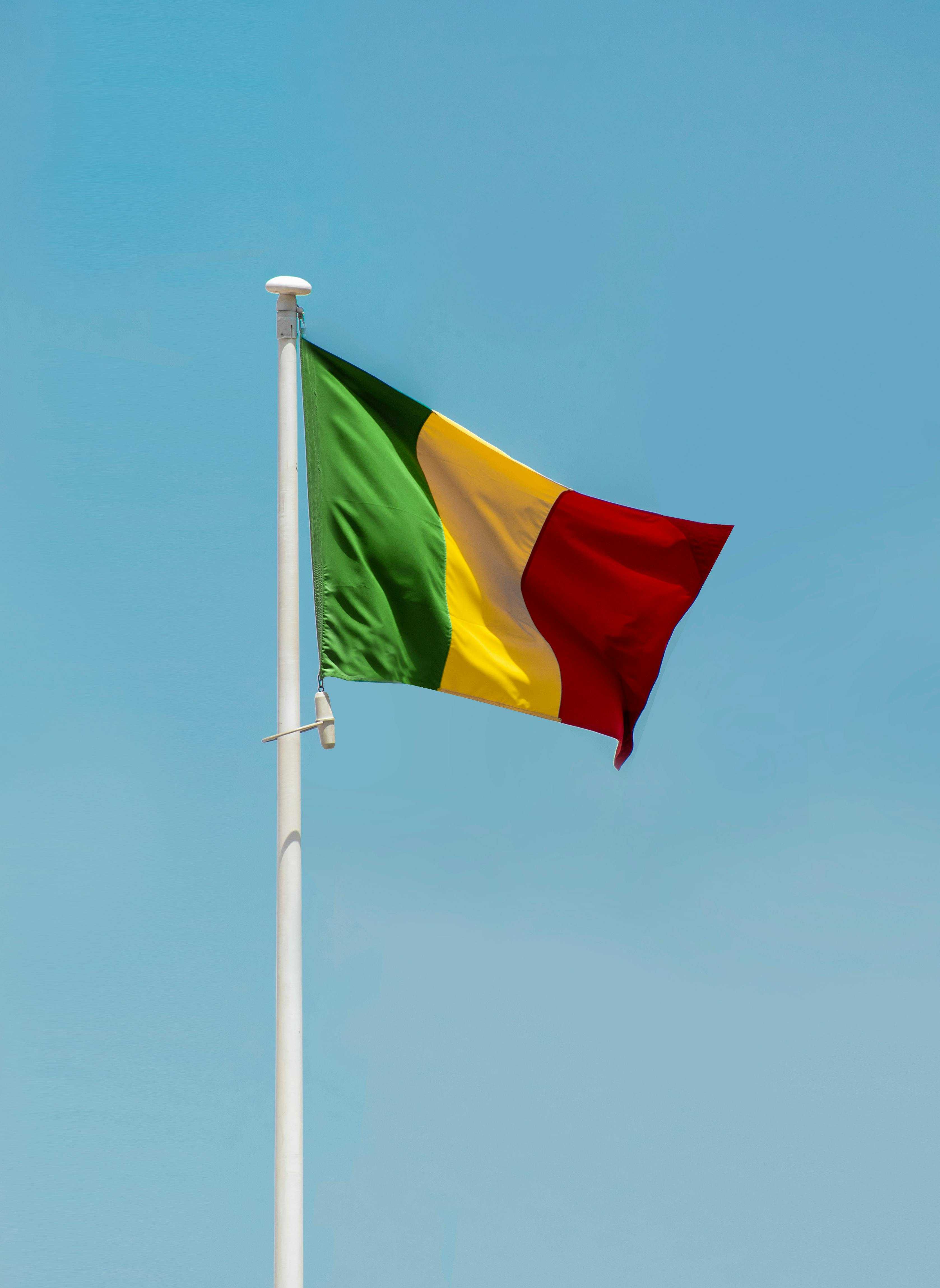
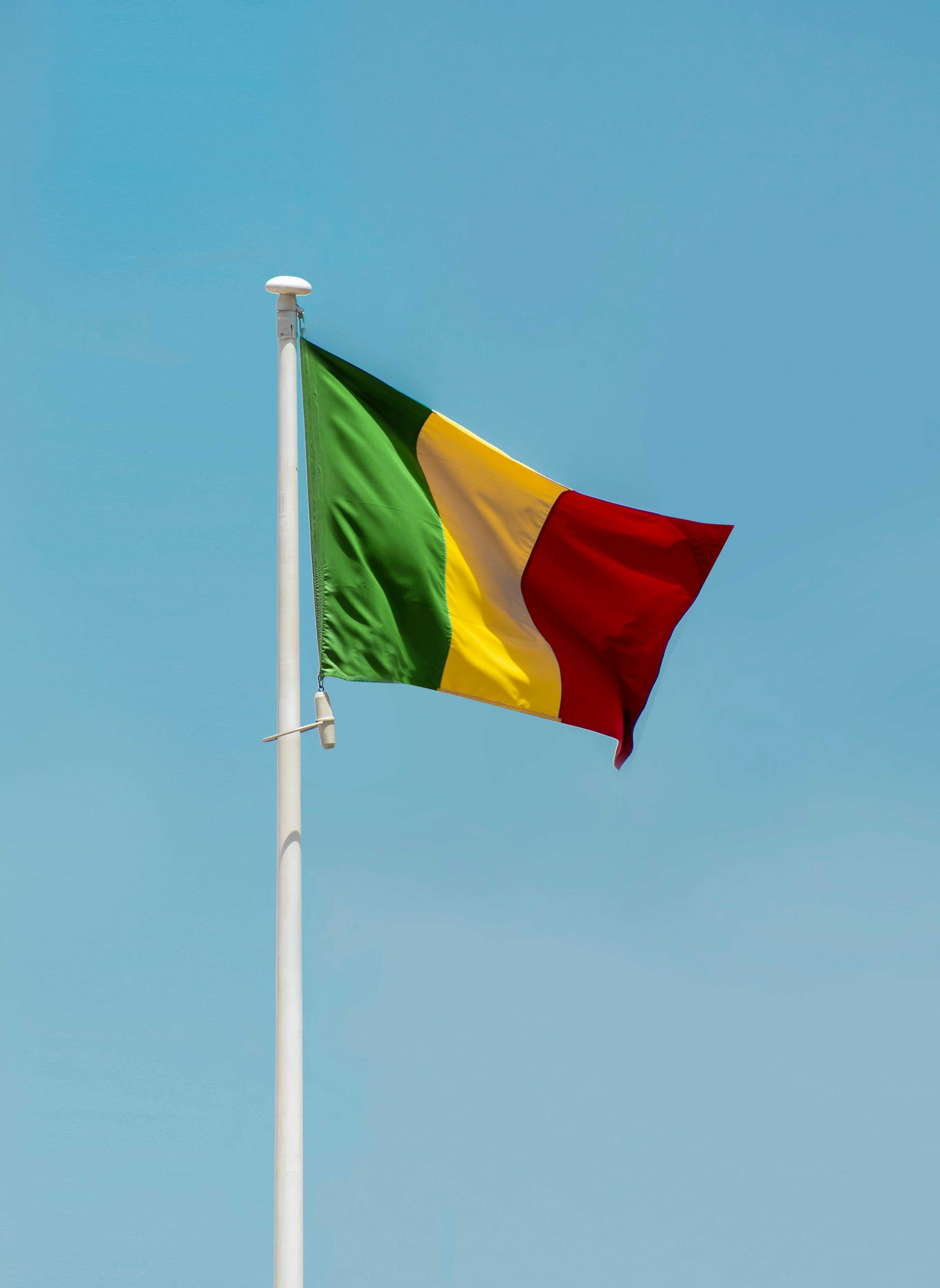

Mali
· ML

Mali

Mali

Mali: Journey to the Heart of West African History and Culture Mali, a landlocked country in West Africa, beckons the adventurous traveler with its vibrant culture, ancient history, and stunning landscapes. This is where…

#West Africa#Landlocked country#Bamako#Sahara Desert#Timbuktu
1/4

Top hotels & flights

Hand-picked stays and the best fares into Mali.

Top Hotels in Bamako

Top Flights to Bamako

Popular activities

Tours, tickets and experiences travelers book most in Mali.

Tours

Visit the Great Mosque of Djenné

Explore the largest mud-brick building in the world, a UNESCO World Heritage site and an iconic symbol of Africa's Sahel region.

Discover the Bandiagara Escarpment

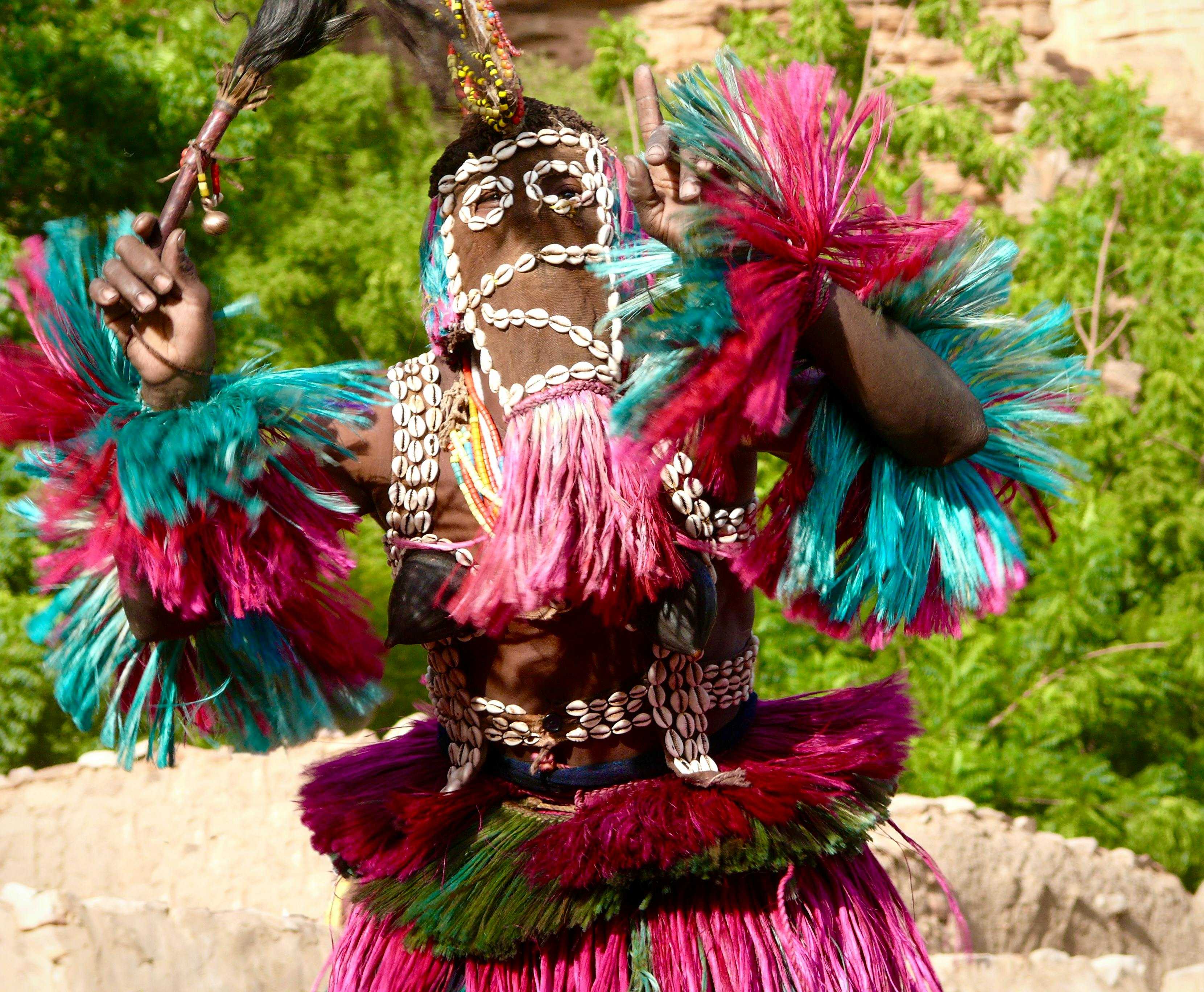
Explore the unique geography and Dogon culture along the Bandiagara Escarpment, recognized as a UNESCO World Heritage Site.

Explore Timbuktu's Ancient Manuscripts

Visit the libraries of Timbuktu to see rare and ancient manuscripts that are part of the world’s great cultural heritage.

Shopping

Shop at the Bamako Market

Experience the vibrant atmosphere of the Bamako Market, where you can find local crafts, textiles, and daily goods.

Outdoor

Hike to Mount Hombori

Embark on a hiking adventure to Mount Hombori, the highest mountain in Mali offering a stunning view of the surrounding landscapes.

Boa National Park Safari

Enjoy a wildlife safari in Boa National Park, home to elephants, hippos, and a variety of bird species.

Climb the Cliffs of Bandiagara

Experience rock climbing at the Bandiagara Cliffs, offering routes for various skill levels and breathtaking views.

Location videos

Real reels from travelers, plus longer watches to get the full picture.

From travelers
Watch & explore

Practical info

The essentials for planning your time in Mali.

Currency
CFA | XOF | West African CFA franc Mali
Population
Approximately 20.3 million
Languages
French, Bambara, Fula, Dogon
Average weather
Mali
Jan
clear
31°16°
Feb
clear
34°18°
Mar
hot
38°22°
Apr
hot
41°26°
May
hot
41°28°
Jun
hot
38°26°
Jul
rain
34°24°
Aug
rain
32°23°
Sep
rain
33°23°
Oct
hot
36°24°
Nov
clear
35°20°
Dec
clear
32°17°

Local guide

What travelers love, what to watch for, and a deeper read on Mali.

What people love

Mali is a country located in West Africa with a rich history and diverse culture. Here are some pros of traveling to Mali:

  1. Rich Cultural Heritage: Mali is home to ancient cities like Timbuktu and Djenné, which are UNESCO World Heritage Sites. These cities are known for their unique mud-brick architecture, traditional markets, and vibrant festivals.

  2. Friendly People: Malians are known for their hospitality and warmth towards visitors. Travelers often find the local people to be welcoming and eager to share their culture and traditions.

  3. Music and Dance: Mali is famous for its vibrant music and dance scene. The country is known as the birthplace of the blues and is home to world-renowned musicians like Salif Keita and Ali Farka Touré. Travelers can enjoy live performances and traditional dance shows during their visit.

  4. Natural Beauty: Mali is home to diverse landscapes, including the Sahara Desert, the Niger River, and the Bandiagara Escarpment. Travelers can explore these natural wonders through activities like hiking, camel trekking, and river cruises.

  5. Cultural Festivals: Mali hosts numerous cultural festivals throughout the year, celebrating music, dance, and traditional practices. The Festival au Désert and the Festival sur le Niger are popular events that showcase the country's cultural richness.

Overall, traveling to Mali offers a unique opportunity to experience a blend of history, culture, music, and natural beauty in a welcoming and hospitable environment.

Enjoy your trip to Mali!

What to know

Traveling to Mali can have some cons that travelers should be aware of:

  1. Security Concerns: Mali has experienced political instability and ongoing conflict in certain regions due to terrorism and ethnic tensions. Travelers should stay informed about the current situation and consider potential risks before visiting.

  2. Health Risks: Like many countries in Africa, Mali has certain health risks such as malaria, yellow fever, and other tropical diseases. Travelers should take necessary precautions, including getting vaccinations and taking appropriate medications.

  3. Poor Infrastructure: Mali's infrastructure, including roads, transportation, and healthcare facilities, may not be as developed as in some other countries. This can impact travel experiences and access to services.

  4. Language Barrier: The official language in Mali is French, and while English is sometimes spoken in tourist areas, travelers may encounter difficulties communicating in other parts of the country.

  5. Climate and Weather: Mali has a hot and dry climate, with temperatures often reaching extreme levels. Travelers should be prepared for the weather conditions and take necessary precautions to avoid heat-related illnesses.

  6. Cultural Sensitivities: Mali is a predominantly Muslim country with conservative cultural norms. Travelers should respect local customs and traditions, especially when visiting religious sites or interacting with the local population.

It's important to conduct thorough research and consult with travel advisories before planning a trip to Mali to ensure a safe and enjoyable experience.

Mali, located in West Africa, has a rich and complex history that spans several millennia. Here's a detailed overview of its history, including significant events, historical figures, and important landmarks:

Ancient and Medieval Mali

  1. Prehistoric Mali:

    • The region that is now Mali has been inhabited since prehistoric times. Archaeological evidence, such as the rock paintings in the Sahara, indicates that early humans lived and thrived in this area.
  2. The Ghana Empire (circa 300 - 1200 AD):

    • The Ghana Empire, not to be confused with the modern country of Ghana, was one of the earliest known empires in West Africa and was located in what is now southeastern Mauritania and western Mali. It was a powerful trading state known for its wealth in gold.
  3. The Mali Empire (circa 1235 - 1600 AD):

    • Founded by Sundiata Keita, the Mali Empire rose to prominence in the 13th century after the decline of the Ghana Empire. It became one of the wealthiest and most powerful states in the world.
    • Sundiata Keita: The founder of the Mali Empire, celebrated as a hero in the epic "Sundiata" for unifying the region.
    • Mansa Musa (c. 1280 – c. 1337): Perhaps the most famous ruler of Mali, known for his pilgrimage to Mecca in 1324, which showcased the empire's wealth and contributed to the spread of Islam across West Africa.
    • The city of Timbuktu became a major center of trade, culture, and Islamic scholarship.
  4. The Songhai Empire (circa 1430 - 1591):

    • Following the decline of the Mali Empire, the Songhai Empire became the dominant power in the region, extending its control over much of West Africa.
    • Askia the Great (Muhammad I Askia): A prominent ruler of the Songhai Empire, he expanded the empire and reformed its administration.

Colonial and Modern History

  1. Colonial Period (19th - 20th Century):

    • In the late 19th century, the area that is now Mali came under French colonial control, becoming part of French Sudan.
    • Mali gained independence from France on September 22, 1960, initially as part of the Mali Federation with Senegal, which soon dissolved.
  2. Post-Independence Era:

    • Modibo Keïta: The first President of Mali, who led the country from 1960 until he was overthrown in a coup in 1968.
    • Military Rule and Democratic Transition: After years of military rule, Mali transitioned to democracy in 1991, with Alpha Oumar Konaré becoming the first elected president in 1992.
  3. Recent History:

    • In the early 21st century, Mali faced challenges from insurgent groups in the north. A coup in 2012 led to instability and the temporary division of the country.
    • International intervention and peace agreements have aimed to stabilize the region, but Mali continues to face security and political challenges.

Important Landmarks

  1. Timbuktu:

    • Known for its historic role in trade and scholarship, Timbuktu is home to ancient mosques and libraries, including the Djinguereber Mosque and the Sankore Madrasah.
  2. Djenné:

    • Famous for its Great Mosque, the largest mud-brick building in the world, Djenné is a UNESCO World Heritage Site.
  3. Bandiagara Escarpment:

    • A sandstone cliff area that is home to the Dogon people and known for its unique cultural heritage.
  4. Niger River:

    • An important river that runs through Mali, contributing to the agriculture and livelihoods of many Malians.

Mali's history is marked by its role as a center of trade and culture in Africa, its challenges during the colonial period, and its ongoing efforts to build a stable and prosperous nation.