Male
City · Maldives

Male

Male, Maale, Maldives

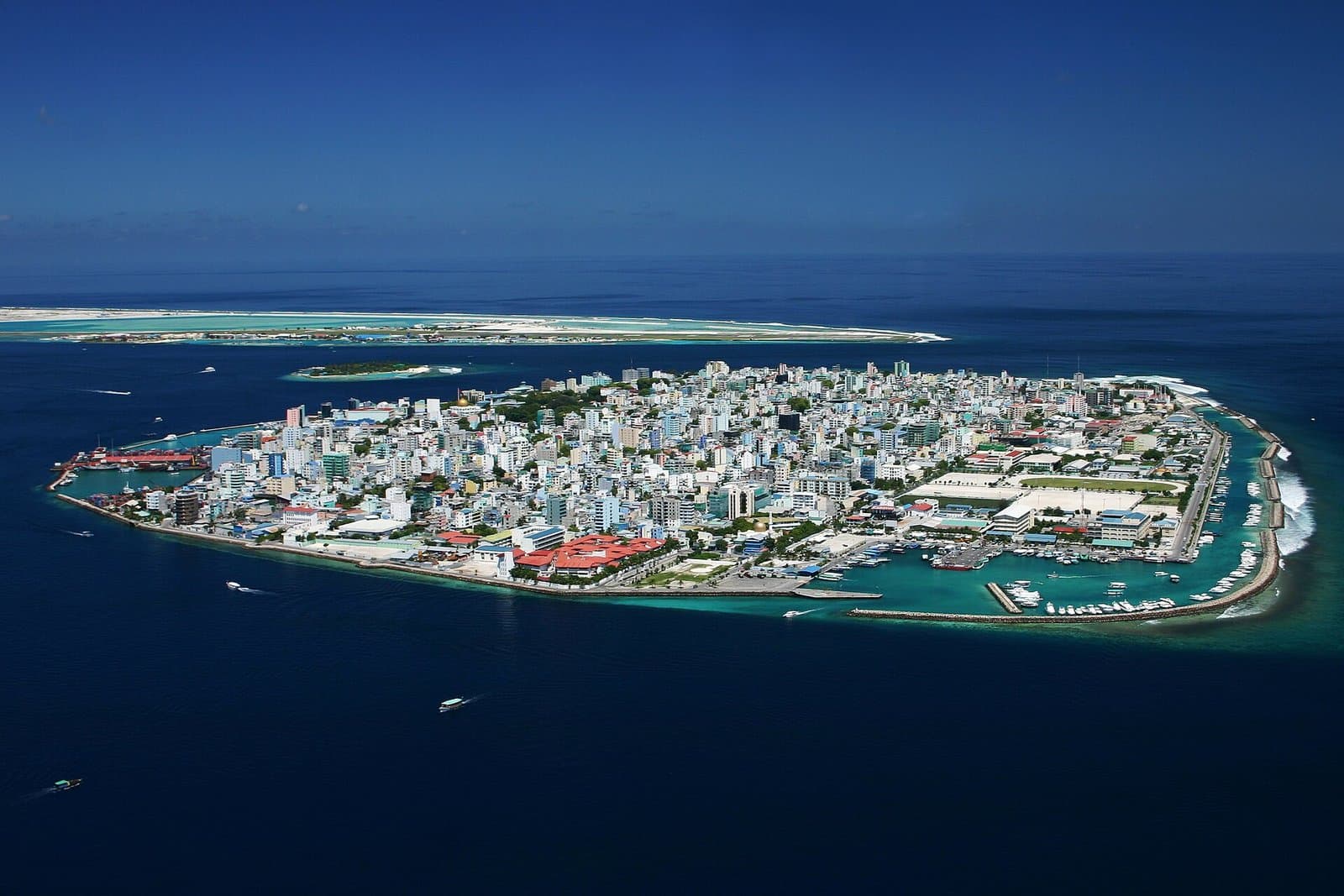
Malé, the densely populated capital of the Maldives, offers a stark contrast to the laid-back luxury of the country's famous resort islands. This…

#Island#Capital#Tropical#Beachfront#Tourist Destination

Top Hotels in Male

Top Flights to Male

Flying from

Top Activities in Male

Highlights

Things to do in Male

What travellers talk about most.

Tours

Explore Male City

Discover the cultural and historical richness of Male, the capital city of Maldives.

USD 50

Visit the National Museum

Explore the historical artifacts and exhibits of the Maldives at the National Museum.

4.1(518)USD 20

Local Cultural Show

Experience the rich culture of the Maldives with a captivating show featuring traditional music and dance. Immerse yourself in the vibrant rhythms and cultural heritage of the islands.

USD 30

Shopping

Local Handicrafts Shopping

Shop for traditional Maldivian handicrafts and souvenirs in Male.

Outdoor

Island Picnic and Relaxation

Enjoy a relaxing afternoon with a picnic on a picturesque island near Male, including free time to swim, sunbathe, or explore.

USD 40

Artificial Beach Swim

Relax on the sandy shores and take a refreshing swim at Male's Artificial Beach.

4.4(71)

Snorkeling Adventure

Experience the underwater beauty of the Maldives with a snorkeling trip around Male.

USD 50

See it for yourself

Location videos

Reels and longer watches.

Featured for Male

Traveller clips picked out for this place.

Watch & explore

Good to know

Practical info

Weather, costs and getting around.

Male, Maale, Maldives Open in Google Maps
When to go

Scored from each month’s typical high and its usual conditions.

GoodMixedAvoid
Best monthsDec – Mar
Worth avoidingMay – Nov
October · rainHigh 30°C Low 26°C
Avoid

The weather in Male is typically warm and tropical throughout the year. Expect high temperatures and humidity, with occasional rain showers. It's advisable to pack light, breathable clothing and an umbrella or raincoat for sudden downpours.

All 12 monthshighs, lows and conditions
Jan
sun
30°25°
Feb
sun
30°26°
Mar
sun
31°26°
Apr
hot
32°27°
May
rain
31°27°
Jun
rain
30°26°
Jul
rain
30°26°
Aug
rain
30°26°
Sep
rain
30°26°
Oct
rain
30°26°
Nov
rain
30°25°
Dec
cloud
30°25°
Currency
Rf | MVR | Maldivian Rufiyaa
Population
211908 (2022)
Density
25,531 / km²
Local time
Languages
Dhivehi mainly · English, Hindi, Arabic
Budget / day
Rf800 - Rf3500
Also known as
Maale, Maldives, Malé, Maldives

Know before you go

Local guide

A deeper read on Male.

What people love

Visiting Malé provides a rare opportunity to experience the authentic daily life and culture of the Maldivian people, far removed from the isolated resort islands. The city boasts significant historical and religious sites, including the beautiful coral-stone Old Friday Mosque and the National Museum. It is also a fantastic destination for culinary exploration, offering numerous cafes and restaurants where you can sample traditional, spicy Maldivian dishes and fresh seafood. Additionally, its compact size makes it easy to explore on foot, and it serves as a highly convenient transit hub for reaching other atolls.

What to know

Malé is one of the most densely populated cities in the world, resulting in crowded, narrow streets heavily congested with motorcycles and traffic. The city lacks the pristine, expansive natural beaches and relaxed atmosphere that most travelers associate with the Maldives. Furthermore, as a strict Islamic capital, alcohol is completely banned, and conservative dress is required, which means no swimwear in public areas. Accommodation and dining can also be relatively expensive compared to other Asian capitals, and the sheer noise and concrete environment can be overwhelming for those seeking a tranquil tropical escape.

Malé, the bustling capital of the Maldives, boasts a history as vibrant and densely packed as the island itself. Originally known as Mahal, meaning "palace island," it has served as the seat of power for Maldivian royalty for centuries. According to local folklore, the city’s prominence began in the 12th century when a Sinhalese prince named Koimala arrived, established a kingdom, and became the first king of the entire Maldivian archipelago. Shortly after, in 1153, the island nation underwent a profound transformation when the last Buddhist king converted to Islam, a pivotal event often attributed to the Moroccan traveler and scholar Abu al-Barakat Yusuf al-Barbari. This established the long-lasting Islamic Sultanate that would rule from Malé for over eight hundred years.

Throughout the centuries, Malé functioned as a crucial maritime hub in the Indian Ocean trade network. Its strategic location attracted merchants from Arabia, India, Sri Lanka, and China, who came to trade for cowrie shells—which were used as currency across parts of Asia and Africa—as well as coir rope and dried tuna. The city's wealth and strategic importance also attracted foreign powers. In 1558, the Portuguese established a garrison in Malé, attempting to enforce Christianity and control trade. Their oppressive rule was short-lived, however, as the local hero Muhammad Thakurufaanu led a successful guerrilla campaign, liberating the capital in 1573 and cementing his legacy as one of the nation's greatest historical figures.

In the 17th century, the Maldives came under the protection of the Dutch, and later, in 1887, it became a British protectorate. However, unlike many colonized nations, the Maldives maintained internal self-governance, and the Sultans continued to rule from their palace in Malé. The city remained a traditional, relatively quiet island until the mid-20th century.

In 1965, the Maldives gained full independence from the British, and in 1968, the Sultanate was abolished in favor of a republic, with Ibrahim Nasir serving as the first president. Since then, Malé has undergone explosive urbanization. The traditional coral-stone houses and sandy streets have been replaced by towering skyscrapers, paved roads, and modern infrastructure. To accommodate the rapidly growing population, the island's landmass was artificially expanded through land reclamation. Today, historical landmarks like the 17th-century Hukuru Miskiy (Old Friday Mosque), built from intricately carved coral stone, and the modern Islamic Centre stand side by side, reflecting Malé's fascinating journey from an ancient royal court to a densely populated, modern island metropolis.

Traveler ratings

How Male rates

From verified Travafa trips.

4.1
Very good
Based on 24 ratings
Things to Do
3.6
Accommodation Quality
4.8
Local Transportation
2.9
Safety
4.2
Scenic Beauty
4.5
Shopping
2.1
Friendliness of People
4.4
Cleanliness
4.0
Value for Money
2.1
Internet Connectivity
3.9
Good for
63%
Friends
79%
Family
96%
Couple
29%
Solo
4%
Pets

Who is Male for?

By the travellers who rated it on Travafa. Each page states the places, months and budget for that kind of trip.

Book your trip to Male

Everything for this destination in one place — where to stay, how to get there, and how to get from the airport to your hotel.

Hotels in MaleCompare stays across Male with live pricesFlights to MaleLive fares into MLE across every airline