Malawi
· MW

Malawi

Malawi

Discover the Warm Heart of Africa: Malawi Malawi, the "Warm Heart of Africa", is more than just a destination; it's a feeling. This small, landlocked nation beats with a rhythm of vibrant culture, breathtaking landscapes…

#Africa#Landlocked country#Warm climate#Lake Malawi#Cultural diversity
1/4

Top hotels & flights

Hand-picked stays and the best fares into Malawi.

Top Hotels in Lilongwe

Top Flights to Lilongwe

Popular activities

Tours, tickets and experiences travelers book most in Malawi.

Tours

Liwonde National Park Safari

Explore the diverse wildlife and stunning landscapes of Liwonde National Park, home to elephants, hippos, and a variety of bird species.

Zomba Plateau Picnic

Enjoy a picnic with stunning views of valleys, waterfalls, and forests at Zomba Plateau.

Shopping

Lilongwe Craft Market Shopping

Discover unique handcrafted items and souvenirs at the vibrant Lilongwe Craft Market.

Outdoor

Mount Mulanje Hiking Adventure

Conquer Mount Mulanje, Malawi's highest peak, known for its breathtaking views and challenging trails.

Cape Maclear Beach Day

Relax or engage in water sports at Cape Maclear, a beautiful beach destination on Lake Malawi.

Location videos

Real reels from travelers, plus longer watches to get the full picture.

From travelers
Watch & explore

Practical info

The essentials for planning your time in Malawi.

Currency
MK | MWK | Malawian Kwacha
Population
20.8 million
Languages
Chichewa, English
Average weather
Malawi
Jan
rain
28°20°
Feb
rain
28°20°
Mar
rain
28°19°
Apr
cloud
27°17°
May
clear
25°14°
Jun
clear
23°11°
Jul
clear
23°11°
Aug
clear
25°13°
Sep
sun
28°16°
Oct
hot
31°19°
Nov
sun
31°20°
Dec
rain
29°21°

Local guide

What travelers love, what to watch for, and a deeper read on Malawi.

What people love

Malawi, located in southeastern Africa, offers a unique travel experience with several notable pros:

  1. Warm and Welcoming People: Malawi is known for its friendly and hospitable people who are eager to share their culture and traditions with visitors.

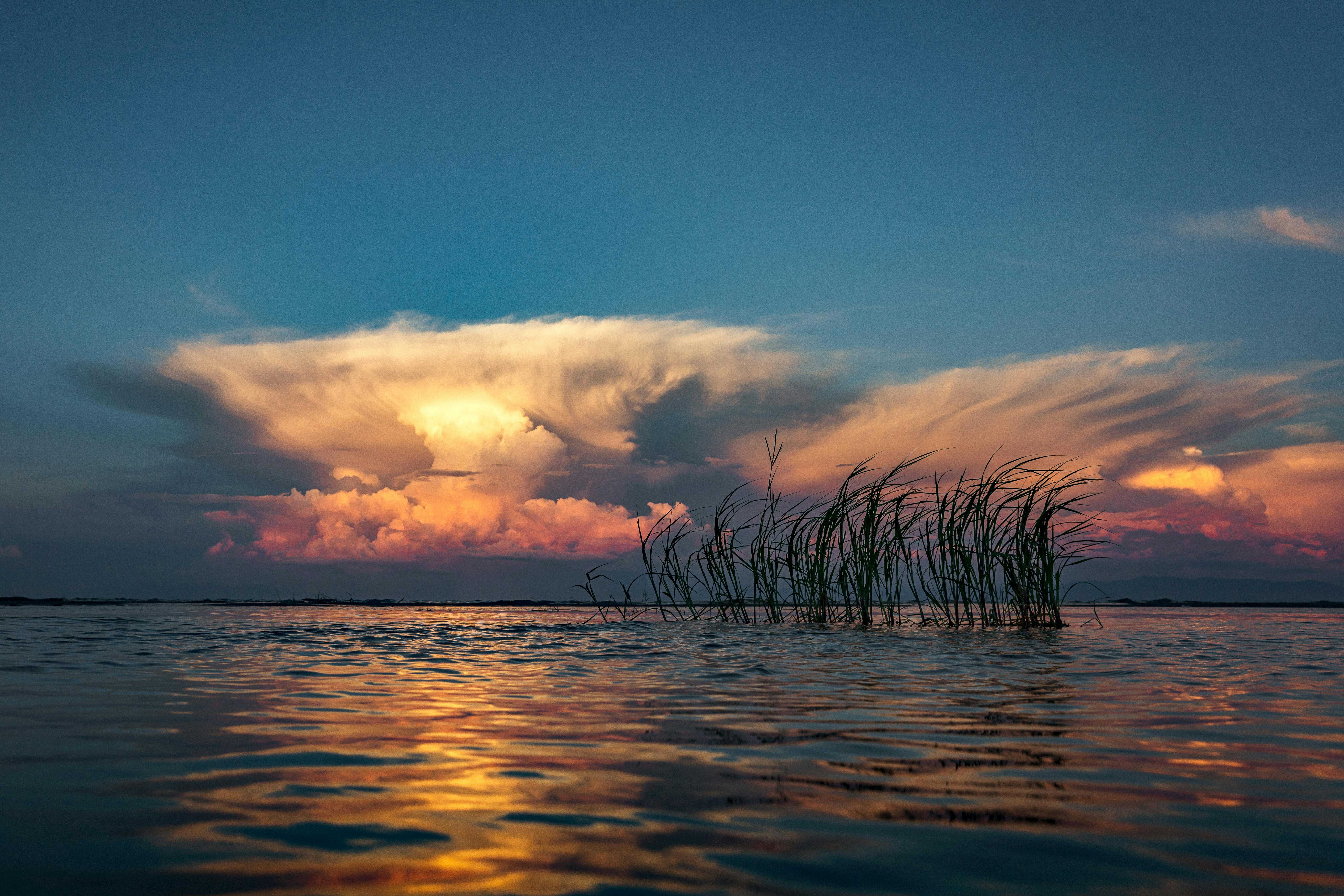
  2. Scenic Beauty: The country is blessed with stunning natural landscapes, including Lake Malawi, the third-largest lake in Africa, which offers opportunities for water sports, beach relaxation, and diving.

  3. Wildlife and Nature: Malawi is home to several national parks and wildlife reserves, such as Liwonde National Park and Nyika National Park, where visitors can spot a wide variety of animals, including elephants, hippos, and rare bird species.

  4. Cultural Diversity: Malawi is a melting pot of different ethnic groups, each with its own unique traditions, music, and art forms. Visitors have the chance to immerse themselves in the vibrant local culture.

  5. Affordability: Compared to other African destinations, Malawi is relatively affordable, making it an attractive option for budget-conscious travelers.

  6. Outdoor Activities: In addition to water sports on Lake Malawi, visitors can enjoy hiking, mountain biking, and other outdoor activities in the country's diverse landscapes.

  7. Volunteering and Community Engagement: Many visitors to Malawi choose to volunteer with local organizations and contribute to community development projects, providing a meaningful and rewarding travel experience.

Overall, traveling to Malawi offers a combination of natural beauty, cultural richness, and warm hospitality that can make for a memorable and fulfilling trip.

What to know

Some potential cons of traveling to Malawi include:

  1. Health and Safety Concerns: Malawi has high rates of malaria, so travelers need to take precautions such as taking anti-malarial medication and using insect repellent. There may also be concerns about food and water safety, so it's important to be cautious about what you eat and drink.

  2. Infrastructure Challenges: Malawi's infrastructure may not be as developed as in other countries, which could lead to issues with transportation, accommodations, and communication. Roads may be in poor condition, internet access may be limited, and power outages could occur.

  3. Poverty and Crime: Malawi is one of the poorest countries in the world, and travelers may encounter poverty and begging in some areas. Additionally, there may be concerns about petty crime, so it's important to be vigilant and take precautions to protect your belongings.

  4. Limited Tourist Facilities: While Malawi has beautiful natural attractions such as Lake Malawi and national parks, the tourism industry is not as developed as in other countries. This could mean limited accommodations, restaurants, and tourist services in some areas.

  5. Cultural Sensitivities: As a visitor to Malawi, it's important to respect the local customs and traditions. Dress modestly, ask permission before taking photos of people, and be mindful of cultural differences to avoid causing offense.

Overall, while Malawi is a stunning destination with warm and welcoming people, travelers should be aware of these potential cons and take appropriate precautions to ensure a safe and enjoyable trip.

Malawi, officially known as the Republic of Malawi, is a landlocked country in southeastern Africa. Here is a detailed history of Malawi, including significant events, historical figures, and landmarks:

Early History

  • Pre-Colonial Era:
    • The area now known as Malawi was inhabited as early as the 10th century by various Bantu-speaking peoples, including the Maravi, from whom the name "Malawi" is derived.
    • The Maravi established a kingdom that extended across parts of modern-day Malawi, Mozambique, and Zambia.

Colonial Period

  • Portuguese Influence:

    • Portuguese explorers and traders encountered the Maravi kingdom in the 16th century. The Portuguese were primarily interested in trade, especially in ivory and slaves.
  • British Colonial Rule:

    • In the late 19th century, British influence expanded in the region. The British established the British Central Africa Protectorate in 1891, which was later renamed Nyasaland in 1907.
    • The colonial government focused on cash crops like tea and tobacco, often exploiting local labor.

Path to Independence

  • Federation of Rhodesia and Nyasaland:

    • In 1953, Nyasaland was joined with Northern and Southern Rhodesia (now Zambia and Zimbabwe) to form the Federation of Rhodesia and Nyasaland. This was unpopular among many Africans in Nyasaland.
  • Independence Movement:

    • Dr. Hastings Kamuzu Banda became a prominent figure in the independence movement. He returned to Nyasaland in 1958, having spent time abroad for education and work.
    • The Nyasaland African Congress (NAC), later renamed the Malawi Congress Party (MCP), led the push for independence.
    • In 1961, the MCP won a majority of seats in the Legislative Council elections.
  • Independence:

    • Nyasaland gained self-governing status in 1963 and became fully independent on July 6, 1964, under the name Malawi, with Banda as its first Prime Minister.

Post-Independence

  • One-Party Rule:

    • In 1966, Malawi became a republic with Banda as its first President. He declared Malawi a one-party state under the MCP and ruled with an authoritarian hand.
    • Banda was declared "President for Life" in 1971, and his regime was marked by strict control over political dissent and human rights abuses.
  • Transition to Democracy:

    • Internal and external pressures in the early 1990s led to a referendum in 1993, in which Malawians voted to transition to a multi-party democracy.
    • In 1994, the first multi-party elections were held, and Bakili Muluzi of the United Democratic Front (UDF) became president, ending Banda's 30-year rule.

Recent History

  • Democratic Challenges and Progress:
    • Muluzi served two terms and was succeeded by Bingu wa Mutharika in 2004, who initially improved the economy but later faced accusations of authoritarianism.
    • Mutharika died in office in 2012, and Joyce Banda (no relation to Hastings Banda) became Malawi’s first female president.
    • Peter Mutharika, brother of Bingu wa Mutharika, won the presidency in 2014.
    • In 2020, after a historic court decision annulled the 2019 election results due to irregularities, Lazarus Chakwera won the subsequent election.

Important Landmarks

  • Lake Malawi:

    • Lake Malawi, also known as Lake Nyasa, is one of Africa's Great Lakes and a UNESCO World Heritage site due to its unique biodiversity.
  • Mulanje Mountain:

    • Mount Mulanje is the highest peak in the country and a popular destination for hiking and eco-tourism.
  • Liwonde National Park:

    • Known for its diverse wildlife, including elephants and hippos, it is one of Malawi's most popular parks.
  • St. Michael and All Angels Church:

    • Located in Blantyre, this historic church is one of the oldest buildings in Malawi, known for its unique architecture.

Malawi continues to develop its democratic institutions and address economic challenges, with agriculture being a significant part of its economy.