

Madeira
· PT

Madeira

Madeira, Portugal

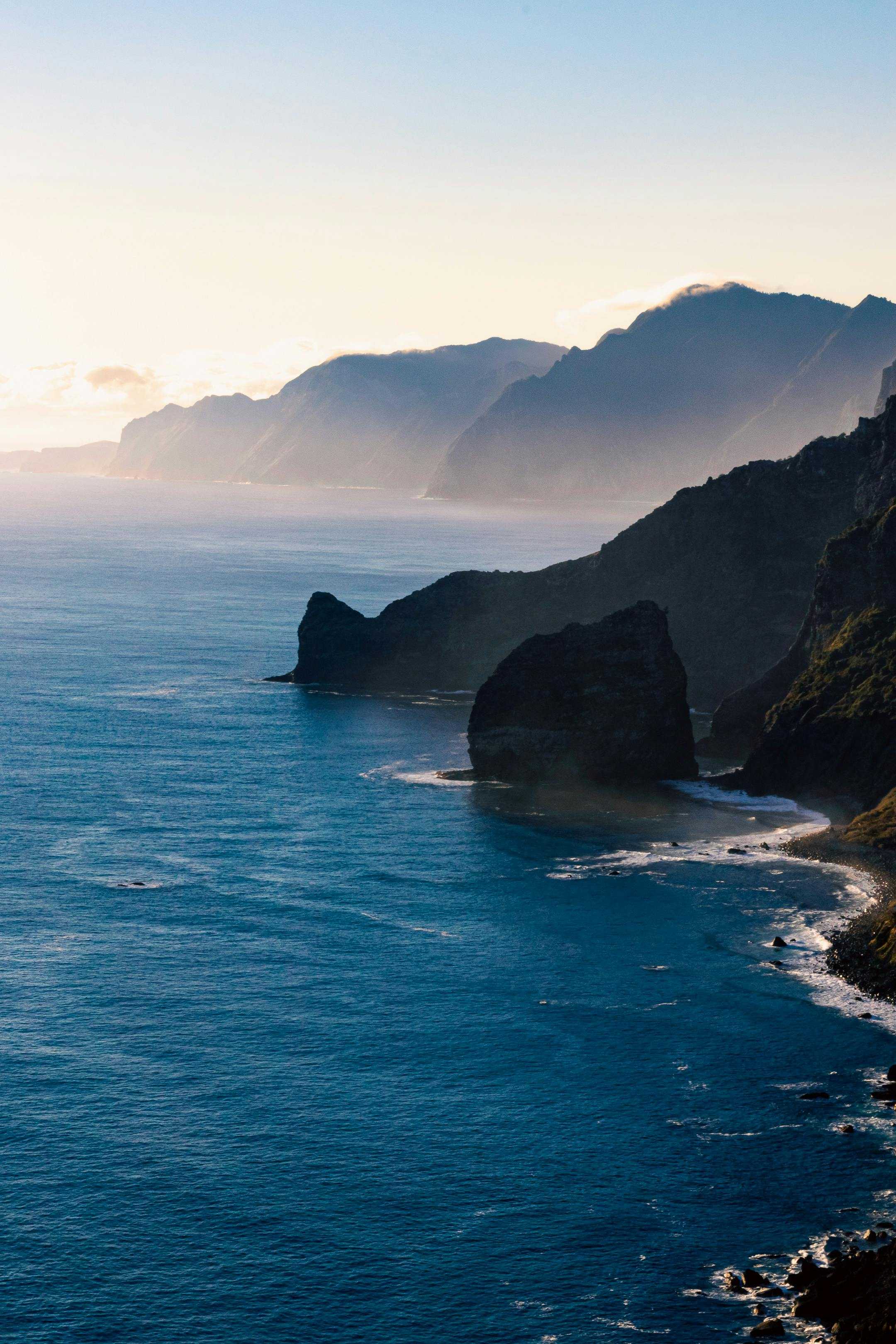
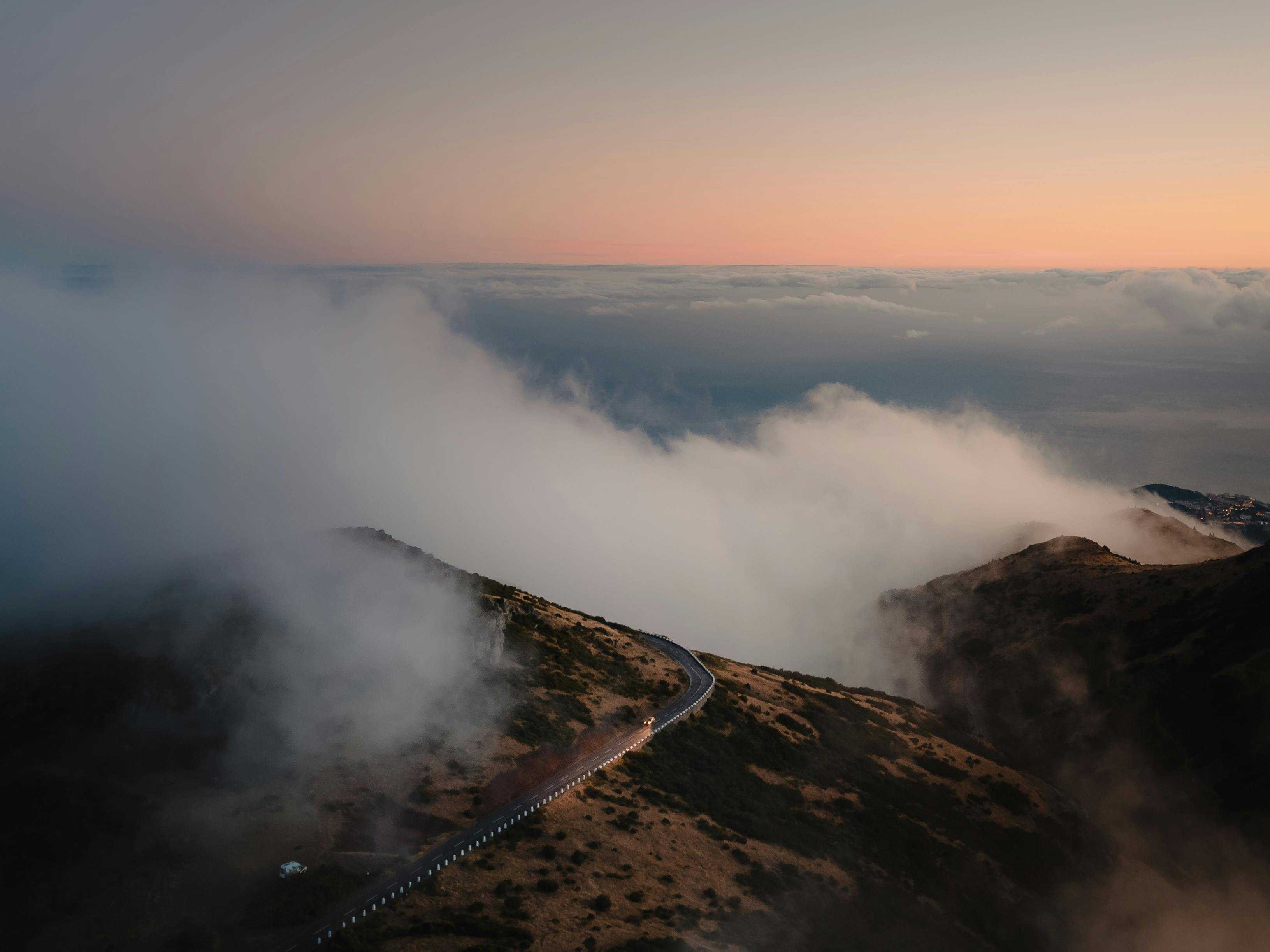
Escape to Madeira: Where Atlantic Blues Meet Emerald Peaks Madeira, a Portuguese archipelago adrift in the vast Atlantic Ocean, beckons travelers with a siren song of dramatic landscapes, year-round springtime, and a uni…

#Island destination#Volcanic landscapes#Tropical climate#Portuguese cuisine#Levada walks
1/13

Top hotels & flights

Hand-picked stays and the best fares into Madeira.

Top Hotels in Madeira

Top Flights to Madeira

Popular activities

Tours, tickets and experiences travelers book most in Madeira.

Tours

Visit Pico do Arieiro

Experience breathtaking views from one of the highest peaks of Madeira.

Explore Funchal Old Town

Discover the charm of narrow streets filled with historical and cultural landmarks.

Shopping

Shopping at Mercado dos Lavradores

Explore the vibrant market in Funchal, rich in local produce and crafts.

Outdoor

Levada Walks

Enjoy scenic hiking trails along Madeira's unique levada water channels.

Location videos

Real reels from travelers, plus longer watches to get the full picture.

From travelers
Watch & explore

Practical info

The essentials for planning your time in Madeira.

Currency
€ | EUR | Euro
Population
The approximate estimated total population of Madeira, Portugal, is '0.3 million'.
Languages
Portuguese, English

Local guide

What travelers love, what to watch for, and a deeper read on Madeira.

What people love

Madeira, located in Portugal, is known for its stunning natural beauty, pleasant climate, and rich cultural heritage. Here are some of the pros of traveling to Madeira:

  1. Scenic Landscapes: Madeira is renowned for its lush greenery, dramatic cliffs, and stunning ocean views. The island's volcanic origins have created a diverse and picturesque landscape that is a paradise for nature lovers and outdoor enthusiasts.

  2. Mild Climate: Madeira enjoys a mild subtropical climate year-round, making it an ideal destination for those seeking sunny weather and outdoor activities. The temperature rarely drops below 20°C, providing a pleasant environment for exploring the island.

  3. Outdoor Activities: Madeira offers a wide range of outdoor activities, including hiking, mountain biking, diving, and whale watching. The island's rugged terrain and diverse ecosystems provide ample opportunities for adventure and exploration.

  4. Rich History and Culture: Madeira has a rich history and vibrant cultural scene. Visitors can explore historic towns, churches, and museums, as well as sample the local cuisine and traditional Madeiran wine.

  5. Friendly Locals: Madeira is known for its warm and welcoming locals who are eager to share their island's beauty and traditions with visitors. The hospitality of the Madeiran people adds to the overall experience of traveling to the island.

Overall, traveling to Madeira offers a unique blend of natural beauty, outdoor activities, cultural experiences, and warm hospitality that make it a compelling destination for travelers seeking a memorable and immersive vacation.

Enjoy your trip to Madeira!

What to know

Traveling to Madeira, Portugal, like any destination, has its own set of cons. Here are some potential drawbacks of traveling to Madeira:

  1. Isolation: Madeira is a remote island located in the Atlantic Ocean, which means that it may be more difficult and expensive to travel to compared to mainland Portugal. If you are prone to seasickness, the ferry or plane journey to Madeira might be challenging.

  2. Limited public transportation: While Madeira has a bus system, it might not be as extensive or reliable as public transportation in larger cities. Renting a car could be a more convenient option for exploring the island.

  3. Weather: Madeira has a mild and subtropical climate, but it is also known for its unpredictable weather patterns. Rain showers can occur throughout the year, so it's important to pack accordingly and be prepared for sudden changes in weather.

  4. Tourist crowds: Madeira is a popular tourist destination, especially during peak seasons. If you prefer quiet and secluded places, you might find some areas of Madeira to be crowded with tourists.

  5. Cost of living: As a tourist destination, prices in Madeira can be higher compared to mainland Portugal, especially in touristy areas. Accommodation, dining, and activities might be more expensive in Madeira.

  6. Language barrier: While many people in Madeira speak English, the primary language is Portuguese. If you don't speak Portuguese, you may encounter some language barriers, especially in more remote areas.

  7. Natural disasters: Madeira is prone to natural disasters such as landslides and wildfires. While the local authorities take measures to prevent and mitigate these risks, it's important to stay informed and follow safety guidelines during your visit.

It's worth noting that these cons should be balanced with the many unique attractions and experiences that Madeira has to offer. Despite these drawbacks, Madeira is a beautiful destination with stunning landscapes, rich history, and warm hospitality.

Madeira is an autonomous region of Portugal located in the Atlantic Ocean, known for its lush landscapes, vibrant culture, and rich history. The archipelago consists of four islands, with the main island also called Madeira.

Significant Events:

  1. Discovery by Portuguese Explorers: Madeira was first discovered by Portuguese explorers in the early 15th century. The islands were uninhabited at the time of discovery.
  2. Colonization and Development: The Portuguese began to colonize Madeira, establishing settlements and introducing agriculture, particularly sugar cane production, which became a major industry for the islands.
  3. Battle of Machico: In 1419, the Battle of Machico took place, marking an important event in the early history of Madeira as the Portuguese successfully defeated the local inhabitants.
  4. Economic Growth: Madeira's economy thrived during the Age of Exploration, with the islands serving as a strategic stopover for ships traveling to the New World and East Indies.
  5. Modernization and Tourism: In the 20th century, Madeira underwent modernization and became a popular tourist destination known for its natural beauty, mild climate, and festivals.

Historical Figures:

  1. João Gonçalves Zarco: A Portuguese navigator who played a key role in the discovery and colonization of Madeira.
  2. Tristão Vaz Teixeira: Another Portuguese navigator who, along with Zarco, was instrumental in the exploration of the Madeira islands.
  3. Charles I of Austria: The last emperor of Austria, who spent his final years in exile on Madeira following World War I.

Important Landmarks:

  1. Funchal: The capital city of Madeira, known for its historic architecture, botanical gardens, and vibrant markets.
  2. Cabo Girão: One of the highest sea cliffs in Europe, offering panoramic views of the Atlantic Ocean.
  3. Levadas: Irrigation channels that crisscross the island, providing scenic walking paths through Madeira's stunning landscapes.
  4. Monte Palace Tropical Garden: A botanical garden featuring exotic plants, waterfalls, and panoramic views of Funchal.
  5. São Vicente Caves: Natural volcanic caves that offer insight into Madeira's geological history.

Overall, Madeira's history is characterized by exploration, colonization, and economic development, leading to its current status as a popular tourist destination with a unique blend of natural beauty and cultural heritage.