Liechtenstein
· LI

Liechtenstein

Liechtenstein

Liechtenstein, nestled in the heart of Europe between Switzerland and Austria, is a small but captivating principality that offers a wealth of experiences for travelers seeking a unique and enriching destination. Despite…

#landlocked country#mountainous terrain#German-speaking#constitutional monarchy#financial center
1/10

Top hotels & flights

Hand-picked stays and the best fares into Liechtenstein.

Top Hotels in Vaduz

Top Flights to Vaduz

Popular activities

Tours, tickets and experiences travelers book most in Liechtenstein.

Tours

Vaduz Castle Visit

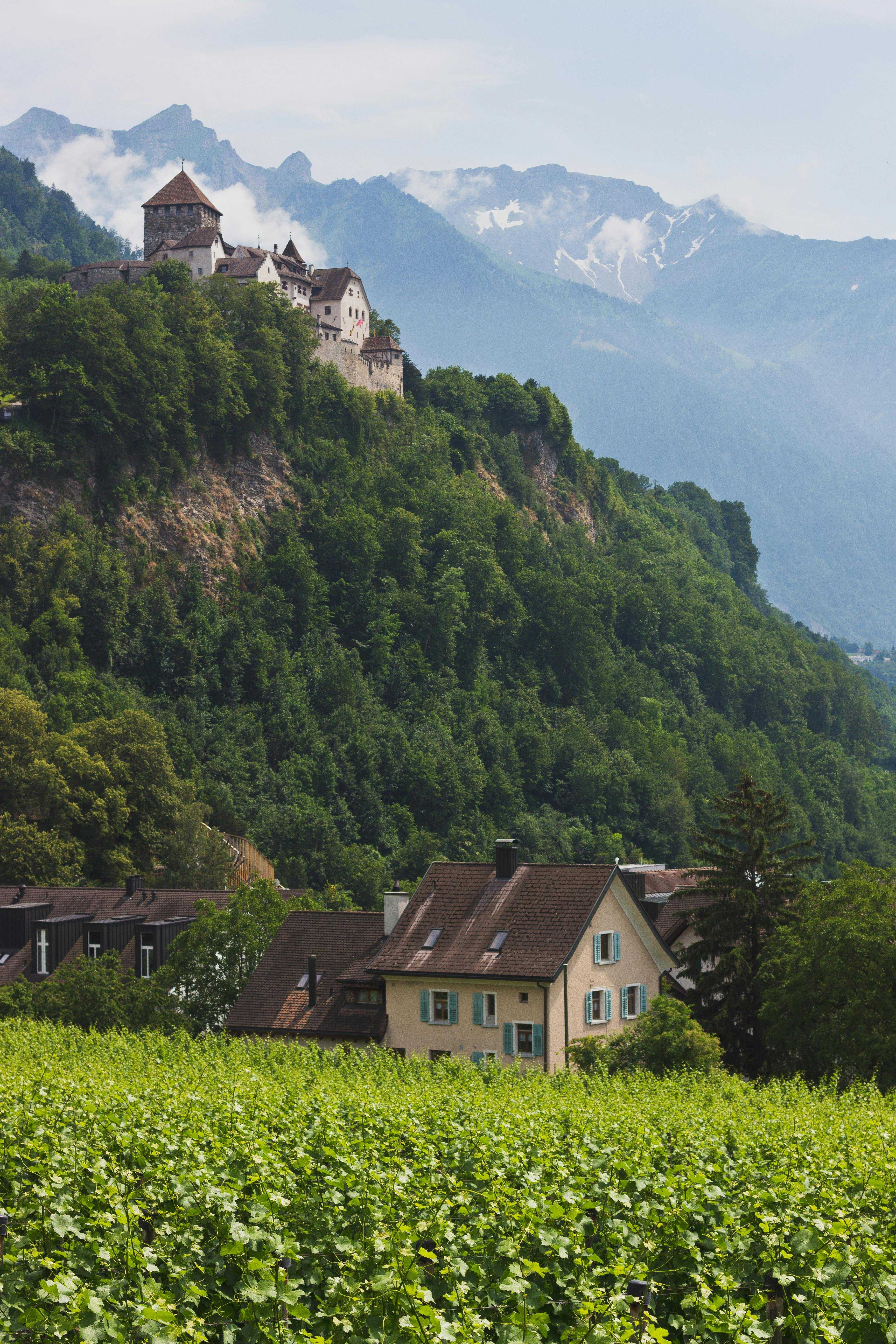
Explore the official residence of the Prince of Liechtenstein and enjoy panoramic views of Vaduz.

Shopping

Shopping at Designer Outlets Landquart

Shop for luxury brands at discounted prices near Liechtenstein in a picturesque outdoor setting.

Outdoor

Hiking in Liechtenstein Alps

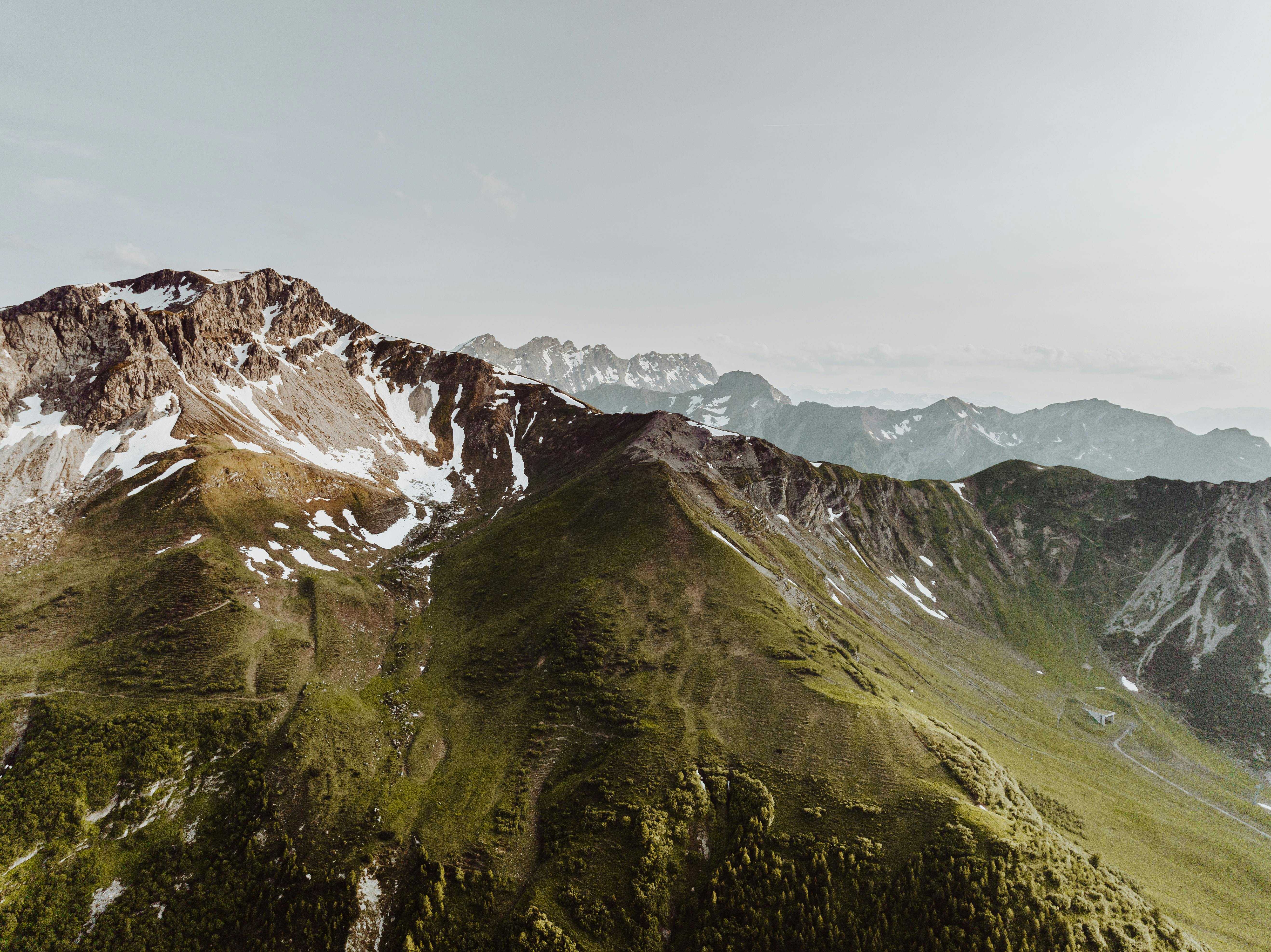
Experience breathtaking landscapes and trails in the Liechtenstein Alps suitable for various skill levels.

Location videos

Real reels from travelers, plus longer watches to get the full picture.

From travelers
Watch & explore

Practical info

The essentials for planning your time in Liechtenstein.

Currency
CHF | Swiss Franc | Switzerland Franc
Population
39,000
Average weather
Liechtenstein
Jan
snow
3°-3°
Feb
snow
5°-2°
Mar
cloud
10°0°
Apr
rain
14°3°
May
rain
19°8°
Jun
sun
23°12°
Jul
sun
25°14°
Aug
sun
24°14°
Sep
rain
20°11°
Oct
cloud
14°6°
Nov
cloud
8°2°
Dec
snow
4°-1°

Local guide

What travelers love, what to watch for, and a deeper read on Liechtenstein.

What people love

Liechtenstein, located in central Europe, is a small but beautiful country known for its stunning alpine landscapes, charming villages, and rich cultural heritage. Here are some pros of traveling to Liechtenstein:

  1. Scenic Beauty: Liechtenstein offers breathtaking natural landscapes with majestic mountains, pristine lakes, and picturesque valleys. It is a paradise for nature lovers, hikers, and outdoor enthusiasts.

  2. Peaceful and Safe: Liechtenstein is one of the safest countries in the world, making it an ideal destination for travelers seeking a peaceful and secure environment to explore.

  3. Rich Culture: Despite its small size, Liechtenstein has a rich cultural heritage with a mix of Austrian and Swiss influences. Visitors can explore historic castles, museums, art galleries, and traditional festivals.

  4. Outdoor Activities: Liechtenstein is a haven for outdoor activities such as hiking, skiing, snowboarding, mountain biking, and paragliding. The country's diverse landscapes offer a wide range of opportunities for adventure seekers.

  5. Easy to Explore: Liechtenstein is a compact country, making it easy to travel around and explore its attractions within a short period. Visitors can visit multiple villages, museums, and landmarks in a single day.

  6. Unique Experience: Traveling to Liechtenstein offers a unique experience due to its small population, pristine environment, and friendly locals. It provides a peaceful retreat away from the hustle and bustle of larger tourist destinations.

Overall, Liechtenstein is a hidden gem in Europe that offers a perfect blend of natural beauty, cultural experiences, and outdoor adventures for travelers seeking a unique and memorable vacation.

Enjoy your trip to Liechtenstein!

What to know

Some potential cons of traveling to Liechtenstein include:

  1. Limited public transportation: Liechtenstein is a small country with limited public transportation options, which may make it challenging to get around if you don't have access to a car.

  2. Limited nightlife and entertainment options: Due to its small size, Liechtenstein may not offer as many nightlife and entertainment options as larger cities or countries.

  3. Higher cost of living: Liechtenstein is known for its high cost of living, which may make it more expensive for travelers compared to other destinations.

  4. Limited accommodation options: Liechtenstein has a limited number of hotels and accommodations, so it's important to book in advance, especially during peak tourist seasons.

  5. Limited tourist attractions: While Liechtenstein offers beautiful scenery and outdoor activities, it may not have as many tourist attractions or historical sites compared to other European countries.

Overall, while Liechtenstein is a charming and picturesque destination, travelers should be prepared for some limitations in terms of transportation, entertainment options, and cost.

Liechtenstein, officially the Principality of Liechtenstein, is a small, landlocked country situated in the Alps between Switzerland and Austria. Despite its small size, Liechtenstein has a rich history that has shaped its current status as a sovereign state. Here's a detailed history of Liechtenstein:

Early History

  • Prehistoric Settlements: The region now known as Liechtenstein was inhabited by Celts and later came under Roman control around 15 BC. After the fall of the Roman Empire, it became part of the territory of the Alemanni, a Germanic tribe.

Formation and Middle Ages

  • Holy Roman Empire: The area was part of the Holy Roman Empire. In the medieval period, it was divided into two separate regions: the County of Vaduz and the Lordship of Schellenberg.
  • 1600s: These regions were acquired by the Liechtenstein family, a noble family from Austria, in the late 17th and early 18th centuries. The Liechtensteins sought a direct seat in the Imperial Diet of the Holy Roman Empire, which required possessing land that was under direct imperial jurisdiction.

Establishment as a Principality

  • 1719: The two territories, Vaduz and Schellenberg, were united and elevated to the status of a principality by Emperor Charles VI, forming the Principality of Liechtenstein, named after the Liechtenstein family.

19th Century

  • Napoleonic Wars and the Confederation of the Rhine: Liechtenstein joined the Confederation of the Rhine under Napoleon’s influence. After the fall of Napoleon, it became part of the German Confederation until its dissolution in 1866.
  • 1868: Liechtenstein disbanded its army due to financial constraints and declared permanent neutrality.

20th Century

  • World Wars: Liechtenstein remained neutral during both World War I and World War II. After WWI, the principality faced economic difficulties and formed a customs union with Switzerland in 1923, which greatly influenced its economic policies.
  • Post-WWII: The country developed into a prosperous financial center due to favorable tax laws and banking secrecy.

Modern Times

  • EU Relations: Although not a member of the European Union, Liechtenstein joined the European Economic Area (EEA) in 1995, which allowed it to participate in the EU single market.
  • Financial Reforms: In recent years, Liechtenstein has implemented financial reforms to align with international transparency standards.

Significant Historical Figures

  • Prince Johann I Joseph: Ruled from 1805 to 1836, and led Liechtenstein during the tumultuous period of the Napoleonic Wars.
  • Prince Franz Joseph II: Reigned from 1938 to 1989, modernized the country, and strengthened ties with Switzerland.

Important Landmarks

  • Vaduz Castle: The residence of the Prince of Liechtenstein, located above the capital city, Vaduz.
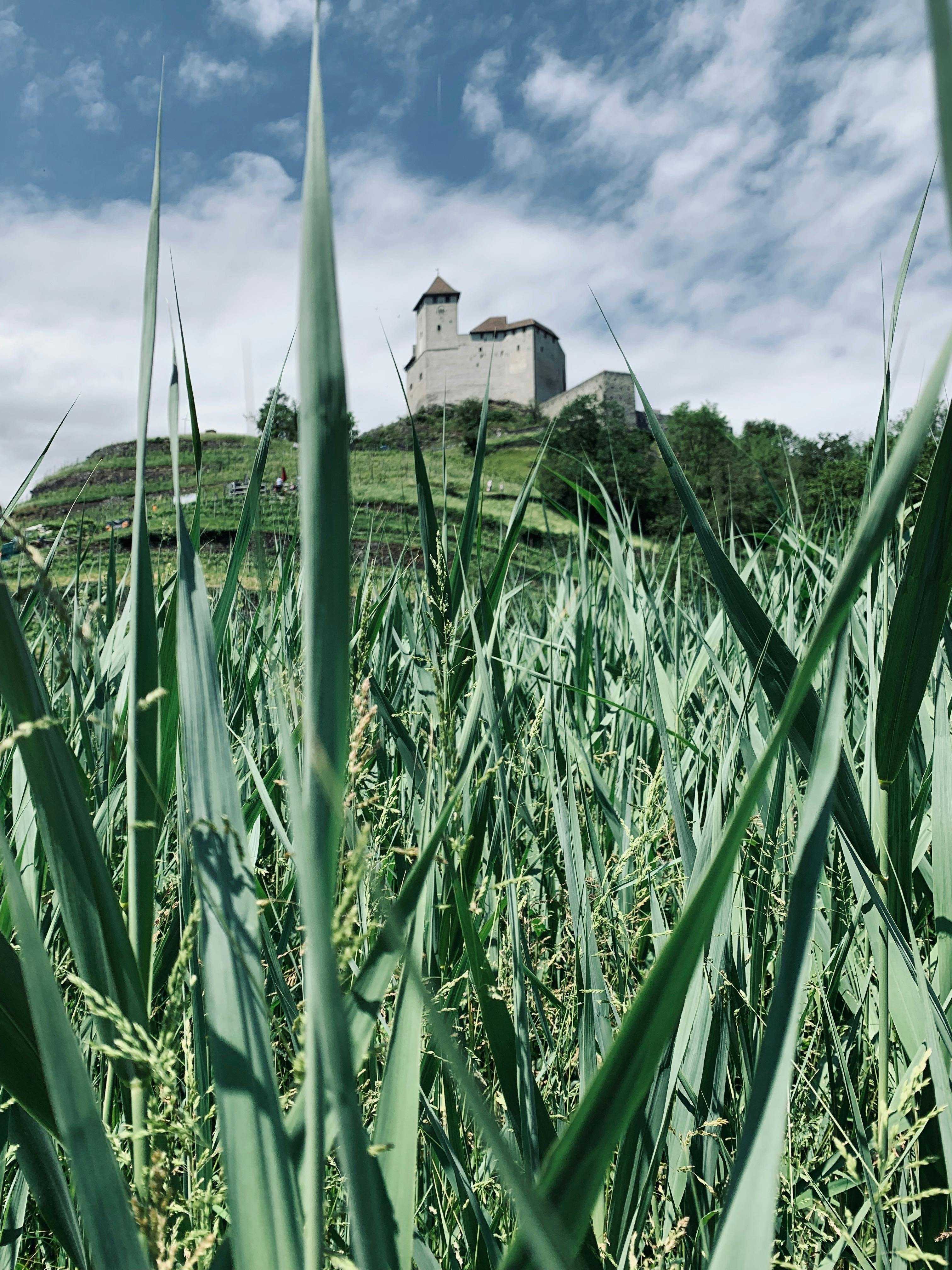
  • Gutenberg Castle: A well-preserved castle in the town of Balzers, used for cultural events and exhibitions.
  • Liechtenstein National Museum: Located in Vaduz, it provides insights into the cultural and historical heritage of the principality.
  • Parliament Building: Located in Vaduz, it is the seat of the Landtag, the national parliament of Liechtenstein.

Liechtenstein today is known for its high standard of living, low crime rate, and strong financial sector. Despite being one of the smallest countries in the world, it has maintained its independence and has a unique cultural identity.