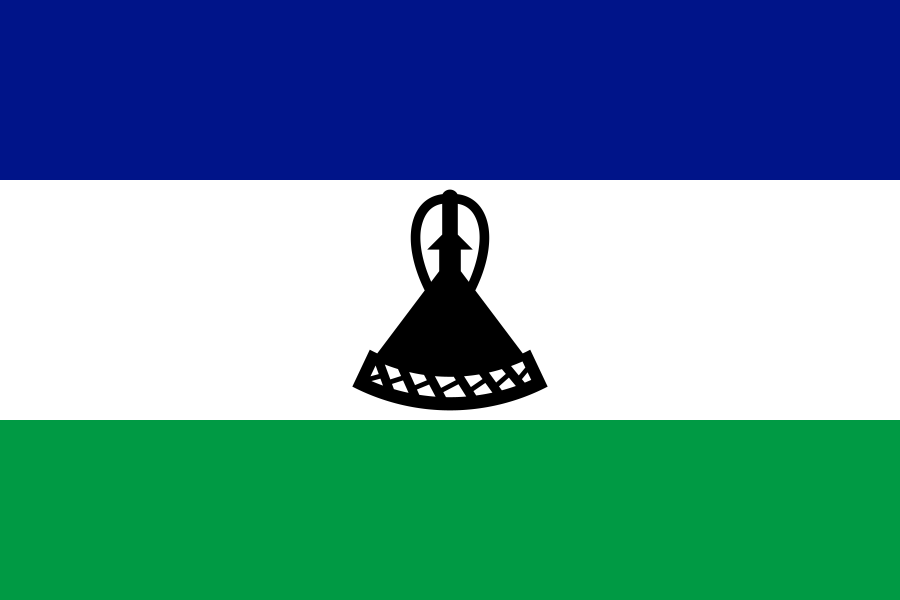
Lesotho
· LS

Lesotho

Lesotho

Escape to the Mountain Kingdom: Lesotho Awaits Nestled amidst the majestic Drakensberg Mountains, entirely enclaved within South Africa, lies the Kingdom of Lesotho. Affectionately known as the "Kingdom in the Sky", Les…

#landlocked country#mountainous terrain#capital city: Maseru#Southern Africa#Sesotho-speaking population
1/6

Top hotels & flights

Hand-picked stays and the best fares into Lesotho.

Top Hotels in Maseru

Top Flights to Maseru

Popular activities

Tours, tickets and experiences travelers book most in Lesotho.

Tours

Visit Katse Dam

The impressive Katse Dam offers guided tours and panoramic views of the surrounding landscape.

Shopping

Shop at Pioneer Mall

A vibrant shopping center in the heart of Maseru, offering a variety of local and international brands.

Outdoor

Explore Tse'hlanyane National Park

A breathtaking national park full of unique flora and fauna. Perfect for hiking and nature enthusiasts.

Location videos

Real reels from travelers, plus longer watches to get the full picture.

Watch & explore

Practical info

The essentials for planning your time in Lesotho.

Currency
L | LSL | Lesotho Loti
Population
2.3 million
Languages
English, English, Sesotho
Average weather
Lesotho
Jan
rain
26°15°
Feb
rain
25°15°
Mar
rain
24°13°
Apr
cloud
21°9°
May
clear
18°4°
Jun
cold
15°0°
Jul
cold
15°0°
Aug
clear
17°3°
Sep
clear
21°7°
Oct
sun
23°10°
Nov
sun
25°13°
Dec
rain
26°15°

Local guide

What travelers love, what to watch for, and a deeper read on Lesotho.

What people love

Lesotho, a small landlocked country completely surrounded by South Africa, offers a unique travel experience with several advantages:

  1. Stunning Scenery: Lesotho is known for its breathtaking natural beauty, including high mountains, lush valleys, and picturesque villages. The Maluti Mountains provide a stunning backdrop for outdoor activities like hiking, horseback riding, and skiing.

  2. Rich Culture: The Basotho people have a rich cultural heritage with traditional music, dance, and crafts. Visitors can immerse themselves in local traditions by attending cultural festivals, visiting craft markets, and trying traditional cuisine.

  3. Adventure Activities: Lesotho is a paradise for adventure enthusiasts, offering activities such as hiking, mountain biking, rock climbing, and pony trekking. The rugged terrain and unspoiled landscapes provide endless opportunities for outdoor adventures.

  4. Peaceful Atmosphere: With a low crime rate and friendly locals, Lesotho offers a safe and peaceful environment for travelers. The laid-back pace of life and lack of commercialization make it a relaxing destination to escape the hustle and bustle of city life.

  5. Unique Lodging Options: Lesotho has a range of accommodation options, from luxury lodges and boutique hotels to homestays in traditional Basotho villages. Staying in a traditional rondavel or mountain chalet can enhance the cultural experience.

Overall, traveling to Lesotho can provide a refreshing escape into nature, culture, and adventure, offering a truly authentic African experience.

What to know

Some potential cons of traveling to Lesotho may include:

  1. Limited infrastructure: Lesotho is a small, landlocked country with limited infrastructure, especially in rural areas. This may affect transportation, accommodation, and other services for travelers.

  2. Altitude sickness: Lesotho has a high altitude, with much of the country situated above 1,000 meters. Travelers may experience symptoms of altitude sickness, such as headaches, nausea, and fatigue.

  3. Limited healthcare facilities: While there are hospitals and clinics in Lesotho, the quality of healthcare may not be up to the standards of Western countries. Travelers should be prepared for potential medical challenges.

  4. Safety concerns: While Lesotho is generally considered safe for travelers, there have been reports of crime, particularly in urban areas. Travelers should take precautions to ensure their safety and security.

  5. Limited tourist infrastructure: Lesotho is not as developed for tourism as some other African countries, so travelers may find fewer amenities and activities compared to more popular destinations.

Overall, Lesotho can be a rewarding destination for travelers seeking a unique cultural experience and stunning natural landscapes, but it's important to be aware of these potential challenges before planning a trip.

Lesotho, officially the Kingdom of Lesotho, is a landlocked country in Southern Africa, completely surrounded by South Africa. Its history is rich and complex, shaped by its geography, colonial influences, and indigenous cultures.

Early History

Lesotho's history dates back to prehistoric times, with evidence of San (Bushmen) habitation through rock art found throughout the region. The San were later displaced by Bantu-speaking peoples, including the Basotho, who are the predominant ethnic group today.

19th Century: Formation of the Basotho Nation

The modern history of Lesotho began in the early 19th century with the rise of King Moshoeshoe I (circa 1786–1870). Under his leadership, the Basotho nation was formed. Moshoeshoe I is a pivotal historical figure, known for his diplomacy and military strategy during a time of regional conflict known as the Difaqane (or Mfecane), which involved widespread chaos and warfare among indigenous African groups.

British Protectorate

In the 1830s and 1840s, Moshoeshoe I faced increasing pressure from Boer settlers in the Orange Free State. In response, he sought British assistance, and in 1868, Basutoland (as Lesotho was then known) became a British protectorate. This move helped preserve the Basotho nation during a period of regional upheaval.

Colonial Period

Basutoland remained a British protectorate until it achieved autonomy in the 1960s. During the colonial period, the British implemented indirect rule, which allowed traditional leaders to maintain some authority, though under British oversight. This period saw the development of infrastructure and the introduction of Western education.

Independence

Lesotho gained full independence from the United Kingdom on October 4, 1966. The first Prime Minister was Chief Leabua Jonathan. However, the post-independence period was marked by political instability. In 1970, Jonathan annulled elections and declared a state of emergency, which led to a period of authoritarian rule.

Political Turmoil and Military Rule

Lesotho experienced a series of coups and political crises from the 1970s through the 1990s. In 1986, a military coup ousted Jonathan, and Major General Justin Lekhanya took control. In 1991, Lekhanya was deposed by another military coup. In 1993, democracy was restored with the election of the Basotho Congress Party.

Modern Era

Lesotho's political landscape has remained turbulent, with frequent changes in government. The country's constitutional monarchy has seen several prime ministers, with notable figures such as Ntsu Mokhehle and Pakalitha Mosisili playing significant roles.

In 1998, political tension led to violent protests and an intervention by South African and Botswanan forces under SADC auspices to restore order.

Important Landmarks

  1. Thaba Bosiu: A sandstone plateau in the lowlands, historically the stronghold of King Moshoeshoe I, and considered a symbol of Basotho unity and independence.

  2. Maletsunyane Falls: One of the highest single-drop waterfalls in Africa, located near the town of Semonkong.

  3. Sehlabathebe National Park: Lesotho's first national park, part of the Maloti-Drakensberg World Heritage Site, known for its stunning landscapes and biodiversity.

  4. Katse Dam: Part of the Lesotho Highlands Water Project, the dam is a significant feat of engineering and a source of water to South Africa.

Lesotho's unique geographic position and mountainous terrain have contributed to its distinct cultural and historical trajectory, maintaining a degree of cultural continuity despite external pressures. The nation continues to navigate challenges related to political stability, economic development, and social welfare.