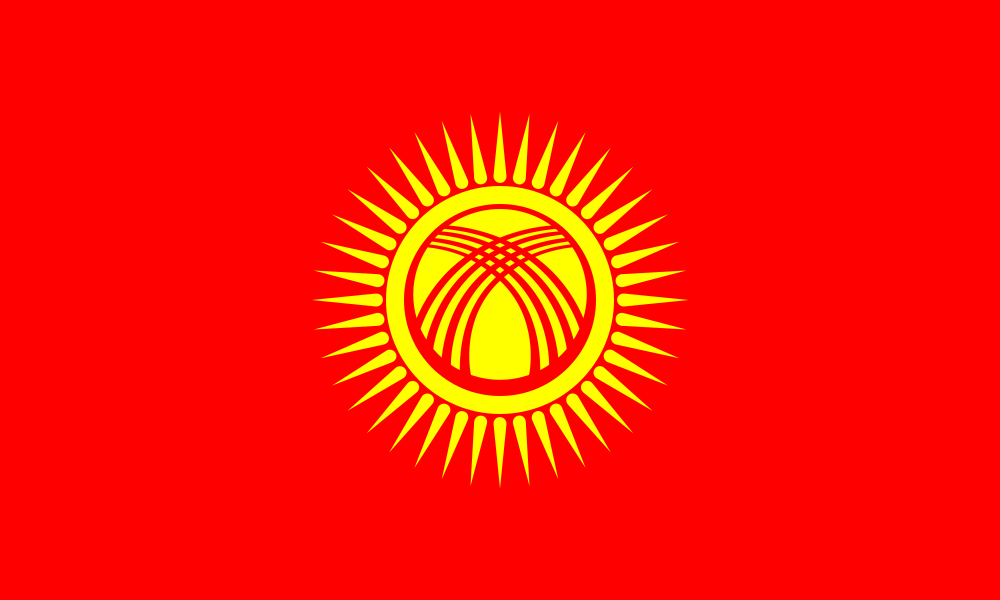
Kyrgyzstan
· KG

Kyrgyzstan

Kyrgyzstan

Kyrgyzstan: Where Mountains Meet the Sky and Nomadic Traditions Thrive Kyrgyzstan, a landlocked jewel nestled in the heart of Central Asia, beckons adventurers and wanderers with its breathtaking landscapes, ancient Silk…

#Central Asia#Mountainous#Nomadic culture#Silk Road#Lake Issyk-Kul
1/8

Top hotels & flights

Hand-picked stays and the best fares into Kyrgyzstan.

Top Hotels in Bishkek

Top Flights to Bishkek

Popular activities

Tours, tickets and experiences travelers book most in Kyrgyzstan.

Tours

Bishkek City Tour

Discover the cultural and historical landmarks in the capital city of Kyrgyzstan.

Tash Rabat Caravanserai

Visit the ancient stone caravanserai which was a resting place for travelers on the Great Silk Road.

Sary-Chelek Nature Reserve

A beautiful nature reserve known for its biodiversity and stunning landscapes.

Jeti-Oguz Canyon Tour

Marvel at the striking red rock formations and the scenic landscapes.

Shopping

Osh Bazaar Shopping Trip

Experience the hustle and bustle of one of the largest markets in the city.

Kochkor Felt Art Workshop

Discover the traditional art of felt making in a hands-on workshop.

Outdoor

Explore Ala-Archa National Park

A stunning natural park offering breathtaking views of the mountains, ideal for hiking and nature walks.

Visit Issyk-Kul Lake

A breathtaking alpine lake surrounded by mountains, perfect for water activities and relaxation.

Karakol Ski Resort Adventure

Enjoy skiing and snowboarding in one of the best ski locations in Central Asia.

Arslanbob Walnut Forest Trek

Explore the largest walnut forest in the world with beautiful hiking trails.

Location videos

Real reels from travelers, plus longer watches to get the full picture.

From travelers
Watch & explore

Practical info

The essentials for planning your time in Kyrgyzstan.

Currency
сом | KGS | Kyrgyzstani Som
Population
6.6 million
Languages
Kyrgyz, Russian, Uzbek
Average weather
Kyrgyzstan
Jan
snow
-2°-10°
Feb
snow
0°-8°
Mar
cloud
5°-4°
Apr
rain
12°2°
May
rain
18°7°
Jun
sun
24°12°
Jul
hot
28°15°
Aug
hot
27°14°
Sep
sun
21°9°
Oct
cloud
14°3°
Nov
cloud
7°-2°
Dec
snow
1°-7°

Local guide

What travelers love, what to watch for, and a deeper read on Kyrgyzstan.

What people love

Kyrgyzstan is a beautiful country located in Central Asia with stunning natural landscapes, rich culture, and warm hospitality. Here are some pros of traveling to Kyrgyzstan:

  1. Scenic Beauty: Kyrgyzstan is known for its breathtaking mountains, pristine lakes, and lush valleys. Travelers can experience stunning landscapes like the Tien Shan mountain range, Son-Kul Lake, and Issyk-Kul Lake.

  2. Outdoor Adventures: Kyrgyzstan is a paradise for outdoor enthusiasts, offering a wide range of activities such as trekking, horseback riding, skiing, and mountaineering. Travelers can explore the country's diverse terrain and enjoy various outdoor adventures.

  3. Rich Culture: Kyrgyzstan has a rich cultural heritage with a blend of nomadic traditions, Soviet influences, and modern developments. Travelers can visit historic sites, traditional villages, and attend cultural events to learn more about the country's history and traditions.

  4. Affordable Travel: Kyrgyzstan is a budget-friendly destination compared to many other countries, offering affordable accommodation, transportation, and dining options. Travelers can experience the beauty of Kyrgyzstan without breaking the bank.

  5. Warm Hospitality: The people of Kyrgyzstan are known for their warm hospitality and welcoming nature. Travelers can interact with locals, experience traditional customs, and learn about the Kyrgyz way of life.

Overall, traveling to Kyrgyzstan offers a unique and memorable experience for those seeking adventure, culture, and natural beauty in a lesser-known destination.

Enjoy your trip to Kyrgyzstan!

What to know

Traveling to Kyrgyzstan, like any destination, has its own set of potential drawbacks. Here are some cons to consider:

  1. Safety Concerns: While Kyrgyzstan is generally a safe country for tourists, there have been occasional reports of petty crime such as pickpocketing and scams targeting travelers. It is important to remain vigilant and take necessary precautions to ensure your safety.

  2. Language Barrier: The official language in Kyrgyzstan is Kyrgyz, and while Russian is also widely spoken, English proficiency is limited, especially outside of major cities. This can sometimes make communication challenging for English-speaking travelers.

  3. Infrastructure: Kyrgyzstan's infrastructure, particularly outside of urban areas, may not be as developed as in more touristy destinations. This can lead to challenges with transportation, accommodation, and access to amenities.

  4. Altitude Sickness: Kyrgyzstan is a mountainous country with high altitudes, and travelers may experience symptoms of altitude sickness, such as headaches, dizziness, and fatigue, especially when visiting regions like the Tien Shan mountains.

  5. Limited Tourist Facilities: While Kyrgyzstan is known for its natural beauty and outdoor activities, the country may lack the tourist facilities and services found in more established tourist destinations. This could impact the overall travel experience for some visitors.

  6. Weather Extremes: Kyrgyzstan experiences a wide range of weather conditions, from hot summers to harsh winters. Travelers need to be prepared for these extremes and plan their trips accordingly to avoid weather-related challenges.

  7. Political Instability: While Kyrgyzstan has made progress in terms of democratization, there have been instances of political unrest and protests in the past. Travelers should stay informed about the current political situation and exercise caution during times of potential unrest.

It's important to note that these cons should not discourage you from visiting Kyrgyzstan, as the country offers unique cultural experiences and stunning landscapes. By being prepared and informed, you can have a safe and enjoyable travel experience in Kyrgyzstan.

Kyrgyzstan, officially known as the Kyrgyz Republic, is a landlocked country in Central Asia, characterized by its mountainous terrain. Its history is rich and complex, influenced by various empires, cultures, and events.

Early History and Antiquity

  • Ancient Inhabitants: The territory of modern-day Kyrgyzstan has been inhabited since at least 2000 BC. Early nomadic tribes such as the Scythians and later the Saka people roamed these lands.
  • Kyrgyz Tribes: The Kyrgyz people are believed to have originated from the Siberian region of Yenisey. By the 10th century, they had migrated to the area that is now Kyrgyzstan.

The Silk Road

  • Silk Road Influence: Kyrgyzstan was a significant part of the Silk Road, the ancient trade route that connected the East and West. This brought various cultural, religious, and economic influences to the region.
  • Osh and Bishkek: Cities like Osh were important trade hubs on the Silk Road.

Mongol Empire and Later Rule

  • Mongol Invasion: In the 13th century, the area was conquered by the Mongol Empire under Genghis Khan, which significantly impacted the region's demographics and culture.
  • Timurid and Uzbek Rule: After the Mongols, the region saw control by the Timurids and later Uzbek khanates.

Russian Empire and Soviet Era

  • Russian Conquest: In the 19th century, the Russian Empire expanded into Central Asia. By the 1870s, Kyrgyzstan was incorporated into the Russian Empire.
  • Soviet Union: Following the Russian Revolution of 1917, Kyrgyzstan became part of the Soviet Union as the Kara-Kyrgyz Autonomous Oblast in 1924. It later became the Kirghiz Soviet Socialist Republic in 1936.

Independence and Modern Era

  • Independence: Kyrgyzstan declared independence from the Soviet Union on August 31, 1991, following the dissolution of the USSR.
  • Tulip Revolution: In 2005, widespread protests led to the ousting of President Askar Akayev, known as the Tulip Revolution.
  • 2010 Revolution: Political instability continued, culminating in another revolution in 2010 that led to the establishment of a more democratic form of government.

Significant Historical Figures

  • Kurmanjan Datka (1811–1907): Known as the "Queen of the South," she was a prominent political leader and a symbol of national resistance against Russian colonization.
  • Chingiz Aitmatov (1928–2008): A world-renowned Kyrgyz author and statesman, Aitmatov's works explore the themes of tradition and modernity.

Important Landmarks

  • Issyk-Kul Lake: One of the largest and deepest alpine lakes in the world, known for its natural beauty and historical significance.
  • Burana Tower: An ancient minaret in the Chuy Valley, dating back to the 9th century, which is part of the remnants of the Silk Road trade city of Balasagun.
  • Ala-Too Square: The central square in Bishkek, often a site for political gatherings and celebrations.
  • Suleiman-Too: A sacred mountain in Osh, considered a place of Muslim pilgrimage and a UNESCO World Heritage site.

Kyrgyzstan continues to navigate its post-Soviet identity, balancing traditional practices with modern statehood. Its history is a testament to the resilience and adaptability of its people amidst the challenges of a changing world.