
Krung Thep Maha Nakhon
· TH

Krung Thep Maha Nakhon

Krung Thep Maha Nakhon, Thailand

Krung Thep Maha Nakhon, commonly known as Bangkok, is the vibrant and bustling capital of Thailand. This sprawling metropolis seamlessly blends ancient traditions with modern marvels. Explore iconic temples like Wat Arun…

#Bangkok#Thailand#capital city#cultural hub#tourist destination
1/12

Top hotels & flights

Hand-picked stays and the best fares into Krung Thep Maha Nakhon.

Top Hotels in Krung Thep Maha Nakhon

Top Flights to Krung Thep Maha Nakhon

Location videos

Real reels from travelers, plus longer watches to get the full picture.

From travelers
Watch & explore

Practical info

The essentials for planning your time in Krung Thep Maha Nakhon.

Currency
฿ | THB | Thai Baht
Population
Information not available.
Languages
Thai, Thai, English

Local guide

What travelers love, what to watch for, and a deeper read on Krung Thep Maha Nakhon.

What people love

Krung Thep Maha Nakhon, commonly known as Bangkok, is the capital city of Thailand and a popular destination for travelers. Here are some pros of traveling to Bangkok:

  1. Rich Culture and History: Bangkok is home to stunning temples, such as Wat Arun and Wat Pho, which showcase intricate architecture and centuries-old traditions. The city also has several museums and cultural sites where you can learn about Thailand's history and heritage.

  2. Vibrant Street Life: Bangkok is known for its bustling street markets, vibrant nightlife, and delicious street food. Exploring the city's markets like Chatuchak Weekend Market or sampling local dishes at food stalls is a must-do for visitors.

  3. Shopping Paradise: Bangkok is a shopper's paradise with a wide range of shopping options, from luxury malls like Siam Paragon to budget-friendly markets like Pratunam. You can find everything from designer brands to unique handicrafts and souvenirs.

  4. Affordable Prices: Compared to other major cities, Bangkok offers great value for money, making it an attractive destination for budget travelers. Accommodation, food, and transportation are generally affordable, allowing you to experience a lot without breaking the bank.

  5. Easy Access to Beaches and Islands: Bangkok serves as a convenient gateway to Thailand's beautiful beaches and islands. You can easily take a short flight or bus ride to popular destinations like Phuket, Krabi, or Koh Samui for a beach getaway.

  6. Hospitality and Warmth: Thai people are known for their hospitality and friendly nature, making visitors feel welcome and at home. You'll often encounter warm smiles and helpful locals during your time in Bangkok.

Overall, traveling to Bangkok offers a mix of culture, shopping, food, and experiences that cater to a wide range of interests, making it a compelling destination for travelers.

What to know

Krung Thep Maha Nakhon is the official name for Bangkok, Thailand. While Bangkok is a vibrant and exciting city to visit, there are some cons to consider when traveling there:

  1. Traffic congestion: Bangkok is notorious for its heavy traffic, especially during peak hours. This can make getting around the city time-consuming and frustrating.

  2. Air pollution: Bangkok's air quality can be poor at times, particularly during the dry season. This may pose health risks, especially for those with respiratory issues.

  3. Crowds: Bangkok is a bustling city with a large population, so popular tourist areas and attractions can get very crowded. This may detract from the overall travel experience.

  4. Scams: Like any popular tourist destination, Bangkok has its fair share of scams targeting unsuspecting travelers. It's important to be vigilant and cautious to avoid falling victim to scams.

  5. Language barrier: While English is widely spoken in tourist areas, communication can still be a challenge in some parts of Bangkok. It's helpful to learn some basic Thai phrases or have a translation app handy.

  6. Humidity: Bangkok has a tropical climate with high humidity levels, which can be uncomfortable for some travelers, especially if they are not used to such conditions.

Overall, while Bangkok has many attractions and experiences to offer, travelers should be prepared for some of the challenges that come with visiting a bustling, cosmopolitan city like Krung Thep Maha Nakhon.

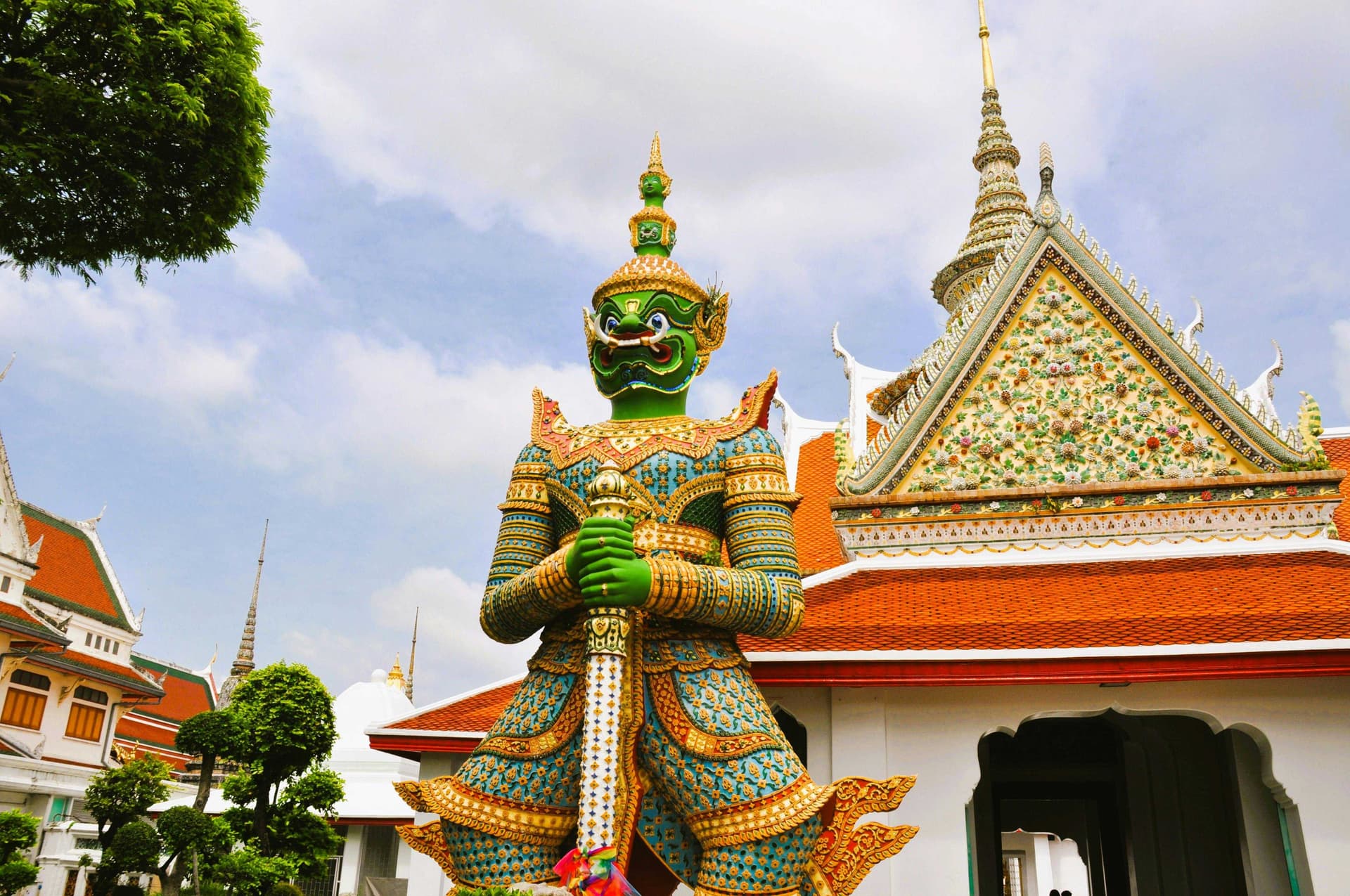
Krung Thep Maha Nakhon, more commonly known internationally as Bangkok, is the capital city of Thailand. Its full ceremonial name is "Krung Thep Maha Nakhon Amon Rattanakosin Mahinthara Ayuthaya Mahadilok Phop Noppharat Ratchathani Burirom Udomratchaniwet Mahasathan Amon Piman Awatan Sathit Sakkathattiya Witsanukam Prasit," which is recognized as the world's longest place name.

Founding and Early History

  • Founded in 1782: Krung Thep Maha Nakhon was established as the capital of Siam (now Thailand) by King Rama I, the first monarch of the Chakri Dynasty, after moving the capital from Thonburi. This move was partly strategic, to better defend against potential invasions.
  • Rattanakosin Era: The city's founding marked the beginning of the Rattanakosin Era. The Grand Palace and Wat Phra Kaew (Temple of the Emerald Buddha) were constructed, becoming the religious and administrative heart of the city.

Significant Historical Figures

  • King Rama I (1737-1809): The founder of Bangkok and the Chakri Dynasty. He oversaw the construction of significant structures and established Bangkok as the cultural and political center of Siam.
  • King Mongkut (Rama IV, 1804-1868) and King Chulalongkorn (Rama V, 1853-1910): These kings are credited with modernizing Thailand. King Chulalongkorn in particular implemented significant reforms in the government and infrastructure, including the construction of roads and the introduction of a modern education system.

19th Century Developments

  • Modernization: Under King Chulalongkorn, Western advisors were brought in, and infrastructure such as roads, railways, and public utilities were developed. This era saw the introduction of electricity, telegraphs, and modern printing.
  • Siamese Revolution of 1932: This bloodless coup ended the absolute monarchy, leading to a constitutional monarchy. Bangkok played a central role in these political changes.

20th Century Events

  • World War II: Bangkok was occupied by Japanese forces during World War II but avoided significant destruction compared to other regional cities.
  • Post-War Growth: The city experienced rapid growth and industrialization, transforming into a major regional and international hub.

Important Landmarks

  • Grand Palace: The official residence of the Kings of Siam since 1782, although the current monarch resides at the Dusit Palace.
  • Wat Phra Kaew: Located within the precincts of the Grand Palace, it is the most sacred Buddhist temple in Thailand.
  • Wat Arun: Known as the Temple of Dawn, it is one of Bangkok's most iconic landmarks located on the Thonburi side of the Chao Phraya River.
  • Jim Thompson House: The former home of American businessman and Thai silk industry pioneer Jim Thompson, now a museum.
  • Democracy Monument: Erected to commemorate the 1932 revolution that led to the establishment of a constitutional monarchy.

Recent Developments

  • Economic Hub: Today, Bangkok is one of Southeast Asia's most important financial and economic centers, known for its vibrant street life and cultural landmarks.
  • Tourism: The city is a major tourist destination, celebrated for its food, nightlife, and shopping, as well as its historical and cultural sites.
  • Political Scene: Bangkok has been at the heart of political protests and movements, reflecting ongoing social and political changes in Thailand.

Krung Thep Maha Nakhon continues to be a city of great significance, blending historical tradition with modern dynamism.