Kosovo
· XK

Kosovo

Kosovo

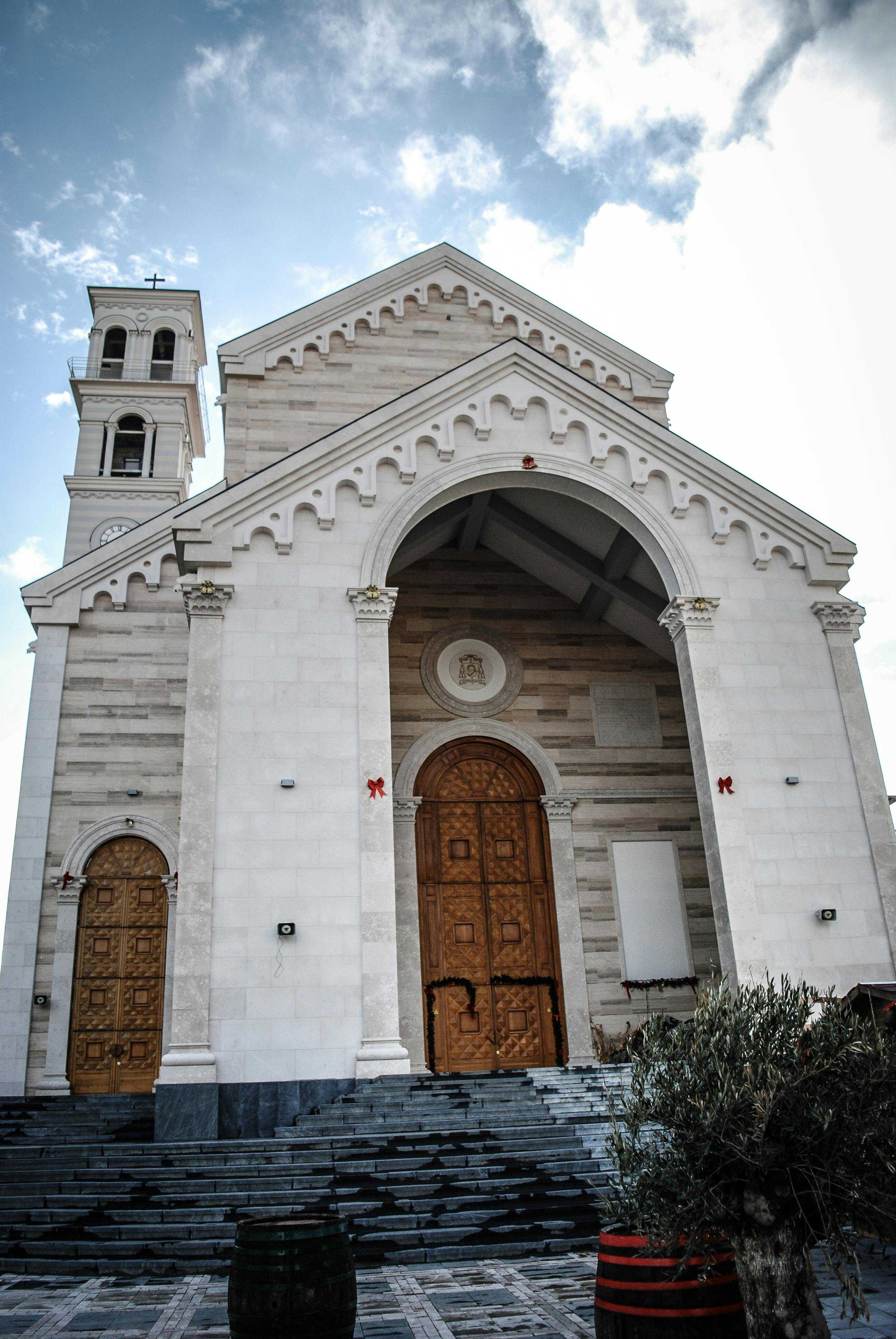
Discover the Undiscovered: Kosovo Awaits Tucked away in the heart of the Balkans, Kosovo is a land of soaring mountains, vibrant cities, and ancient history, just waiting to be explored. Far from the typical tourist trai…

#Balkans#Eastern Europe#Balkan Peninsula#Kosovar#UNESCO World Heritage Site
1/10

Top hotels & flights

Hand-picked stays and the best fares into Kosovo.

Top Hotels in Pristina

Top Flights to Pristina

Popular activities

Tours, tickets and experiences travelers book most in Kosovo.

Tours

Explore Pristina's Historical Sites

Discover the rich history of Kosovo by visiting its capital city Pristina, which is filled with museums, monuments, and cultural landmarks.

Prizren Old Town Stroll

Experience the charm of Prizren with its Ottoman architecture, cobblestone streets, and vibrant markets.

Peja's Patriarchate Monastery

Visit the historic site of the Serbian Orthodox Patriarchate of Peć, nestled in the scenic Rugova mountains.

Discovering Gadime Cave

Explore this impressive underground wonder located in the village of Gadime.

Shopping

Shopping at Albi Mall

Enjoy a shopping spree at Albi Mall, the largest shopping center in Kosovo with a variety of international brands.

Bazaar Day in Gjakova

Immerse yourself in the lively atmosphere of Gjakova's historic bazaar, one of the oldest in the Balkans.

Outdoor

Hiking in Rugova Canyon

Enjoy the magnificent beauty of Rugova Canyon - hike through breathtaking landscapes and trails.

Biking in Germia Park

Take a bike tour through Germia Park, exploring its trails and enjoying nature's tranquility.

View from Brezovica Ski Resort

Enjoy panoramic views from Kosovo's biggest ski resort, also open in summer for hiking and exploring.

Location videos

Real reels from travelers, plus longer watches to get the full picture.

Watch & explore

Practical info

The essentials for planning your time in Kosovo.

Currency
€ | EUR | Euro
Population
1.8 million
Languages
Albanian, Serbian, Bosnian, Turkish, Romani
Average weather
Kosovo
Jan
snow
3°-4°
Feb
snow
5°-3°
Mar
rain
10°0°
Apr
cloud
15°4°
May
sun
20°8°
Jun
clear
25°12°
Jul
hot
28°14°
Aug
hot
28°14°
Sep
clear
23°10°
Oct
cloud
17°6°
Nov
rain
10°2°
Dec
snow
5°-2°

Local guide

What travelers love, what to watch for, and a deeper read on Kosovo.

What people love

Kosovo is a beautiful country in Southeast Europe with a rich history and stunning landscapes. Some of the pros of traveling to Kosovo include:

  1. Cultural Diversity: Kosovo is a melting pot of different cultures and traditions, influenced by its complex history and diverse population. Travelers can experience a unique blend of Albanian, Serbian, and other influences in the country's art, music, and cuisine.

  2. Historical Sites: Kosovo is home to several important historical and cultural sites, including the UNESCO World Heritage Site of the Medieval Monuments in Kosovo, which includes churches and monasteries dating back to the 13th century.

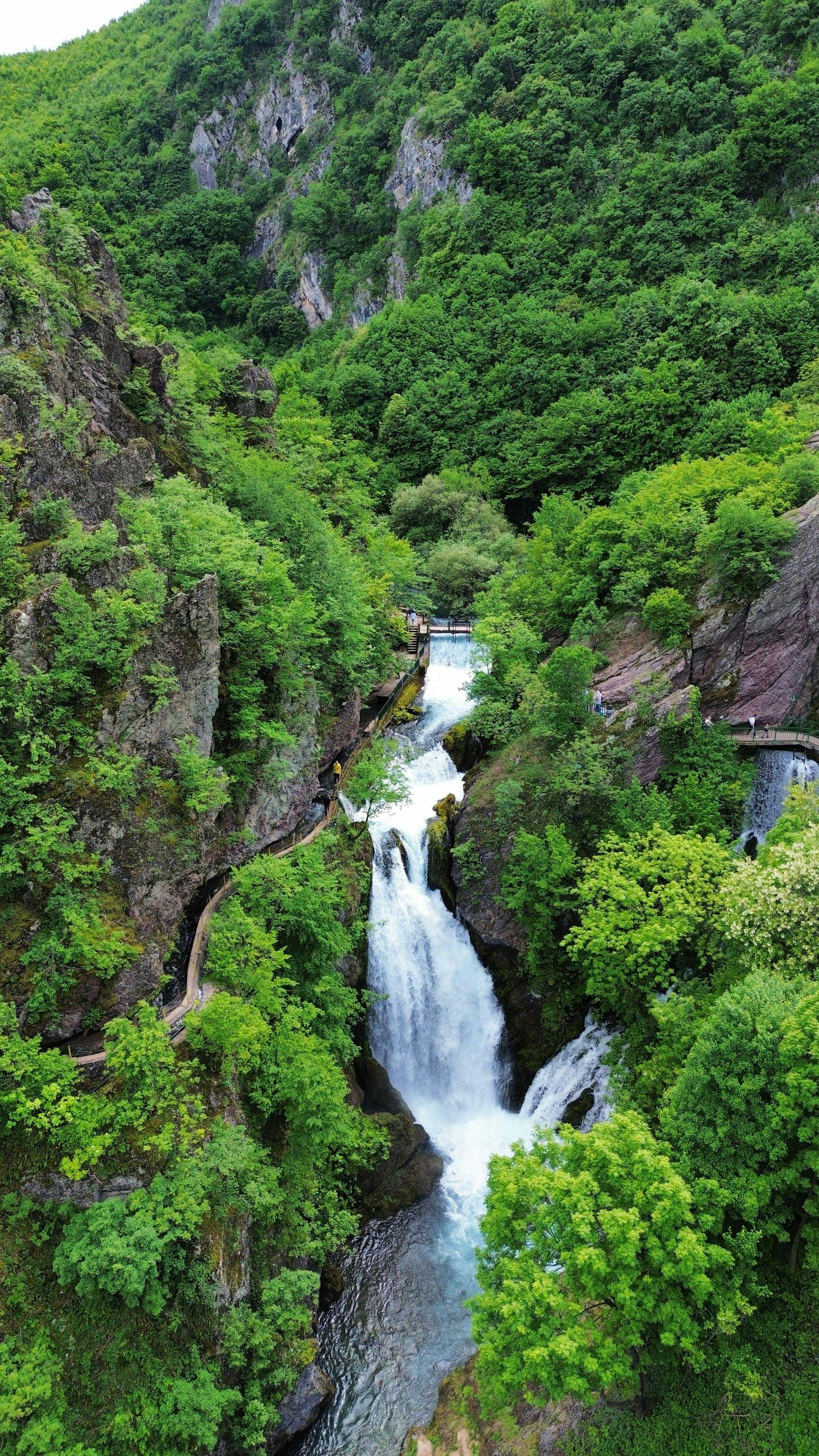
  3. Natural Beauty: Kosovo boasts beautiful landscapes, from the lush forests of Rugova Canyon to the stunning mountains of the Accursed Mountains range. Outdoor enthusiasts can enjoy hiking, skiing, and other activities in Kosovo's pristine natural environment.

  4. Warm Hospitality: Kosovars are known for their warm hospitality and friendliness towards visitors. Travelers can expect to be welcomed with open arms and experience the genuine kindness of the local population.

  5. Affordable Travel: Kosovo is still an emerging tourist destination, which means that prices for accommodation, food, and transportation are generally more affordable compared to other European countries. Travelers can enjoy a budget-friendly trip without compromising on quality.

Overall, traveling to Kosovo can offer a unique and rewarding experience for those looking to explore a lesser-known destination with a rich cultural heritage and stunning scenery.

What to know

Some potential cons of traveling to Kosovo include:

  1. Political tensions: Kosovo has a complex political situation, particularly in relation to its relationship with Serbia. Travelers should stay informed about any political developments that may affect their safety during their visit.

  2. Safety concerns: While Kosovo is generally safe for tourists, petty crimes such as pickpocketing and scams can occur in crowded areas. Travelers should take standard precautions to safeguard their belongings and personal safety.

  3. Infrastructure challenges: Kosovo's infrastructure may not be as developed as in other European countries, leading to potential challenges with transportation, accommodation, and other amenities.

  4. Language barrier: While many Kosovars speak English, the official languages are Albanian and Serbian. Travelers who do not speak these languages may encounter communication barriers.

  5. Limited tourist attractions: Kosovo is still emerging as a tourist destination, so visitors may find fewer tourist attractions compared to more established destinations. However, the country does offer unique cultural and historical experiences.

It's important to note that these cons should be balanced against the many positives of visiting Kosovo, such as its rich history, cultural diversity, and warm hospitality.

Kosovo, located in the Balkans, has a complex history marked by a series of significant events and figures.

Ancient and Medieval Periods:

  • Illyrian and Dardanian Tribes: The area of Kosovo was inhabited by Illyrian tribes, including the Dardanians, as early as the 4th century BCE.
  • Roman and Byzantine Empires: Kosovo was incorporated into the Roman Empire and later the Byzantine Empire. It was an important area due to its strategic location and mineral wealth.
  • Slavic Settlement: In the 6th and 7th centuries, Slavs began settling in the region, which eventually led to the development of the medieval Serbian state.

Medieval Serbian Empire:

  • Stefan Dušan: In the 14th century, Kosovo was at the heart of the Serbian Empire under Stefan Dušan, who was crowned Emperor in 1346. The empire expanded its territories significantly during his rule.
  • Battle of Kosovo (1389): This pivotal battle saw the forces of the Serbian Prince Lazar Hrebeljanović face the Ottoman Turks led by Sultan Murad I. Although both leaders died during the battle, the Ottomans eventually gained control.

Ottoman Period:

  • Ottoman Rule (1455-1912): Kosovo became part of the Ottoman Empire after the battle, and it remained under Ottoman control for several centuries. During this time, there were significant demographic and cultural changes, including the spread of Islam.

20th Century:

  • Balkan Wars (1912-1913): Kosovo was taken from the Ottomans and became part of Serbia following the Balkan Wars.
  • World War I and II: Kosovo underwent several changes in control during these wars, eventually becoming part of the Socialist Federal Republic of Yugoslavia after WWII.
  • Autonomous Province of Kosovo and Metohija: Within Yugoslavia, Kosovo was granted the status of an autonomous province in 1946.

Breakup of Yugoslavia and Conflict:

  • Rise of Nationalism: The late 1980s and early 1990s saw rising tensions between the Serbian government and the Albanian majority in Kosovo.
  • Kosovo War (1998-1999): A major conflict erupted as the Kosovo Liberation Army (KLA) fought against Serbian forces. The war led to significant atrocities and humanitarian crises.
  • NATO Intervention: In 1999, NATO conducted an aerial bombing campaign against Yugoslavia, leading to the withdrawal of Serbian forces from Kosovo.

Post-Conflict Period:

  • UN Administration: After the war, Kosovo was placed under United Nations administration, with the UN Mission in Kosovo (UNMIK) overseeing the region.
  • Declaration of Independence (2008): Kosovo declared independence from Serbia on February 17, 2008. As of now, over 100 countries have recognized Kosovo as an independent state, though Serbia and some others do not.

Historical Figures:

  • Prince Lazar: A key Serbian leader during the Battle of Kosovo.
  • Ibrahim Rugova: A prominent leader of the Kosovo Albanian movement for independence and the first President of Kosovo.

Important Landmarks:

  • Gračanica Monastery: A UNESCO World Heritage site and an important Serbian Orthodox monastery.
  • Prizren Old Town: Known for its Ottoman architecture and cultural significance.
  • Gazimestan: The site of the Battle of Kosovo memorial.

Kosovo's history is characterized by its struggle for self-determination, ethnic tensions, and a complex relationship with its neighbors.