
Kenya
· KE

Kenya

Kenya

Kenya: Where the Wild Things Are, and So Much More Kenya. The very name evokes images of sweeping savannas, majestic lions beneath fiery sunsets, and the thundering hooves of wildebeest on their annual migration. And whi…

#East Africa#Safari destination#Great Rift Valley#Mount Kenya#Cultural diversity
1/4

Top hotels & flights

Hand-picked stays and the best fares into Kenya.

Top Hotels in Nairobi

Top Flights to Nairobi

Popular activities

Tours, tickets and experiences travelers book most in Kenya.

Tours

Nairobi National Park Tour

Visit the Nairobi National Park and see a variety of wildlife against the city skyline.

Giraffe Centre Visit

Get up close with giraffes at the Giraffe Centre in Nairobi.

Shopping

Maasai Market Shopping

Explore the vibrant Maasai Market, offering traditional African crafts and souvenirs.

Outdoor

Maasai Mara National Reserve Safari

Experience the iconic African safari in the Maasai Mara, home to the Great Migration and the Big Five.

Mount Kenya Climbing Expedition

Challenge yourself with a climb to the peak of Mount Kenya, Africa's second-highest mountain.

Location videos

Real reels from travelers, plus longer watches to get the full picture.

From travelers
Watch & explore

Practical info

The essentials for planning your time in Kenya.

Currency
KSh | KES | Kenyan Shilling
Population
53.5 million
Languages
English, English, Swahili, Arabic, Indigenous Languages
Average weather
Kenya
Jan
sun
28°16°
Feb
sun
29°16°
Mar
sun
28°17°
Apr
rain
26°17°
May
rain
25°16°
Jun
cloud
24°14°
Jul
cloud
23°13°
Aug
cloud
24°13°
Sep
sun
26°14°
Oct
sun
27°15°
Nov
rain
26°16°
Dec
rain
26°16°

Local guide

What travelers love, what to watch for, and a deeper read on Kenya.

What people love

There are several pros to traveling to Kenya:

  1. Wildlife Safari: Kenya is renowned for its incredible wildlife, making it a popular destination for safari enthusiasts. Visitors have the opportunity to see the "Big Five" (lion, elephant, buffalo, leopard, and rhinoceros) along with a wide variety of other animals in their natural habitats.

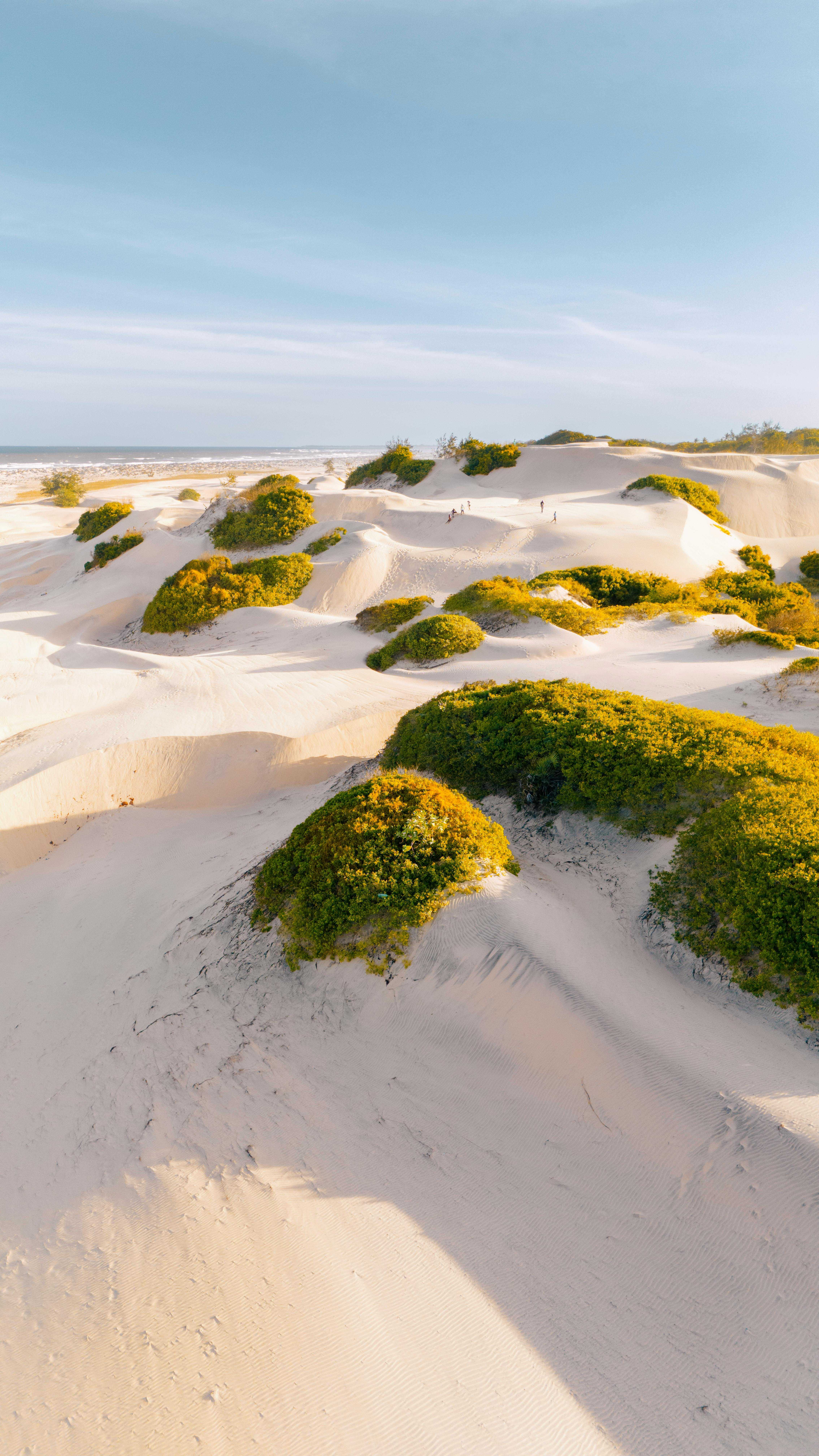
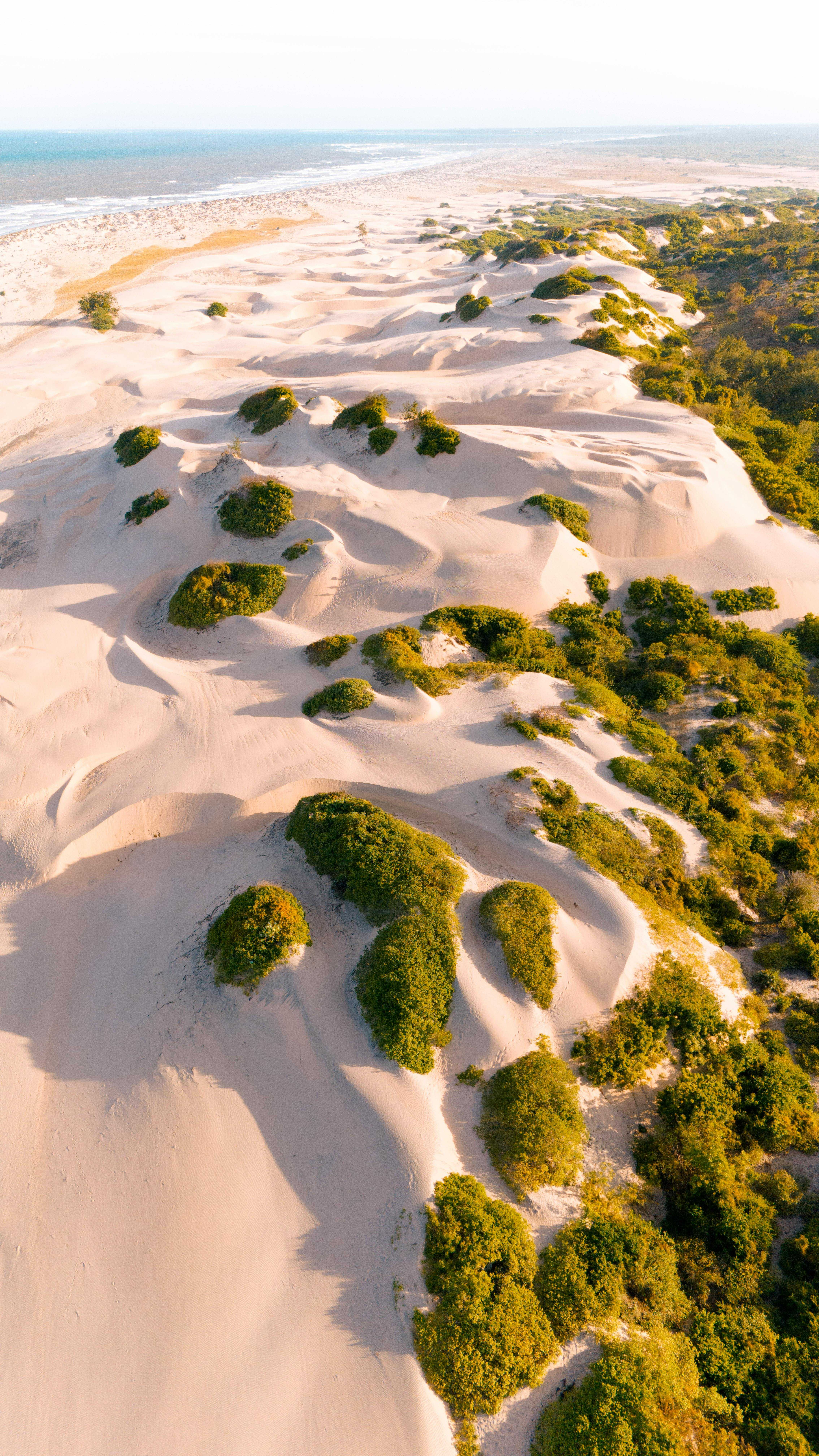
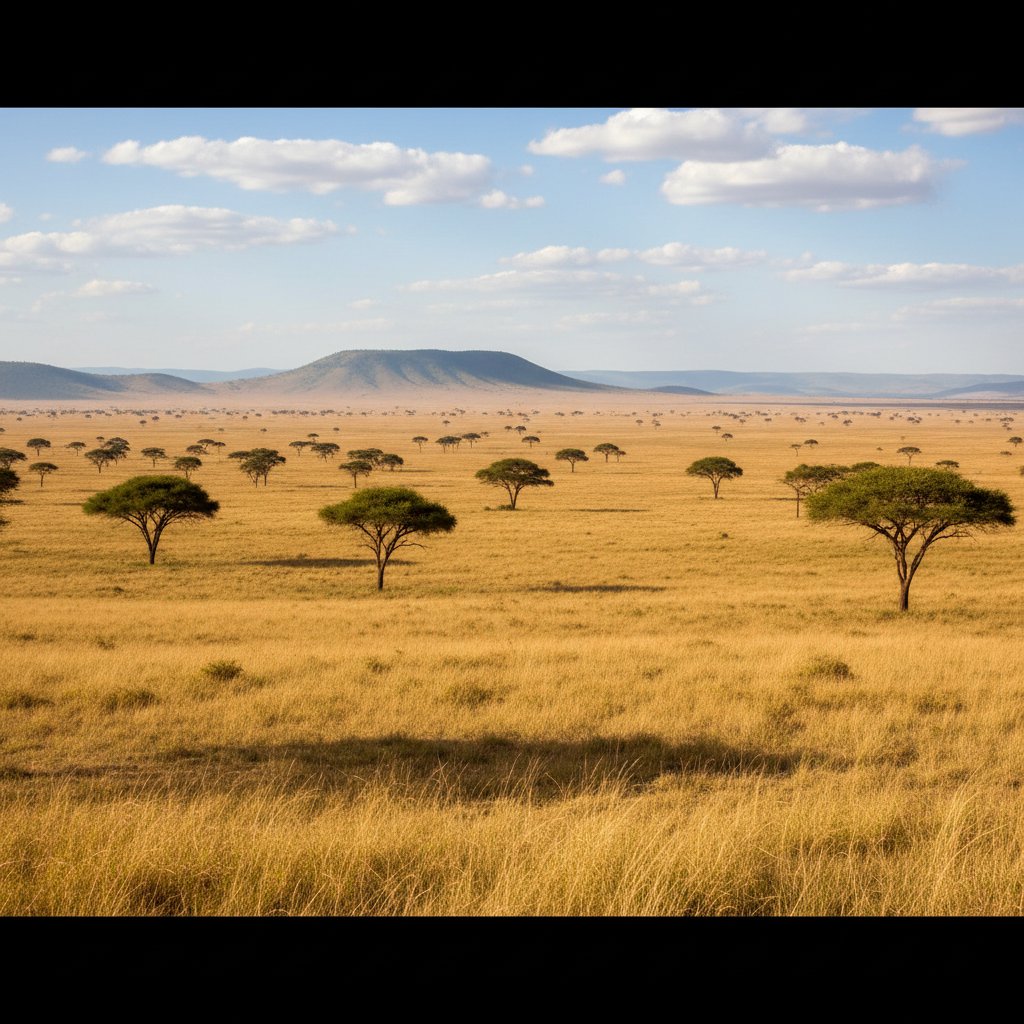
  2. Diverse Landscapes: Kenya boasts a diverse range of landscapes, including savannas, forests, mountains, and beaches. Visitors can explore the iconic Masai Mara National Reserve, the Great Rift Valley, Mount Kenya, and the stunning coastline along the Indian Ocean.

  3. Rich Culture and History: Kenya is home to a rich tapestry of cultures, including the Maasai, Samburu, Kikuyu, and many others. Travelers can immerse themselves in traditional ceremonies, music, dance, and cuisine, gaining a deeper understanding of the country's heritage.

  4. Adventure Activities: For thrill-seekers, Kenya offers a variety of adventure activities such as hot air ballooning over the savanna, hiking Mount Kenya, whitewater rafting on the Tana River, and snorkeling or diving in the crystal-clear waters of the Indian Ocean.

  5. Sustainable Tourism Initiatives: Kenya has made significant strides in promoting sustainable tourism practices that benefit local communities and protect the environment. Many lodges and tour operators in Kenya are committed to conservation efforts and community development projects.

Overall, traveling to Kenya provides a unique and unforgettable experience for nature lovers, culture enthusiasts, and adventure seekers alike.

Enjoy your trip to Kenya!

What to know

Traveling to Kenya has several potential cons that travelers should be aware of. Some of the cons of traveling to Kenya include:

  1. Safety concerns: While Kenya is a popular tourist destination, there are some safety concerns that travelers should be aware of, particularly in certain areas of the country. It is important to stay informed about the current security situation and take necessary precautions to ensure your safety while traveling in Kenya.

  2. Health risks: Travelers to Kenya may be at risk of contracting certain diseases such as malaria, yellow fever, and typhoid. It is important to consult with a healthcare provider before traveling to Kenya to receive the necessary vaccinations and medications to prevent illness.

  3. Road conditions: The road conditions in Kenya can vary widely, with many roads in poor condition and lacking proper signage. Travelers should exercise caution when driving or using public transportation in Kenya to avoid accidents or getting lost.

  4. Wildlife encounters: While Kenya is known for its incredible wildlife and national parks, travelers should be cautious when encountering wild animals. It is important to follow the guidelines provided by park rangers and tour guides to ensure your safety and the safety of the wildlife.

  5. Political instability: Kenya has experienced periods of political unrest and instability in the past, which can impact travel plans and safety. Travelers should stay informed about the current political situation in Kenya and avoid participating in any political demonstrations or protests.

It is important to research and plan your trip to Kenya carefully to mitigate these potential cons and have a safe and enjoyable travel experience.

Kenya is a country located in East Africa. It gained independence from British colonial rule on December 12, 1963. However, the history of the region dates back thousands of years when various indigenous tribes inhabited the area. The arrival of Arab traders along the coast in the 8th century introduced Islam to the region and facilitated trade between East Africa and the Arabian Peninsula.

During the 19th century, European explorers, missionaries, and traders began to venture into the interior of Kenya. The British established a protectorate over the region in the late 19th century, leading to the colonization of Kenya. This period saw significant changes in the economic, social, and political landscape of the country. The British colonial administration implemented various policies that favored European settlers over the indigenous population, leading to widespread discontent and resistance.

One of the most notable events in Kenya's history is the Mau Mau Uprising, which was a rebellion against British colonial rule that lasted from 1952 to 1960. The Mau Mau movement was led by members of the Kikuyu community and aimed to end British domination in Kenya. The uprising was met with a brutal crackdown by the British authorities, resulting in widespread violence and human rights abuses.

After gaining independence in 1963, Kenya faced numerous challenges, including political instability, ethnic tensions, and economic struggles. Jomo Kenyatta, a prominent leader in the independence movement, became Kenya's first president and played a crucial role in shaping the country's early years as an independent nation. Kenya has since made significant progress in various areas, including education, healthcare, and infrastructure development.

Some of Kenya's most famous landmarks include:

  1. Maasai Mara National Reserve: Known for its abundant wildlife and annual wildebeest migration, the Maasai Mara is one of Africa's most famous safari destinations.

  2. Mount Kenya: Africa's second-highest mountain and a UNESCO World Heritage Site, Mount Kenya offers stunning landscapes and hiking opportunities.

  3. Lamu Old Town: A well-preserved Swahili settlement on the coast of Kenya, Lamu Old Town is a UNESCO World Heritage Site known for its unique architecture and cultural heritage.

  4. Great Rift Valley: A geological marvel that stretches across several countries in East Africa, the Great Rift Valley in Kenya offers breathtaking landscapes and rich biodiversity.

These are just a few highlights from Kenya's rich history and diverse cultural heritage.