
Kent
State · United Kingdom

Kent

Kent, United Kingdom

Discover the Garden of England: Kent Welcome to Kent, affectionately known as the "Garden of England"! This southeastern county boasts a unique…

#Historic#Coastal#Countryside#Garden of England#Cathedral City

Explore Kent

Top cities in Kent

Pick a city to open its guide.

See it for yourself

Location videos

Reels and longer watches.

Featured for Kent

Traveller clips picked out for this place.

Good to know

Practical info

Weather, costs and getting around.

Kent, United Kingdom Open in Google Maps
Currency
£ | GBP | Pound Sterling
Population
1.9 million
Languages
English mainly · French, German
Also known as
The Garden of England, Cantia (Latin), Cantia Regio (Latin), Cantwara Rice (Old English)

Know before you go

Local guide

A deeper read on Kent.

What people love

Kent, United Kingdom is a beautiful county located in the southeastern part of England, known for its stunning countryside, historic sites, and charming coastal towns. Here are some pros of traveling to Kent:

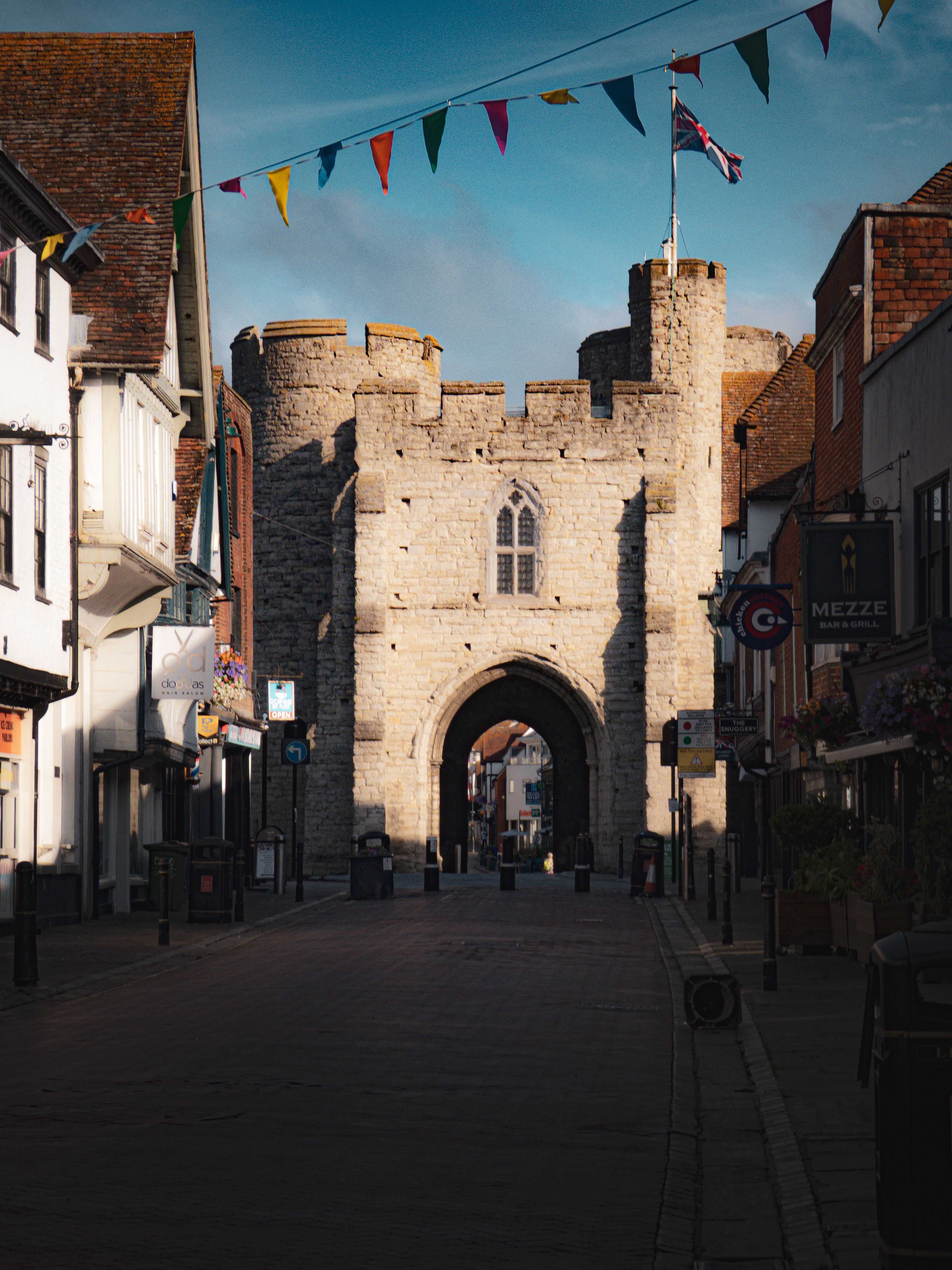
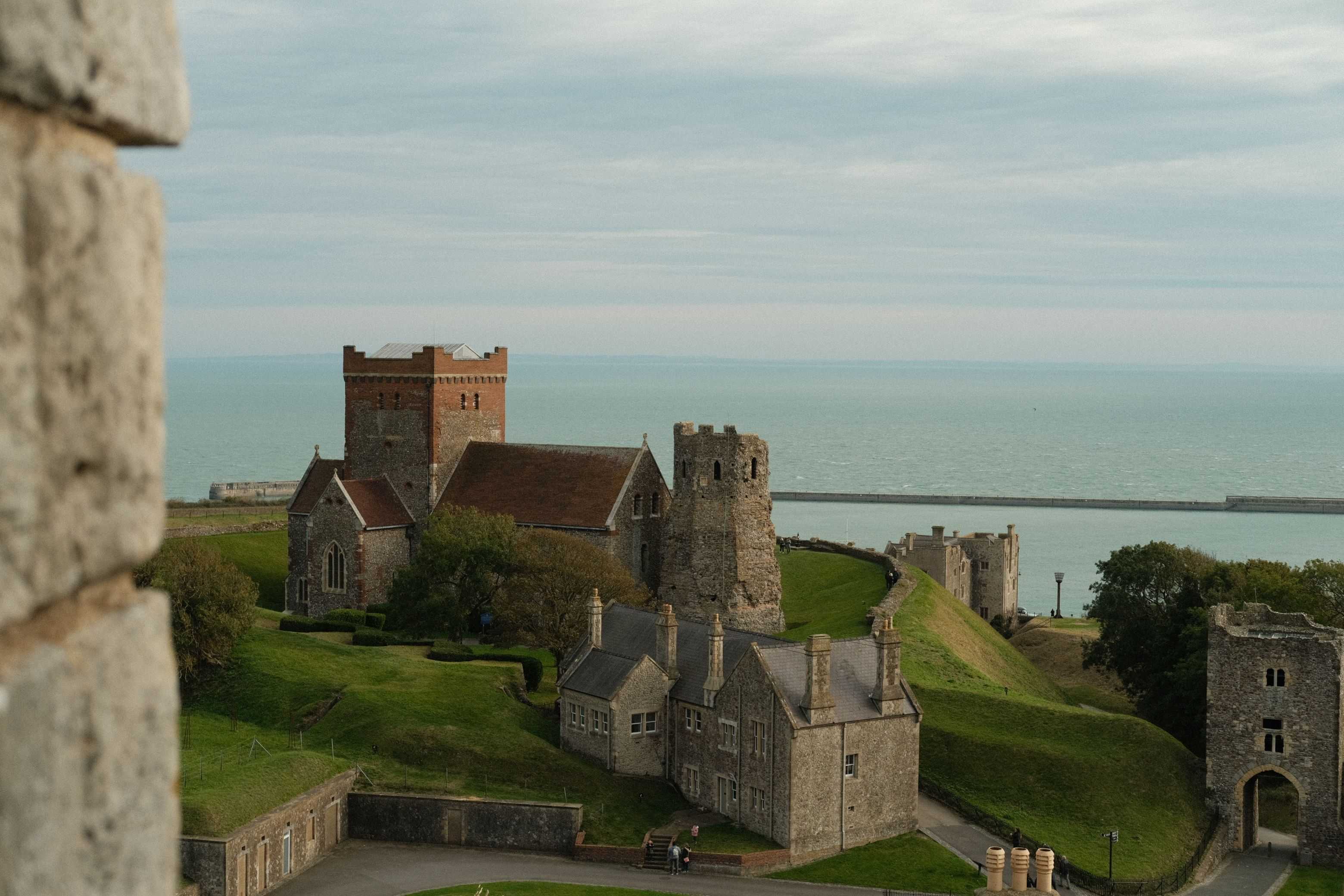
  1. Historic Sites: Kent is home to many historic sites, including the famous Canterbury Cathedral, a UNESCO World Heritage Site, and Dover Castle, which offers stunning views of the English Channel.

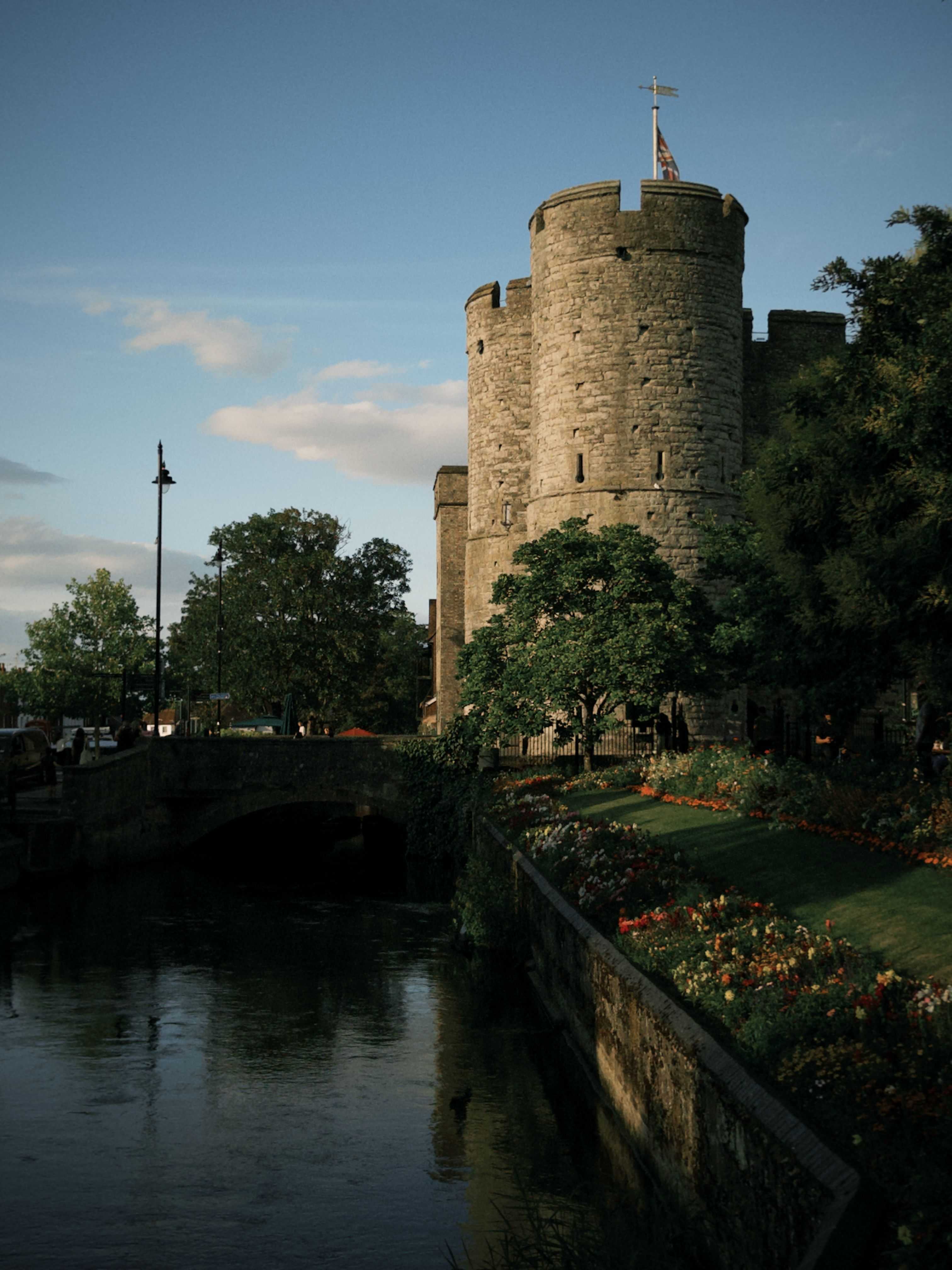
  2. Beautiful Countryside: The countryside in Kent is picturesque, with rolling hills, orchards, and vineyards. You can explore the scenic landscapes by taking a leisurely walk or bike ride through the countryside.

  3. Charming Coastal Towns: Kent has a number of charming coastal towns such as Whitstable, Margate, and Broadstairs, where you can enjoy fresh seafood, stroll along the beach, and browse through quaint shops and galleries.

  4. Gardens and Parks: Kent is known as the "Garden of England" due to its many beautiful gardens and parks. You can visit places like Sissinghurst Castle Garden, one of the most famous gardens in the UK, and the stunning grounds of Leeds Castle.

  5. Outdoor Activities: Kent offers a variety of outdoor activities such as hiking, cycling, and water sports. You can explore the White Cliffs of Dover, go sailing in the Medway Estuary, or enjoy a round of golf at one of the many courses in the area.

Overall, traveling to Kent offers a perfect blend of history, natural beauty, and outdoor activities, making it an ideal destination for those looking to explore the English countryside and coastal towns.

Enjoy your trip to Kent!

What to know

Kent, located in the United Kingdom, is a popular destination known for its picturesque countryside, historic sites, and charming towns. However, there are a few potential drawbacks to consider when traveling to Kent:

  1. Weather: The weather in Kent can be unpredictable, with frequent rain and overcast skies, especially during the winter months. This may affect outdoor activities and sightseeing plans.

  2. Traffic: Kent is known for having busy roads and traffic congestion, particularly around major cities like Canterbury and Maidstone. This can lead to delays and frustration for travelers, especially during peak travel times.

  3. Tourist crowds: During peak tourist seasons, popular attractions in Kent can get crowded with visitors, which may impact your overall experience and make it challenging to fully enjoy the sights.

  4. Cost of living: Like many parts of the UK, Kent can be relatively expensive in terms of accommodation, dining, and transportation. Travelers on a budget may find it challenging to stick to their financial plans while exploring the region.

  5. Limited public transportation: While Kent does have a public transportation system, it may not be as extensive or convenient as in larger cities. Renting a car may be necessary for exploring more remote areas of the region.

Overall, while Kent offers many attractions and experiences for travelers, it's important to be aware of these potential drawbacks to ensure a smooth and enjoyable trip.

Kent, located in the southeastern corner of England, is known as the "Garden of England" due to its abundance of orchards and hop gardens. Its history is rich and varied, stretching back to ancient times.

Ancient and Roman Periods

  • Pre-Roman Era: Kent was inhabited by Celtic tribes known as the Cantiaci. The region's proximity to continental Europe made it a significant area for early trade and cultural exchanges.
  • Roman Invasion: In 43 AD, Kent was among the first regions of Britain to be invaded by the Romans. It became a vital part of Roman Britain, with important settlements such as Durovernum Cantiacorum (modern-day Canterbury).

Anglo-Saxon and Medieval Era

  • Kingdom of Kent: Following the withdrawal of Roman forces, Kent became an early Anglo-Saxon kingdom. It was one of the seven kingdoms of the Heptarchy during the early medieval period.
  • Christianization: In 597 AD, Saint Augustine arrived in Kent, sent by Pope Gregory the Great to convert the Anglo-Saxons to Christianity. He established a monastery in Canterbury, which became a major center of Christian learning.
  • Canterbury Cathedral: The cathedral, founded in 597 AD and rebuilt in 1070, became a focal point of English Christianity. It is famously known as the site of the murder of Archbishop Thomas Becket in 1170, which made it a pilgrimage site.

Norman Conquest and Middle Ages

  • Battle of Hastings: In 1066, the Norman Conquest of England began. Kent's location made it strategically important, with many castles built, such as Dover Castle.
  • Peasants' Revolt: In 1381, Kent was one of the counties involved in the Peasants' Revolt against oppressive taxation. The leader of the revolt, Wat Tyler, was from Kent.

Tudor and Stuart Periods

  • Henry VIII: During the Tudor period, Kent’s landscape was significantly altered by Henry VIII, who built several fortifications along the coast.
  • English Civil War: Kent was a Royalist stronghold during the Civil War. The Siege of Dover (1648) was a notable conflict where Parliamentarian forces captured the castle from Royalists.

Industrial Revolution and Modern Era

  • Industrialization: While Kent remained largely rural and agricultural, the Industrial Revolution brought changes, particularly with the growth of industries in the Medway Towns.
  • World Wars: In both World Wars, Kent's proximity to mainland Europe made it a frontline region. The Battle of Britain during WWII saw significant aerial battles over Kent.

Contemporary Kent

  • Channel Tunnel: Opened in 1994, the Channel Tunnel connects Kent with France, enhancing its role as a gateway between the UK and mainland Europe.
  • Landmarks: Key landmarks include Canterbury Cathedral, Leeds Castle, and the White Cliffs of Dover, which are iconic symbols of Britain.

Notable Historical Figures

  • Saint Augustine: The first Archbishop of Canterbury and a seminal figure in the Christianization of England.
  • Thomas Becket: Archbishop of Canterbury, whose murder in the cathedral became a pivotal event in the history of medieval England.
  • Wat Tyler: Leader of the Peasants' Revolt, which had significant implications for English society.

Kent's historical significance is profound, with its events and figures playing critical roles in the broader narrative of England's history.