
Kanagawa
· JP

Kanagawa

Kanagawa, Japan

Kanagawa: Where Tradition Meets Modernity on Tokyo's Doorstep Just a stone's throw from the bustling metropolis of Tokyo lies Kanagawa, a vibrant prefecture that seamlessly blends ancient traditions with modern marvels. …

#Kanagawa#Japan#Coastal city#Mount Fuji view#Historical landmarks
1/15

Top hotels & flights

Hand-picked stays and the best fares into Kanagawa.

Top Hotels in Kanagawa

Top Flights to Kanagawa

Popular activities

Tours, tickets and experiences travelers book most in Kanagawa.

Tours

Hakone Open-Air Museum

An outdoor museum featuring sculptures and artworks surrounded by the beautiful natural landscape of Hakone.

Odawara Castle

A historic castle offering insights into the samurai era with panoramic views from the top.

Enoshima Island Tour

Explore the scenic island of Enoshima, known for its shrines, caves, and ocean views.

Shopping

Shopping at Minato Mirai 21

A modern urban center in Yokohama with shopping, dining, and entertainment options.

Outdoor

Hiking at Mount Oyama

Enjoy a scenic hike to the summit of Mount Oyama, offering panoramic views of Kanagawa.

Location videos

Real reels from travelers, plus longer watches to get the full picture.

From travelers
Watch & explore

Practical info

The essentials for planning your time in Kanagawa.

Currency
¥ | JPY | Japanese Yen
Population
9.2 million
Languages
Japanese, Japanese

Local guide

What travelers love, what to watch for, and a deeper read on Kanagawa.

What people love

Kanagawa Prefecture, located in Japan, offers a variety of attractions and benefits for travelers. Some of the pros of traveling to Kanagawa include:

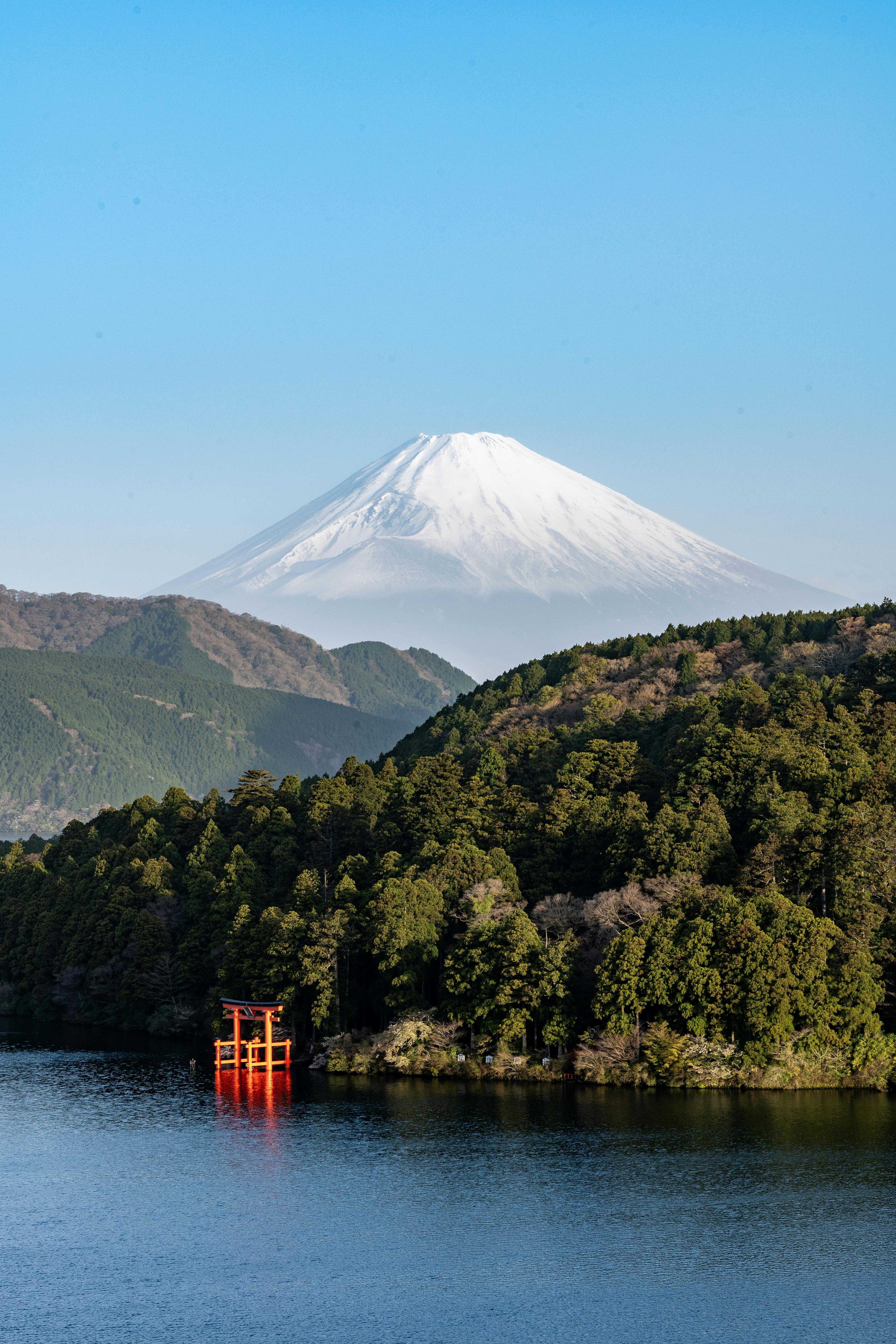
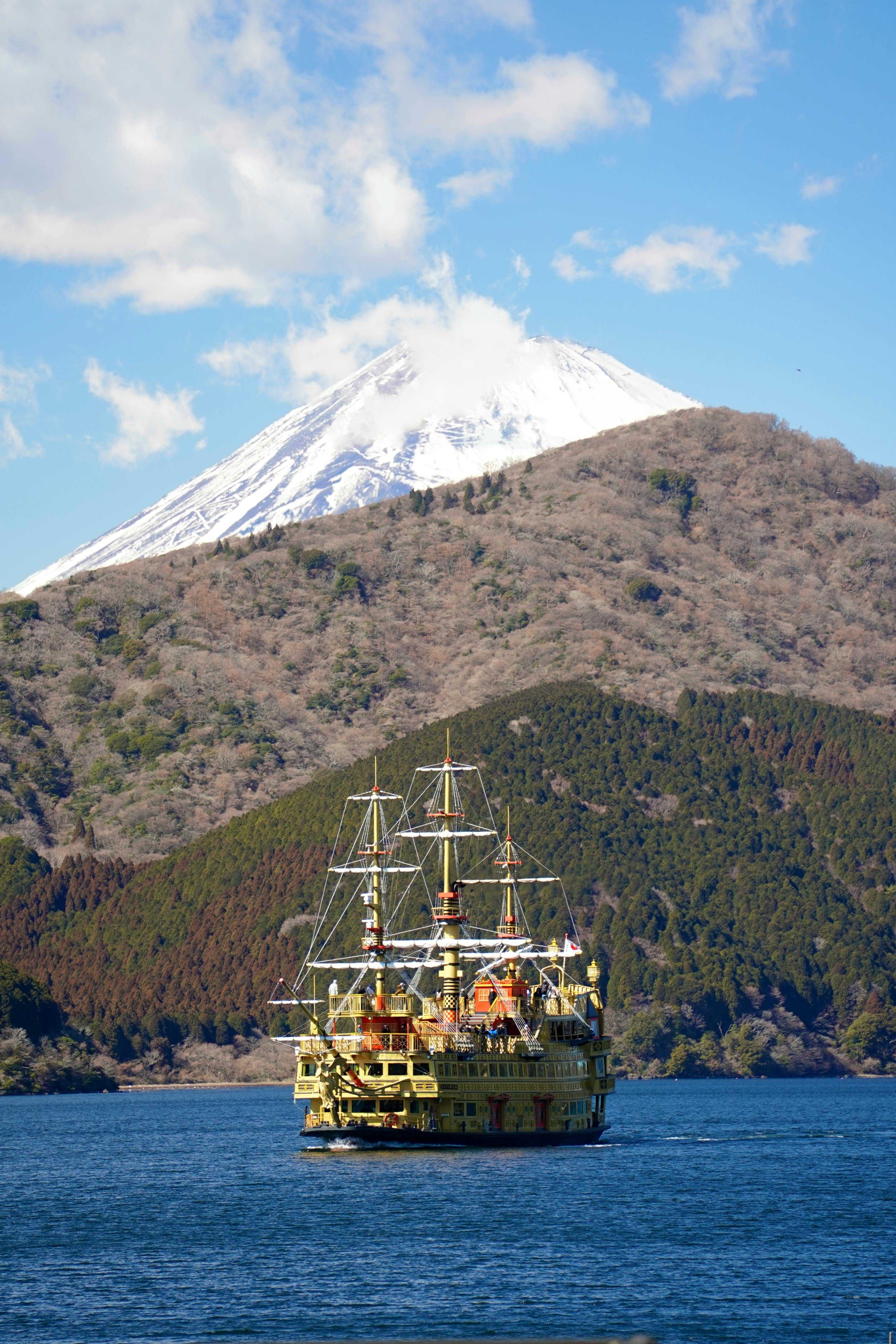
  1. Scenic Beauty: Kanagawa is known for its beautiful landscapes, including stunning beaches, lush forests, and picturesque mountains. The prefecture is also home to iconic spots like Mount Fuji and Hakone, which offer breathtaking views.

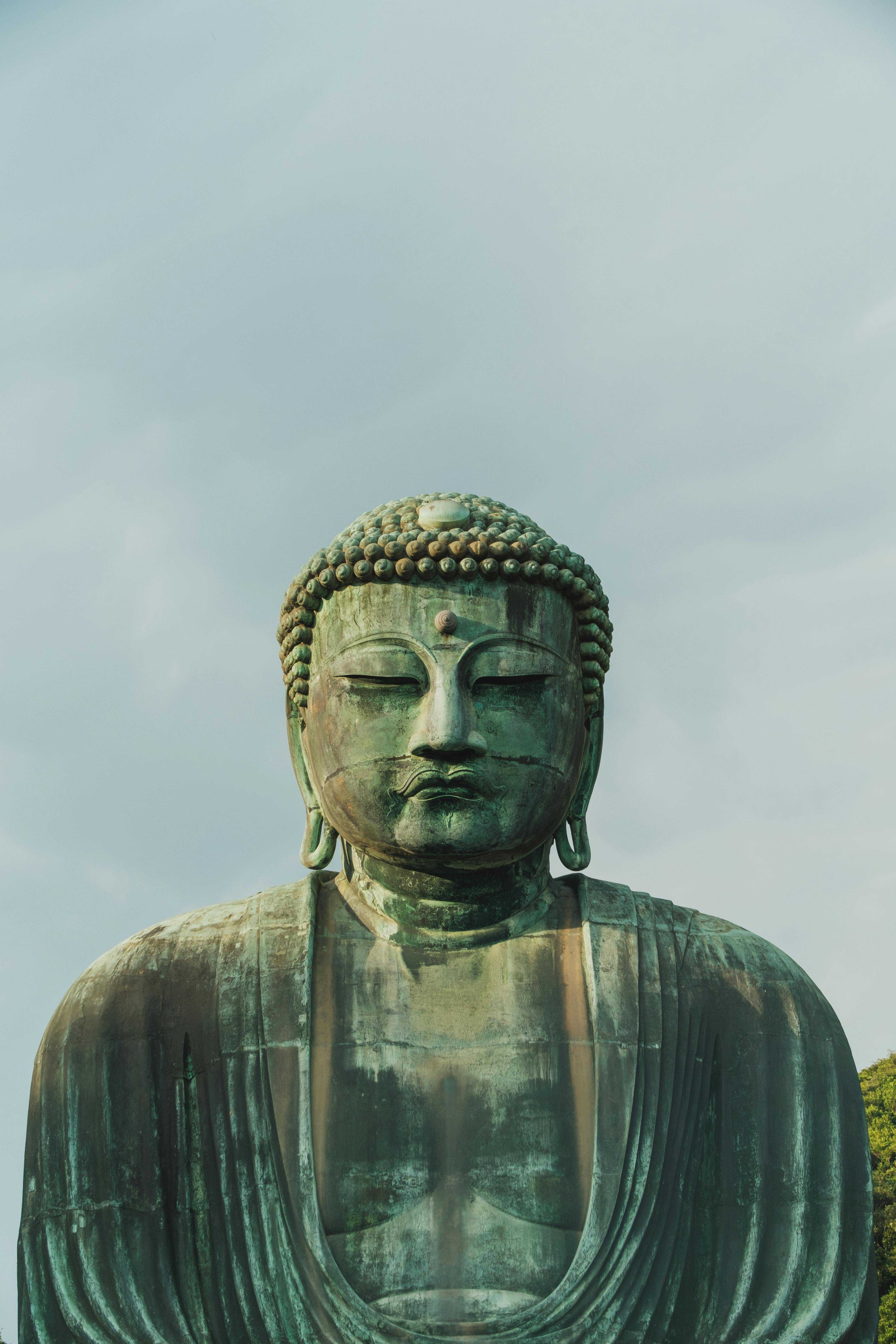
  2. Cultural Sites: Kanagawa is rich in cultural heritage, with historic temples, shrines, and traditional villages scattered throughout the region. Visitors can explore places like Kamakura, home to numerous ancient temples and the famous Great Buddha statue.

  3. Hot Springs: Kanagawa is renowned for its hot springs, known as onsens, which offer relaxation and rejuvenation for travelers. Hakone is particularly famous for its hot spring resorts, where visitors can unwind and enjoy the natural beauty of the area.

  4. Culinary Delights: Kanagawa boasts a diverse culinary scene, with fresh seafood being a highlight. Visitors can savor local delicacies like sushi, sashimi, and ramen, as well as regional specialties such as Kamakura vegetables and Yokohama-style Chinese cuisine.

  5. Accessibility: Kanagawa is conveniently located near Tokyo, making it easily accessible for travelers. The prefecture is well-connected by public transportation, including trains and buses, allowing visitors to explore the region efficiently.

Overall, traveling to Kanagawa offers a perfect blend of natural beauty, cultural experiences, and culinary delights, making it a fantastic destination for tourists seeking a memorable and enriching trip.

What to know

Some potential cons of traveling to Kanagawa, Japan, could include:

  1. High Cost of Living: Japan, in general, is known for having a relatively high cost of living compared to other countries. This could make traveling in Kanagawa and staying in accommodations more expensive than in other destinations.

  2. Language Barrier: While many people in tourist areas may speak some English, overall, Japan is not as English-friendly as some other countries. This could pose challenges in communication and navigation for travelers who do not speak Japanese.

  3. Crowded Public Transportation: Kanagawa is a highly populated area, and the public transportation system can get very crowded during peak times. This may be uncomfortable for travelers who prefer more space and privacy.

  4. Weather Concerns: Depending on the time of year you visit Kanagawa, you may encounter extreme weather conditions such as typhoons or heavy rainfall. This could disrupt travel plans and outdoor activities.

  5. Cultural Differences: Japan has a unique culture with certain customs and social norms that may be unfamiliar to foreign visitors. It's important to be respectful and aware of these cultural differences to avoid unintentionally causing offense.

  6. Tourist Crowds: Kanagawa, especially popular tourist destinations like Kamakura and Yokohama, can get very crowded with both domestic and international tourists. This could lead to long lines at attractions, busy streets, and a less peaceful travel experience.

Overall, while Kanagawa has much to offer in terms of history, culture, and natural beauty, it's important to be aware of these potential cons to have a more informed and enjoyable trip.

Kanagawa Prefecture, located just south of Tokyo on the eastern coast of Japan's Honshu island, has a rich and varied history that has played a significant role in Japanese history. Here is a detailed account of its historical development and significance:

Ancient and Medieval Periods

  • Yayoi and Kofun Periods: The area now known as Kanagawa was inhabited since ancient times, as evidenced by archaeological findings such as those from the Yayoi and Kofun periods. These periods saw the introduction of rice cultivation and the establishment of early Japanese state structures.

  • Kamakura Period (1185-1333): The city of Kamakura, located within Kanagawa Prefecture, became the political center of Japan during the Kamakura shogunate, established by Minamoto no Yoritomo. This period was marked by the rise of the samurai class and significant cultural developments, including the spread of Zen Buddhism.

Edo Period (1603-1868)

  • Sankin-kōtai System: During the Edo period, Kanagawa was part of the Tōkaidō, one of the five main routes of the Edo period. The Tōkaidō connected Edo (modern-day Tokyo) with Kyoto, and several post towns in Kanagawa, such as Hakone and Odawara, served as important waypoints for travelers.

Bakumatsu and Meiji Restoration

  • Opening of Japan (1853-1854): Kanagawa played a crucial role during the Bakumatsu period when Commodore Matthew Perry of the United States arrived with his "Black Ships" in 1853. This event led to the opening of Japan to international trade and interaction. The Convention of Kanagawa was signed in 1854, which marked the end of Japan's period of isolation (sakoku).

  • Yokohama's Development: The port city of Yokohama, within Kanagawa, rapidly developed following Japan's opening to the West. It became a key hub for international trade and cultural exchange.

20th Century and Beyond

  • Great Kanto Earthquake (1923): Kanagawa was significantly affected by the Great Kanto Earthquake, which devastated much of the Tokyo-Yokohama area.

  • Post-War Era: After World War II, Kanagawa experienced rapid economic growth, especially in Yokohama, which became Japan's second-largest city. The prefecture has been a center for industrial development and is part of the Greater Tokyo Area.

Significant Figures

  • Minamoto no Yoritomo: The founder of the Kamakura shogunate, an important figure in Japanese history who established the samurai as the ruling class of Japan.

  • Tokugawa Ieyasu: Although not a native of Kanagawa, his policies during the Edo period affected the region significantly, especially through the Sankin-kōtai system.

Important Landmarks

  • Great Buddha of Kamakura: An iconic bronze statue representing Amida Buddha, a significant cultural and religious monument.

  • Hase-dera Temple: Known for its beautiful gardens and the eleven-headed statue of Kannon, the goddess of mercy.

  • Hakone: A mountainous area famous for its hot springs, natural beauty, and views of Mount Fuji.

  • Yokohama Chinatown: One of the largest Chinatowns in the world, reflecting the area's multicultural history.

Kanagawa Prefecture continues to be an important cultural and economic region in Japan, balancing its rich historical heritage with modern development.