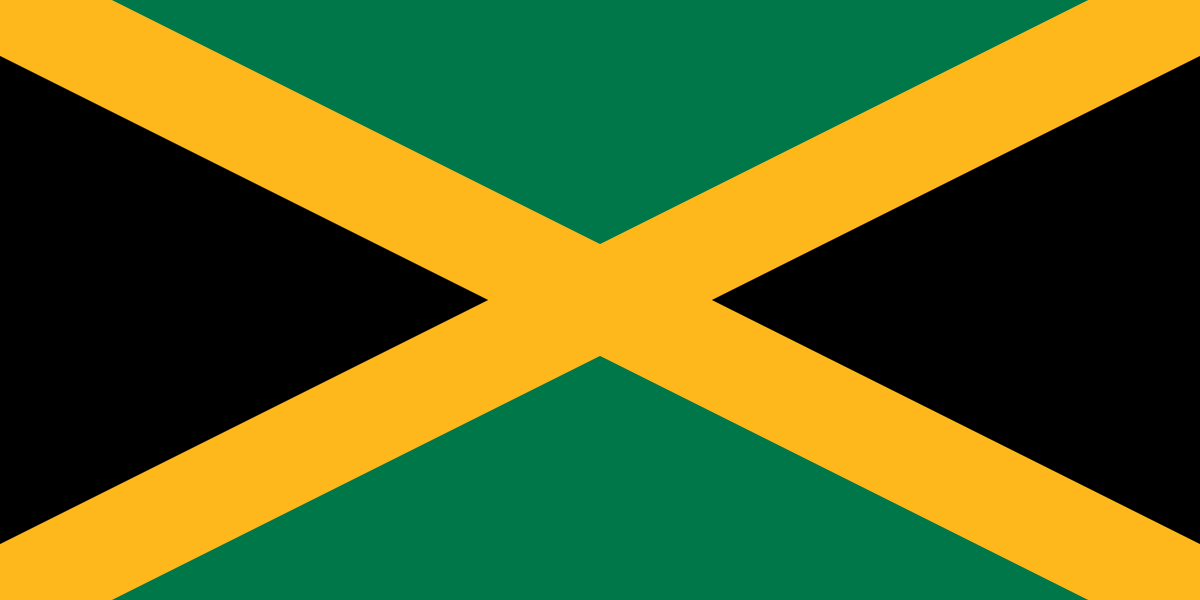
Jamaica
· JM

Jamaica

Jamaica

Welcome to Jamaica: Feel the Rhythm of the Island! Sun-drenched beaches, pulsating reggae rhythms, and a spirit as warm as the Caribbean sun – this is Jamaica! More than just a vacation destination, Jamaica is a vibrant…

#Caribbean#Island#Tropical#Reggae music#Beaches
1/6

Top hotels & flights

Hand-picked stays and the best fares into Jamaica.

Top Hotels in Kingston

Top Flights to Kingston

Popular activities

Tours, tickets and experiences travelers book most in Jamaica.

Tours

Bob Marley Museum

Visit the former home of the legendary musician Bob Marley, now a museum dedicated to his life and music.

Negril Seven Mile Beach

A beautiful stretch of beach in Negril known for its white sands and stunning sunsets.

Shopping

Devon House

A beautifully maintained heritage site and mansion now hosting shops and eateries.

Outdoor

Dunn's River Falls

A famous waterfall near Ocho Rios, offering a unique waterfall climbing experience.

Blue Mountain Peak Hike

Hike to the highest point in Jamaica with breathtaking views and diverse flora.

Dolphin Cove Jamaica

A marine attraction where visitors can swim with dolphins and enjoy other marine life encounters.

Location videos

Real reels from travelers, plus longer watches to get the full picture.

From travelers
Watch & explore

Practical info

The essentials for planning your time in Jamaica.

Currency
J$ | JMD | Jamaican Dollar
Population
The approximate estimated total population of Jamaica is '2.8 million'.
Languages
English, Jamaican Patois
Average weather
Jamaica
Jan
sun
29°22°
Feb
sun
29°22°
Mar
sun
30°23°
Apr
sun
30°23°
May
rain
31°24°
Jun
rain
32°25°
Jul
sun
32°25°
Aug
sun
32°25°
Sep
rain
32°25°
Oct
rain
31°24°
Nov
sun
30°23°
Dec
sun
29°22°

Local guide

What travelers love, what to watch for, and a deeper read on Jamaica.

What people love

Jamaica is a popular tourist destination known for its vibrant culture, beautiful beaches, and warm weather. Here are some pros of traveling to Jamaica:

  1. Stunning Beaches: Jamaica is home to some of the most beautiful beaches in the world, with crystal clear turquoise waters and white sandy shores. Popular beaches such as Seven Mile Beach in Negril and Doctor's Cave Beach in Montego Bay offer visitors the perfect spot to relax and enjoy the sun.

  2. Rich Culture: Jamaica has a rich cultural heritage that is reflected in its music, art, and cuisine. Visitors can immerse themselves in the vibrant reggae music scene, visit historical sites such as the Bob Marley Museum, and sample delicious Jamaican dishes like jerk chicken and ackee and saltfish.

  3. Outdoor Activities: Jamaica offers a wide range of outdoor activities for adventure seekers. From hiking in the Blue Mountains to zip-lining through the rainforest, there are plenty of opportunities to explore the island's natural beauty.

  4. Friendly Locals: Jamaicans are known for their warm hospitality and friendly demeanor. Visitors to Jamaica can expect to be greeted with a smile and a warm welcome wherever they go.

  5. Diverse Attractions: Whether you're interested in history, nature, or nightlife, Jamaica has something for everyone. From the historic town of Falmouth to the lush botanical gardens of Ocho Rios, there are plenty of attractions to explore on the island.

Overall, traveling to Jamaica offers a mix of relaxation, adventure, and cultural experiences that are sure to create lasting memories.

What to know

Traveling to Jamaica, like any destination, has its own set of cons that potential visitors should be aware of:

  1. Crime: While Jamaica is a popular tourist destination, it does have higher crime rates compared to some other destinations. Visitors should exercise caution, especially in certain areas known for higher crime levels. Petty theft, scams, and violent crime can occur, so it's important to stay vigilant and be aware of your surroundings.

  2. Hurricane Season: Jamaica, like many Caribbean islands, is prone to hurricanes during the Atlantic hurricane season, which runs from June to November. Visitors should be aware of the potential risks associated with traveling during this time, such as flight disruptions, severe weather conditions, and potential damage to infrastructure.

  3. Traffic and Road Conditions: Traffic congestion and road conditions can be challenging in Jamaica, especially in urban areas like Kingston. Visitors should exercise caution when driving and be prepared for crowded roads, erratic driving behavior, and limited signage in some areas.

  4. Health and Safety Concerns: Like any travel destination, visitors to Jamaica should take precautions to protect their health and safety. This includes being mindful of food and water hygiene, protecting against mosquito-borne illnesses like dengue fever and Zika virus, and ensuring that you have adequate travel insurance coverage.

  5. Environmental Challenges: Jamaica, like many other tropical destinations, faces environmental challenges such as coral reef degradation, deforestation, and pollution. Visitors should be mindful of their impact on the environment and seek out eco-friendly activities and accommodations to minimize their carbon footprint.

Overall, while Jamaica is a beautiful and vibrant destination with much to offer visitors, it's important to be aware of these potential cons and take steps to mitigate any risks before traveling.

Jamaica, an island nation located in the Caribbean Sea, has a rich and complex history shaped by its indigenous peoples, colonial past, and path to independence. Below is a detailed account of Jamaica's history, significant events, historical figures, and notable landmarks.

Pre-Columbian Era

  • Indigenous Peoples: The island was originally inhabited by the Taino, an Arawakan-speaking people. They called the island "Xaymaca," meaning "Land of Wood and Water."

European Colonization

  • 1494: Christopher Columbus first landed on the island during his second voyage to the Americas, claiming it for Spain.
  • 1510: The Spanish established the first European settlements, but the indigenous population rapidly declined due to diseases and harsh conditions.

British Rule

  • 1655: The English captured Jamaica from the Spanish. Over the following decades, the British developed the island into a major sugar-producing colony, relying heavily on the labor of enslaved Africans.
  • 1692: The city of Port Royal, once called the "wickedest city on earth," was destroyed by an earthquake, leading to the development of Kingston as the new economic hub.

Slavery and Resistance

  • Maroons: Descendants of escaped enslaved Africans, known as Maroons, established independent communities in the mountainous interior and resisted colonial control.
  • Tacky’s War (1760): A significant slave revolt led by an enslaved African named Tacky.
  • Baptist War (1831-1832): Also known as the Christmas Rebellion, led by Samuel Sharpe, this was one of the largest uprisings that contributed to the abolitionist movement in Britain.

Abolition and Post-Emancipation

  • 1834: Slavery was abolished in Jamaica and across the British Empire. Former slaves were placed in an apprenticeship system, which ended in 1838.
  • Post-Emancipation: Economic challenges and social tensions persisted as the economy transitioned away from slavery.

Path to Independence

  • 1930s: Economic hardships led to labor strikes and the rise of political movements. Key figures during this period included Marcus Garvey, a proponent of Pan-Africanism, and Alexander Bustamante, a labor leader and future prime minister.
  • 1944: Universal adult suffrage was introduced, laying the groundwork for self-government.
  • 1962: Jamaica gained independence from the United Kingdom on August 6.

Modern Jamaica

  • 1970s-1980s: The country experienced political and economic challenges, with significant influence from political leaders like Michael Manley and Edward Seaga.
  • Cultural Influence: Jamaica is internationally known for its cultural contributions, particularly in music. Reggae, ska, and dancehall originated here, with figures like Bob Marley becoming global icons.

Significant Landmarks

  • Blue and John Crow Mountains National Park: A UNESCO World Heritage site, known for its biodiversity and cultural significance to the Maroons and Taino.
  • Dunn’s River Falls: One of Jamaica’s most famous natural attractions, located near Ocho Rios.
  • Rose Hall Great House: A historic plantation house known for its ghost stories and ties to the history of slavery.
  • Bob Marley Museum: Located in Kingston, it celebrates the life and work of the legendary musician.

Contemporary Issues

  • Jamaica continues to face challenges such as economic development, crime, and the impacts of climate change, but remains a vibrant and culturally rich nation with a strong influence in the Caribbean and beyond.

This overview provides a glimpse into the multifaceted history of Jamaica, highlighting its journey from a colonized island to an independent nation renowned for its culture and resilience.