
Jalisco
· MX

Jalisco

Jalisco, Mexico

Discover the Soul of Mexico: Jalisco Awaits Jalisco, the "Cradle of Mexican Culture," pulsates with vibrant energy, captivating history, and breathtaking landscapes. Here, mariachi music spills onto sun-drenched plazas,…

#Mexican culture#Tequila#Mariachi music#Colonial architecture#Cuisine
1/7

Top hotels & flights

Hand-picked stays and the best fares into Jalisco.

Top Hotels in Jalisco

Top Flights to Jalisco

Popular activities

Tours, tickets and experiences travelers book most in Jalisco.

Tours

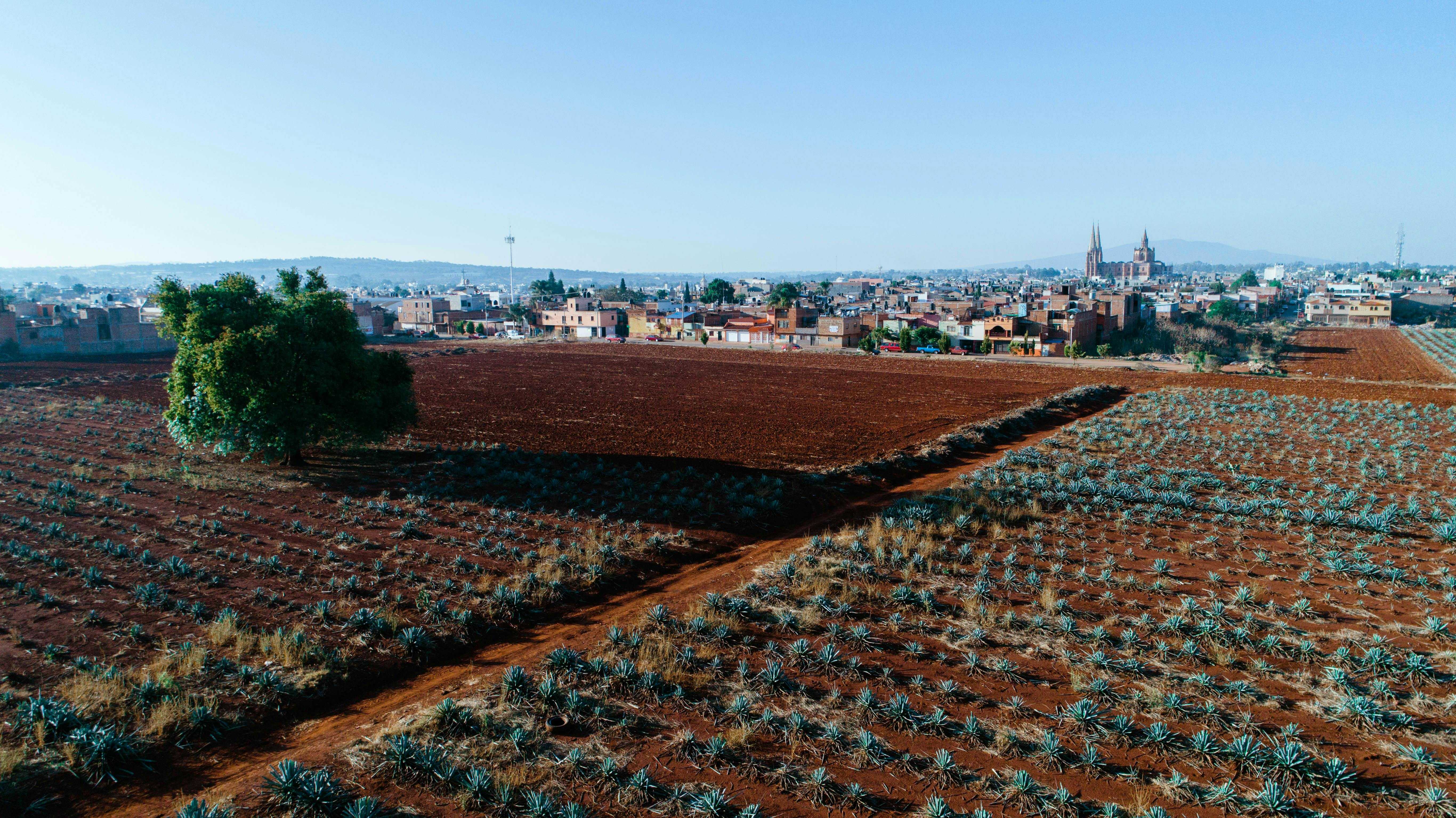
Explore the Tequila Route

Discover the origin of tequila on a tour through the picturesque towns and agave fields in Jalisco.

Shopping

Shop at Tlaquepaque

Explore artisanal crafts and boutiques in the vibrant neighborhood of Tlaquepaque.

Outdoor

Hike the Sierra Madre Mountains

Adventure through the trails of Sierra Madre with stunning vistas and rich biodiversity.

Location videos

Real reels from travelers, plus longer watches to get the full picture.

From travelers
Watch & explore

Practical info

The essentials for planning your time in Jalisco.

Currency
$ | MXN | Mexican Peso
Population
8.6 million
Languages
Spanish, Spanish, Huichol, Nahuatl

Local guide

What travelers love, what to watch for, and a deeper read on Jalisco.

What people love

There are several pros to traveling to Jalisco, Mexico:

  1. Cultural Richness: Jalisco is known for its vibrant culture, rich history, and traditional Mexican charm. Visitors can experience the mariachi music, folkloric dances, and delicious cuisine that the region is famous for.

  2. Tequila and Agave Fields: Jalisco is the birthplace of tequila, and visitors can take tours of local distilleries to learn about the tequila-making process. The region is also home to vast agave fields that create a stunning landscape.

  3. Natural Beauty: Jalisco boasts diverse landscapes, from beautiful beaches along the Pacific coast to lush mountains and valleys inland. Visitors can explore national parks, waterfalls, and natural reserves throughout the region.

  4. Historic Sites: Jalisco is home to several historic cities and towns, including the colonial city of Guadalajara, which offers architectural gems, museums, and cultural attractions. The town of Tequila is also worth a visit for its historic charm.

  5. Festivals and Events: Jalisco hosts numerous festivals and events throughout the year, celebrating everything from music and dance to food and tequila. Visitors can immerse themselves in the local culture and traditions by attending these lively events.

Overall, traveling to Jalisco offers a unique opportunity to experience the best of Mexican culture, history, and natural beauty in one captivating region.

What to know

Traveling to Jalisco, Mexico, specifically the state of Jalisco, can have some cons that travelers should be aware of. Here are some potential drawbacks:

  1. Safety Concerns: While Jalisco is a popular tourist destination with beautiful attractions like Puerto Vallarta and Guadalajara, there are areas within the state that have experienced drug-related violence and crime. Travelers should exercise caution, especially in areas known for criminal activity.

  2. Traffic and Congestion: Major cities in Jalisco, such as Guadalajara, can experience heavy traffic congestion, particularly during rush hours. Navigating the city streets can be challenging for visitors unfamiliar with the area.

  3. Altitude Sickness: Some parts of Jalisco, particularly in mountainous regions like the Sierra Madre Occidental, have high altitudes that may cause altitude sickness in some individuals. It's important to stay hydrated and acclimate gradually if traveling to higher elevations.

  4. Limited English Proficiency: While tourist areas may have English-speaking staff, in more rural or non-touristy areas of Jalisco, you may encounter language barriers as Spanish is the predominant language spoken.

  5. Seasonal Weather Extremes: Jalisco can experience extreme weather conditions, including hot and humid summers and cooler winters. Travelers should be prepared for varying weather conditions depending on the time of year they visit.

  6. Health and Sanitation Concerns: Like many travel destinations, Jalisco may have different health and sanitation standards than what travelers are used to. It's important to drink bottled water, be cautious of food hygiene, and take necessary precautions to prevent illnesses.

  7. Scams and Tourist Traps: As with any tourist destination, travelers should be wary of scams and tourist traps in Jalisco. Be cautious of overly aggressive vendors, unofficial tour operators, and inflated prices aimed at tourists.

It's essential to research and plan your trip carefully, stay informed about the current situation in the region, and take necessary precautions to ensure a safe and enjoyable visit to Jalisco.

Jalisco, one of the 32 federal entities of Mexico, is located in the western part of the country. Its capital city is Guadalajara. The region has a rich history that dates back to pre-Hispanic times and has played a significant role in the development of Mexico. Here is a detailed history of Jalisco:

Pre-Columbian Era

  • Indigenous Cultures: Before the Spanish conquest, Jalisco was inhabited by various indigenous groups, including the Caxcanes, Tecuexes, Huicholes, Coras, and the Tepehuanes. These groups had complex societies with advanced agricultural practices.

Spanish Conquest and Colonial Period

  • Conquest: The Spanish, led by Nuño de Guzmán, began their conquest of the region in the early 16th century. The city of Guadalajara was founded in 1542 and became an important colonial center.
  • Colonial Development: During the colonial period, Jalisco developed economically through agriculture, cattle ranching, and mining. The region was also a key part of the Spanish colonial route.

Independence and 19th Century

  • Mexican War of Independence: Jalisco played an important role in the War of Independence (1810-1821). Notable figures from the region include José María Morelos and Mariano Matamoros. Guadalajara was a site of significant revolutionary activity.
  • Post-Independence: After Mexico gained independence, Jalisco became a state in 1824. The region experienced political and social upheaval during the 19th century, including conflicts between liberal and conservative forces.

20th Century

  • Cristero War: Jalisco was a major center of the Cristero War (1926-1929), a conflict between the Mexican government and Catholic groups resisting anti-clerical laws.
  • Economic Development: The 20th century saw significant economic growth in Jalisco, particularly in agriculture, industry, and commerce. Guadalajara emerged as a major industrial and cultural center.

Cultural and Economic Significance

  • Tequila: Jalisco is the birthplace of tequila, and the town of Tequila is a UNESCO World Heritage Site. The region is known for its agave fields and tequila production.
  • Mariachi: Mariachi music, a symbol of Mexican culture, has its roots in Jalisco.
  • Guadalajara: As the capital, Guadalajara is a cultural hub, hosting numerous festivals and events such as the Guadalajara International Book Fair and the Guadalajara International Film Festival.

Important Landmarks

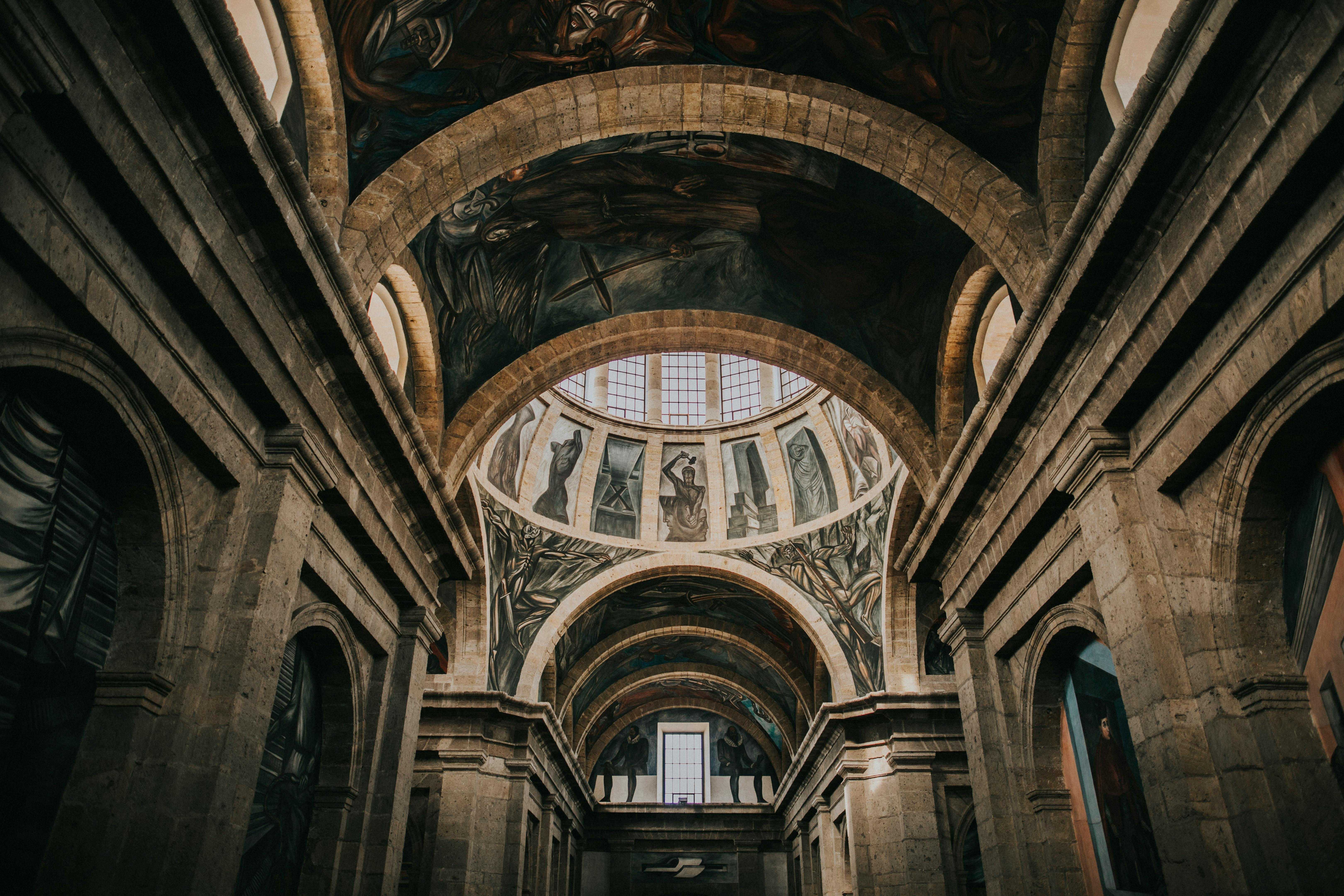
  • Hospicio Cabañas: A UNESCO World Heritage Site, this historic building in Guadalajara is renowned for its architecture and murals by José Clemente Orozco.
  • Tequila Trail: A tourist route that highlights the tequila production process and the region's cultural significance.
  • Lake Chapala: The largest freshwater lake in Mexico, located near Guadalajara, known for its natural beauty and as a habitat for diverse wildlife.

Modern Era

  • Economic and Social Development: Jalisco continues to be an economic powerhouse in Mexico, with strong industries in electronics, technology, agriculture, and tourism.
  • Cultural Influence: The state's cultural contributions, including music, dance, and cuisine, continue to shape Mexican national identity.

Jalisco's rich history and vibrant culture make it a vital part of Mexico's heritage, and its influence extends beyond its borders, contributing to the global perception of Mexican culture.