
Istanbul
State · Turkey

Istanbul

İstanbul, Turkey

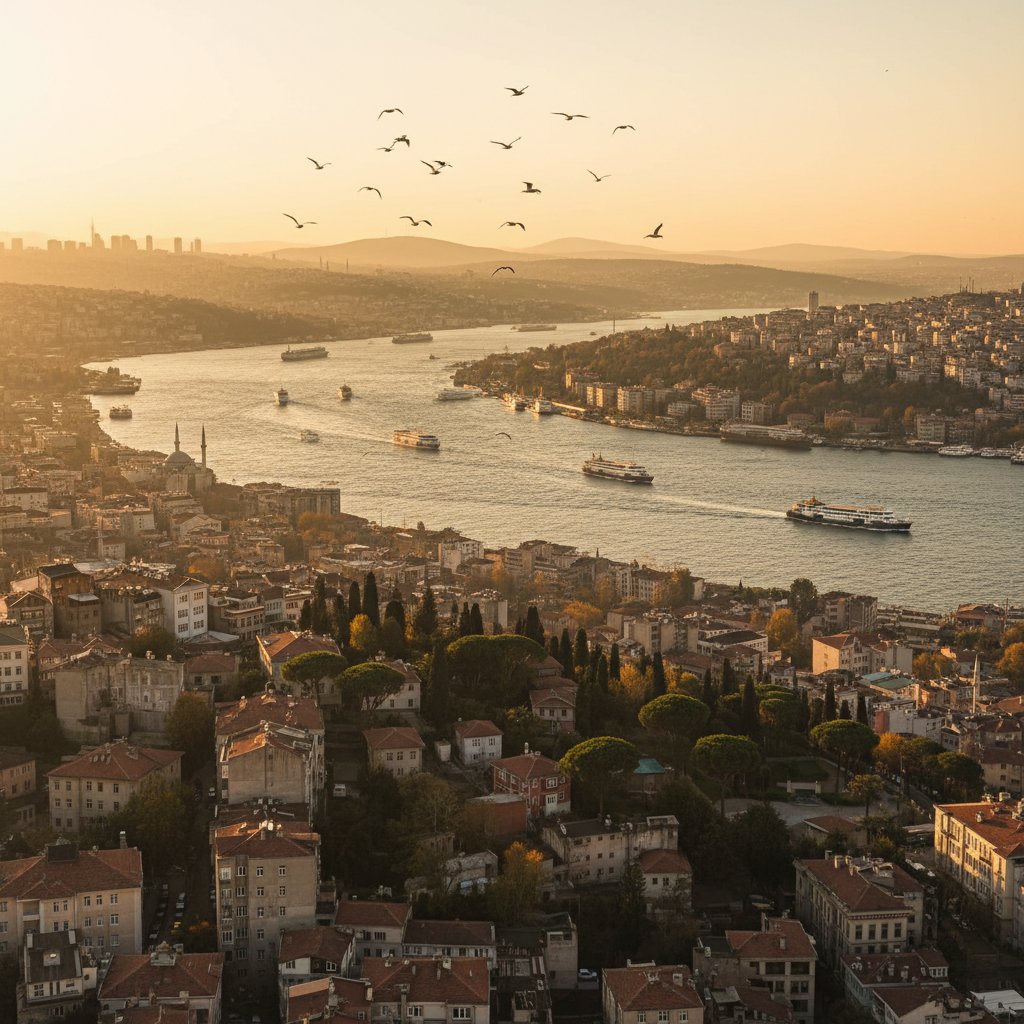
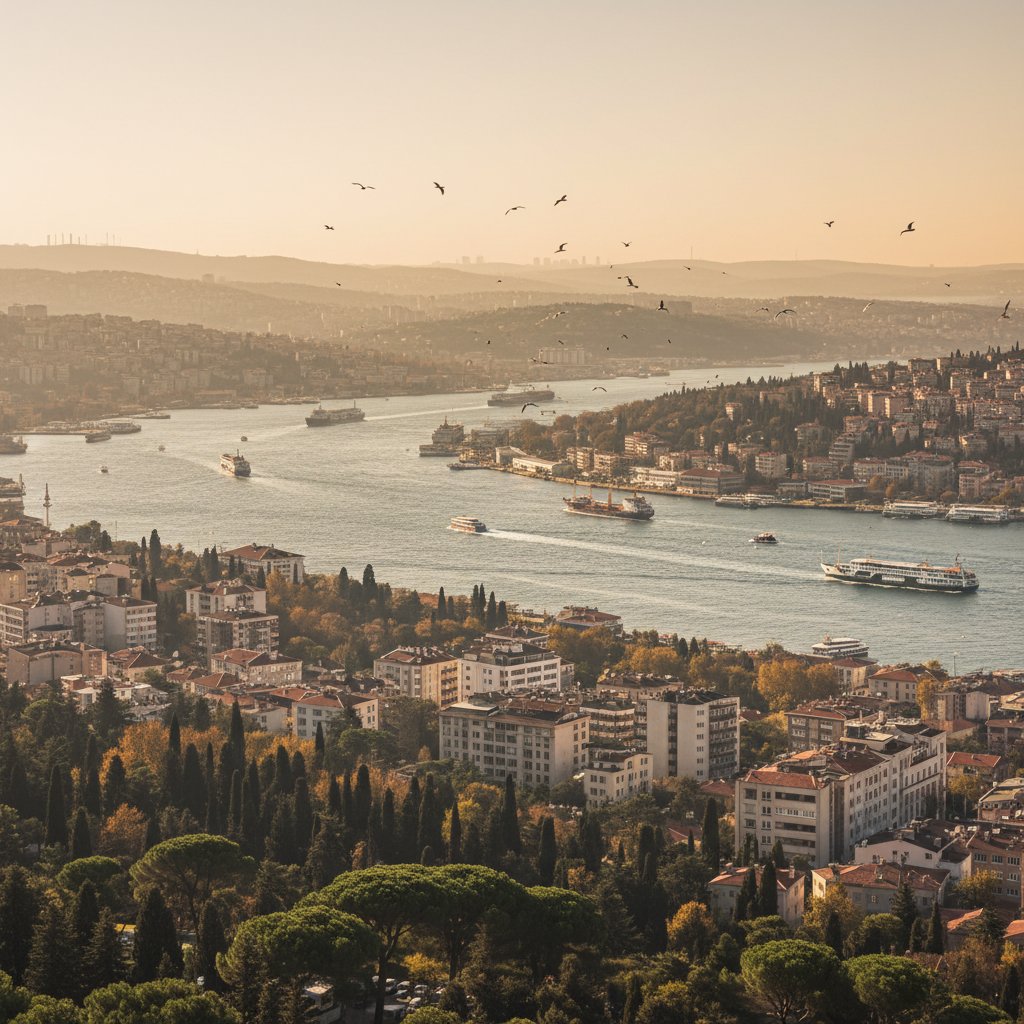
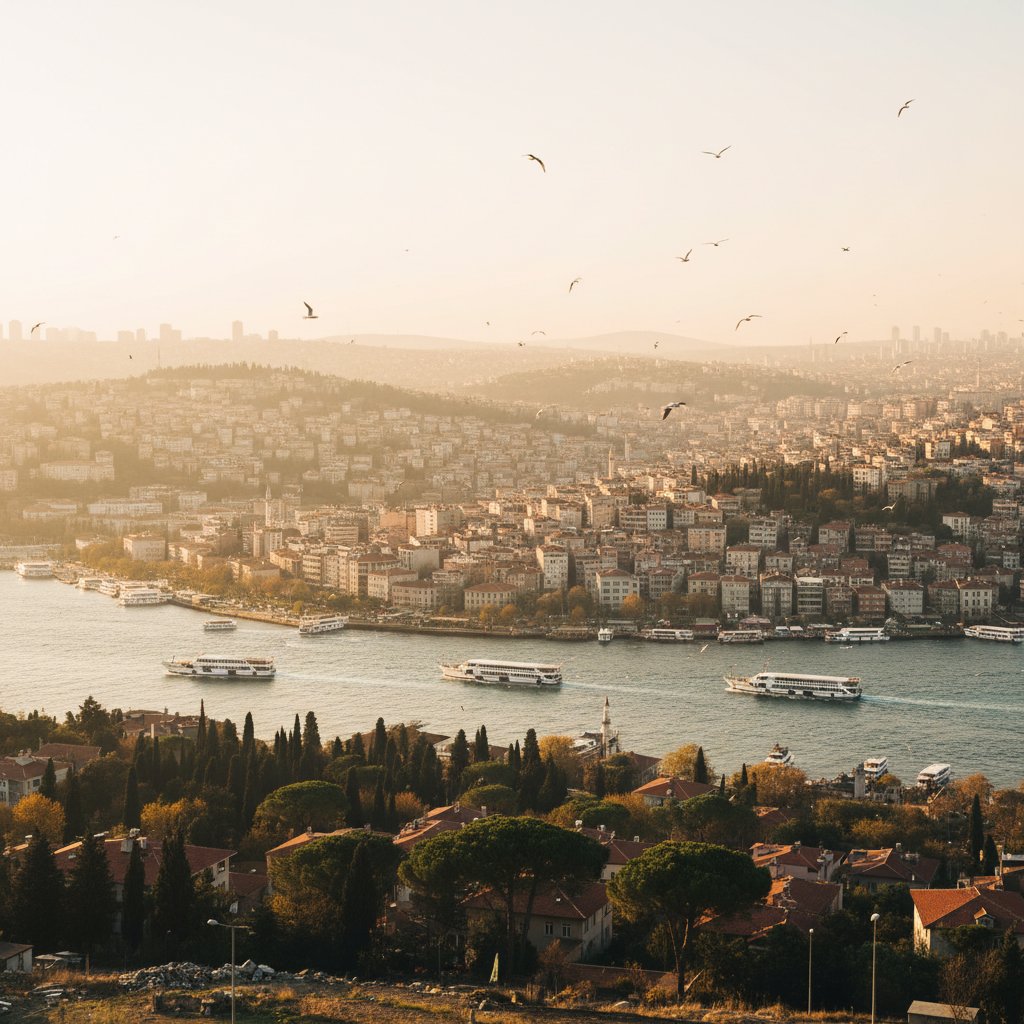
Istanbul is a mesmerizing transcontinental metropolis that physically and culturally bridges Europe and Asia across the shimmering Bosphorus Strait…

#historical sites#cultural melting pot#strait of Bosporus#Byzantine architecture#Grand Bazaar

Explore Istanbul

Top cities in Istanbul

Pick a city to open its guide.

See it for yourself

Location videos

Reels and longer watches.

Featured for Istanbul

Traveller clips picked out for this place.

Watch & explore

Good to know

Practical info

Weather, costs and getting around.

İstanbul, Turkey Open in Google Maps
Currency
₺ | TRY | Turkish Lira
Population
15.66 million (2023)
Density
2,931 / km²
Local time
Languages
Turkish mainly · Kurdish, Arabic
Budget / day
₺2500 - ₺12000
Also known as
Constantinople, Stamboul, Byzantium, Tsargrad

Know before you go

Local guide

A deeper read on Istanbul.

What people love

Istanbul offers an unparalleled blend of rich history, stunning architecture, and vibrant street life. Straddling two continents, it provides a unique cultural duality where East meets West. Visitors can explore world-class historical sites like the Hagia Sophia and Topkapi Palace, then easily transition to trendy cafes and modern art galleries. The local cuisine is exceptional, featuring everything from savory street food to refined dining. Additionally, the city's extensive public transportation network makes navigating its vast neighborhoods relatively easy. The warm hospitality of the Turkish people further enhances the experience, making travelers feel genuinely welcome.

What to know

Despite its charms, Istanbul can be overwhelming due to its massive size and dense population. Traffic congestion is notoriously bad, making surface travel time-consuming, especially during rush hours. Popular tourist sites and public transport often become heavily crowded, particularly in the peak summer months. While violent crime is rare, visitors must remain vigilant against petty theft, pickpocketing, and common tourist scams, such as overcharging taxis or aggressive touts near major attractions. Additionally, the language barrier can be challenging outside of central tourist districts, and the city's steep, hilly terrain may prove difficult for those with mobility issues.

Istanbul, historically known as Byzantium and later Constantinople, is a city of immense historical significance and cultural richness, located in Turkey. Its strategic position along the Bosporus Strait has made it a central hub for trade, culture, and politics for thousands of years.

Early History

  • Byzantium (7th century BCE): The city was originally founded as Byzantium by Greek settlers from Megara in the 7th century BCE. Its location was ideal for trade and military advantage.

Roman and Byzantine Periods

  • Roman Empire (73 CE): Byzantium became part of the Roman Empire. Emperor Septimius Severus rebuilt the city after it was damaged in a civil conflict.
  • Constantinople (330 CE): Emperor Constantine the Great refounded the city as Constantinople, which became the capital of the Roman Empire. This marked the beginning of the city's transformation into a major political and cultural center.
  • Byzantine Empire (395–1453): Constantinople was the heart of the Byzantine Empire. The city was renowned for its architectural marvels, such as the Hagia Sophia, originally built as a cathedral under Emperor Justinian I in 537 CE.

Islamic and Ottoman Conquests

  • Siege of Constantinople (1453): The city fell to the Ottoman Turks under Sultan Mehmed II, marking the end of the Byzantine Empire. Constantinople became the capital of the Ottoman Empire and was officially renamed Istanbul.
  • Ottoman Empire (1453–1922): During Ottoman rule, Istanbul flourished as a center of Islamic culture and learning. Numerous mosques, palaces, and public buildings were constructed, including the Topkapi Palace and the Blue Mosque (Sultan Ahmed Mosque).

Modern Period

  • Republic of Turkey (1923): Following the fall of the Ottoman Empire, Ankara was chosen as the capital of the newly established Republic of Turkey. However, Istanbul remained the country's cultural and economic hub.
  • Contemporary Istanbul: Today, Istanbul is a vibrant metropolis that bridges Europe and Asia. It is known for its diverse culture, rich history, and significant landmarks like the Galata Tower, Grand Bazaar, and the Bosporus Bridge.

Significant Historical Figures

  • Constantine the Great: The Roman Emperor who established Constantinople as the capital.
  • Justinian I: Byzantine Emperor known for commissioning the Hagia Sophia.
  • Sultan Mehmed II: The Ottoman Sultan who conquered Constantinople.
  • Suleiman the Magnificent: An influential Ottoman ruler who expanded the empire and contributed to Istanbul's architectural heritage.

Important Landmarks

  • Hagia Sophia: Originally a cathedral, later a mosque, now a museum and mosque again, it symbolizes the city's diverse religious history.
  • Topkapi Palace: Served as the main residence and administrative headquarters of the Ottoman sultans.
  • Blue Mosque: Known for its stunning blue tiles and architectural beauty.
  • Basilica Cistern: An ancient underground water reservoir built by the Byzantine Emperor Justinian I.

Istanbul remains a city of great historical and cultural significance, attracting millions of visitors each year who are eager to explore its rich past and vibrant present.

Book your trip to Istanbul

Everything for this destination in one place — where to stay, how to get there, and how to get from the airport to your hotel.

Hotels in IstanbulCompare stays across Istanbul with live prices