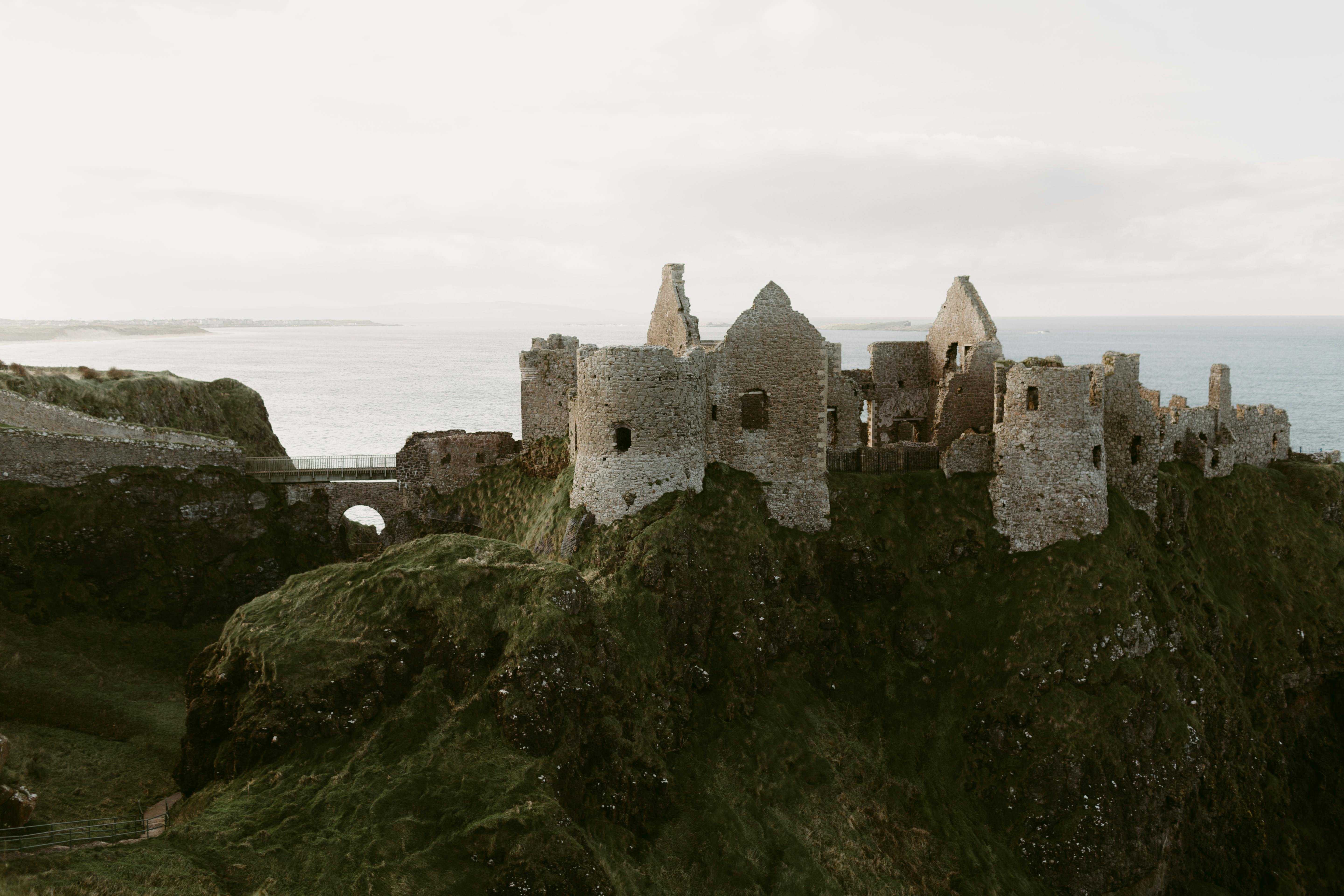
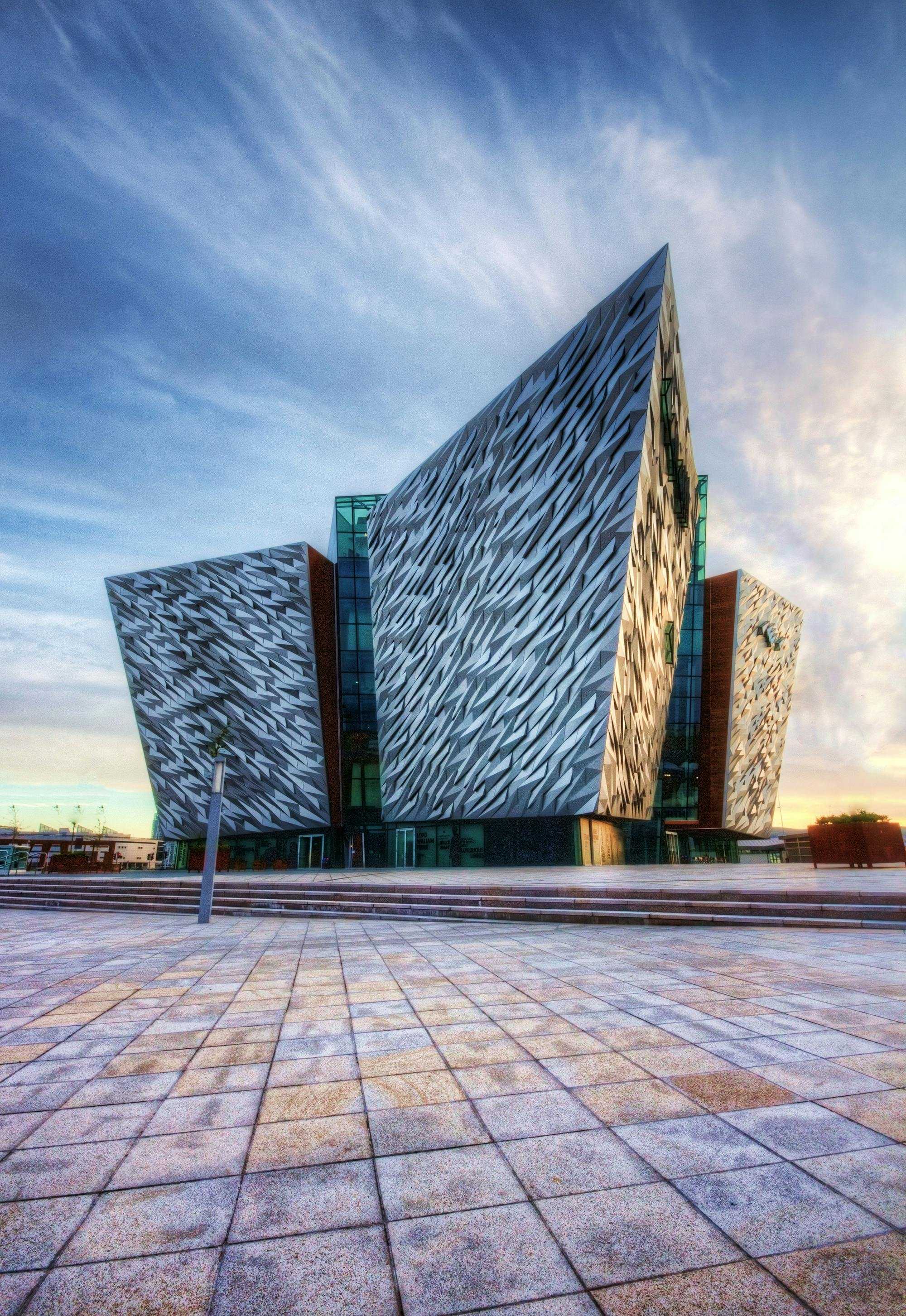
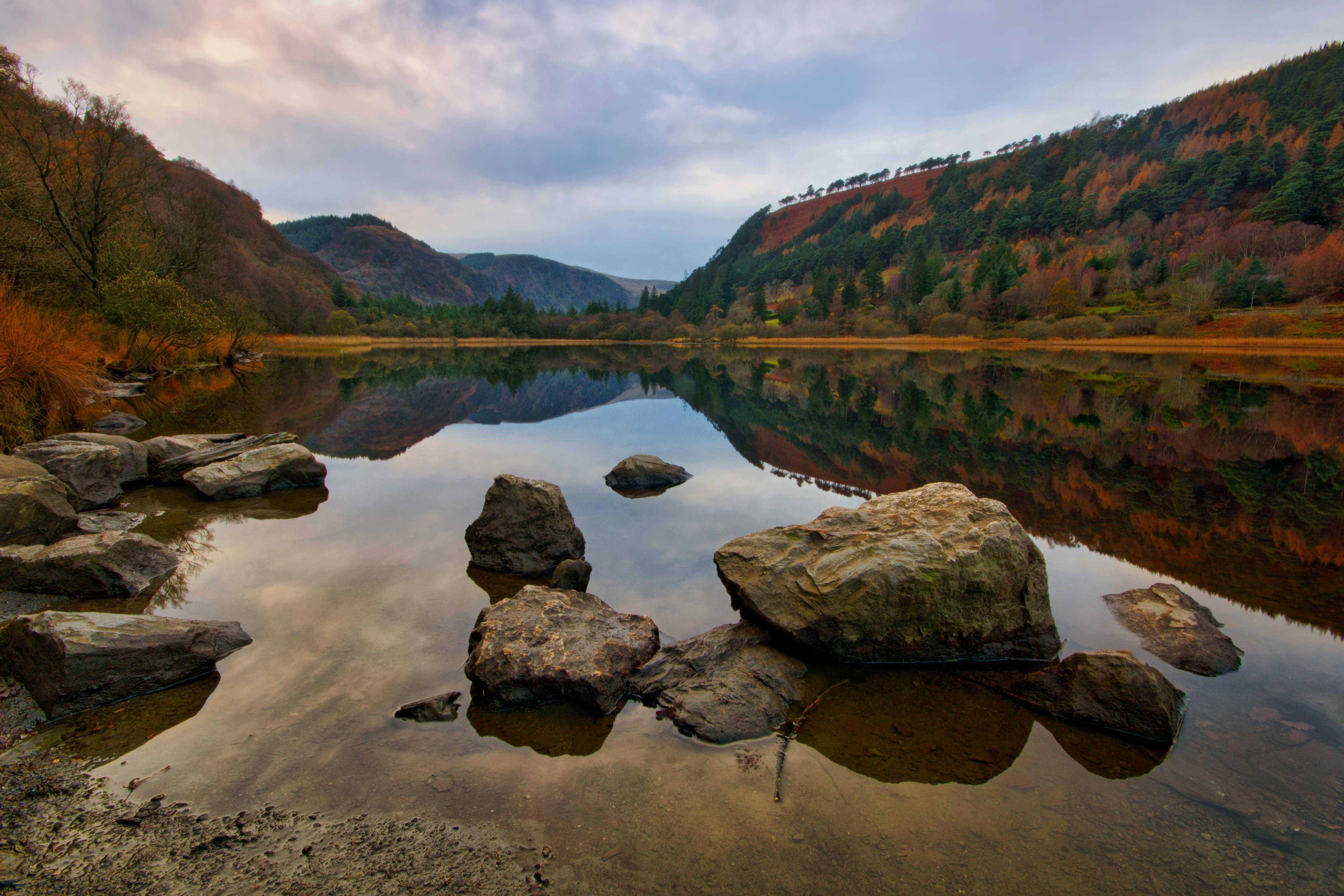

Ireland
· IE

Ireland

Ireland

Ireland: Where History Whispers and Laughter Rings Out Emerald landscapes, charming towns, and a spirit of storytelling that permeates every cobblestone street – Ireland is a country that captivates the soul. Beyond its …

#Green landscapes#Celtic culture#Historic sites#Pub culture#Cliffs and coastlines
1/10

Top hotels & flights

Hand-picked stays and the best fares into Ireland.

Top Hotels in Dublin

Top Flights to Dublin

Popular activities

Tours, tickets and experiences travelers book most in Ireland.

Tours

Cliffs of Moher Tour

Explore the majestic Cliffs of Moher, one of Ireland's most popular natural attractions, located on the west coast.

Shopping

Temple Bar Shopping

Explore the vibrant Temple Bar area in Dublin, known for its traditional and contemporary shops.

Outdoor

Cycling in Killarney

Enjoy a scenic cycling trip through Killarney National Park, offering stunning views of the lakes and mountains.

Location videos

Real reels from travelers, plus longer watches to get the full picture.

From travelers
Watch & explore

Practical info

The essentials for planning your time in Ireland.

Currency
€ | EUR | Euro
Population
5.1 million
Languages
English, Irish, English
Average weather
Ireland
Jan
rain
7°2°
Feb
rain
7°2°
Mar
rain
9°3°
Apr
cloud
11°4°
May
cloud
14°6°
Jun
cloud
17°9°
Jul
sun
19°11°
Aug
sun
19°11°
Sep
cloud
17°9°
Oct
rain
13°7°
Nov
rain
10°4°
Dec
rain
8°3°

Local guide

What travelers love, what to watch for, and a deeper read on Ireland.

What people love

Ireland, located in the British Isles, offers a unique and charming travel experience with its stunning landscapes, rich history, vibrant culture, and friendly locals. Here are some of the pros of traveling to Ireland:

  1. Breathtaking Scenery: Ireland is known for its lush green countryside, rugged coastlines, majestic mountains, and picturesque villages. Visitors can explore the iconic Cliffs of Moher, the Ring of Kerry, the Giant's Causeway, and many other natural wonders.

  2. Rich History and Heritage: Ireland has a fascinating history that is reflected in its historic sites, castles, museums, and ancient ruins. Visitors can learn about the country's Celtic roots, Viking influence, and more recent events such as the struggle for independence.

  3. Warm Hospitality: The Irish are famous for their warm hospitality and friendliness. Visitors can expect to be greeted with a smile and a warm welcome wherever they go, whether it's in a cozy pub, a family-run B&B, or a local shop.

  4. Vibrant Culture: Ireland has a vibrant cultural scene with traditional music, dance, literature, and art thriving throughout the country. Visitors can immerse themselves in Irish culture by attending a traditional music session, watching a Gaelic football match, or visiting a local art gallery.

  5. Delicious Food and Drink: Ireland is known for its hearty and delicious cuisine, including traditional dishes like Irish stew, soda bread, and seafood chowder. Visitors can also enjoy a pint of Guinness in a traditional Irish pub or sample some fine Irish whiskey on a distillery tour.

  6. Outdoor Activities: Ireland's diverse landscape offers plenty of opportunities for outdoor activities such as hiking, cycling, fishing, golfing, and water sports. Whether you prefer a leisurely stroll through a lush forest or an adrenaline-pumping adventure, Ireland has something for everyone.

Overall, traveling to Ireland offers a perfect blend of natural beauty, rich culture, friendly locals, and unforgettable experiences that make it a fantastic destination for any traveler.

What to know

Traveling to Ireland, like any destination, may have certain cons to consider. Here are some potential cons of traveling to Ireland:

  1. Weather: Ireland is known for its unpredictable weather, which can include rain, wind, and overcast skies. Be prepared for damp conditions and pack accordingly.

  2. Crowds: Popular tourist destinations in Ireland, such as Dublin and the Cliffs of Moher, can get quite crowded, especially during peak tourist season. This may impact your experience and make it difficult to fully enjoy some attractions.

  3. Cost: Ireland can be an expensive destination to visit, especially in major cities like Dublin. Accommodation, food, and transportation costs can add up quickly, so it's important to budget accordingly.

  4. Traffic: If you plan to drive in Ireland, be prepared for narrow roads, roundabouts, and driving on the left side of the road. Traffic congestion can also be an issue in urban areas.

  5. Tourist Traps: Like any popular tourist destination, Ireland has its fair share of tourist traps. Be cautious of overpriced attractions and restaurants targeting tourists.

  6. Language Barrier: While English is widely spoken in Ireland, some Gaelic signage and local accents may pose a slight language barrier for tourists.

  7. Rural Areas: If you plan to explore rural areas of Ireland, be aware that amenities and services may be limited compared to urban areas.

Remember that these potential cons should not discourage you from visiting Ireland, as the country has much to offer in terms of stunning landscapes, rich history, and friendly locals. It's always a good idea to plan ahead and be prepared for any challenges that may arise during your trip.

Ireland, an island in the North Atlantic, has a rich and complex history characterized by periods of significant change and development. Here's a detailed overview:

Prehistoric Ireland

  • Mesolithic Period (circa 8000 BC): The earliest evidence of human presence in Ireland dates back to around 8000 BC, with the arrival of hunter-gatherers.
  • Neolithic Period (circa 4000–2500 BC): This period saw the arrival of the first farmers, who constructed impressive stone monuments like Newgrange, Knowth, and Dowth in the Boyne Valley.

Ancient Ireland

  • Bronze Age (circa 2500–500 BC): Marked by the introduction of metalworking.
  • Iron Age (circa 500 BC–400 AD): Characterized by Celtic influence; the Celts brought their language and culture, forming the basis of Gaelic Ireland.

Early Christian and Medieval Period

  • St. Patrick (5th century AD): Credited with converting Ireland to Christianity. His work laid the foundation for a rich monastic culture.
  • Viking Invasions (8th–11th centuries): Vikings established settlements, including Dublin, Waterford, and Limerick.
  • Norman Invasion (1169): Initiated by Strongbow, this led to significant English influence and control over parts of Ireland.

Gaelic Resurgence and English Rule

  • The Gaelic Revival (14th–16th centuries): A period of cultural resurgence, although English control expanded.
  • Tudor Conquest (16th century): Henry VIII declared himself King of Ireland, leading to the Plantations, where English and Scottish settlers were placed on confiscated lands.

The 17th and 18th Centuries

  • The Nine Years' War (1594–1603): A rebellion led by Hugh O'Neill, resulting in the Flight of the Earls (1607).
  • Cromwellian Conquest (1649–53): Oliver Cromwell's campaign brought severe hardship and land confiscations.
  • Penal Laws (1690s-early 1700s): Discriminated against Catholics and Presbyterians, enforcing Protestant Ascendancy.

The 19th Century

  • The Act of Union (1801): Merged the Kingdom of Ireland and the Kingdom of Great Britain, forming the United Kingdom of Great Britain and Ireland.
  • The Great Famine (1845–49): A catastrophic potato blight led to mass starvation and emigration, reducing Ireland’s population significantly.
  • Home Rule Movement: A political movement seeking self-government within the UK.

The 20th Century

  • Easter Rising (1916): A failed insurrection in Dublin that galvanized support for Irish independence.
  • War of Independence (1919–21): Led by figures like Michael Collins, it resulted in the Anglo-Irish Treaty.
  • Partition and Civil War (1922–23): The treaty led to the partition of Ireland, with the creation of Northern Ireland and the Irish Free State, followed by civil conflict.
  • Republic of Ireland (1949): The Free State became a fully independent republic, leaving the Commonwealth.

Modern Ireland

  • Northern Ireland Troubles (1968–1998): A violent conflict between unionists/loyalists and nationalists/republicans.
  • Good Friday Agreement (1998): A peace agreement that largely ended the conflict and established a devolved government in Northern Ireland.
  • Celtic Tiger (1990s–2008): A period of rapid economic growth.

Significant Landmarks

  • Newgrange: A prehistoric monument older than Stonehenge.
  • Rock of Cashel: A historic site with medieval buildings.
  • Giant’s Causeway: A natural wonder in Northern Ireland.
  • Trinity College Dublin: Home to the Book of Kells.

Key Historical Figures

  • St. Patrick: Patron saint and missionary.
  • Brian Boru: High King who defeated the Vikings at the Battle of Clontarf in 1014.
  • Daniel O'Connell: A 19th-century nationalist leader.
  • Eamon de Valera: A leading political figure in 20th-century Ireland.
  • Mary Robinson: The first female President of Ireland.

Ireland’s history is marked by its struggle for independence, cultural resilience, and a quest for peace and prosperity.