Iraq
· IQ

Iraq

Iraq

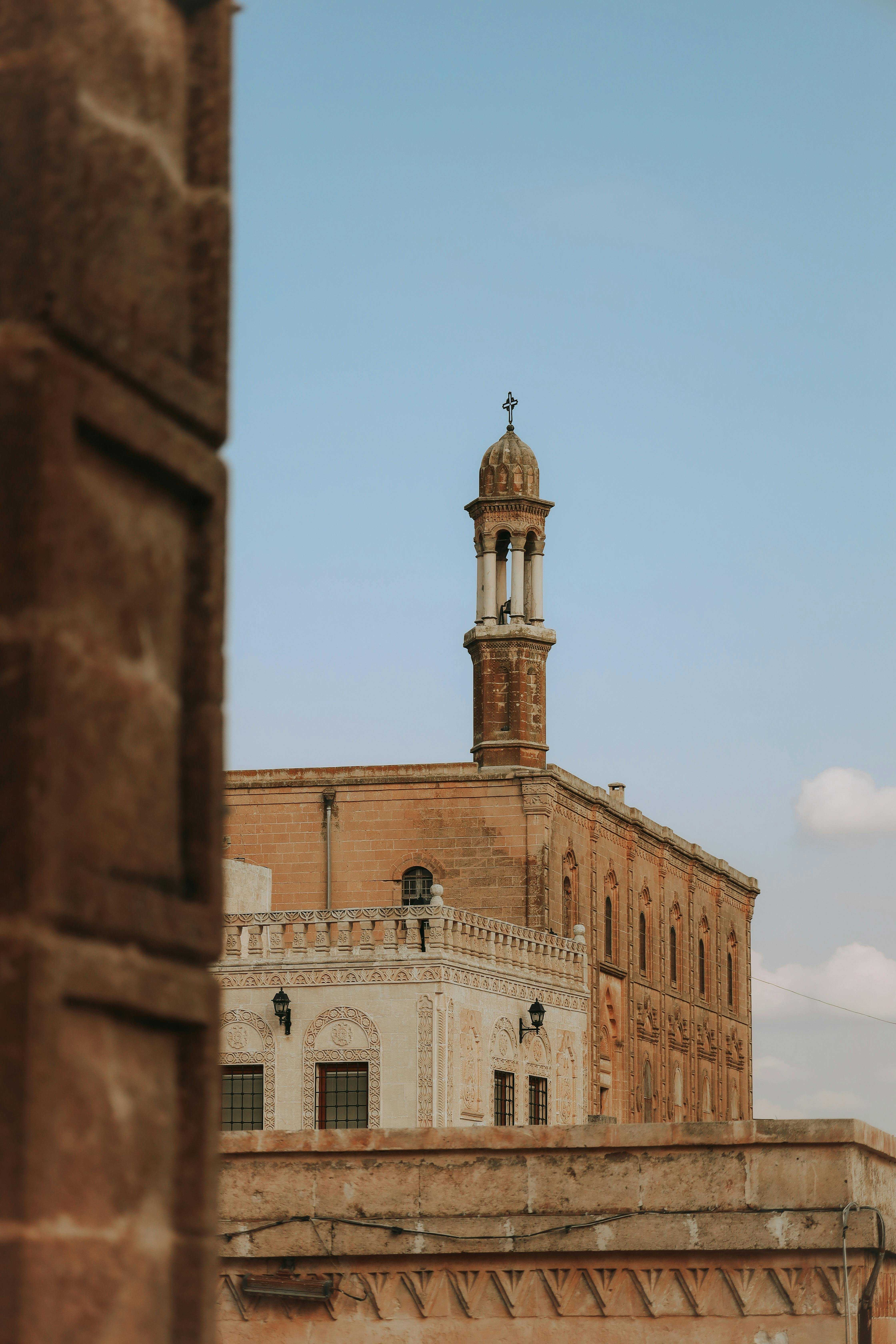
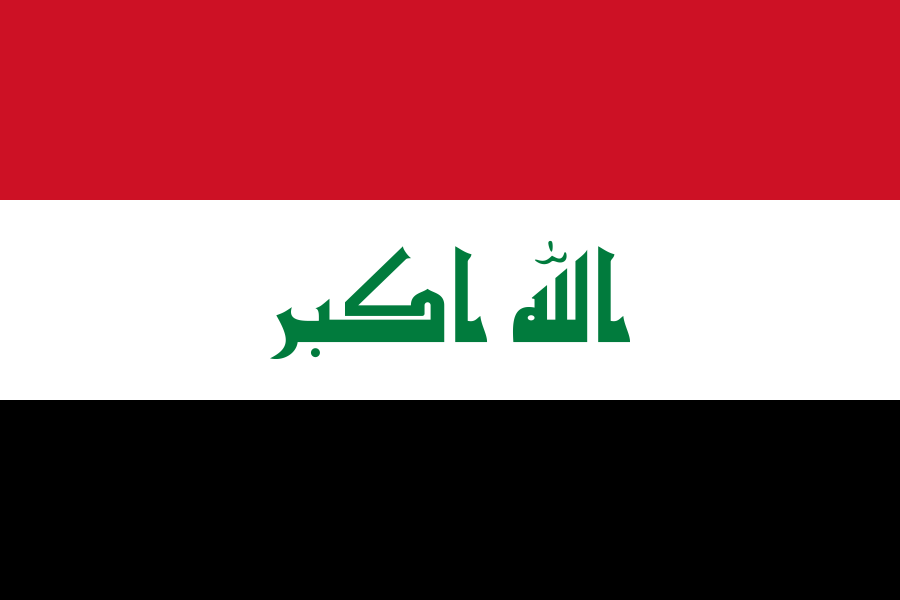
Iraq, officially the Republic of Iraq, is a country in Western Asia. Encompassing the ancient Mesopotamia between the Tigris and Euphrates rivers, Iraq is home to some of the oldest centers of human civilization, includi…

#Middle East#Arab country#War-torn#Oil-rich#Historical sites
1/5

Top hotels & flights

Hand-picked stays and the best fares into Iraq.

Top Hotels in Baghdad

Top Flights to Baghdad

Popular activities

Tours, tickets and experiences travelers book most in Iraq.

Tours

Explore the Ancient Ruins of Babylon

Visit the historical site of Babylon, famous for its ancient ruins and rich history.

Shopping

Souq Al-Shorja Shopping

Experience the vibrant atmosphere of Baghdad's largest market.

Outdoor

Tigris River Cruise Adventure

Enjoy a scenic boat cruise on the Tigris River.

Location videos

Real reels from travelers, plus longer watches to get the full picture.

From travelers
Watch & explore

Practical info

The essentials for planning your time in Iraq.

Currency
ع.د | IQD | Iraqi Dinar Republic of Iraq
Population
40.2 million
Languages
Arabic, Kurdish, Assyrian, Turkmen
Average weather
Iraq
Jan
rain
13°3°
Feb
rain
15°5°
Mar
cloud
20°9°
Apr
clear
26°14°
May
sun
33°19°
Jun
hot
39°24°
Jul
hot
42°27°
Aug
hot
42°26°
Sep
sun
38°22°
Oct
clear
31°17°
Nov
cloud
22°11°
Dec
rain
15°6°

Local guide

What travelers love, what to watch for, and a deeper read on Iraq.

What people love

Iraq is a country with a rich history and culture, making it a fascinating destination for travelers. Some of the pros of traveling to Iraq include:

  1. Historical Sites: Iraq is home to ancient archaeological sites such as Babylon, Nineveh, and Ur, which offer a glimpse into the country's rich history and cultural heritage.

  2. Cultural Experience: Traveling to Iraq provides an opportunity to immerse yourself in the local culture, including sampling traditional Iraqi cuisine, exploring vibrant markets, and interacting with friendly locals.

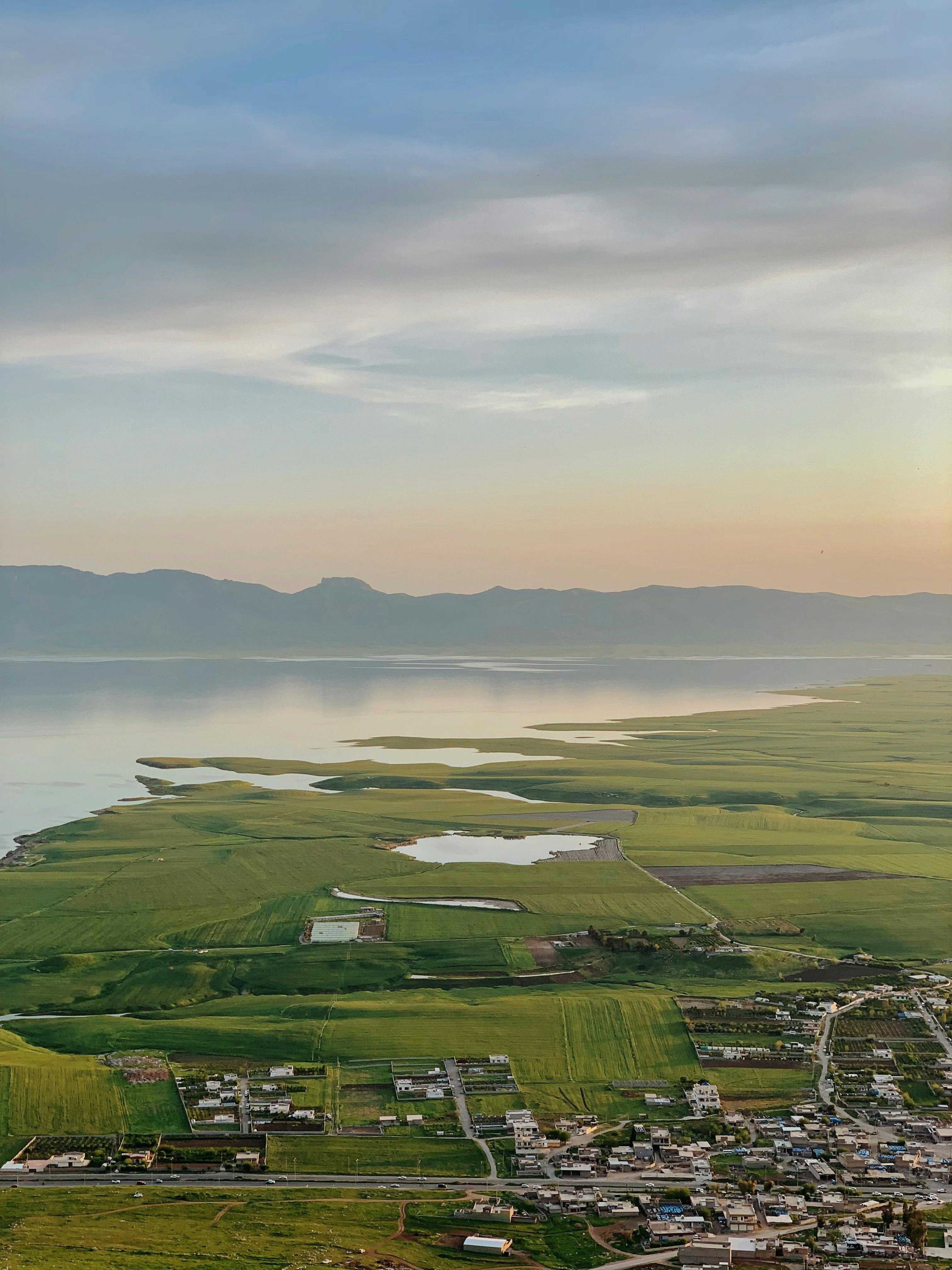
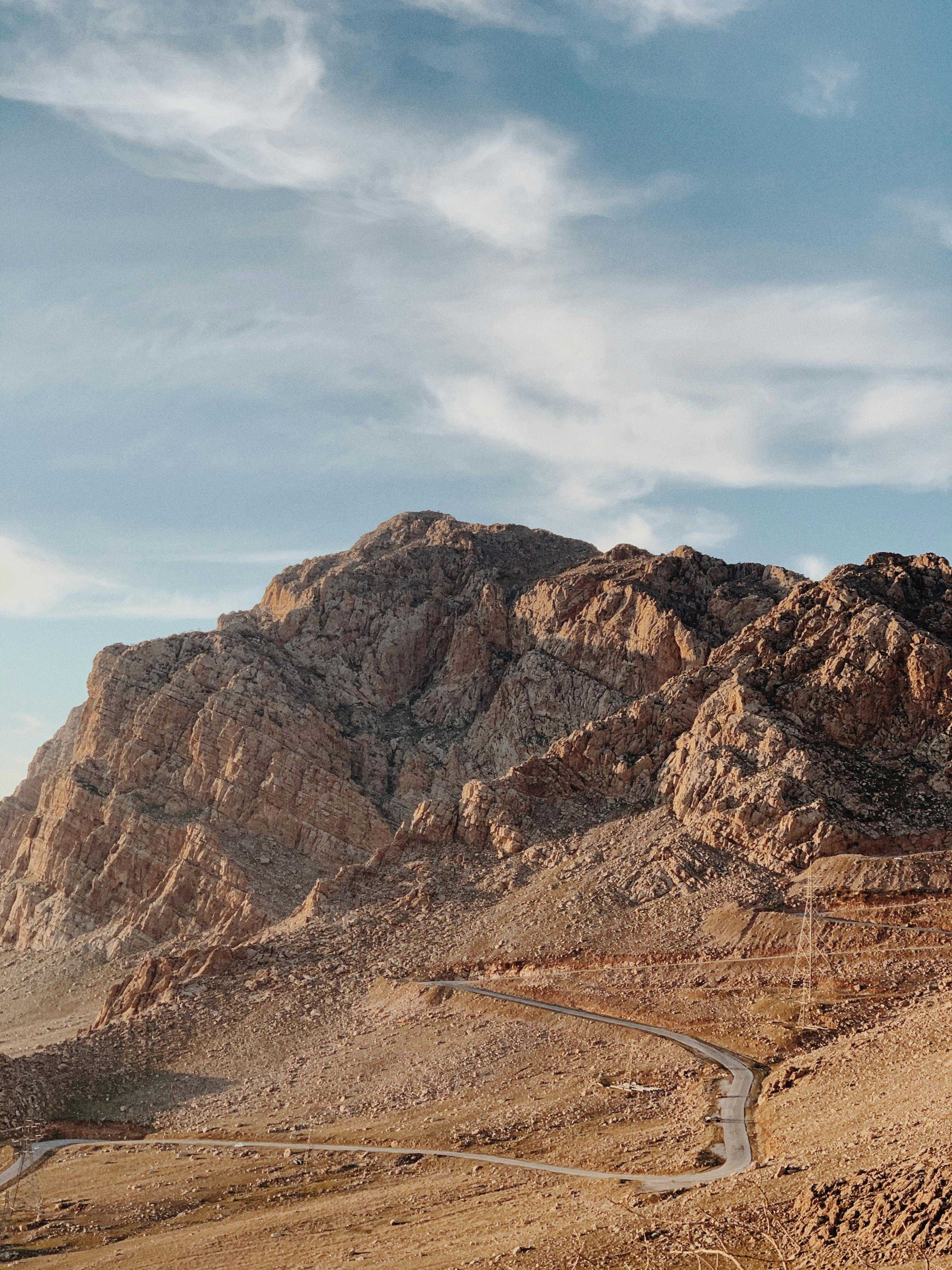
  3. Natural Beauty: Iraq boasts stunning natural landscapes, from the marshlands of southern Iraq to the mountains of the north, offering opportunities for outdoor activities such as hiking, birdwatching, and exploring scenic vistas.

  4. Hospitality: Iraqi people are known for their hospitality and warmth towards visitors, making it a welcoming destination for travelers looking to connect with locals and learn more about the country.

  5. Unique Experiences: Traveling to Iraq allows you to experience a destination that is off the beaten path, providing a unique and authentic travel experience that is different from more popular tourist destinations.

Overall, traveling to Iraq can be a rewarding experience for those interested in history, culture, and adventure. However, it is important to research and plan your trip carefully due to safety concerns and travel advisories in certain parts of the country.

What to know

There are several cons to traveling to Iraq that you should consider:

  1. Safety concerns: Iraq has experienced political instability, terrorism, and armed conflict in recent years. The security situation in certain parts of the country can be volatile, with the presence of extremist groups and ongoing military operations. Travelers may be at risk of becoming caught in violent incidents or targeted attacks.

  2. Travel restrictions: The U.S. Department of State and other governments have issued travel advisories warning against non-essential travel to Iraq due to the security risks. It is important to check for any travel restrictions or warnings before planning a trip to Iraq.

  3. Limited infrastructure: Iraq's infrastructure, including transportation, healthcare, and communication systems, may not be as developed or reliable as in other countries. This could pose challenges for travelers in terms of accessibility and convenience.

  4. Cultural considerations: Iraq is a conservative Muslim-majority country, and travelers are expected to respect local customs and traditions. Dress modestly, especially in religious sites, and be mindful of local norms to avoid causing offense.

  5. Language barrier: Arabic is the official language of Iraq, and while English may be spoken in some tourist areas or by younger people, communication could be a challenge in more remote or less touristy locations.

It is important to thoroughly research and consider these factors before deciding to travel to Iraq. Your safety and well-being should be the top priority.

Iraq, located in the heart of the Middle East, has a rich and complex history that spans thousands of years. Here is a detailed overview of Iraq's history, significant events, historical figures, and important landmarks.

Ancient Mesopotamia

  • Sumerians (c. 4500–1900 BCE): One of the earliest civilizations in the world, the Sumerians established city-states in southern Mesopotamia, including Uruk, Ur, and Eridu. They developed one of the first writing systems, cuneiform.
  • Akkadian Empire (c. 2334–2154 BCE): Founded by Sargon of Akkad, it was one of the first empires in history, unifying various city-states under one rule.
  • Babylonian Empire (c. 1894–539 BCE): Famous for the Code of Hammurabi, one of the earliest known sets of laws, and the Hanging Gardens of Babylon, one of the Seven Wonders of the Ancient World.
  • Assyrian Empire (c. 2500–609 BCE): Known for its military prowess and monumental architecture, the Assyrians established one of the largest empires in ancient Mesopotamia with capitals such as Nineveh and Ashur.

Classical Antiquity to Islamic Conquest

  • Achaemenid Empire (c. 550–330 BCE): Iraq was part of this Persian empire until the conquest by Alexander the Great.
  • Seleucid Empire (c. 312–63 BCE): After Alexander's death, Mesopotamia became part of the Hellenistic Seleucid Empire.
  • Parthian and Sassanian Empires (c. 247 BCE–651 CE): These Persian empires controlled Mesopotamia, with Ctesiphon as a major capital city.

Islamic Golden Age

  • Islamic Conquest (7th century CE): Islam spread to Iraq, and it became a significant cultural and intellectual hub.
  • Abbasid Caliphate (750–1258 CE): Baghdad, founded in 762 CE, became the capital and a center of learning, culture, and commerce during the Islamic Golden Age.

Mongol Invasion and Ottoman Rule

  • Mongol Invasion (1258): The Mongols, led by Hulagu Khan, sacked Baghdad, marking the end of the Abbasid Caliphate.
  • Ottoman Empire (1533–1918): Iraq was part of the Ottoman Empire until the end of World War I.

20th Century to Present

  • British Mandate and Independence (1920–1932): After World War I, Iraq came under British control as a mandate. It gained independence in 1932.
  • Republic of Iraq (1958): The monarchy was overthrown, and Iraq became a republic.
  • Saddam Hussein's Rule (1979–2003): Saddam became president in 1979, leading to significant conflicts, including the Iran-Iraq War (1980–1988) and the Gulf War (1990–1991).
  • 2003 Invasion and Aftermath: The U.S.-led invasion in 2003 toppled Saddam Hussein, leading to years of conflict and instability.
  • Post-2003 Developments: Iraq has faced sectarian violence, the rise of ISIS, and ongoing challenges in building a stable political system.

Important Landmarks

  • Ziggurat of Ur: An ancient Sumerian temple complex.
  • Babylon Ruins: Remnants of the ancient city, including the Ishtar Gate.
  • Al-Mustansiriya School: A medieval center of learning in Baghdad.
  • Imam Ali Mosque: A significant Shia Muslim site in Najaf.
  • Erbil Citadel: One of the oldest continuously inhabited sites in the world.

Iraq's history is marked by its role as a cradle of civilization and its strategic importance, which has led to numerous conflicts and cultural achievements. Today, it continues to rebuild and redefine itself in a complex regional and global context.