
Iowa
· US

Iowa

Iowa, United States

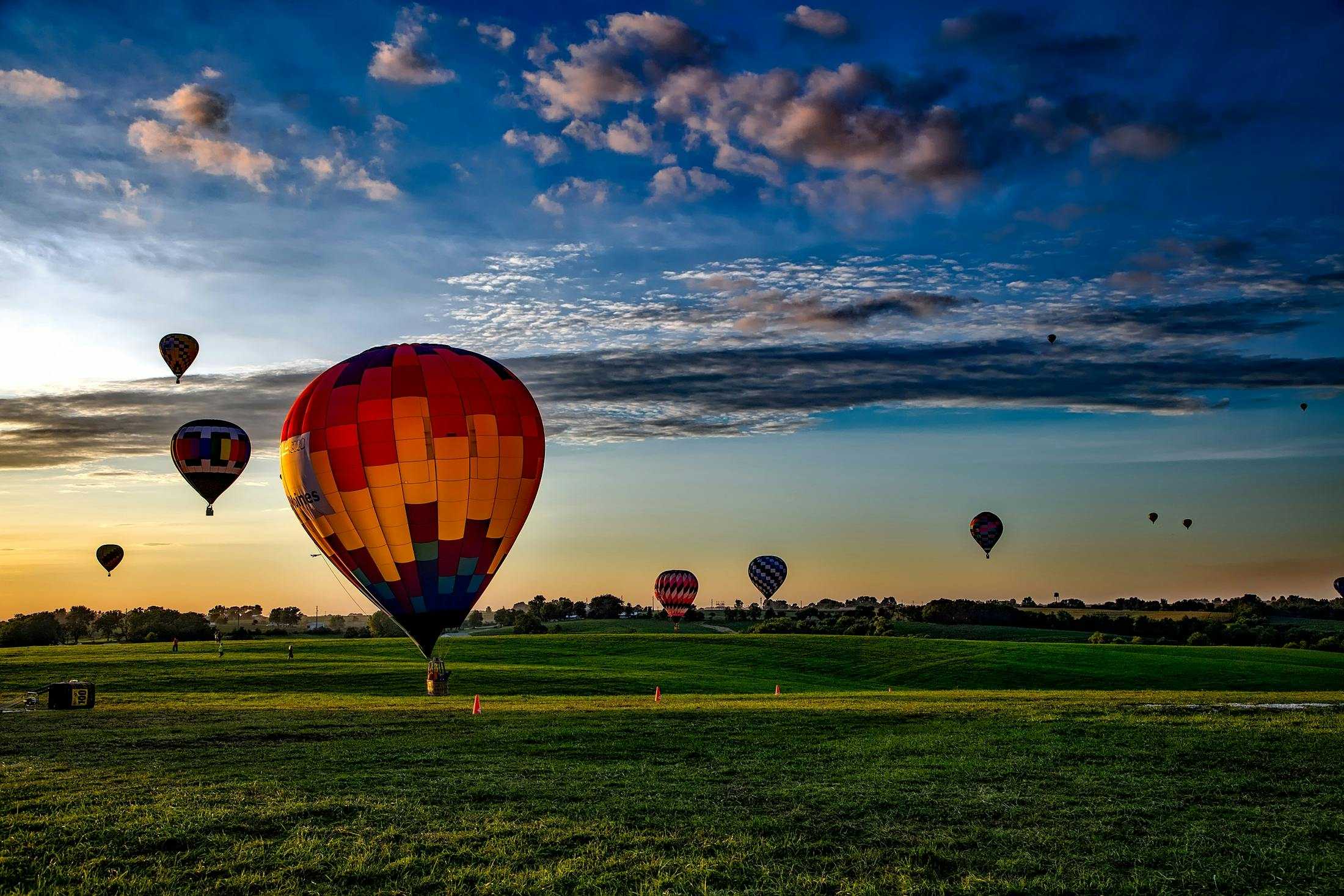
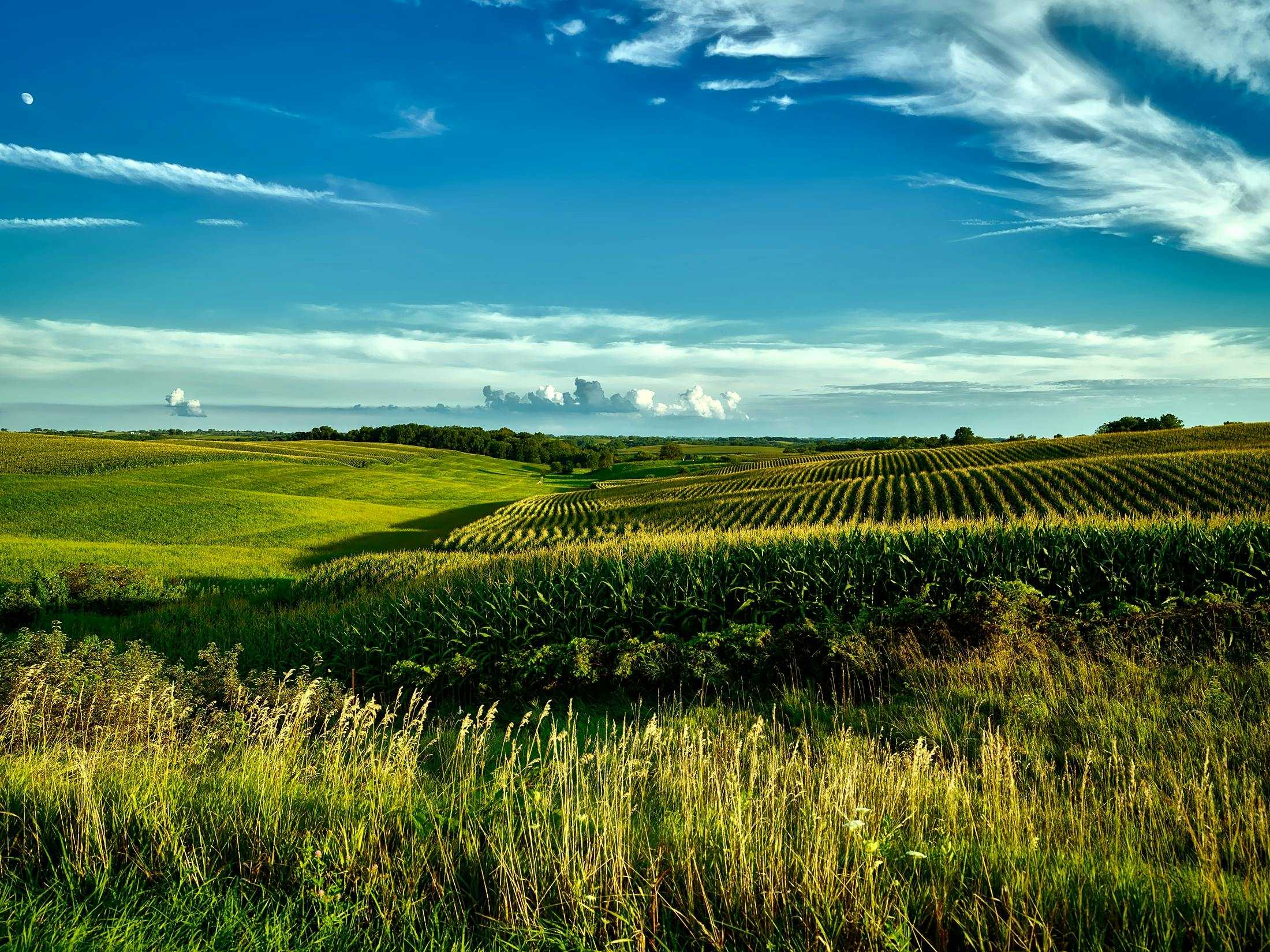
Iowa: Unveiling the Heart of America Forget preconceived notions; Iowa is more than just cornfields (though they are pretty impressive!). This Midwestern gem, nestled in the heart of the United States, offers a surprisin…

#Midwest#Cornfields#Heartland#American agriculture#Mississippi River
1/3

Top hotels & flights

Hand-picked stays and the best fares into Iowa.

Top Hotels in Iowa

Top Flights to Iowa

Location videos

Real reels from travelers, plus longer watches to get the full picture.

Watch & explore

Practical info

The essentials for planning your time in Iowa.

Currency
$ | USD | US Dollar
Population
As of the most recent estimates, the approximate total population of Iowa is 3.2 million.
Languages
English, English

Local guide

What travelers love, what to watch for, and a deeper read on Iowa.

What people love

Iowa, located in the United States, offers several pros for travelers:

  1. Scenic Beauty: Iowa is known for its picturesque landscapes, including rolling hills, lush farmlands, and beautiful rivers. Travelers can enjoy outdoor activities such as hiking, biking, and fishing while taking in the natural beauty of the state.

  2. Cultural Experiences: Iowa has a rich cultural heritage, with diverse communities that offer unique experiences for travelers. From historic sites and museums to art galleries and music festivals, there is something for everyone to enjoy.

  3. Friendly Locals: Iowans are known for their hospitality and friendliness towards visitors. Travelers can expect to be greeted with warmth and kindness as they explore the state.

  4. Food and Drink: Iowa is home to a vibrant food scene, with a focus on farm-to-table dining and locally sourced ingredients. Travelers can enjoy delicious meals at restaurants, farmers markets, and food festivals throughout the state. Additionally, Iowa is known for its craft beer and wineries, offering travelers the chance to sample local brews and wines.

  5. Affordable Travel: Iowa is generally considered an affordable travel destination, with reasonable prices for accommodations, dining, and attractions. Travelers can experience all that the state has to offer without breaking the bank.

Overall, traveling to Iowa can provide a unique and memorable experience for visitors looking to explore the beauty, culture, and hospitality of the state.

What to know

Some potential cons of traveling to Iowa may include:

  1. Limited public transportation: Iowa is a rural state with limited public transportation options, so getting around may be more challenging without a car.

  2. Harsh weather conditions: Iowa experiences cold winters with snow and ice, as well as hot and humid summers. Travelers should be prepared for fluctuating weather conditions.

  3. Limited cultural attractions: While Iowa has some cultural attractions such as museums and historic sites, it may not offer as many cultural experiences as larger cities or states.

  4. Limited nightlife and entertainment options: Iowa may not have as vibrant of a nightlife scene or as many entertainment options as larger cities, which could be a downside for some travelers.

  5. Limited international cuisine options: While Iowa has a growing food scene, it may not offer as diverse of international cuisine options as larger cities or states.

Overall, these potential cons may vary depending on individual preferences and travel priorities. It's always a good idea to research and plan ahead to ensure a smooth and enjoyable trip to Iowa.

Iowa, located in the Midwestern United States, is a state rich in history and cultural significance. Below is a detailed history of Iowa, including significant events, historical figures, and important landmarks:

Early History and Indigenous Peoples

  • Pre-European Settlement: The area now known as Iowa was inhabited by various Native American tribes, including the Ioway, Sioux, Sauk, Meskwaki (Fox), and Potawatomi. These tribes lived in the region for thousands of years, developing rich cultures and societies.
  • European Exploration: French explorers, including Jacques Marquette and Louis Jolliet, were among the first Europeans to travel through Iowa in 1673. The area was later claimed by France as part of the Louisiana Territory.

Territorial Period

  • Louisiana Purchase (1803): Iowa became part of the United States following the Louisiana Purchase, when the U.S. acquired vast territories from France.
  • Lewis and Clark Expedition (1804-1806): The famous expedition passed through Iowa, contributing to the exploration and mapping of the region.
  • Establishment of Forts: Fort Madison was established in 1808 as the first U.S. military fort in Iowa, though it was abandoned during the War of 1812.

Statehood and Growth

  • Black Hawk War (1832): This conflict resulted in the forced removal of the Sauk and Meskwaki tribes from Iowa, opening the land for settlement by European-Americans.
  • Territorial Status (1838): Iowa became a separate U.S. territory.
  • Statehood (1846): Iowa was admitted to the Union on December 28, 1846, becoming the 29th state.

19th Century Development

  • Agricultural Expansion: Iowa's rich soil made it an ideal location for agriculture, leading to rapid settlement and development. The state's economy became heavily based on farming.
  • Railroad Expansion: The development of railroads in the mid-19th century further spurred economic growth and facilitated the transportation of goods and people.
  • Civil War (1861-1865): Though no battles took place in Iowa, the state contributed significantly to the Union war effort, providing troops and supplies.

20th Century and Modern Era

  • Progressive Era Reforms: In the early 20th century, Iowa was active in the Progressive movement, implementing various social and political reforms.
  • Great Depression: Like much of the U.S., Iowa was hit hard by the Great Depression, which affected its agricultural industry.
  • World War II: Iowa played a crucial role in the war effort, with its factories producing war materials and its farms supplying food to troops.
  • Civil Rights Movement: Iowa was involved in the broader civil rights struggles of the 20th century, advocating for equality and desegregation.

Historical Figures

  • Herbert Hoover: The 31st President of the United States, born in West Branch, Iowa.
  • John Wayne: The iconic actor was born in Winterset, Iowa.
  • Norman Borlaug: An agronomist from Iowa credited with starting the Green Revolution, which increased food production worldwide.

Important Landmarks

  • Effigy Mounds National Monument: This site preserves prehistoric mounds built by Native American cultures.
  • Herbert Hoover National Historic Site: Located in West Branch, it commemorates the life and legacy of President Hoover.
  • State Capitol in Des Moines: Known for its beautiful architecture and the gold-leafed dome.
  • Amana Colonies: A group of settlements established by German Pietists in the 19th century, known for their unique communal lifestyle and heritage.

Iowa's history is deeply intertwined with agriculture, pioneering spirit, and a commitment to progress and reform. The state's landmarks and historical figures reflect its diverse contributions to the nation.