
Indiana
· US

Indiana

Indiana, United States

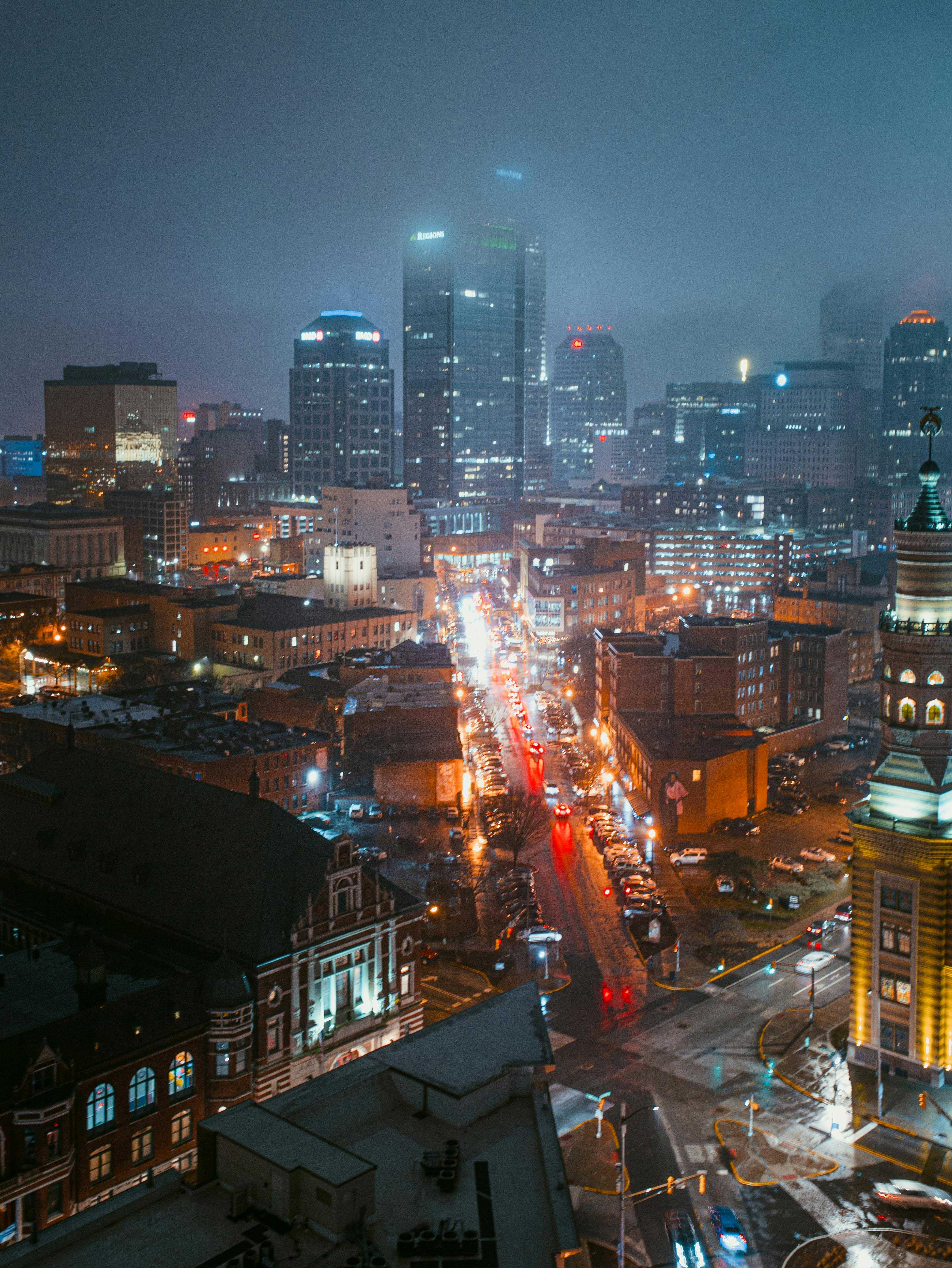
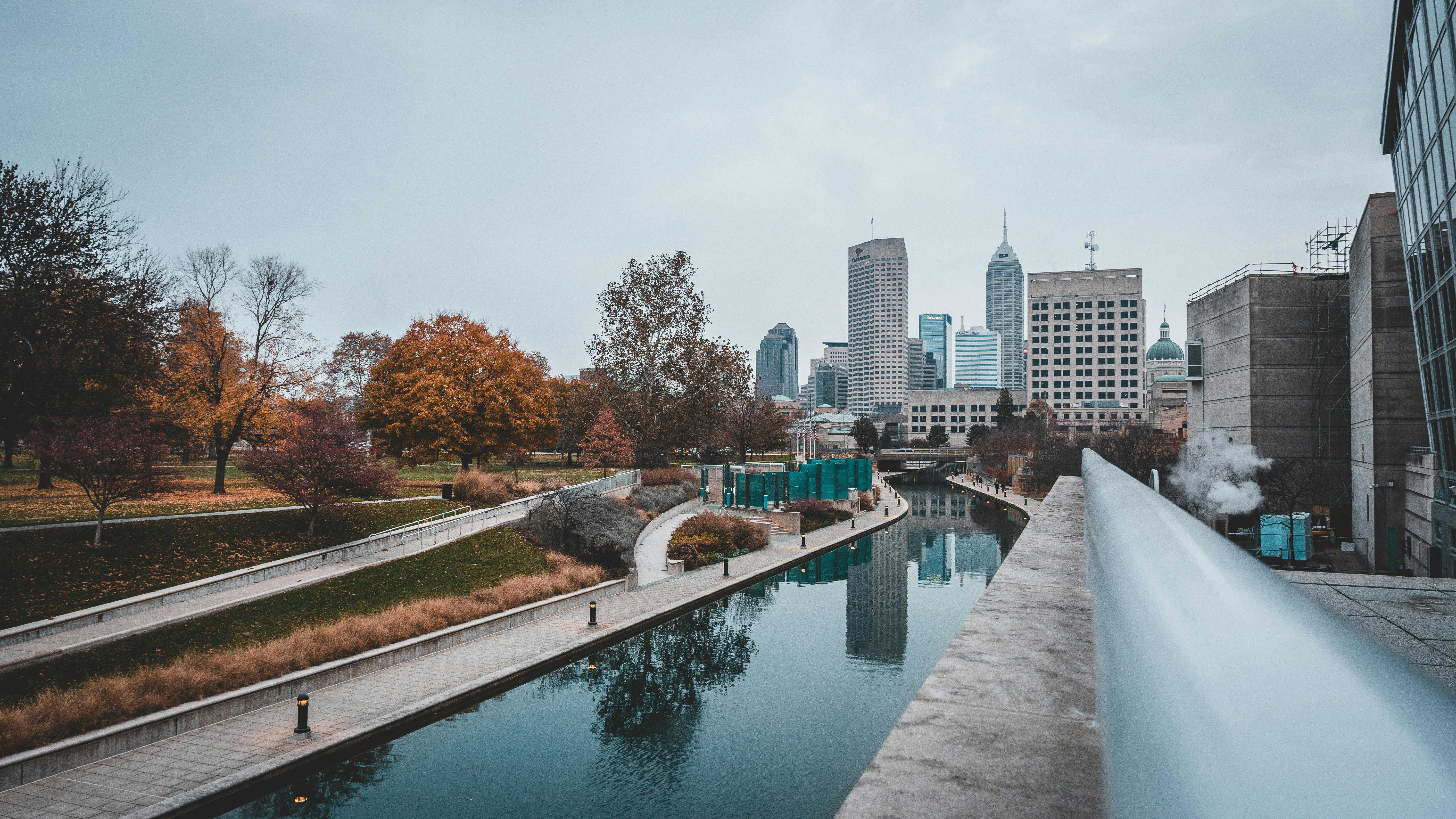
Indiana: Beyond the Crossroads, a Heartland Adventure Awaits Indiana, often called the "Crossroads of America," is much more than just a pit stop. This heartland state bursts with unexpected charm, offering a unique ble…

#Midwest#Cornfields#Basketball#Indianapolis 500#Crossroads of America
1/7

Top hotels & flights

Hand-picked stays and the best fares into Indiana.

Top Hotels in Indiana

Top Flights to Indiana

Popular activities

Tours, tickets and experiences travelers book most in Indiana.

Tours

Discover Indianapolis

Explore the vibrant capital city of Indiana, featuring renowned museums, art installations, and historic sites.

Shopping

Boutique Shopping in Carmel

Experience a variety of unique shops in Carmel, offering everything from clothing to home decor.

Outdoor

Indiana Dunes National Park Adventure

Hiking, bird watching, and nature exploration at the famed dunes along Lake Michigan.

Location videos

Real reels from travelers, plus longer watches to get the full picture.

From travelers
Watch & explore

Practical info

The essentials for planning your time in Indiana.

Currency
$ | USD | US Dollar
Population
6.7 million
Languages
English, English

Local guide

What travelers love, what to watch for, and a deeper read on Indiana.

What people love

There are several pros to traveling to Indiana, United States:

  1. Diverse Scenery: Indiana offers a diverse range of landscapes, from rolling hills and forests to picturesque lakes and rivers. Visitors can enjoy outdoor activities such as hiking, camping, fishing, and boating.

  2. Cultural Attractions: Indiana is home to several cultural attractions, including museums, art galleries, historic sites, and theaters. Visitors can explore the state's rich history and heritage through its many cultural institutions.

  3. Sports Events: Indiana is known for its sports culture, with popular teams like the Indianapolis Colts (NFL) and the Indiana Pacers (NBA). Visitors can catch a game or tour iconic sports venues like the Indianapolis Motor Speedway.

  4. Culinary Delights: Indiana boasts a vibrant food scene, with many local restaurants serving up delicious farm-to-table cuisine. Visitors can sample regional specialties like Hoosier pie, pork tenderloin sandwiches, and sugar cream pie.

  5. Friendly Locals: Hoosiers, as Indiana residents are known, are known for their friendly and welcoming demeanor. Visitors can expect warm hospitality and genuine interactions with locals during their stay.

Overall, Indiana offers a unique blend of natural beauty, cultural attractions, sports events, culinary delights, and friendly locals, making it a great destination for travelers seeking a diverse and memorable experience.

What to know

Traveling to Indiana, United States, may have some cons depending on individual preferences and circumstances. Here are some potential drawbacks of traveling to Indiana:

  1. Weather: Indiana experiences a wide range of weather conditions, with hot and humid summers and cold winters. Travelers may need to pack accordingly to be prepared for these fluctuations.

  2. Limited public transportation: Indiana is primarily a car-dependent state, and public transportation options may be limited in some areas. This can make it challenging for travelers who rely on public transport to get around.

  3. Limited tourist attractions: While Indiana offers a variety of attractions such as the Indianapolis Motor Speedway, Indiana Dunes National Park, and various museums and cultural sites, some travelers may find that the state lacks the same level of iconic tourist destinations as other states.

  4. Rural areas: Indiana is known for its rural landscapes and small towns, which may not appeal to travelers looking for a bustling urban experience. Those seeking a vibrant city atmosphere may find Indiana lacking in this regard.

  5. Limited international cuisine: While Indiana offers a variety of local and regional cuisine options, travelers who enjoy international cuisine may find the options limited compared to more cosmopolitan destinations.

  6. Limited nightlife: Indiana may not have as vibrant a nightlife scene as other states, particularly in smaller towns and rural areas. Travelers looking for a lively nightlife experience may need to seek out specific locations within larger cities like Indianapolis.

Overall, while Indiana has much to offer in terms of natural beauty, culture, and history, travelers should be aware of these potential cons when planning a trip to the state.

Indiana, located in the Midwestern United States, has a rich history that spans thousands of years, beginning with the indigenous peoples who originally inhabited the region. Here is a detailed history of Indiana, highlighting significant events, historical figures, and important landmarks:

Indigenous Peoples and Early Exploration

  • Pre-Columbian Era: Indiana was originally inhabited by various Native American tribes, including the Miami, Shawnee, and Potawatomi. The region was rich in natural resources and served as a hunting ground and settlement area for these tribes.
  • European Exploration: French explorers were among the first Europeans to explore Indiana in the late 17th century. Notably, René-Robert Cavelier, Sieur de La Salle, traveled through the area in the late 1600s.

Colonial and Revolutionary Period

  • French and Indian War (1754–1763): Indiana was part of the larger conflict between France and Britain. After the war, the Treaty of Paris (1763) transferred control of the region from France to Britain.
  • American Revolution (1775–1783): Although remote, Indiana was affected by the Revolutionary War. George Rogers Clark's campaign in 1778–1779 captured British outposts in the region, which helped establish American claims to the territory.

Statehood and Early Development

  • Northwest Territory: After the American Revolution, Indiana became part of the Northwest Territory, established by the Northwest Ordinance of 1787, which provided a framework for the settlement and eventual statehood of the region.
  • Indiana Territory: Established in 1800, the Indiana Territory included present-day Indiana, Illinois, Wisconsin, and parts of Michigan and Minnesota. William Henry Harrison served as the first territorial governor.
  • Statehood (1816): Indiana became the 19th state of the United States on December 11, 1816. Corydon was the first state capital before it moved to Indianapolis in 1825.

19th Century Growth and Conflict

  • Tecumseh and the Battle of Tippecanoe (1811): Shawnee leader Tecumseh and his brother, known as the Prophet, sought to resist white settlement. The Battle of Tippecanoe was a significant conflict between Native American forces and American troops led by William Henry Harrison, which weakened Native American resistance in the region.
  • Internal Improvements: The early 19th century saw significant infrastructure development, including the construction of roads, canals, and railroads, boosting Indiana's economy.
  • Civil War (1861–1865): Indiana was a key Union state, contributing soldiers and resources. Governor Oliver P. Morton was a staunch Union supporter and played a vital role during the war.

20th Century to Present

  • Industrialization: Indiana saw significant industrial growth in the late 19th and early 20th centuries, particularly in manufacturing and agriculture. Cities like Gary and South Bend became industrial hubs.
  • Great Depression and New Deal: Like much of the nation, Indiana was affected by the Great Depression. New Deal programs helped revitalize the state's economy.
  • Post-World War II: The state experienced economic diversification, with growth in sectors such as pharmaceuticals, education, and technology.

Significant Landmarks and Historical Figures

  • Landmarks:
    • Indianapolis Motor Speedway: Home of the Indianapolis 500, one of the most famous automobile races in the world.
    • Indiana Dunes National Park: Known for its beautiful sand dunes along the Lake Michigan shoreline.
    • George Rogers Clark National Historical Park: Commemorates the Revolutionary War campaign led by George Rogers Clark.
  • Historical Figures:
    • Benjamin Harrison: The 23rd President of the United States, born in North Bend, Ohio, but closely associated with Indiana.
    • James Whitcomb Riley: Known as the "Hoosier Poet," Riley was famous for his dialect poetry.
    • Madam C.J. Walker: An African American entrepreneur and philanthropist, considered one of the first female self-made millionaires in the U.S., she established her business in Indianapolis.

Indiana's rich history is reflected in its cultural heritage, historical sites, and ongoing contributions to the nation's development.