
Ile-de-France
State · France

Ile-de-France

Île-de-France, France

Île-de-France is the vibrant, densely populated heart of France, encompassing the iconic capital city of Paris and its surrounding departments. This…

#Paris#French culture#Historic landmarks#Fine dining#Fashion

Explore Ile-de-France

Top cities in Ile-de-France

Pick a city to open its guide.

Ready-made plans

Trip plans that include Ile-de-France

Day-by-day plans you can copy and edit.

2 plans

See it for yourself

Location videos

Reels and longer watches.

Featured for Ile-de-France

Traveller clips picked out for this place.

Watch & explore

Good to know

Practical info

Weather, costs and getting around.

Île-de-France, France Open in Google Maps
Currency
€ | EUR | Euro
Population
12.3 million
Density
1,024 / km²
Local time
Languages
French mainly
Budget / day
€100 - €450
Also known as
Paris Region, Pays de France, Region Parisienne, Isle of France

Know before you go

Local guide

A deeper read on Ile-de-France.

What people love

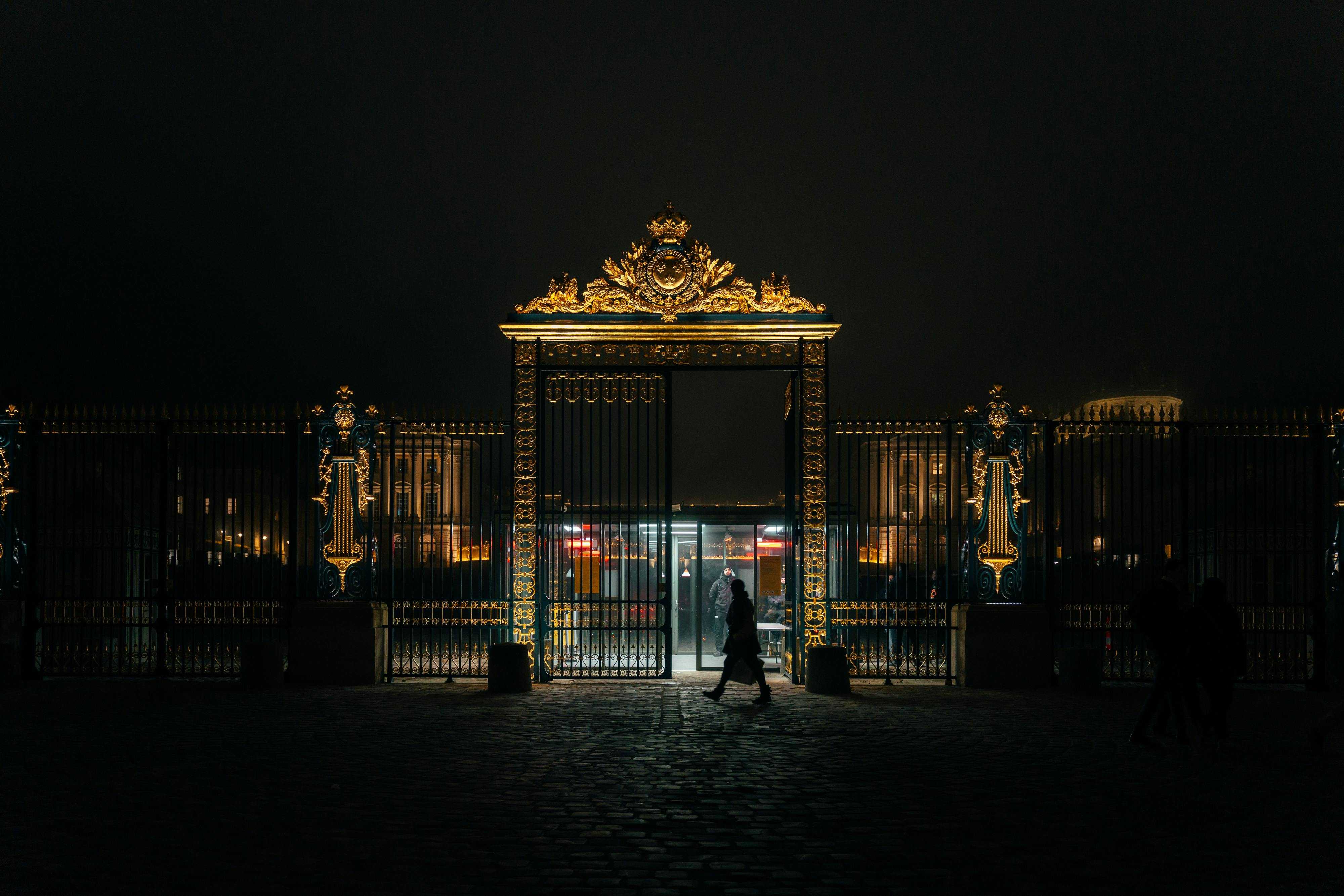
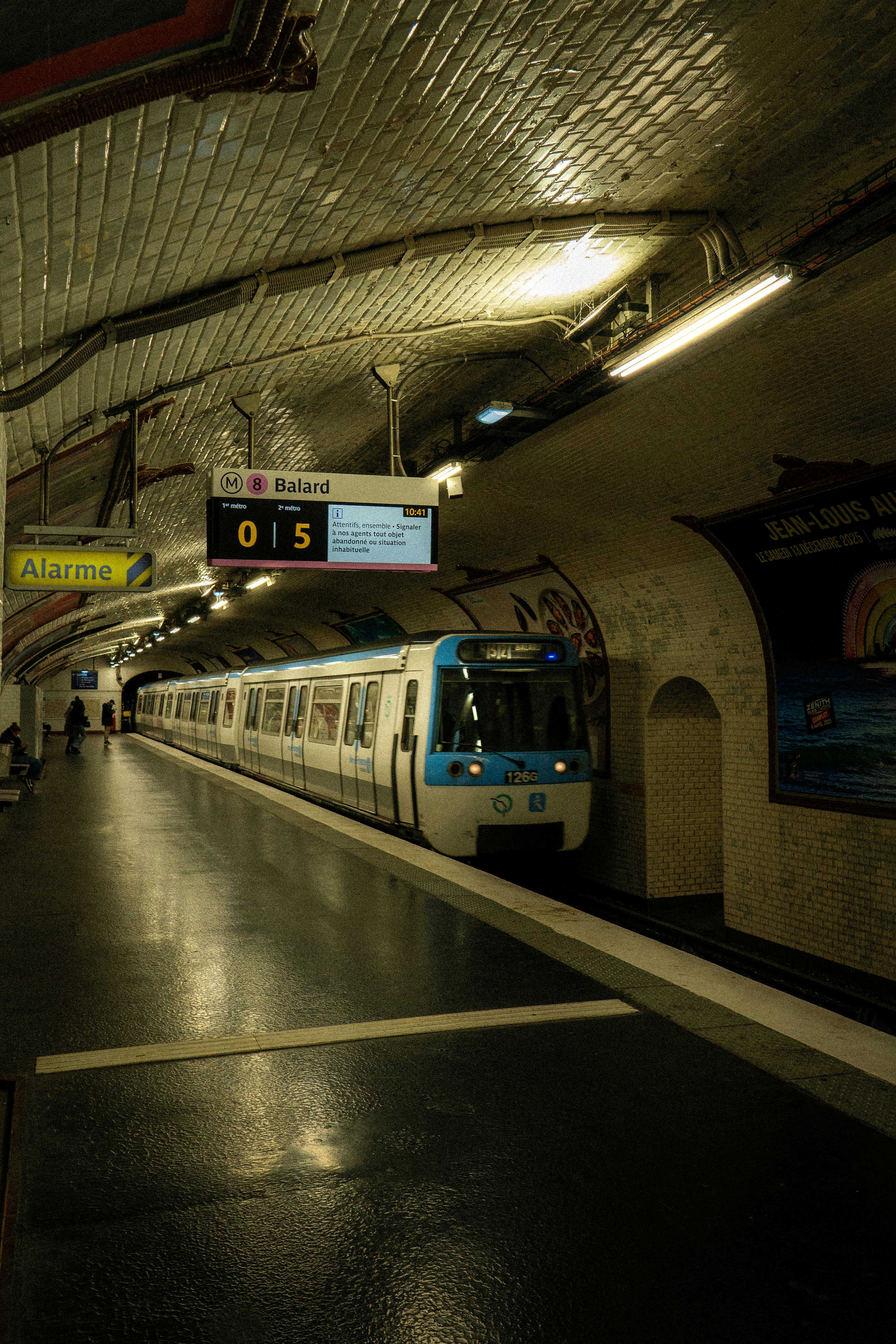
Île-de-France offers an unmatched concentration of cultural, historical, and culinary treasures. Home to Paris, the region boasts world-renowned landmarks like the Eiffel Tower, the Louvre, and Notre-Dame. Visitors can easily explore magnificent royal estates such as the Palace of Versailles and the Château de Fontainebleau. The area is a global hub for gastronomy, featuring everything from bustling street markets and cozy bistros to acclaimed Michelin-starred restaurants. An extensive and efficient public transportation network makes navigating the region and taking day trips incredibly convenient. Whether you are seeking high-end fashion, world-class art, or romantic strolls along the Seine, Île-de-France delivers a quintessential and unforgettable French experience.

What to know

Traveling to Île-de-France comes with a few notable drawbacks. The region, particularly Paris, has a notoriously high cost of living, making accommodation, dining, and attractions expensive for budget-conscious travelers. During peak tourist seasons, major landmarks become heavily crowded, resulting in long queues and packed public transport. The dense urban environment also means traffic congestion is a frequent issue. Additionally, popular tourist areas are hotspots for pickpockets and common street scams, requiring visitors to remain vigilant. Finally, while English is widely spoken in tourist zones, venturing outside central Paris or dealing with local administration can present a language barrier for non-French speakers.

Île-de-France is a region in north-central France, encompassing the city of Paris and its surrounding metropolitan area. The region has a rich history dating back to ancient times when it was inhabited by Celtic tribes. Here are some significant events, historical figures, and important landmarks associated with Île-de-France:

  1. Medieval Period (5th to 15th century): During the Middle Ages, Île-de-France became the political and cultural center of France. The region was ruled by the powerful Capetian dynasty, with Paris as its capital. Notable figures from this period include King Philip II, known as Philip Augustus, who expanded the city of Paris and constructed important landmarks such as the Louvre fortress.

  2. French Revolution (late 18th century): Île-de-France played a significant role in the French Revolution, with Paris being the epicenter of revolutionary activities. The storming of the Bastille in 1789 marked the beginning of the revolution, leading to major political and social changes in France.

  3. Napoleon Bonaparte: Napoleon Bonaparte, one of France's most famous historical figures, rose to power during the French Revolution and became Emperor of the French. He made significant contributions to the architecture and urban planning of Paris, including the construction of the Arc de Triomphe and the Vendôme Column.

  4. World War II (20th century): During World War II, Île-de-France was occupied by Nazi Germany from 1940 to 1944. The region suffered heavy bombing during the war, leading to the destruction of several landmarks and significant loss of life.

  5. Landmarks: Île-de-France is home to numerous iconic landmarks, including the Eiffel Tower, Notre-Dame Cathedral, Palace of Versailles, and the Louvre Museum. These landmarks attract millions of tourists each year and are symbols of France's rich cultural heritage.

In conclusion, Île-de-France has played a crucial role in shaping French history and culture. From its medieval roots to its modern-day status as a global cultural hub, the region continues to be a vibrant and dynamic center of art, history, and innovation.