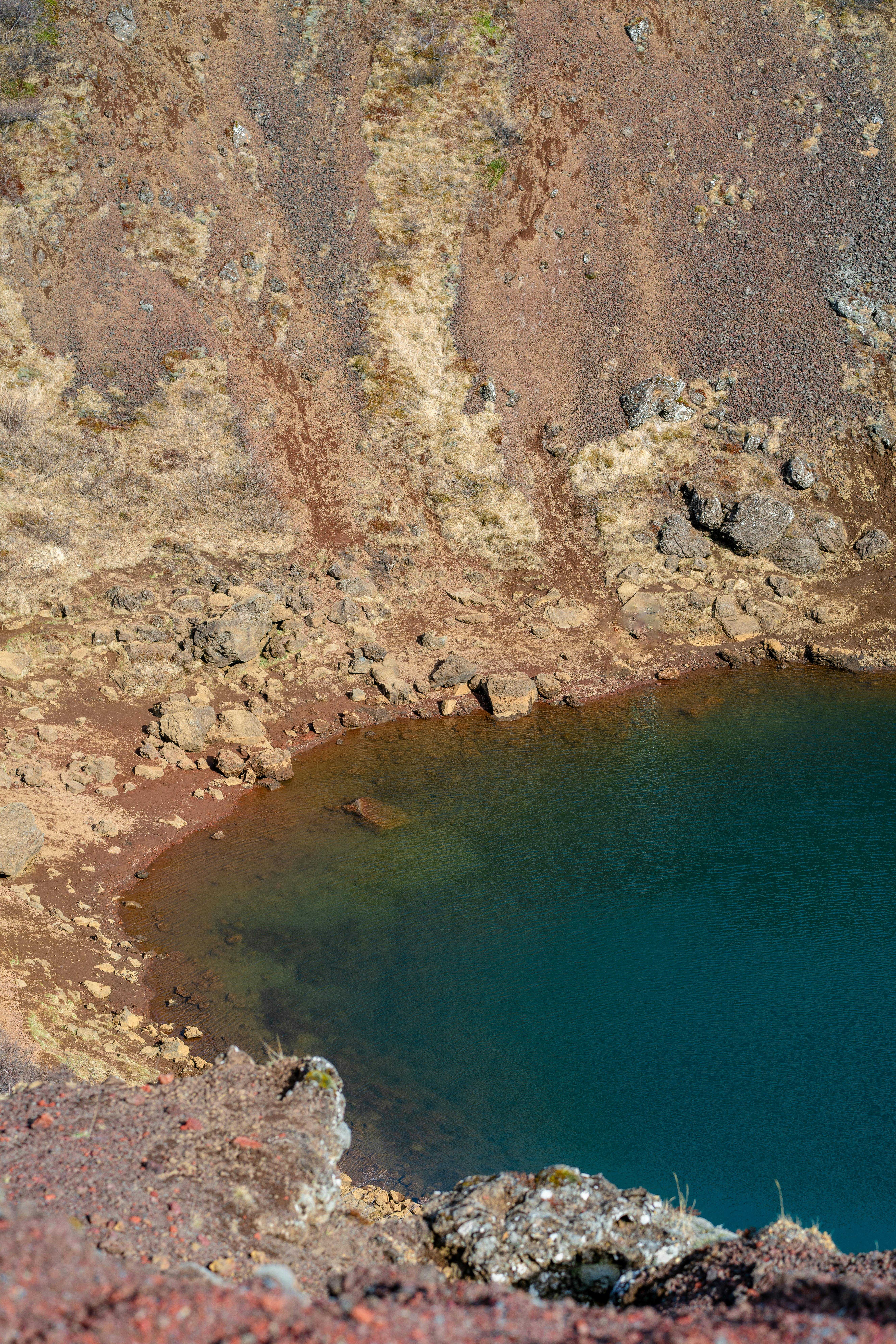
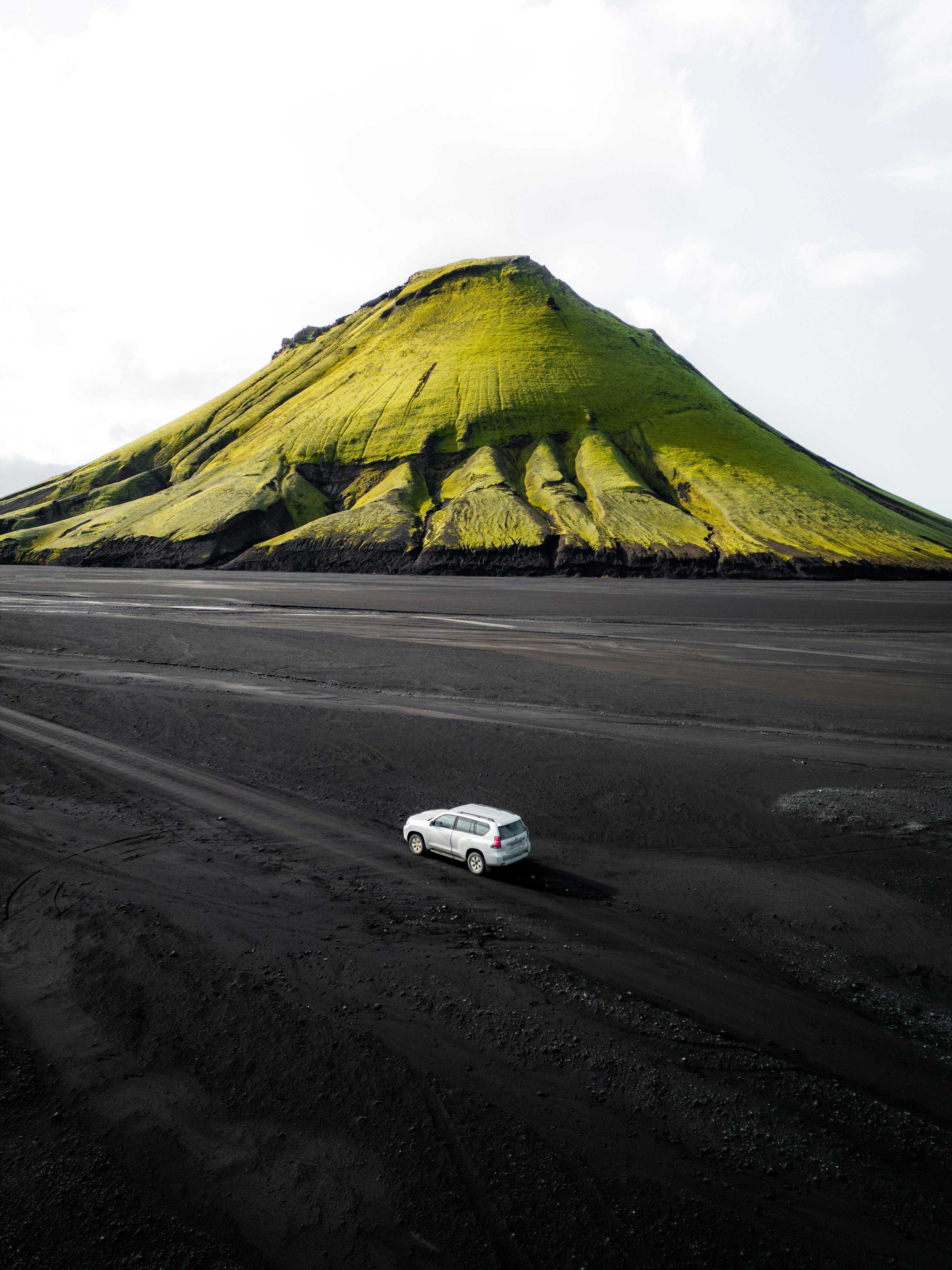
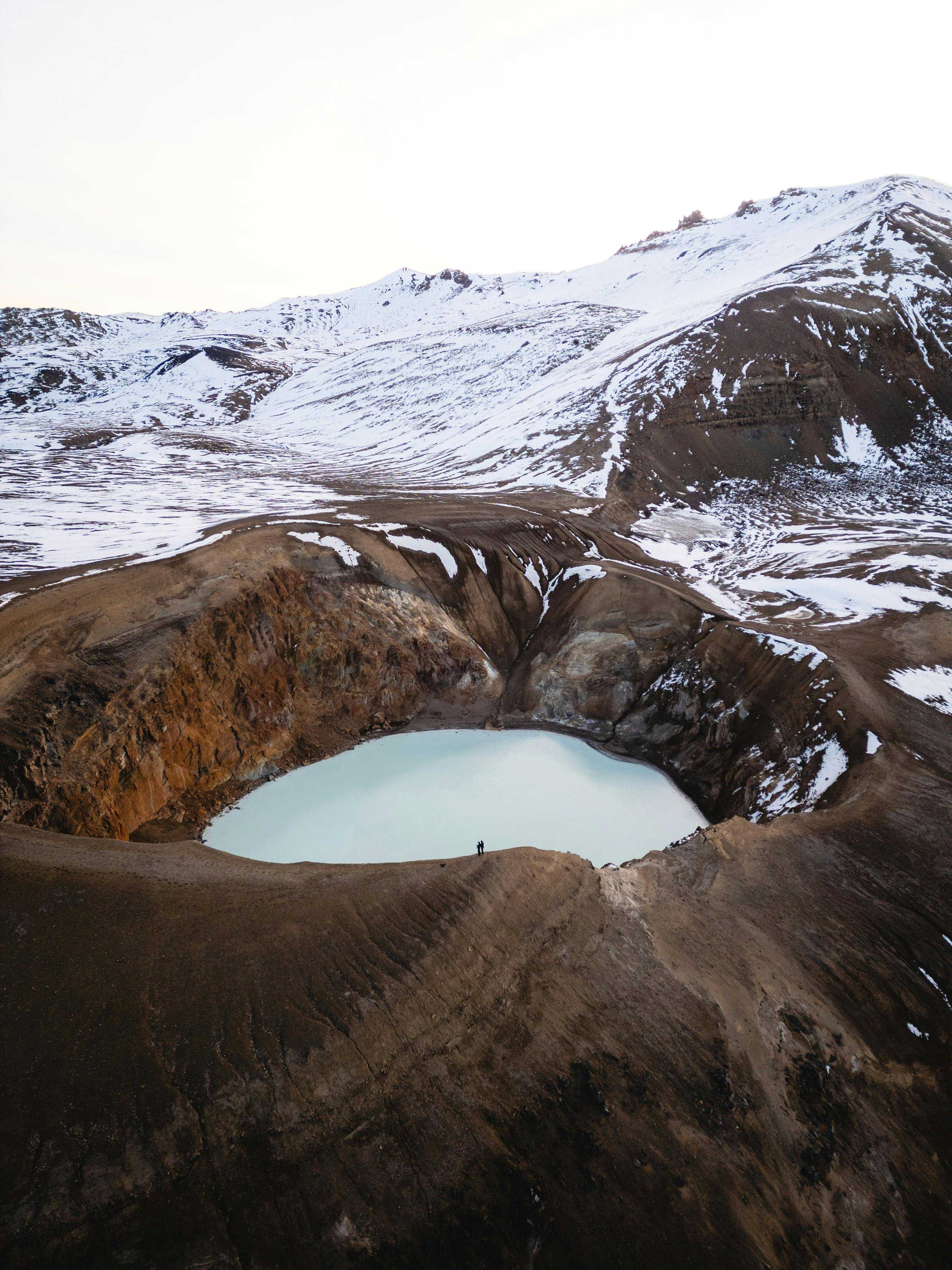

Iceland
· IS

Iceland

Iceland

Discover Iceland: Where Fire and Ice Dance in Perfect Harmony Iceland. Just the name conjures up images of otherworldly landscapes, dramatic contrasts, and raw, untamed beauty. This island nation, nestled at the edge o…

#Northern Europe#Volcanic#Geothermal#Glaciers#Midnight Sun
1/18

Top hotels & flights

Hand-picked stays and the best fares into Iceland.

Top Hotels in Reykjavik

Top Flights to Reykjavik

Popular activities

Tours, tickets and experiences travelers book most in Iceland.

Tours

Golden Circle Tour

Explore Iceland's most famous route, seeing Þingvellir National Park, Gullfoss Waterfall, and Geysir geothermal area.

Reykjavik City Tour

Discover the culture and history of Iceland's capital city, Reykjavik, with guided tours of landmarks and museums.

Shopping

Shopping in Laugavegur Street

Explore the main shopping street in Reykjavik, filled with unique Icelandic design shops, boutiques, and cafes.

Outdoor

Blue Lagoon Visit

Relax in the geothermal spa known for its mineral-rich waters and stunning surroundings.

Whale Watching

Experience the majestic marine life with a whale watching tour from Reykjavik harbor.

South Coast Adventure

Take a tour of Iceland's south coast, visiting black sand beaches, waterfalls, and glaciers.

Location videos

Real reels from travelers, plus longer watches to get the full picture.

From travelers
Watch & explore

Practical info

The essentials for planning your time in Iceland.

Currency
kr | ISK | Icelandic króna
Population
As of the most recent estimates, the total population of Iceland is approximately 376,000.
Languages
Icelandic, Icelandic
Average weather
Iceland
Jan
snow
2°-2°
Feb
snow
3°-2°
Mar
snow
3°-2°
Apr
cloud
6°0°
May
cloud
9°3°
Jun
cloud
12°7°
Jul
cloud
14°9°
Aug
cloud
13°8°
Sep
rain
10°5°
Oct
rain
7°2°
Nov
snow
4°0°
Dec
snow
2°-2°

Local guide

What travelers love, what to watch for, and a deeper read on Iceland.

What people love

Traveling to Iceland has many pros, making it a popular destination for tourists. Here are some detailed advantages of visiting Iceland:

  1. Breathtaking Landscapes: Iceland is known for its stunning natural beauty, including majestic waterfalls, geysers, glaciers, and volcanic landscapes. The country offers a diverse range of landscapes that are sure to leave visitors in awe.

  2. Northern Lights: Iceland is one of the best places in the world to see the Northern Lights, also known as the Aurora Borealis. This natural light display in the sky is a mesmerizing sight that attracts travelers from around the world.

  3. Unique Hot Springs: Iceland is home to numerous geothermal hot springs, including the famous Blue Lagoon. These natural hot springs provide a relaxing and rejuvenating experience for visitors looking to unwind and enjoy the therapeutic benefits of the mineral-rich waters.

  4. Outdoor Activities: Iceland is a paradise for outdoor enthusiasts, offering a wide range of activities such as hiking, glacier trekking, whale watching, and ice cave exploration. Whether you're a thrill-seeker or a nature lover, Iceland has something for everyone.

  5. Cultural Heritage: Iceland has a rich cultural heritage with a fascinating history, literature, and folklore. Visitors can explore traditional Icelandic cuisine, music, and art, as well as learn about the country's Viking past and unique traditions.

  6. Safety: Iceland is known for being one of the safest countries in the world, with low crime rates and a friendly local population. Travelers can feel secure exploring the country's natural wonders and urban areas without worrying about their safety.

Overall, traveling to Iceland offers a unique and unforgettable experience for visitors seeking adventure, natural beauty, and cultural enrichment.

Enjoy your trip to Iceland!

What to know

There are a few potential cons to traveling to Iceland that you may want to consider:

  1. Weather: Iceland's weather can be quite unpredictable and harsh, with strong winds, rain, and even snow possible at any time of year. This can impact your travel plans and outdoor activities.

  2. Cost: Iceland is known to be an expensive destination, with high prices for accommodation, food, and activities. Budget travelers may find it challenging to keep costs down while visiting.

  3. Crowds: In recent years, Iceland has become a very popular tourist destination, leading to crowded attractions and popular sites. To avoid the crowds, you may need to plan your itinerary carefully.

  4. Limited daylight: Depending on the time of year you visit, Iceland can have very short days in winter and very long days in summer due to its high latitude. This can affect your sightseeing and activities, especially if you are sensitive to changes in daylight.

  5. Remote locations: Some of Iceland's most beautiful and unique attractions are located in remote areas, which can make them difficult to access without a car or organized tour. Be prepared for long drives or hikes to reach these destinations.

Overall, while Iceland is a stunning and unique destination, it's important to consider these potential cons when planning your trip.

Iceland, located in the North Atlantic Ocean, is a Nordic island country known for its stunning natural landscapes, including geysers, hot springs, waterfalls, and volcanoes. Here is a detailed history of Iceland:

  1. Settlement and Viking Age (9th-10th centuries):
  • Iceland was first settled by Norsemen in the late 9th century, led by Ingólfur Arnarson, who established Reykjavik, the capital city.
  • The settlers established a parliamentary system known as the Althing in 930 AD, making it one of the world's oldest functioning parliaments.
  • The Viking Age in Iceland was marked by exploration, trade, and territorial disputes among chieftains.
  1. Christianization and Medieval Period (11th-15th centuries):
  • Iceland officially converted to Christianity in the year 1000 at the Althing, under the rule of the chieftain Þorgeir Ljósvetningagoði.
  • The 13th century saw the establishment of the Icelandic Commonwealth, a period of relative independence and prosperity.
  • In 1262, Iceland came under the control of the Norwegian crown, leading to the eventual union with Denmark in the Kalmar Union in 1397.
  1. Danish Rule and Independence Movement (16th-18th centuries):
  • Iceland's relationship with Denmark fluctuated over the centuries, with periods of economic hardship and political unrest.
  • The 18th century saw the rise of the Icelandic independence movement, with notable figures such as Jón Sigurðsson advocating for self-governance.
  1. 19th Century and Independence (19th-20th centuries):
  • In 1918, Iceland was granted limited autonomy within the Kingdom of Denmark, leading to the establishment of the Kingdom of Iceland.
  • Iceland became fully independent in 1944 following a referendum that severed ties with Denmark and established the Republic of Iceland.
  • The latter half of the 20th century saw rapid economic development, with Iceland becoming a modern welfare state and a member of NATO.
  1. Contemporary Iceland (21st century):
  • Iceland faced economic challenges during the global financial crisis of 2008, leading to significant reforms and recovery efforts.
  • The country is known for its commitment to renewable energy sources, with geothermal and hydroelectric power playing a significant role in its energy production.
  • Tourism has boomed in recent years, with visitors flocking to see Iceland's natural wonders such as the Blue Lagoon, Gullfoss waterfall, and the Northern Lights.

Notable historical figures in Icelandic history include Snorri Sturluson (medieval historian and poet), Halldór Laxness (Nobel Prize-winning author), and Vigdís Finnbogadóttir (the world's first democratically elected female president).

Key landmarks in Iceland include the Blue Lagoon geothermal spa, Þingvellir National Park (site of the historic Althing), Gullfoss waterfall, Geysir geothermal area, and Vatnajökull National Park.