

Explore Huila
Top cities in Huila
Pick a city to open its guide.
See it for yourself
Location videos
Reels and longer watches.
Traveller clips picked out for this place.
Good to know
Practical info
Weather, costs and getting around.
Know before you go
Local guide
A deeper read on Huila.
What people love
Huila, located in Colombia, is a region known for its natural beauty and cultural richness. Here are some pros of traveling to Huila:
-
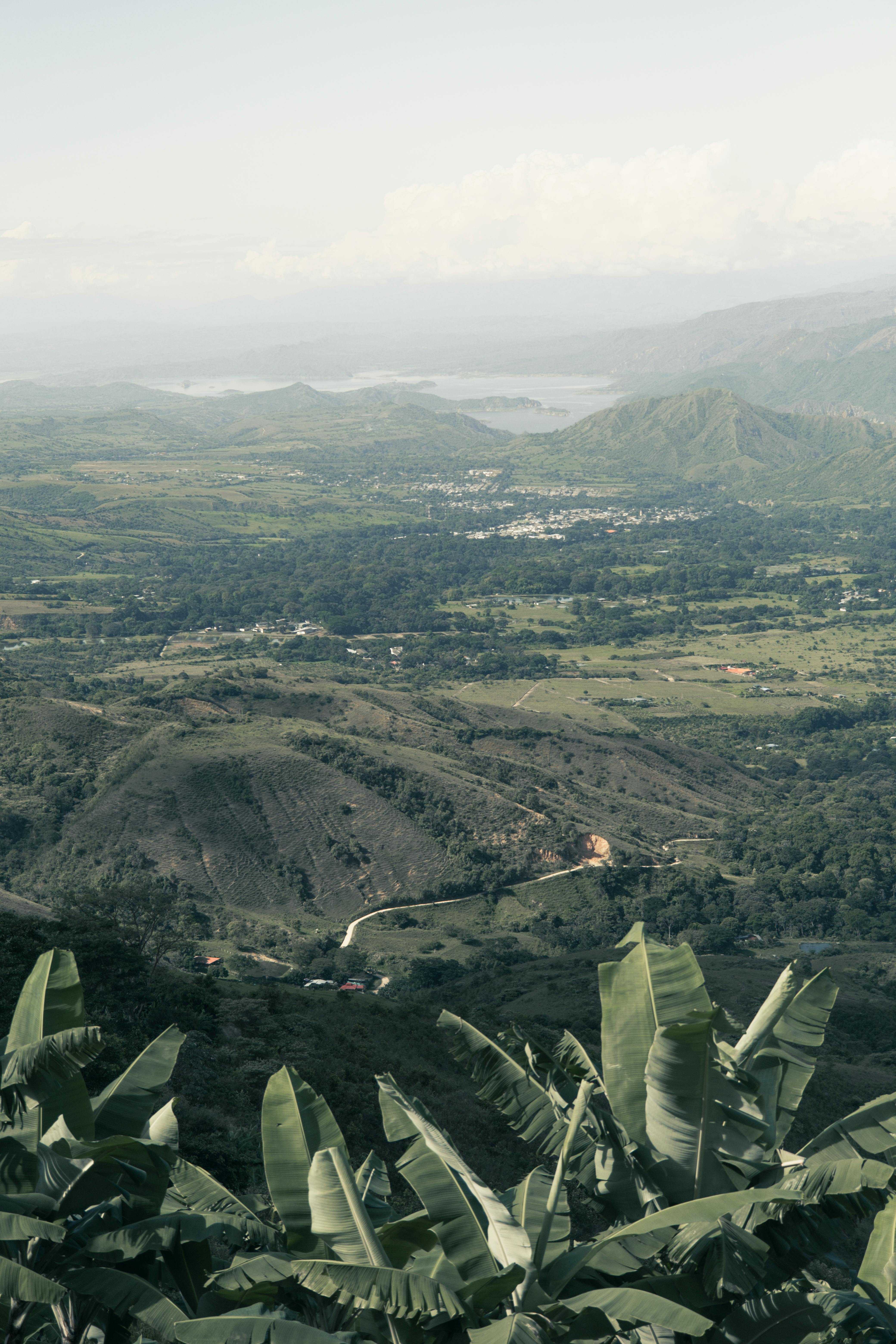
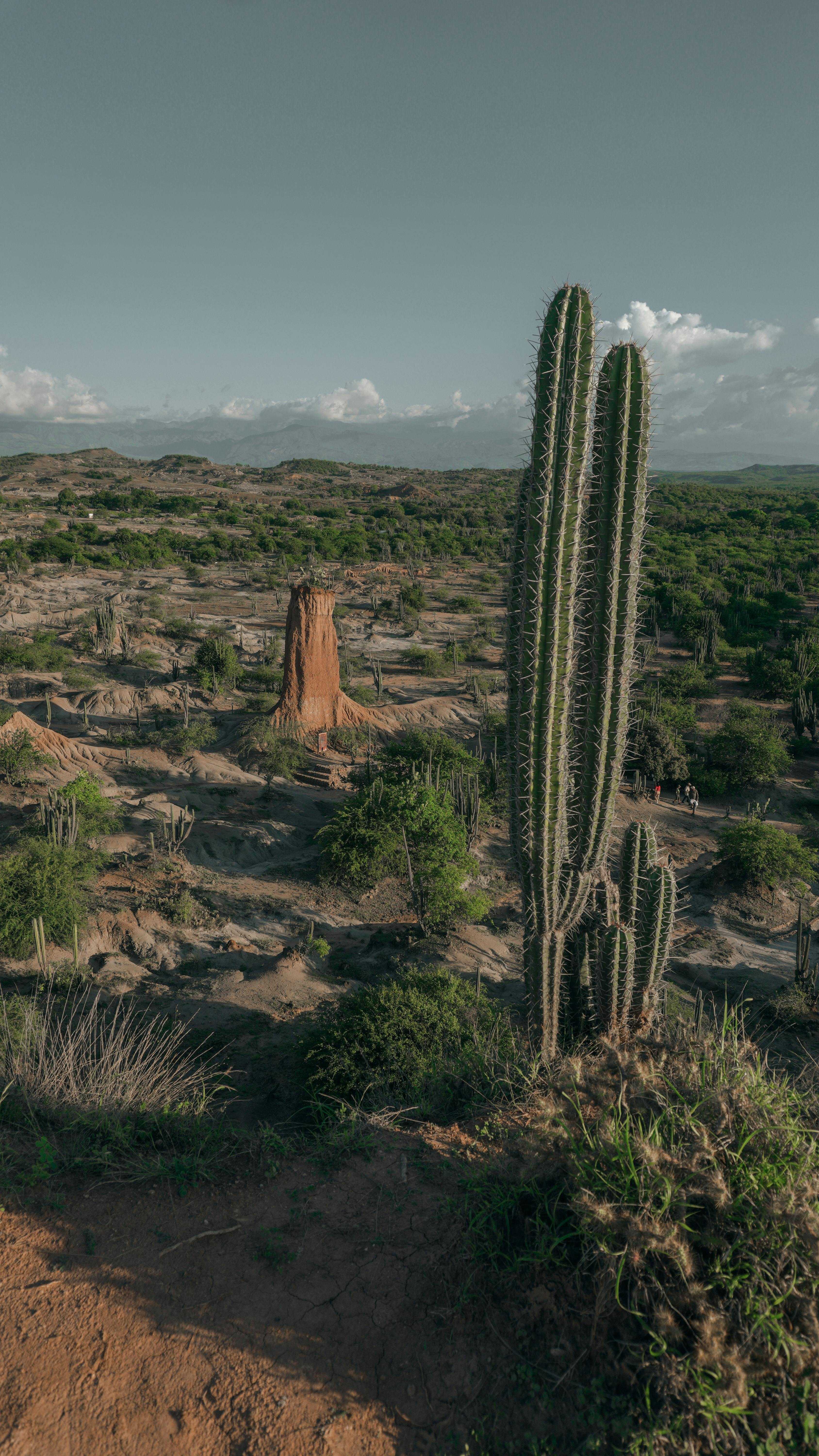
Stunning Landscapes: Huila is blessed with breathtaking landscapes, including lush coffee plantations, rugged mountains, and crystal-clear rivers. The Tatacoa Desert, a unique natural reserve, offers stunning views of its red sandstone formations and star-filled skies.
-
Coffee Culture: Huila is part of Colombia's renowned Coffee Triangle, making it an ideal destination for coffee enthusiasts. You can visit coffee farms, learn about the coffee production process, and enjoy freshly brewed coffee while surrounded by picturesque scenery.
-
Archaeological Sites: Huila is home to significant archaeological sites such as San Agustín Archaeological Park, a UNESCO World Heritage Site known for its mysterious ancient statues and tombs. Exploring these sites offers a glimpse into the region's pre-Columbian history.
-
Outdoor Activities: Huila offers a variety of outdoor activities for adventure seekers, including hiking, horseback riding, and bird watching. The region's diverse ecosystems provide ample opportunities for nature lovers to explore and appreciate the local flora and fauna.
-
Cultural Heritage: Huila boasts a rich cultural heritage, with traditional music, dance, and festivals that showcase the region's unique identity. Visitors can immerse themselves in the local culture by attending cultural events, visiting museums, and interacting with friendly locals.
Overall, traveling to Huila offers a mix of natural beauty, cultural experiences, and outdoor adventures that make it a compelling destination for those seeking an authentic Colombian experience.
Enjoy your trip to Huila!
What to know
Huila, located in Colombia, is a beautiful region known for its stunning landscapes, coffee plantations, and rich cultural heritage. However, like any destination, there are some cons to consider when traveling to Huila. Some potential drawbacks include:
-
Limited Infrastructure: Some areas in Huila may have limited infrastructure and amenities compared to more developed regions. This could affect the availability of services such as transportation, accommodations, and healthcare facilities.
-
Safety Concerns: While Huila is generally considered safe for tourists, it is always important to exercise caution and be aware of your surroundings, especially in more remote areas. It is advisable to stay informed about the current safety situation and follow any travel advisories issued by your government.
-
Language Barrier: Spanish is the official language in Colombia, and while some people in Huila may speak English, it is not as widely spoken as in more touristy areas. Having some knowledge of Spanish or using a translation app can be helpful for communication.
-
Altitude: Some parts of Huila are located at high altitudes, which can cause altitude sickness in some individuals. It is recommended to acclimate slowly and stay hydrated to minimize the effects of altitude.
-
Limited Tourist Infrastructure: While Huila has many attractions to offer, some areas may have limited tourist infrastructure in terms of accommodations, restaurants, and tourist services. This could result in a more rustic travel experience compared to more popular tourist destinations.
It's important to do thorough research and plan accordingly to ensure a safe and enjoyable trip to Huila.