Honduras
· HN

Honduras

Honduras

Dive into the Heart of the Mayan World: Discover Honduras Honduras beckons with a symphony of natural wonders, ancient mysteries, and vibrant culture, waiting to be explored. Beyond its captivating Caribbean coastline, …

#Central America#Caribbean Sea#Tegucigalpa#Mayan Ruins#Bay Islands
1/8

Top hotels & flights

Hand-picked stays and the best fares into Honduras.

Top Hotels in San Pedro Sula

Top Flights to San Pedro Sula

Popular activities

Tours, tickets and experiences travelers book most in Honduras.

Tours

Copán Ruins Exploration

Explore the ancient Mayan ruins of Copán, a UNESCO World Heritage Site known for its elaborate stone carvings and hieroglyphics.

Comayagua Cathedral Visit

Visit the historic Comayagua Cathedral, one of the oldest and most beautiful churches in Central America.

Shopping

Tegucigalpa City Shopping Tour

Enjoy a shopping tour in Tegucigalpa, exploring local markets and artisan shops.

Valle de Angeles Artisan Shopping

Shop for unique handcrafted items made by local artisans in Valle de Angeles, known for its vibrant market culture.

Outdoor

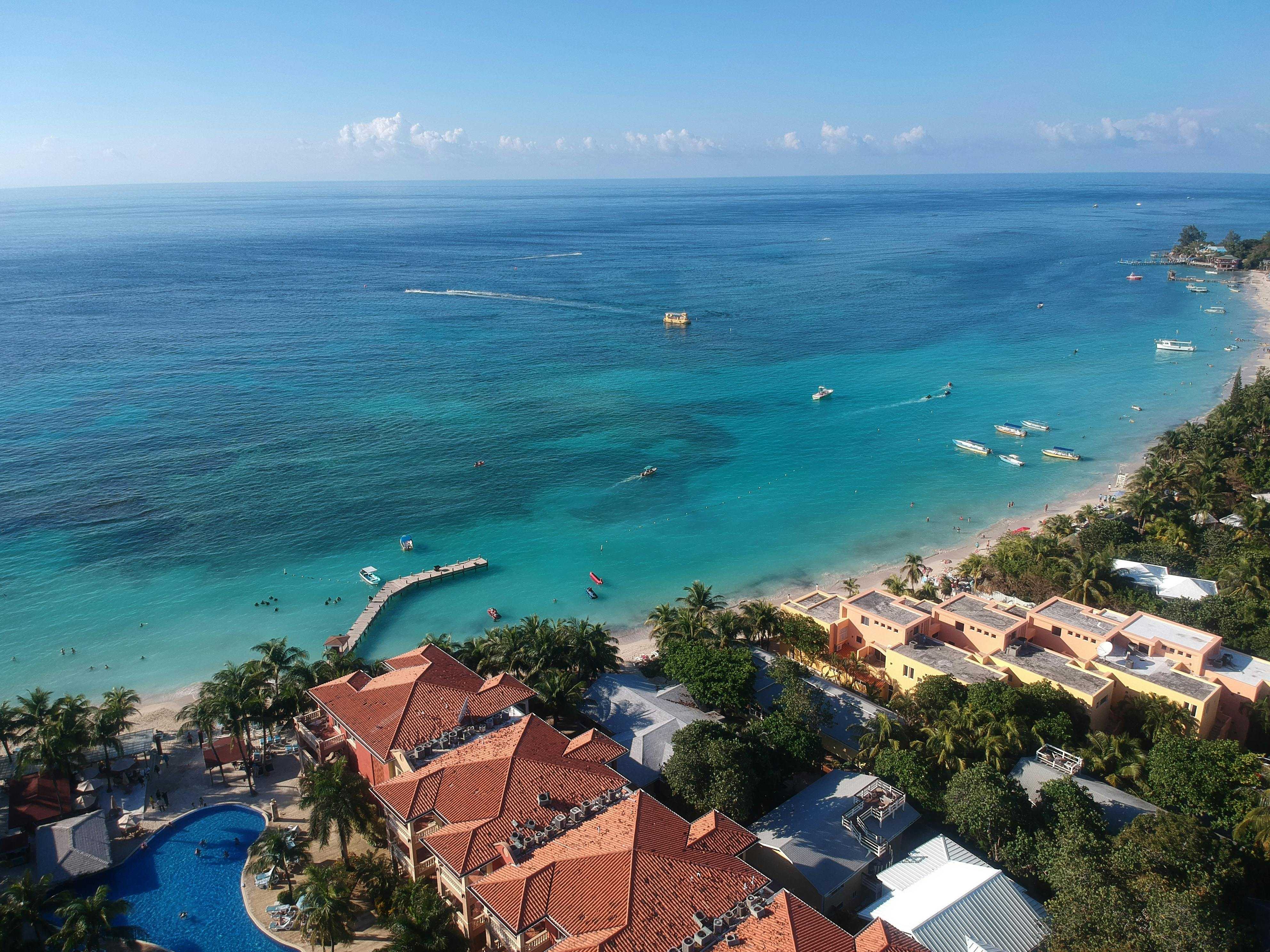
Roatan Beach Escape

Relax on the beautiful beaches of Roatan, known for crystal-clear waters and vibrant marine life.

La Tigra National Park Hiking

Hike through the lush cloud forests of La Tigra National Park, teeming with diverse flora and fauna.

Pico Bonito National Park Adventure

Embark on an adventure through Pico Bonito's diverse ecosystems, offering opportunities for hiking and bird watching.

Santa Rosa de Copán Coffee Tour

Experience the coffee culture of Honduras through guided tours at coffee plantations in Santa Rosa de Copán.

Utila Diving Expedition

Dive into the clear waters of Utila, part of the Mesoamerican Barrier Reef, the second-largest reef in the world.

Cayos Cochinos Snorkeling Adventure

A snorkeling adventure to explore the stunning marine life around the Cayos Cochinos, a group of islands and cays off the northern coast of Honduras.

Location videos

Real reels from travelers, plus longer watches to get the full picture.

From travelers
Watch & explore

Practical info

The essentials for planning your time in Honduras.

Currency
L | HNL | Honduran Lempira
Population
10.5 million
Languages
Spanish, Spanish, English, Garifuna, Miskito, Lencan
Average weather
Honduras
Jan
sun
28°18°
Feb
sun
29°18°
Mar
sun
30°19°
Apr
hot
31°21°
May
rain
31°22°
Jun
rain
30°22°
Jul
rain
30°21°
Aug
rain
30°21°
Sep
rain
30°21°
Oct
rain
29°21°
Nov
cloud
28°20°
Dec
sun
28°19°

Local guide

What travelers love, what to watch for, and a deeper read on Honduras.

What people love

Honduras is a beautiful Central American country with a diverse range of attractions that make it a great destination for travelers. Some of the pros of traveling to Honduras include:

  1. Breathtaking natural beauty: Honduras is home to stunning natural landscapes including lush rainforests, picturesque beaches, and impressive mountains. Visitors can explore national parks, wildlife reserves, and coral reefs, making it an ideal destination for nature lovers and outdoor enthusiasts.

  2. Rich cultural heritage: Honduras has a rich cultural heritage with a mix of indigenous, African, and Spanish influences. Travelers can immerse themselves in the local culture by visiting traditional villages, exploring archaeological sites such as Copan Ruinas, and experiencing colorful festivals and events.

  3. Affordable travel destination: Honduras is known for being a budget-friendly travel destination, offering affordable accommodations, dining options, and transportation. This makes it an attractive choice for budget-conscious travelers looking to explore a new destination without breaking the bank.

  4. Adventure activities: Honduras offers a wide range of adventure activities for thrill-seekers, including zip-lining through the jungle, white-water rafting, hiking, and diving in the crystal-clear waters of the Caribbean Sea. Whether you're an adrenaline junkie or just looking to try something new, Honduras has something for everyone.

  5. Warm and welcoming locals: Hondurans are known for their warm hospitality and friendly demeanor towards visitors. Travelers can expect to be welcomed with open arms and have the opportunity to connect with locals and learn about their traditions and way of life.

Overall, traveling to Honduras can be a rewarding and unforgettable experience for those seeking adventure, natural beauty, and cultural immersion.

What to know

Some potential cons of traveling to Honduras include:

  1. Safety concerns: Honduras has a high crime rate, particularly in urban areas. Travelers may face risks such as theft, robbery, and gang-related violence. It is important to exercise caution and be aware of your surroundings at all times.

  2. Health risks: Honduras has limited access to quality healthcare in many areas, and travelers may be at risk of contracting illnesses such as dengue fever, Zika virus, and malaria. It is advisable to take necessary precautions, such as getting vaccinations and using mosquito repellent.

  3. Natural disasters: Honduras is prone to natural disasters such as hurricanes, floods, and earthquakes. Travelers should stay informed about local weather conditions and follow any safety advisories issued by local authorities.

  4. Infrastructure challenges: The infrastructure in Honduras may be lacking in certain areas, leading to issues such as poor road conditions and limited access to basic services. Travelers should be prepared for potential challenges in transportation and communication.

  5. Language barrier: While Spanish is the official language of Honduras, not all locals may speak English. Travelers who do not speak Spanish may face communication difficulties, which could make it challenging to navigate and seek help when needed.

It is important for travelers to research and prepare thoroughly before visiting Honduras to mitigate these potential cons and have a safe and enjoyable trip.

Honduras, officially the Republic of Honduras, is a country in Central America with a rich and complex history. It is bordered by Guatemala to the northwest, El Salvador to the southwest, Nicaragua to the southeast, and has coastlines on the Caribbean Sea to the north and the Pacific Ocean to the south.

Pre-Columbian Era

Honduras was home to several indigenous cultures, most notably the Maya civilization. The Maya were present in western Honduras, with significant sites like Copán, which is a UNESCO World Heritage Site. Copán is renowned for its elaborate stone sculptures and hieroglyphic staircases, and it was a major center of Maya civilization between the 5th and 9th centuries AD.

Spanish Conquest and Colonial Period

Christopher Columbus was the first European to set foot on Honduran soil in 1502, during his fourth voyage to the New World. The name "Honduras" means "depths" in Spanish, reflecting the deep waters off the coast. The Spanish began their conquest in 1524, led by Hernán Cortés and other conquistadors. The indigenous populations were drastically reduced due to disease, warfare, and forced labor.

In 1537, the indigenous leader Lempira, a national hero, led a significant revolt against the Spanish. Although ultimately unsuccessful, Lempira's resistance is celebrated as a symbol of Honduran national identity.

Honduras became part of the Spanish colonial empire, under the administration of the Captaincy General of Guatemala. During this period, the economy was largely based on mining, especially silver.

Independence and 19th Century

Honduras achieved independence from Spain on September 15, 1821, as part of the Federal Republic of Central America. This federation dissolved in 1838, and Honduras became a fully independent republic.

The 19th century in Honduras was marked by political instability, characterized by frequent changes in government, civil wars, and conflicts with neighboring countries. The Liberal and Conservative parties emerged as dominant political forces, often clashing over control of the government.

20th Century

The early 20th century saw the influence of American banana companies, such as the United Fruit Company, which controlled large portions of land and played a significant role in Honduran politics. This period is often referred to as the "banana republic" era, highlighting the significant foreign influence and economic dependency on banana exports.

In the mid-20th century, Honduras experienced a series of military coups and political turmoil. The 1969 "Football War" with El Salvador, triggered by tensions over immigration and land reform, was a brief but impactful conflict.

In the 1980s, Honduras was a base for U.S.-backed Contra rebels fighting the Sandinista government in Nicaragua, further complicating its political landscape. However, the country transitioned to civilian rule in 1982 with the election of Roberto Suazo Córdova, ending decades of military dominance.

Recent History

The 21st century has been marked by efforts to combat poverty and corruption, which remain significant challenges. In 2009, a constitutional crisis led to the ousting of President Manuel Zelaya, creating political unrest and drawing international attention. In recent years, issues such as violence, drug trafficking, and migration have continued to affect the country.

Important Landmarks

  • Copán Ruins: A major Maya archaeological site featuring stelae, pyramids, and the famous hieroglyphic stairway.
  • La Tigra National Park: The first national park of Honduras, home to cloud forests and diverse wildlife.
  • Pico Bonito National Park: Known for its breathtaking landscapes, waterfalls, and biodiversity.
  • Utila and Roatán: Part of the Bay Islands, these are popular tourist destinations renowned for their coral reefs.

Honduras continues to navigate its path as a nation, balancing historical influences with modern challenges.