

Explore Hesse
Top cities in Hesse
Pick a city to open its guide.
See it for yourself
Location videos
Reels and longer watches.
Traveller clips picked out for this place.
Good to know
Practical info
Weather, costs and getting around.
Know before you go
Local guide
A deeper read on Hesse.
What people love
Hesse, located in central Germany, offers a variety of attractions and experiences that make it a popular destination for travelers. Here are some of the pros of traveling to Hesse:
-
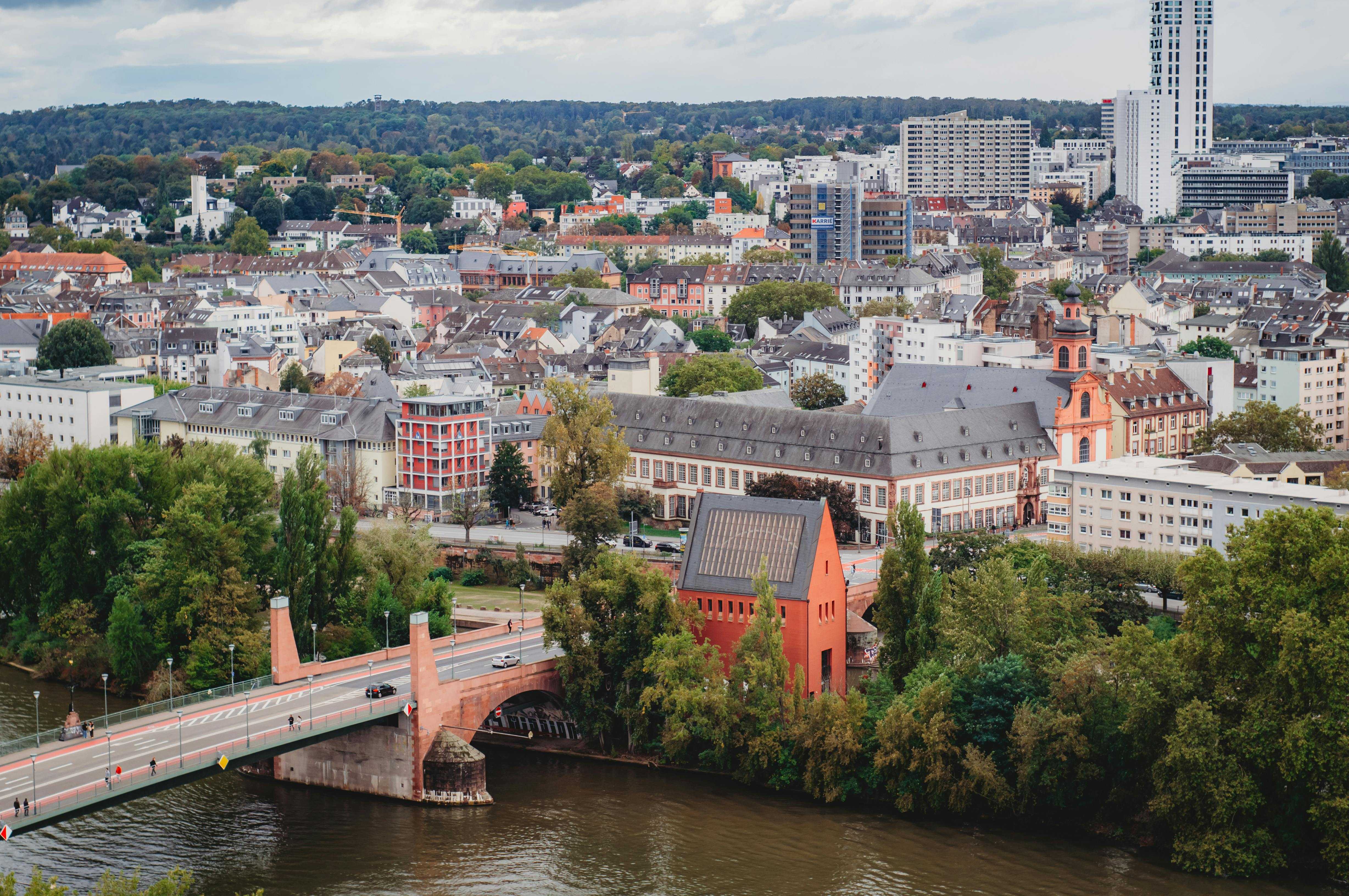
Rich history and culture: Hesse is home to historic cities such as Frankfurt, Wiesbaden, and Marburg, each offering a unique blend of architecture, museums, and cultural sites. Visitors can explore medieval castles, stunning cathedrals, and charming old towns that showcase the region's rich history.
-
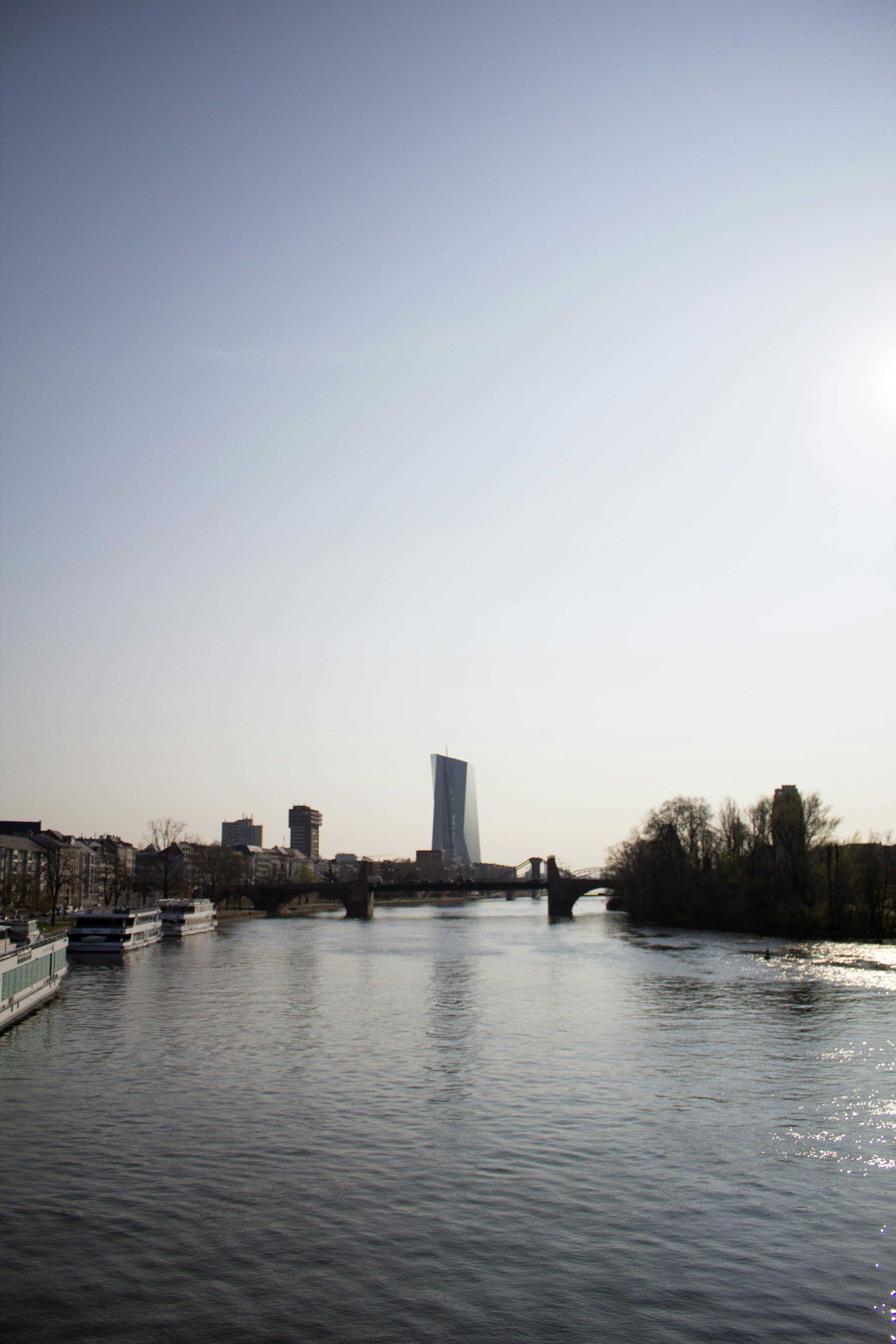
Natural beauty: Hesse boasts diverse landscapes, including the picturesque Rhine River, the rolling hills of the Taunus Mountains, and the lush vineyards of the Rheingau region. Outdoor enthusiasts can enjoy hiking, cycling, and boating in the region's scenic countryside.
-
Culinary delights: Hesse is known for its hearty regional cuisine, including dishes such as Grüne Soße (green sauce), Handkäse mit Musik (sour milk cheese with onions), and Apfelwein (apple wine). Visitors can sample these local specialties at traditional taverns and restaurants throughout the region.
-
Festivals and events: Hesse hosts a variety of cultural events and festivals throughout the year, including the Frankfurt Book Fair, the Rheingau Wine Festival, and the Wiesbaden Spring Festival. These events offer visitors a chance to immerse themselves in the region's vibrant arts and cultural scene.
Overall, traveling to Hesse provides a mix of history, culture, nature, and culinary experiences that appeal to a wide range of travelers.
What to know
Traveling to Hesse, Germany, can be a wonderful experience, but like any destination, it may have some drawbacks depending on individual preferences and circumstances. Here are some potential cons of traveling to Hesse:
-
Weather Variability: Hesse, like much of Germany, experiences variable weather. Winters can be cold and damp, while summers might bring heatwaves or rain. Travelers who prefer stable weather conditions might find this unpredictable climate challenging.
-
Language Barrier: While many people in Hesse speak English, especially in larger cities and tourist areas, rural areas might have fewer English speakers. This could be a challenge for travelers who do not speak German.
-
Cost of Living: Hesse includes cities like Frankfurt, which is a major financial hub. The cost of living, including accommodation, dining, and transportation, can be high in such urban areas. Budget travelers might find it challenging to manage expenses.
-
Urban Crowds: In cities like Frankfurt, travelers might encounter busy streets, crowded public transport, and long lines at popular attractions. Those seeking a more tranquil experience might find the hustle and bustle overwhelming.
-
Limited Nightlife in Smaller Towns: While cities like Frankfurt and Wiesbaden offer vibrant nightlife, smaller towns and rural areas in Hesse might have limited options for evening entertainment.
-
Cultural Differences: Travelers unfamiliar with German customs and social norms might experience a cultural adjustment period. This can include differences in dining etiquette, business hours, and general social interactions.
-
Transportation Strikes: Germany occasionally experiences strikes in public transportation, which can disrupt travel plans. This can affect trains, buses, and other transit services in Hesse.
-
Limited Tourist Information in Rural Areas: In less touristy parts of Hesse, there might be limited availability of tourist information centers or guides in English, which can make navigating and exploring these areas more challenging for non-German speakers.
Despite these potential cons, Hesse offers rich cultural experiences, beautiful landscapes, and historical sites that many travelers find rewarding. As always, individual experiences may vary based on personal interests and expectations.