
Hertfordshire
· GB

Hertfordshire

Hertfordshire, United Kingdom

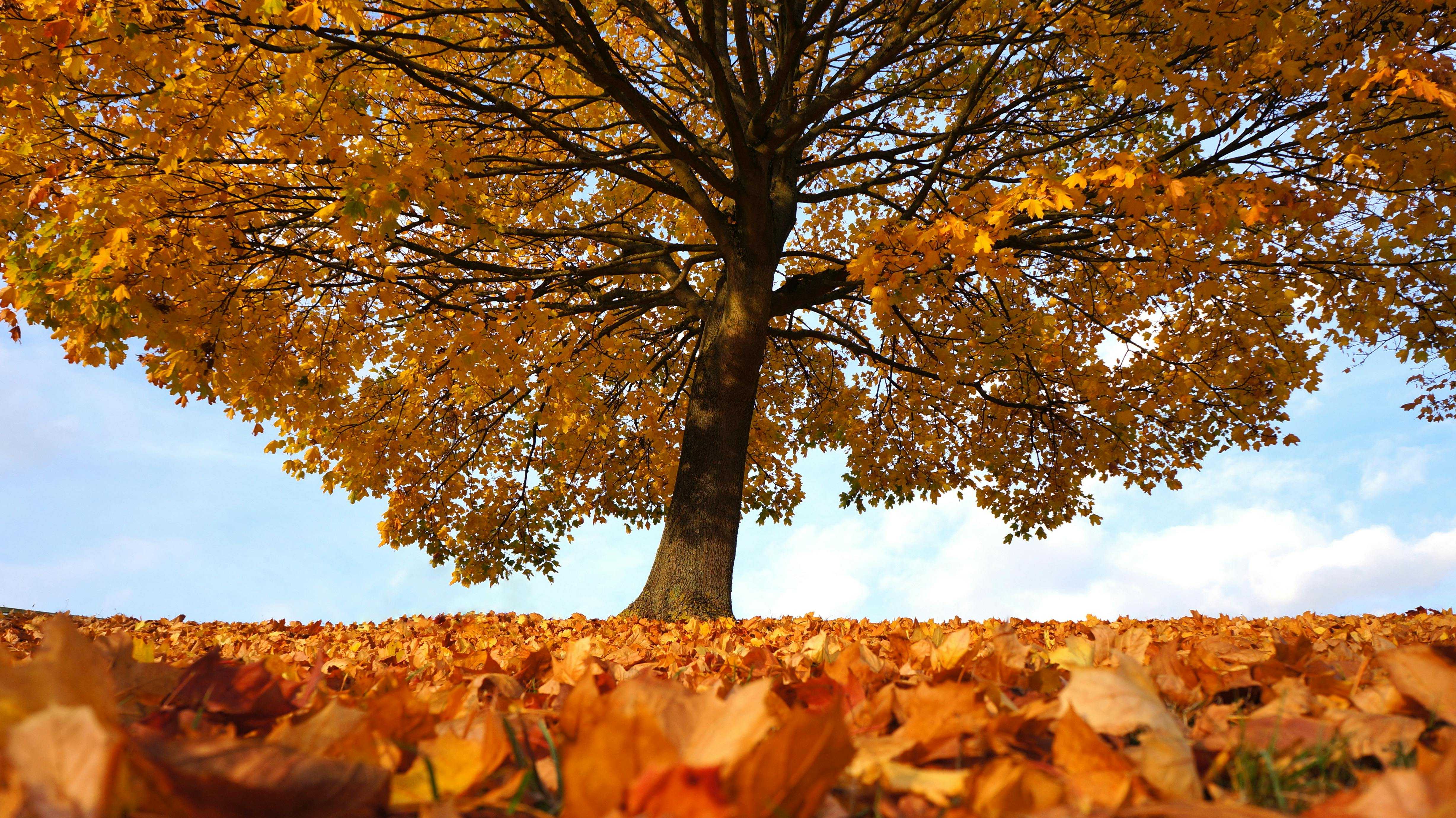
Escape to Hertfordshire: History, Charm, and Countryside Adventures Just a stone's throw from London lies Hertfordshire, a county in southeast England brimming with captivating contrasts. Here, charming historical towns …

#historic#countryside#university town#beautiful gardens#cultural attractions
1/5

Top hotels & flights

Hand-picked stays and the best fares into Hertfordshire.

Top Hotels in Hertfordshire

Top Flights to Hertfordshire

Popular activities

Tours, tickets and experiences travelers book most in Hertfordshire.

Tours

Explore St Albans Cathedral

Visit the magnificent St Albans Cathedral, a site of pilgrimage and historical significance.

Visit Knebworth House

A gothic mansion with beautiful gardens and a rich history, offering tours and events.

Explore Verulamium Park

A large public park with Roman ruins, a museum, and recreational areas in St Albans.

Warner Bros. Studio Tour London – The Making of Harry Potter

A magical experience exploring the film sets and props from the Harry Potter movies.

Shopping

Shopping at The Galleria Hatfield

A large shopping centre with a wide range of stores and dining options.

Shopping in Watford High Street

A vibrant shopping district with a mix of high street stores, cafes, and entertainment venues.

Outdoor

Hiking in Ashridge Estate

Enjoy a day of hiking through the beautiful woodlands and rolling chalk downlands of Ashridge Estate.

Tring Park Walks

Take a walk through the beautiful and historic Tring Park.

Discover Paradise Wildlife Park

An interactive zoo experience with exotic animals and family-friendly activities in Broxbourne.

Cycling at Lee Valley Regional Park

Enjoy cycling events, trails, and scenic routes in the vast Lee Valley Regional Park.

Location videos

Real reels from travelers, plus longer watches to get the full picture.

From travelers
Watch & explore

Practical info

The essentials for planning your time in Hertfordshire.

Currency
£ | GBP | Pound Sterling
Population
1.2 million
Languages
English, English

Local guide

What travelers love, what to watch for, and a deeper read on Hertfordshire.

What people love

Hertfordshire, located in the United Kingdom, offers a variety of attractions and activities for travelers to enjoy. Some of the pros of traveling to Hertfordshire include:

  1. Historic Sites: Hertfordshire is home to numerous historic sites such as Hatfield House, Knebworth House, and St Albans Cathedral, providing visitors with a glimpse into the region's rich history.

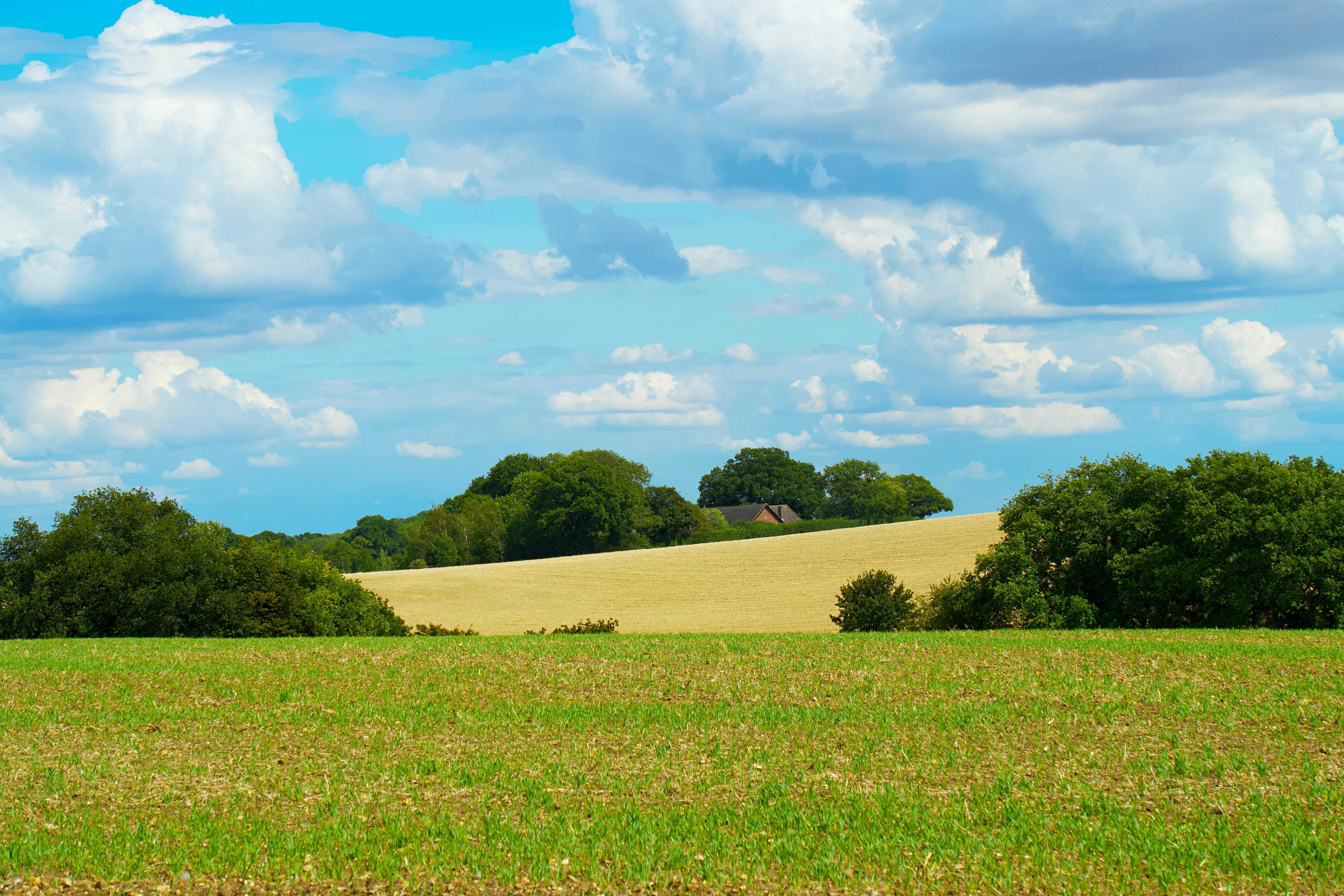
  2. Beautiful Countryside: Hertfordshire boasts picturesque countryside with rolling hills, charming villages, and scenic walking trails, making it an ideal destination for nature lovers and outdoor enthusiasts.

  3. Cultural Events: The county hosts a range of cultural events throughout the year, including music festivals, art exhibitions, and theater performances, offering visitors a chance to immerse themselves in the local arts and entertainment scene.

  4. Shopping and Dining: Hertfordshire has a vibrant shopping and dining scene, with bustling markets, boutique shops, and a variety of restaurants offering local and international cuisine to suit every taste.

  5. Accessibility: Located just north of London, Hertfordshire is easily accessible by train, making it a convenient destination for travelers looking to explore the English countryside without venturing too far from the capital.

Overall, Hertfordshire offers a mix of history, nature, culture, and convenience, making it a great destination for travelers seeking a diverse and enriching experience.

What to know

Traveling to Hertfordshire, located in the United Kingdom, may have some cons that travelers should be aware of:

  1. Weather: Hertfordshire, like much of the UK, has unpredictable weather. It can be rainy and cloudy at times, which may not be ideal for outdoor activities.

  2. Traffic: Hertfordshire can experience heavy traffic congestion, especially during peak hours. This may impact travel times and cause delays for those driving in the region.

  3. Cost of Living: Hertfordshire is known to have a relatively high cost of living compared to some other areas in the UK. This could affect travelers' budgets when it comes to accommodation, dining, and other expenses.

  4. Limited Public Transportation: While public transportation is available in Hertfordshire, it may not be as extensive or convenient as in larger cities. Travelers may find it challenging to get around without a car in some parts of the region.

  5. Tourist Crowds: Popular attractions in Hertfordshire, such as historic sites and natural landmarks, can attract large crowds, especially during peak tourist seasons. This may detract from the overall travel experience for some visitors.

  6. Language Barrier: While English is the primary language spoken in Hertfordshire, travelers who do not speak English fluently may encounter some communication challenges, particularly in more rural areas.

It's important to note that these cons may vary depending on individual preferences and travel circumstances. It's always a good idea to research thoroughly and plan ahead to mitigate any potential challenges during your trip to Hertfordshire.

Hertfordshire is a county located in the East of England, bordered by Bedfordshire, Cambridgeshire, Essex, Greater London, and Buckinghamshire. It has a rich and varied history that stretches back to ancient times.

Prehistoric and Roman Period

  • Prehistoric Era: Archaeological evidence suggests human activity in Hertfordshire dating back to the Mesolithic period. Neolithic and Bronze Age settlements have also been found.
  • Roman Britain: During the Roman occupation of Britain, Hertfordshire was traversed by several important Roman roads, including Watling Street and Ermine Street. The town of Verulamium, near modern-day St Albans, was one of the most significant Roman settlements in Britain, becoming the third-largest town in Roman Britain.

Medieval Period

  • Saxon Settlement: After the Romans, the region became part of the Anglo-Saxon kingdom of Mercia. Hertford, the county town, was founded by the Saxons in the 9th century.
  • Norman Conquest: Following the Norman Conquest of 1066, Hertfordshire became strategically important due to its proximity to London. William the Conqueror established several royal hunting lodges and castles in the area.
  • St Albans: The Abbey of St Albans was a major medieval ecclesiastical center, named after Saint Alban, the first British Christian martyr. The abbey played a significant role in the religious and political life of England.

Tudor and Stuart Period

  • Hatfield House: Built in 1611 by Robert Cecil, 1st Earl of Salisbury, Hatfield House is a prime example of Jacobean architecture and was the childhood home of Queen Elizabeth I.
  • The English Civil War: During the English Civil War in the 17th century, Hertfordshire was mainly Parliamentarian, although the county saw some skirmishes and troop movements.

Industrial Revolution and Modern Era

  • Industrialization: Hertfordshire remained largely rural until the late 19th and early 20th centuries when railways and roads improved, leading to suburban development.
  • World War II: The county played a role in the war effort, with many airfields and military facilities. Bovingdon and Hatfield were among the notable airfields.
  • Post-War Development: After World War II, Hertfordshire saw significant growth as a commuter region for London. New towns such as Stevenage and Hemel Hempstead were developed to accommodate the population growth.

Notable Historical Figures

  • Saint Alban: The first British Christian martyr, executed in Roman Britain, with the town and abbey of St Albans named in his honor.
  • Elizabeth I: The future Queen of England spent much of her childhood at Hatfield House.
  • Robert Cecil: A key advisor to Queen Elizabeth I and King James I, and the builder of Hatfield House.

Important Landmarks

  • St Albans Cathedral: Originally the Abbey Church of St Alban, it is a historic cathedral with origins dating back to Norman times.
  • Hatfield House: A renowned Jacobean house and gardens, still home to the Cecil family.
  • Knebworth House: A Tudor stately home known for its Gothic architecture and hosting major rock concerts.
  • The Roman Theatre of Verulamium: The only visible example of a Roman theatre in Britain, located in St Albans.

Hertfordshire today is a vibrant county that balances its rich historical heritage with modern development, making it an important part of England's cultural and historical landscape.