











Top hotels & flights
Hand-picked stays and the best fares into Henan.
Top Hotels in Henan
Top Flights to Henan
Location videos
Real reels from travelers, plus longer watches to get the full picture.
Practical info
The essentials for planning your time in Henan.
Local guide
What travelers love, what to watch for, and a deeper read on Henan.
What people love
Henan, located in central China, is a province steeped in history and culture, offering travelers a unique and immersive experience. Here are some pros of traveling to Henan:
-
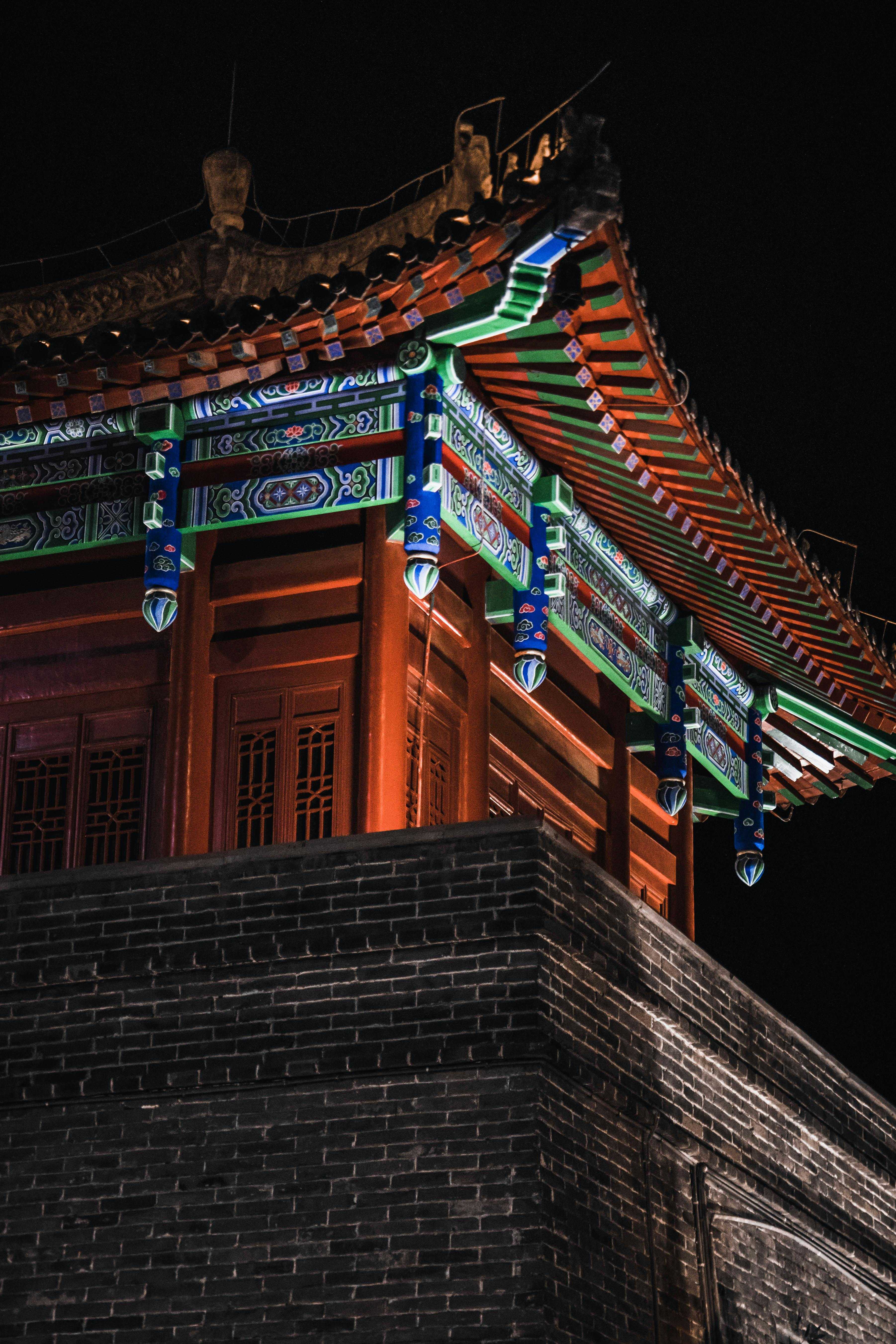
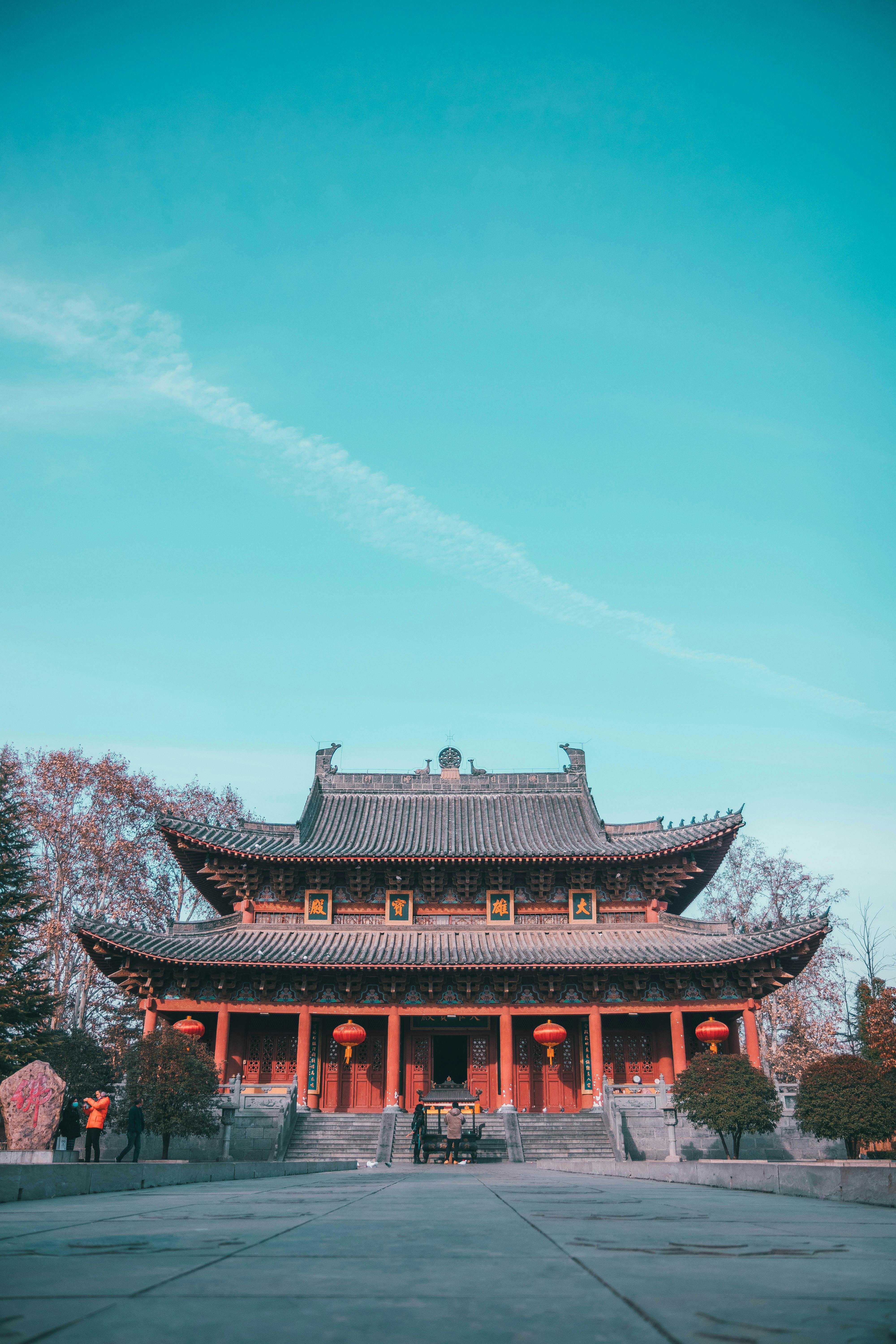
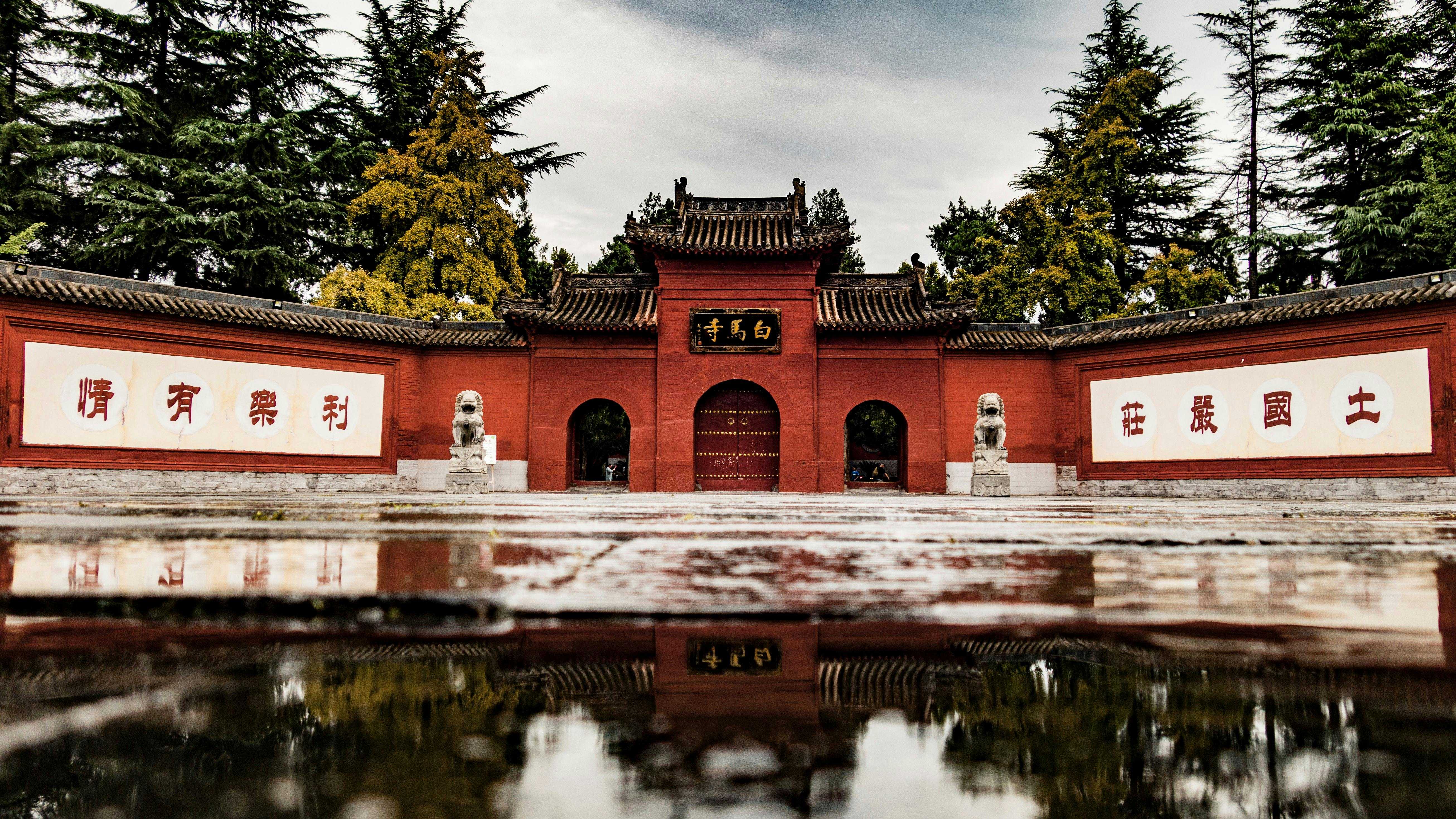
Historical Sites: Henan is home to many important historical sites, including the Longmen Grottoes, a UNESCO World Heritage Site known for its Buddhist cave art; the Shaolin Temple, the birthplace of Kung Fu; and the ancient capital of Luoyang, with its impressive White Horse Temple and renowned peony gardens.
-
Cultural Heritage: Henan is considered the cradle of Chinese civilization, with a rich cultural heritage that includes traditional art forms such as opera, calligraphy, and martial arts. Visitors can immerse themselves in the local culture by attending performances, visiting museums, and trying their hand at traditional crafts.
-
Natural Beauty: Henan also boasts stunning natural landscapes, such as the Yuntai Mountain Scenic Area, known for its picturesque waterfalls, canyons, and forests. The Yellow River, China's second-longest river, flows through Henan and offers opportunities for scenic boat rides and riverside walks.
-
Culinary Delights: Henan cuisine is known for its bold flavors and diverse dishes, including local specialties such as Luoyang water banquet, Kaifeng steamed buns, and Xinyang dried noodles. Foodies will delight in sampling the region's unique culinary offerings.
-
Authentic Experiences: Traveling to Henan provides an opportunity to experience authentic Chinese culture away from the tourist crowds. Visitors can interact with locals, participate in traditional activities, and gain a deeper understanding of everyday life in this dynamic province.
Overall, traveling to Henan offers a fascinating blend of history, culture, nature, and cuisine, making it a rewarding destination for those seeking a diverse and enriching travel experience.
What to know
Henan, located in central China, has several drawbacks for travelers to consider:
-
Pollution: Henan, like many regions in China, suffers from air pollution, particularly in urban areas. This can lead to health issues for sensitive individuals and can impact the overall enjoyment of outdoor activities.
-
Crowds: Henan is a densely populated province, and popular tourist destinations such as Shaolin Temple and Longmen Grottoes can get very crowded, especially during peak travel seasons. Navigating through crowds can be challenging and may detract from the experience.
-
Language barrier: While major tourist areas may have some English signage and staff who speak English, in general, English proficiency is limited in Henan. This can make communication and getting around more difficult for travelers who do not speak Mandarin.
-
Traffic congestion: Major cities in Henan, such as Zhengzhou and Luoyang, can experience heavy traffic congestion, especially during rush hours. This can lead to delays in transportation and frustration for travelers trying to navigate the city.
-
Scams: Like in many tourist destinations, there is a risk of falling victim to scams in Henan, especially in popular tourist areas. Travelers should be cautious of overcharging, fake goods, and other common scams targeting tourists.
Overall, while Henan has many cultural and historical attractions to offer, travelers should be prepared for some of the challenges that come with visiting this region of China.