

Top Hotels in Heinsberg
Top Flights to Heinsberg
Top Activities in Heinsberg
See it for yourself
Location videos
Reels and longer watches.
Traveller clips picked out for this place.
Good to know
Practical info
Weather, costs and getting around.
Scored from each month’s typical high and its usual conditions.
Heinsberg, Germany typically experiences a temperate maritime climate. Travelers can expect mild temperatures with moderate rainfall throughout the year. Summers (June to August) are generally warm, with average temperatures ranging from 15°C to 25°C (59°F to 77°F). Winters (December to February) can be chilly, with temperatures often between 0°C and 7°C (32°F and 45°F), occasionally dipping below freezing. Spring and autumn are mild and can be unpredictable, with a mix of sunny and rainy days. Packing layers and an umbrella is advisable for a visit.
All 12 monthshighs, lows and conditions


Know before you go
Local guide
A deeper read on Heinsberg.
What people love
Heinsberg, located in North Rhine-Westphalia, Germany, offers several advantages for travelers:
-
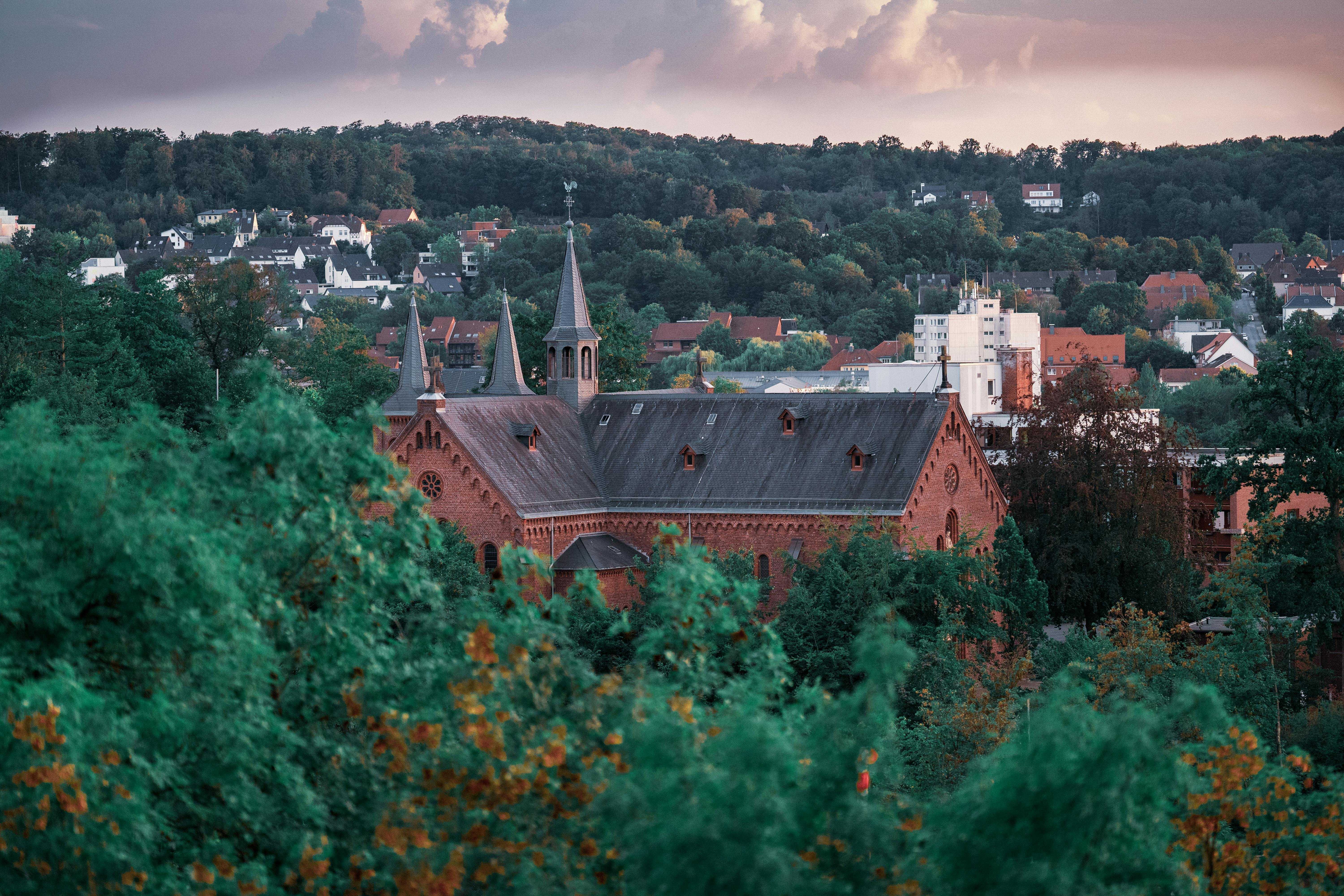
Rich history and culture: Heinsberg boasts a rich history dating back to Roman times, with several historic buildings, churches, and museums for visitors to explore. The town's charming architecture and cultural heritage offer a glimpse into its past.
-
Natural beauty: The surrounding region of Heinsberg is characterized by picturesque landscapes, including rolling hills, forests, and rivers. Outdoor enthusiasts can enjoy activities such as hiking, cycling, and exploring nature reserves like the Schwalm-Nette Nature Park.
-
Culinary delights: Heinsberg is known for its traditional German cuisine, with local restaurants offering a variety of delicious dishes and regional specialties. Visitors can sample authentic German food and beverages while immersing themselves in the local dining scene.
-
Festivals and events: Throughout the year, Heinsberg hosts various festivals and events that showcase the town's cultural heritage and community spirit. From music festivals to Christmas markets, there are plenty of opportunities for visitors to experience the local culture and traditions.
-
Convenient location: Heinsberg is well-connected to major cities in Germany and neighboring countries, making it a convenient base for exploring the wider region. With easy access to transportation options, travelers can easily visit nearby attractions and destinations.
Overall, traveling to Heinsberg offers a unique blend of history, culture, natural beauty, and culinary experiences, making it a worthwhile destination for visitors seeking an authentic German experience.
What to know
Heinsberg, located in North Rhine-Westphalia, Germany, is a charming town with a rich history and beautiful surroundings. However, like any travel destination, there are some potential cons to consider:
-
Limited tourist attractions: Heinsberg is a relatively small town, so it may not offer as many tourist attractions or activities compared to larger cities in Germany. If you are looking for a bustling city with numerous attractions, Heinsberg may not be the ideal destination for you.
-
Transportation options: While Heinsberg is well-connected by public transportation, it may not have as many transportation options compared to larger cities. This could potentially limit your ability to explore the surrounding areas easily.
-
Language barrier: While many people in Heinsberg may speak English, German is the primary language spoken in the region. If you are not fluent in German, you may encounter some language barriers during your visit.
-
Limited dining and entertainment options: As a smaller town, Heinsberg may have a more limited selection of restaurants, cafes, and entertainment options compared to larger cities. If you are looking for a lively dining and nightlife scene, you may find Heinsberg lacking in this aspect.
Overall, while Heinsberg offers a unique and authentic German experience, it may not be the best choice for travelers seeking a more cosmopolitan or bustling destination.