
Hebei
· CN

Hebei

Hebei, China

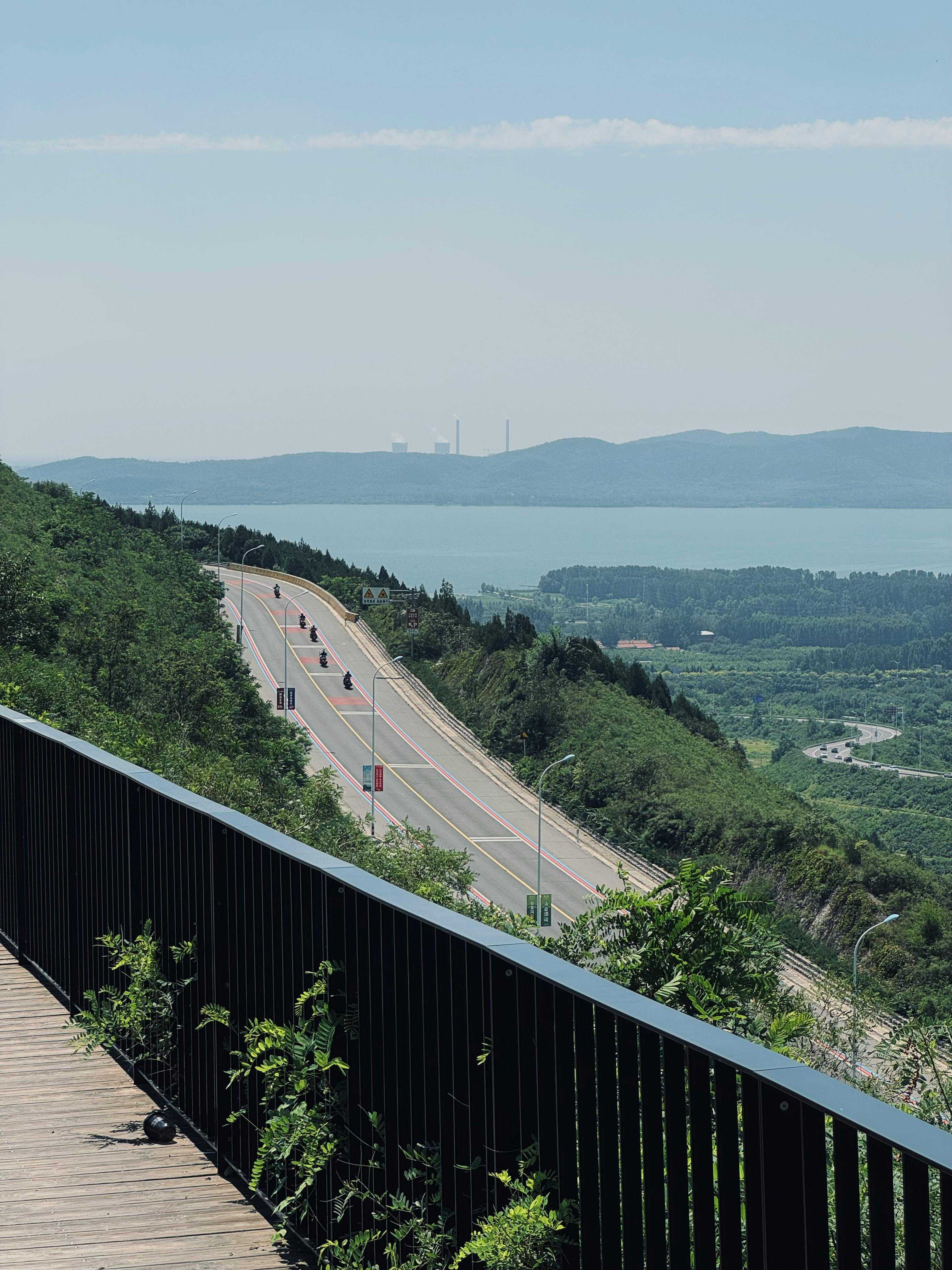
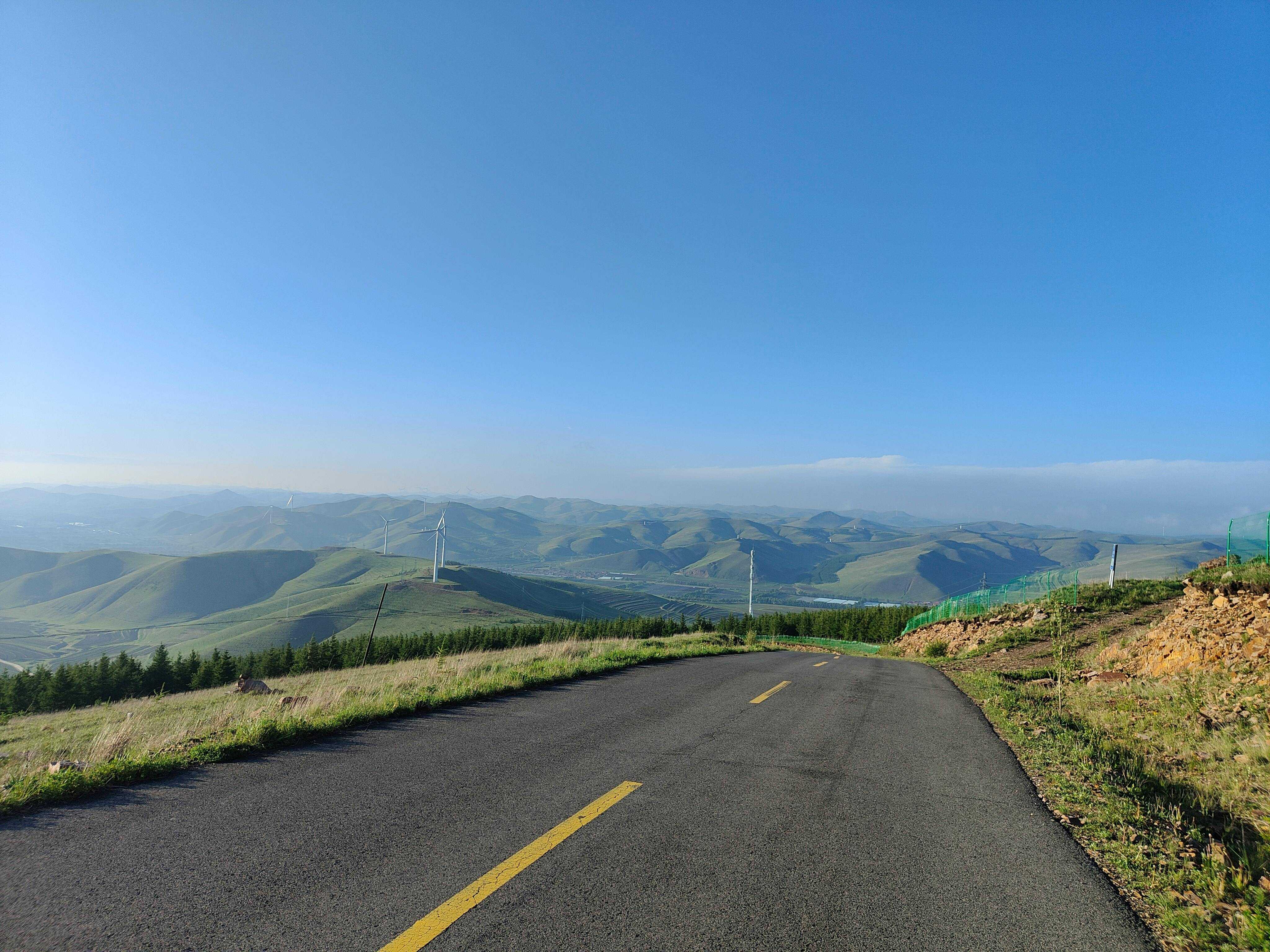
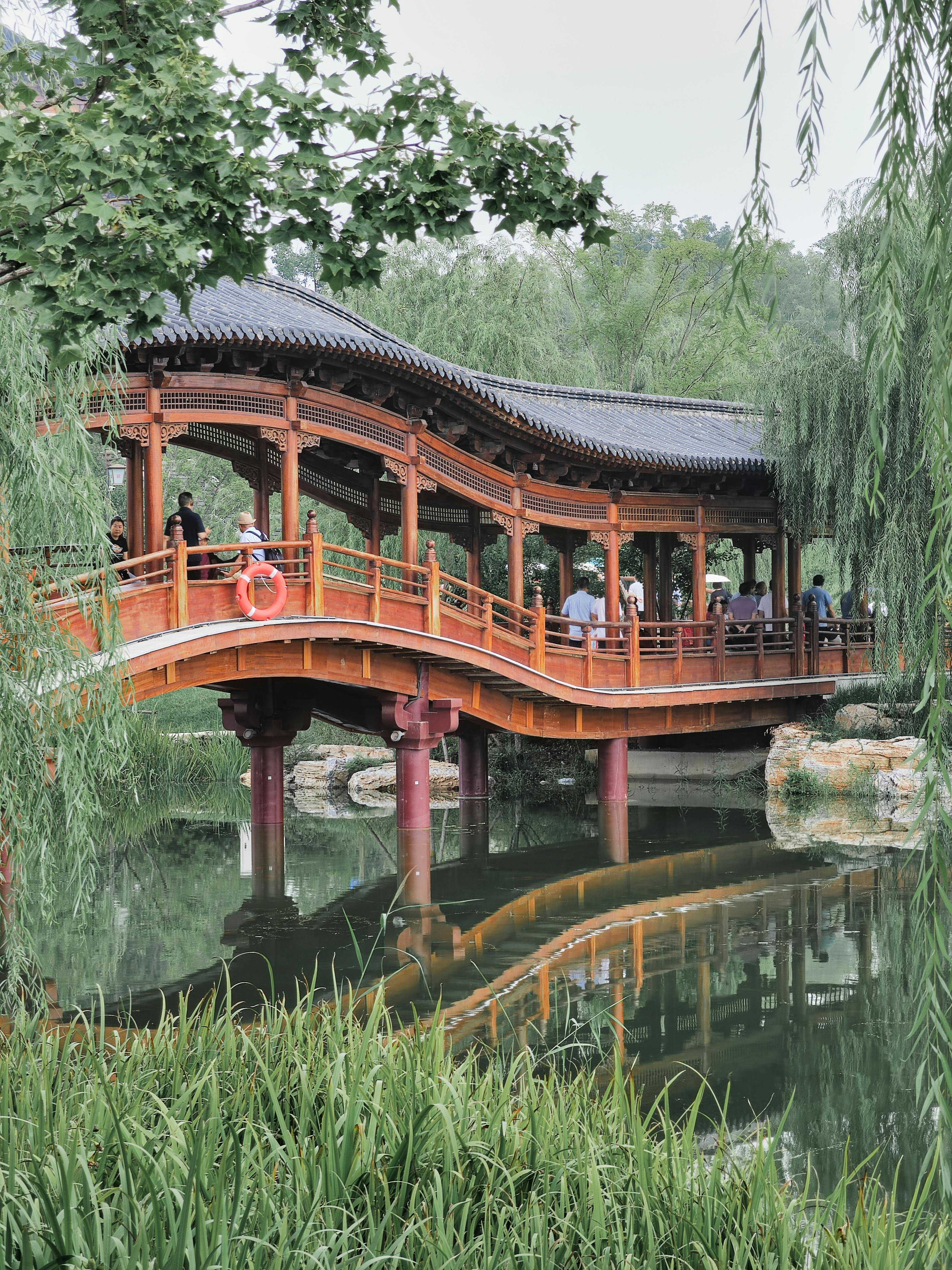
Hebei, a province in Northern China, boasts a rich history and diverse landscape. Its proximity to Beijing, the capital, has influenced its culture and development. The province is home to the majestic Taihang Mountains,…

#Northern China#Historical sites#Great Wall of China#Provincial capital#Agricultural region
1/11

Top hotels & flights

Hand-picked stays and the best fares into Hebei.

Top Hotels in Hebei

Top Flights to Hebei

Popular activities

Tours, tickets and experiences travelers book most in Hebei.

Tours

Great Wall of China at Jinshanling

Explore one of the best-preserved parts of the Great Wall of China in Hebei, offering stunning mountainous views.

Shijiazhuang Zhaozhou Bridge

Visit the oldest stone arch bridge in the world, dating back to the Sui Dynasty.

Chengde Mountain Resort

Explore the imperial resort and natural beauty of Chengde, with temples and vast gardens.

Shijiazhuang Zoo

Visit Hebei's largest zoo, featuring a wide variety of animals and family-friendly activities.

Tianjin Binhai Aircraft Carrier Theme Park

Explore a military-themed amusement park featuring an actual Kiev class aircraft carrier.

Hebei Geological Museum

Discover the history and formation of the earth at one of China's largest geological museums.

Xiong'an New Area

Visit China's future smart city project, featuring innovative urban planning and expansive public spaces.

Shopping

Langfang Wanda Plaza

A comprehensive shopping and entertainment center with international and local brands, dining, and a cinema.

Outdoor

Beidaihe Beach

Relax at the popular seaside resort town in Qinhuangdao, known for its sandy beaches and bird watching.

Wuling Mountain National Forest Park

A national park offering hiking trails, waterfalls, and breathtaking views, perfect for outdoor adventurers.

Location videos

Real reels from travelers, plus longer watches to get the full picture.

Watch & explore

Practical info

The essentials for planning your time in Hebei.

Currency
¥ | CNY | Chinese Yuan
Population
Information not available.
Languages
Mandarin, Mandarin

Local guide

What travelers love, what to watch for, and a deeper read on Hebei.

What people love

Hebei, located in northern China, offers several attractions and benefits for travelers. Some of the pros of traveling to Hebei include:

  1. Great Wall of China: Hebei is home to a section of the iconic Great Wall of China, including popular sites such as Jinshanling and Simatai. Travelers can explore the ancient fortifications, enjoy breathtaking views, and learn about the history of this UNESCO World Heritage site.

  2. Shanhaiguan Pass: Known as the "First Pass Under Heaven," Shanhaiguan Pass is a historically significant location where the Great Wall meets the Bohai Sea. Visitors can walk along the walls, visit the museum, and experience the unique architecture and culture of the area.

  3. Chengde Mountain Resort: This imperial palace complex is a UNESCO World Heritage site and offers beautiful gardens, temples, and pavilions set against a backdrop of picturesque mountains. Travelers can learn about Chinese history and architecture while enjoying the tranquil surroundings.

  4. Cangyan Mountain: A scenic area known for its natural beauty, Cangyan Mountain features ancient temples, rock formations, and hiking trails. Travelers can immerse themselves in nature, explore cultural relics, and witness stunning landscapes.

  5. Kung Fu Culture: Hebei is known for its rich martial arts heritage, including traditional Chinese Kung Fu. Visitors can watch performances, participate in workshops, and learn about the history and philosophy behind this ancient practice.

Overall, traveling to Hebei offers a mix of historical, cultural, and natural attractions, making it a worthwhile destination for those interested in exploring the diverse offerings of northern China.

What to know

Some potential cons of traveling to Hebei, China include:

  1. Pollution: Hebei is known for its heavy industrial activity, which can lead to high levels of air pollution in some areas. This may impact your health and overall travel experience.

  2. Language barrier: English is not widely spoken in Hebei, so communication may be challenging if you do not speak Mandarin or have a translator with you.

  3. Traffic congestion: Hebei's cities can experience heavy traffic congestion, especially during peak hours, which may affect your ability to get around efficiently.

  4. Limited tourist infrastructure: While Hebei has some popular tourist destinations such as the Great Wall and Chengde Mountain Resort, the region may not have as developed tourism infrastructure compared to other parts of China.

  5. Weather extremes: Hebei experiences hot summers and cold winters, so you may need to plan your trip accordingly to ensure your comfort.

Please note that these are general considerations and your experience may vary based on your specific travel plans and preferences.

Hebei, a province in northern China, has a rich and varied history that dates back thousands of years. It has been an important region throughout Chinese history due to its strategic location surrounding the capital city of Beijing and its proximity to the Bohai Sea.

Ancient History:

  • Prehistoric Times: Archaeological findings suggest that the region was inhabited as far back as the Neolithic Age.
  • Zhou Dynasty (1046–256 BCE): During this period, Hebei was part of the Yan and Zhao states, two of the major states in the Warring States period.

Imperial China:

  • Qin Dynasty (221–206 BCE): Hebei was integrated into the Qin Empire, forming part of the central administrative system.
  • Han Dynasty (206 BCE–220 CE): The region continued to develop, with several key cities becoming trade and cultural centers.
  • Three Kingdoms Period (220–280 CE): Hebei was a contested region, with various warlords vying for control.
  • Tang Dynasty (618–907 CE): Hebei became a crucial military outpost. The An Lushan Rebellion (755–763 CE), which took place partially in Hebei, was a significant event that weakened the Tang Dynasty.
  • Song Dynasty (960–1279 CE): The region continued to prosper, though it faced military challenges from the Liao and later the Jin Dynasties.

Mongol and Ming Dynasties:

  • Yuan Dynasty (1271–1368): Established by the Mongols, Hebei was part of the vast Mongol Empire.
  • Ming Dynasty (1368–1644): The Ming constructed several important defensive works in Hebei, including sections of the Great Wall.

Qing Dynasty and Modern Era:

  • Qing Dynasty (1644–1912): Hebei was a critical area for the Qing administration, providing grain and troops for Beijing.
  • Boxer Rebellion (1899–1901): The rebellion, which opposed foreign influence, had significant activity in Hebei, particularly in the city of Baoding.
  • 20th Century: Hebei experienced considerable upheaval during the Chinese Civil War and the Japanese occupation during World War II.

People’s Republic of China:

  • Post-1949: After the establishment of the People's Republic of China, Hebei underwent modernization and economic development, becoming an important industrial base.

Significant Historical Figures:

  • Zhao Kuangyin (Emperor Taizu of Song): Founder of the Song Dynasty, originally hailed from Hebei.
  • Yuan Chonghuan: A Ming Dynasty general known for his defense against the Manchu forces.

Important Landmarks:

  • The Great Wall of China: Several sections of the Great Wall run through Hebei, including the famous Shanhaiguan Pass.
  • Chengde Mountain Resort: A UNESCO World Heritage Site, this large imperial garden and palace complex was used by the Qing emperors.
  • Zhaozhou Bridge: Also known as the Anji Bridge, it is one of the oldest standing bridges in China, dating back to the Sui Dynasty.

Hebei's location and resources have made it a pivotal region throughout Chinese history, serving as a bridge between the northern and southern parts of the country. Its legacy includes contributions to Chinese culture, military history, and economic development.