

Hawaii
· US

Hawaii

Hawaii, United States

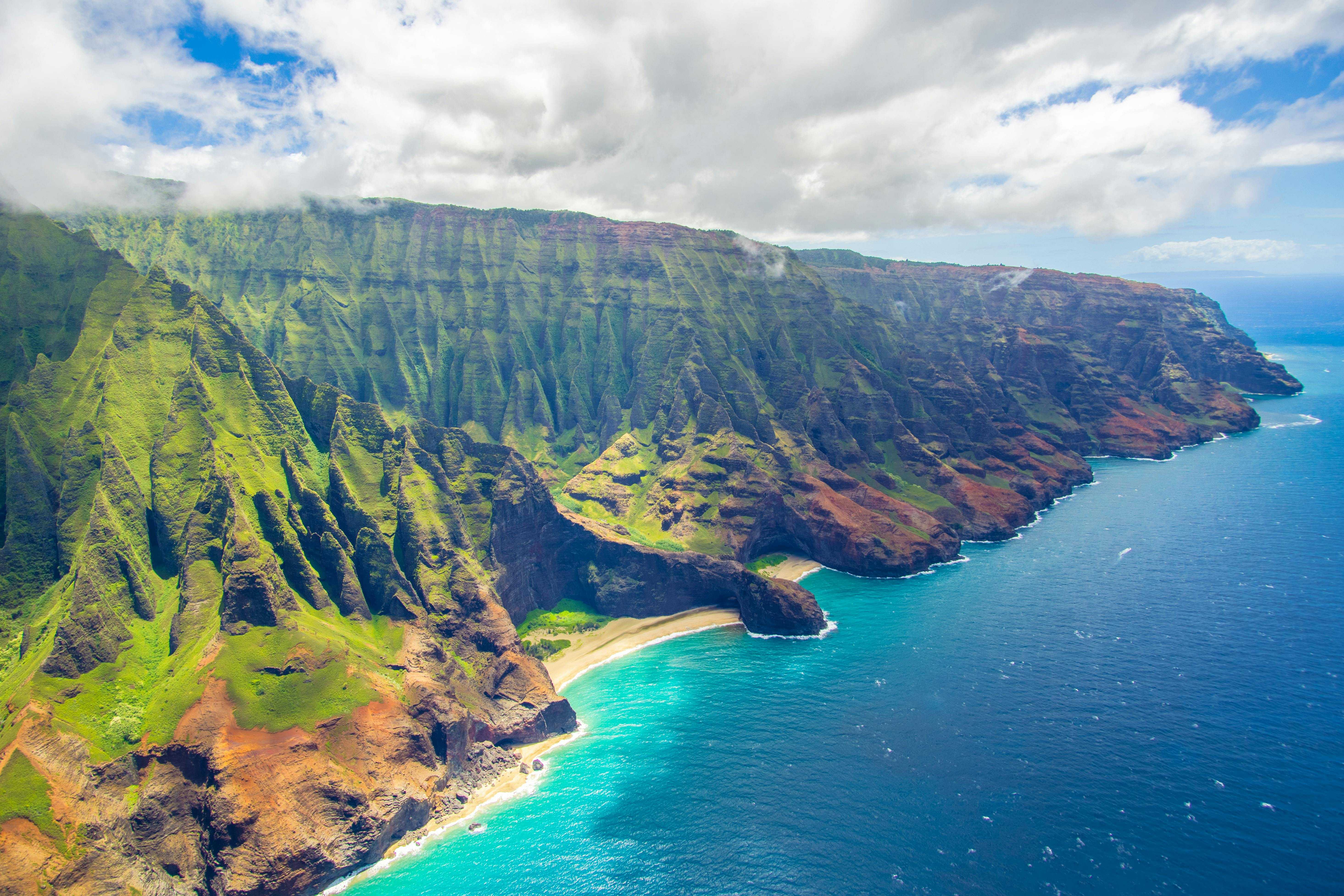
Aloha and Welcome to Hawaii: Where Paradise Meets Adventure Hawaii, a captivating archipelago in the central Pacific Ocean, beckons travelers with its unparalleled beauty, vibrant culture, and thrilling adventures. More …

#Island#Tropical#Beaches#Volcanoes#Surfing
1/4

Top hotels & flights

Hand-picked stays and the best fares into Hawaii.

Top Hotels in Hawaii

Top Flights to Hawaii

Popular activities

Tours, tickets and experiences travelers book most in Hawaii.

Tours

Visit Hawaii Volcanoes National Park

Experience the majestic volcanoes and unique landscapes of Hawaii Volcanoes National Park.

Pearl Harbor Historic Sites

Explore the historic sites of Pearl Harbor including museums and memorials.

Explore Haleakalā National Park

Witness the sunrise at the peak of Haleakalā and explore its natural beauty.

Adventure at Waimea Canyon

Explore the scenic beauty of Waimea Canyon, often referred to as the 'Grand Canyon of the Pacific'.

Shopping

Shopping at Ala Moana Center

Visit Ala Moana Center for an exquisite shopping experience in Hawaii.

Outdoor

Explore the Beaches of Maui

Discover the stunning beaches of Maui with clear waters and beautiful sand.

Hiking on the Kalalau Trail

Trek the scenic Kalalau Trail along the Napali Coast for breathtaking views.

Surfing on Waikiki Beach

Catch the perfect wave on the iconic Waikiki Beach.

Manta Ray Night Dive

Dive with majestic manta rays off the Kona Coast for an unforgettable experience.

Relax at Lanikai Beach

Enjoy a relaxing day at one of the most beautiful beaches in Hawaii with clear turquoise waters and powdery sand.

Location videos

Real reels from travelers, plus longer watches to get the full picture.

Watch & explore

Practical info

The essentials for planning your time in Hawaii.

Currency
$ | USD | US Dollar
Population
The approximate estimated total population of Hawaii, United States is 1.4 million.
Languages
English, Hawaiian

Local guide

What travelers love, what to watch for, and a deeper read on Hawaii.

What people love

Traveling to Hawaii has numerous benefits and pros, making it a popular destination for travelers around the world. Here are some detailed advantages of visiting Hawaii:

  1. Natural Beauty: Hawaii is renowned for its stunning natural landscapes, including pristine beaches with crystal-clear waters, lush tropical rainforests, majestic waterfalls, and volcanic craters. The diverse and breathtaking scenery provides ample opportunities for outdoor activities and exploration.

  2. Aloha Spirit: Hawaiians are known for their warm hospitality and the spirit of Aloha, which emphasizes kindness, harmony, and inclusiveness. Visitors to Hawaii often experience a sense of welcome and positivity that enhances their overall travel experience.

  3. Cultural Richness: Hawaii has a rich and vibrant cultural heritage that blends Native Hawaiian traditions with influences from various immigrant groups, including Japanese, Filipino, and Portuguese. Travelers can immerse themselves in the local culture through traditional ceremonies, music, dance, and cuisine.

  4. Outdoor Activities: Hawaii offers a wide range of outdoor activities for adventurers and nature lovers, including surfing, snorkeling, hiking, zip-lining, and whale watching. The islands' unique natural environment provides a playground for outdoor enthusiasts of all ages and interests.

  5. Diverse Cuisine: Hawaii's culinary scene is a fusion of flavors from different cultures, resulting in a delicious and diverse food experience. Visitors can savor fresh seafood, tropical fruits, traditional Hawaiian dishes like poke and kalua pig, as well as international cuisine influenced by the island's multicultural population.

  6. Relaxation and Wellness: Hawaii is known for its laid-back lifestyle and focus on wellness and relaxation. Travelers can unwind at luxurious resorts, indulge in spa treatments, practice yoga on the beach, or simply enjoy the tranquil surroundings to rejuvenate their mind, body, and spirit.

  7. Unique Wildlife: Hawaii is home to a variety of unique wildlife species, both on land and in the ocean. Visitors have the opportunity to see endangered species like Hawaiian monk seals and green sea turtles, as well as colorful tropical fish, dolphins, and humpback whales during certain times of the year.

Overall, traveling to Hawaii offers a perfect blend of natural beauty, cultural richness, outdoor adventures, culinary delights, and relaxation, making it an ideal destination for a memorable and fulfilling vacation.

What to know

Some potential cons of traveling to Hawaii may include:

  1. Cost: Hawaii is known for being a more expensive travel destination compared to other locations. The cost of flights, accommodations, dining, and activities can add up quickly.

  2. Crowds: Hawaii is a popular tourist destination, especially during peak seasons. This can lead to crowded beaches, attractions, and restaurants, impacting the overall experience.

  3. Weather: While Hawaii generally has pleasant weather year-round, it is also prone to occasional rain showers and tropical storms, which may affect outdoor activities and beach days.

  4. Remote location: Hawaii is located in the middle of the Pacific Ocean, which means longer flight times and potentially higher transportation costs to get there. Additionally, being far from the mainland United States may result in limited access to certain goods and services.

  5. Environmental concerns: As a delicate ecosystem, Hawaii faces environmental challenges such as coral bleaching, invasive species, and overdevelopment. Responsible tourism practices are important to help preserve the natural beauty of the islands.

  6. Time difference: Hawaii Standard Time (HST) is several hours behind many other parts of the United States, which can lead to jet lag and adjustment issues for some travelers.

It's important to note that these cons may vary depending on individual preferences and travel priorities.

Hawaii, an archipelago located in the central Pacific Ocean, has a rich and diverse history that spans centuries. Here is a detailed account of its historical development, significant events, historical figures, and important landmarks:

Ancient Hawaii

  • Settlement and Polynesian Migration: The first settlers in Hawaii were Polynesians who arrived around 300-600 AD. These voyagers traveled in canoes from other Polynesian islands, bringing with them plants, animals, and a complex society with a deep understanding of navigation and the ocean.

  • Society and Culture: Ancient Hawaiian society was organized into a caste system with chiefs (ali'i) at the top. The culture was rich with traditions such as hula, surfing, and the Hawaiian language. The land was divided into ahupua'a, which were self-sustaining units that ran from the mountains to the sea.

Kingdom of Hawaii

  • Unification by Kamehameha I: In the late 18th century, Kamehameha I, also known as Kamehameha the Great, became a prominent figure. By 1810, he had unified the Hawaiian Islands under one rule, establishing the Kingdom of Hawaii.

  • Western Contact and Influence: British explorer Captain James Cook was the first European to arrive in Hawaii in 1778. His arrival marked the beginning of increased Western influence in the islands, including the introduction of new goods, diseases, and ideas.

  • Missionaries and Whaling: In the early 19th century, American missionaries arrived, bringing Christianity and Western education. Whaling ships also frequented Hawaiian ports, contributing to economic changes.

Overthrow and Annexation

  • The Overthrow of the Monarchy: Queen Lili'uokalani, the last reigning monarch of Hawaii, ascended the throne in 1891. In 1893, a group of American and European business interests, with the support of the U.S. Minister to Hawaii, orchestrated a coup, leading to the overthrow of the Hawaiian monarchy.

  • Annexation by the United States: Despite opposition from native Hawaiians, Hawaii was annexed by the United States in 1898, becoming a U.S. territory. This was facilitated in part by strategic interests during the Spanish-American War.

Statehood and Modern Era

  • World War II and Pearl Harbor: On December 7, 1941, Japan attacked Pearl Harbor, a significant naval base on Oahu, bringing the United States into World War II. This event is a pivotal moment in both Hawaiian and American history.

  • Statehood: Hawaii became the 50th state of the United States on August 21, 1959, following a statehood referendum.

Important Landmarks

  • Iolani Palace: Located in Honolulu, Iolani Palace is the only royal palace on U.S. soil and was the residence of the Hawaiian monarchy.

  • Pearl Harbor: The site of the 1941 attack, Pearl Harbor is now a National Historic Landmark, with memorials such as the USS Arizona Memorial.

  • Volcanoes National Park: This park on the Big Island is home to two of the world's most active volcanoes, Mauna Loa and Kilauea, and showcases Hawaii's unique geological features.

  • Waikiki Beach: A world-famous beach located on the island of Oahu, known for its beautiful shoreline and vibrant history.

Cultural Legacy

Hawaii's cultural legacy is rich with traditions such as hula, ukulele music, and luaus. The preservation of the Hawaiian language and customs continues to be an important aspect of island life.

The history of Hawaii is a tapestry of native resilience, strategic importance, and cultural fusion, making it a unique and fascinating part of the United States.