
Hauts-de-France
· FR

Hauts-de-France

Hauts-de-France, France

Hauts-de-France: Where History Meets Charm in Northern France Nestled in the north of France, bordering Belgium, Hauts-de-France is a region brimming with captivating contrasts. Here, dramatic history intertwines with ch…

#Northern France#French region#Historical sites#Countryside#Charming villages
1/13

Top hotels & flights

Hand-picked stays and the best fares into Hauts-de-France.

Top Hotels in Hauts-de-France

Top Flights to Hauts-de-France

Location videos

Real reels from travelers, plus longer watches to get the full picture.

From travelers

Practical info

The essentials for planning your time in Hauts-de-France.

Currency
€ | EUR | Euro
Population
6.0 million
Languages
French, French, Picard

Local guide

What travelers love, what to watch for, and a deeper read on Hauts-de-France.

What people love

Hauts-de-France, located in northern France, offers a variety of attractions and experiences for travelers. Some of the pros of traveling to Hauts-de-France include:

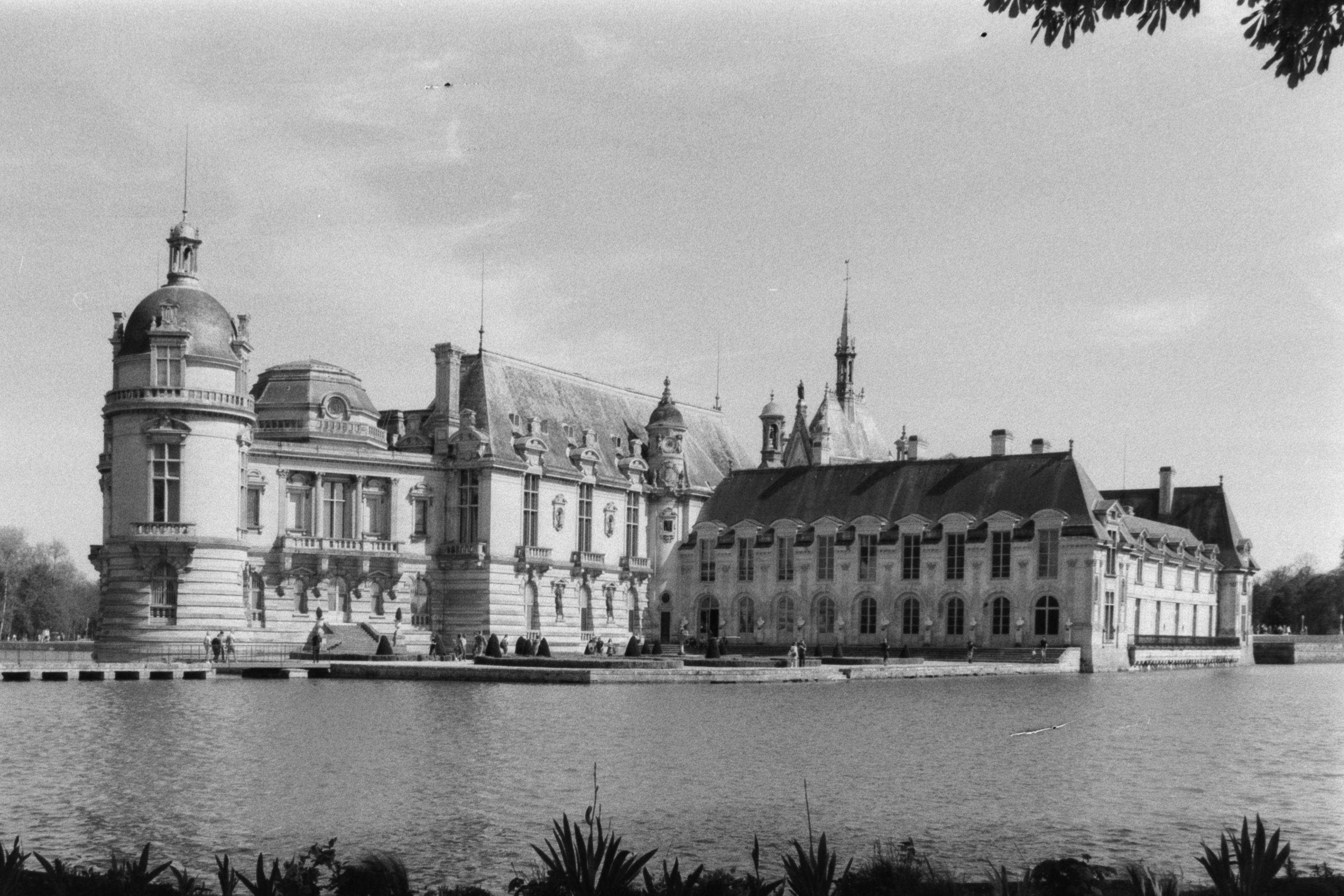
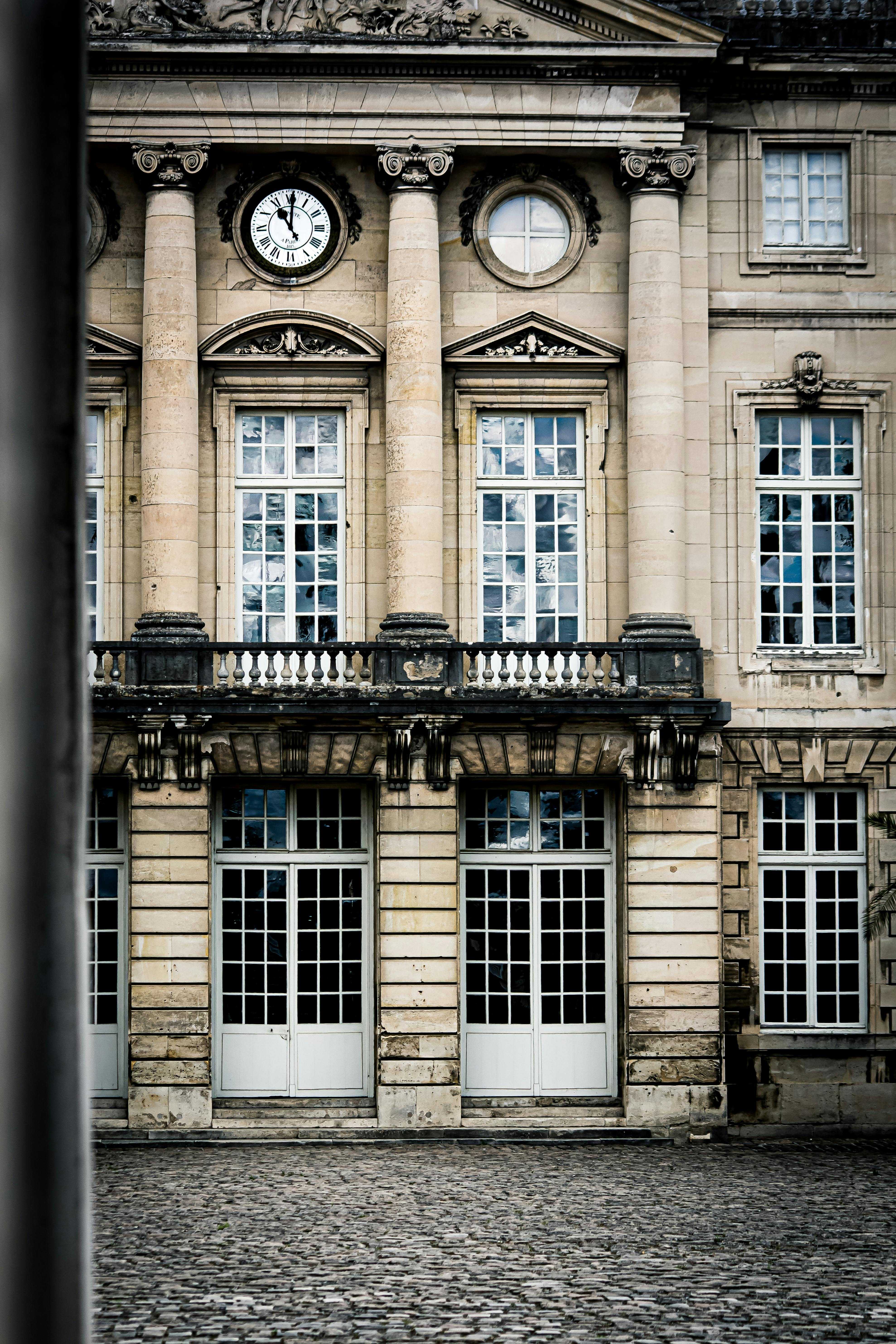
  1. Rich history and culture: Hauts-de-France is home to many historical sites such as the medieval city of Lille, the Gothic cathedral of Amiens, and the battlefields of World War I. Visitors can immerse themselves in the region's diverse cultural heritage through museums, art galleries, and traditional events.

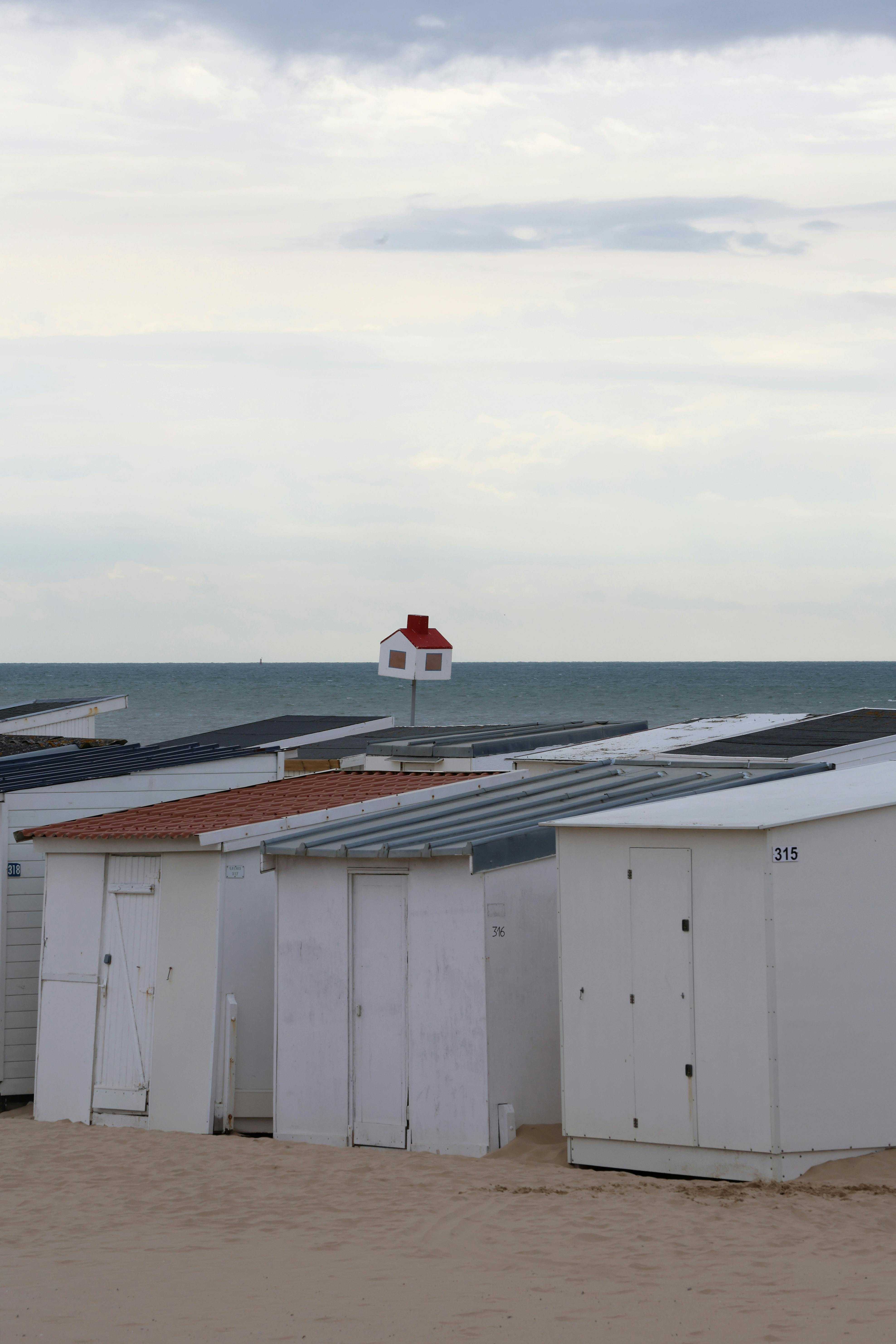
  2. Scenic landscapes: The region boasts picturesque countryside, including rolling hills, forests, and coastal areas along the English Channel. Outdoor enthusiasts can enjoy activities such as hiking, cycling, and bird-watching in the region's natural parks and reserves.

  3. Culinary delights: Hauts-de-France is known for its delicious cuisine, including specialties like Maroilles cheese, carbonnade flamande (beef stew), and moules-frites (mussels with fries). Visitors can sample these local dishes at charming restaurants and markets throughout the region.

  4. Easy access: Hauts-de-France is well-connected by train, making it easy to travel to and explore the area. The region is also close to major cities such as Paris, Brussels, and London, making it a convenient stop for travelers looking to experience different parts of Europe.

Overall, traveling to Hauts-de-France offers a blend of history, culture, natural beauty, and culinary delights that appeal to a wide range of interests.

What to know

Some potential cons of traveling to Hauts-de-France include:

  1. Weather: The region can experience cold and wet weather, especially during the winter months. This may not be ideal for travelers seeking warmer climates.

  2. Language Barrier: While French is the official language in France, some areas in Hauts-de-France may have dialects or accents that could pose a challenge for non-French speakers.

  3. Limited Tourist Infrastructure: Compared to more touristy regions in France, Hauts-de-France may have fewer tourist facilities and services available, making it slightly more challenging for travelers to navigate and explore the area.

  4. Industrial Areas: Some parts of Hauts-de-France are known for their industrial activities, which may not appeal to travelers looking for more natural or scenic destinations.

  5. Limited International Connectivity: Hauts-de-France may have fewer direct international flights or transportation options compared to larger cities like Paris, which could make traveling to and from the region more time-consuming.

Overall, while Hauts-de-France offers its own unique charm and attractions, these potential cons should be considered when planning a trip to the region.

Hauts-de-France is a region in northern France that was established in 2016 from the merging of the former regions Nord-Pas-de-Calais and Picardy. This region has a rich history, marked by significant events and notable historical figures, and is home to important landmarks.

Historical Background

  1. Ancient and Medieval Periods:

    • The area now known as Hauts-de-France was inhabited by Celtic tribes such as the Belgae before being conquered by the Romans. It was part of the Roman province of Gallia Belgica.
    • During the Middle Ages, the region was part of the Frankish Empire. It was later divided into several feudal territories, including the County of Flanders and the County of Artois.
    • In the 12th century, the city of Arras became an important commercial and cultural center.
  2. Hundred Years' War:

    • The region was a significant battleground during the Hundred Years' War between England and France (1337-1453). The Battle of Agincourt (1415), one of the most famous battles of the war, took place in Picardy.
  3. Early Modern Period:

    • During the Renaissance, the region saw economic growth, particularly in textile production, with cities like Lille and Roubaix becoming centers of industry.
    • Louis XIV of France annexed parts of the region in the late 17th century, notably through the Treaty of the Pyrenees (1659).
  4. 19th Century:

    • The Industrial Revolution brought significant economic changes, with coal mining and steel production becoming major industries in the region.
    • The region was also involved in political movements such as socialism and Marxism, with figures like Pierre-Joseph Proudhon influencing local politics.
  5. World Wars:

    • Hauts-de-France was heavily impacted by both World Wars. The Battle of the Somme (1916) during World War I was one of the bloodiest battles in history and took place in this region.
    • During World War II, it was occupied by German forces and was a focal point of the Allied liberation efforts, including the Normandy invasion.

Notable Historical Figures

  • Charles de Gaulle: Born in Lille, he was a leader in the French Resistance during World War II and later became the President of France.
  • Jules Mousseron: A poet and miner from Denain, known for his writings in the Picard language.

Important Landmarks

  1. Amiens Cathedral: A UNESCO World Heritage Site, this Gothic cathedral is one of the largest in France and is renowned for its architectural beauty.
  2. Vimy Ridge: A Canadian National Historic Site, marking the location of a significant World War I battle fought by Canadian forces.
  3. Palais des Beaux-Arts de Lille: One of the largest art museums in France, housing a vast collection of paintings, sculptures, and antiquities.
  4. The Belfries of Belgium and France: Several belfries in the region have been designated as UNESCO World Heritage Sites for their historical significance and architecture.

Modern Era

  • Today, Hauts-de-France is known for its cultural diversity, economic vitality, and as an important hub for logistics and transport between France and other European countries. The region is also recognized for its contributions to art and culture, with numerous festivals and events celebrating its rich heritage.

Hauts-de-France continues to be a region that reflects a blend of historical significance and modern innovation, making it an important part of France's cultural and economic landscape.