Haiti
· HT

Haiti

Haiti

Haiti: Where Vibrant Culture Meets Unspoiled Beauty Escape to Haiti, the "Land of High Mountains," and discover a world of vibrant culture, breathtaking landscapes, and captivating history. More than just a tropical geta…

#Caribbean#Island nation#French Creole culture#Port-au-Prince#Tropical climate
1/12

Top hotels & flights

Hand-picked stays and the best fares into Haiti.

Top Hotels in Port-au-Prince

Top Flights to Port-au-Prince

Popular activities

Tours, tickets and experiences travelers book most in Haiti.

Tours

Explore the Citadelle Laferrière

Visit one of the most iconic fortresses in the Caribbean, offering stunning views and rich history.

Jacmel's Historic District Tour

Explore the charming streets and artistic vibe of Jacmel, known for its colonial architecture and vibrant art scene.

Cap-Haïtien City Tour

Explore the cultural hub of Northern Haiti, filled with colonial architecture and vibrant local markets.

Shopping

Visit Iron Market in Port-au-Prince

Experience the vibrant culture and buy local crafts and foods.

Outdoor

Bassins Bleu Adventure

Discover beautiful turquoise pools in the mountains of Jacmel.

Hike in La Visite National Park

Trek through one of Haiti's most beautiful national parks, offering diverse flora and fauna.

Location videos

Real reels from travelers, plus longer watches to get the full picture.

From travelers
Watch & explore

Practical info

The essentials for planning your time in Haiti.

Currency
Gourde | HTG | Haitian Gourde
Population
11.4 million
Languages
French, French, Haitian Creole
Average weather
Haiti
Jan
sun
30°20°
Feb
sun
30°20°
Mar
sun
31°21°
Apr
hot
31°22°
May
rain
32°23°
Jun
rain
33°23°
Jul
hot
33°23°
Aug
rain
33°23°
Sep
rain
32°23°
Oct
rain
31°23°
Nov
hot
31°22°
Dec
sun
30°21°

Local guide

What travelers love, what to watch for, and a deeper read on Haiti.

What people love

Here are some pros of traveling to Haiti:

  1. Rich cultural heritage: Haiti has a vibrant culture influenced by African, French, and Caribbean traditions. Travelers can explore local art, music, dance, and cuisine that reflect this unique blend of cultures.

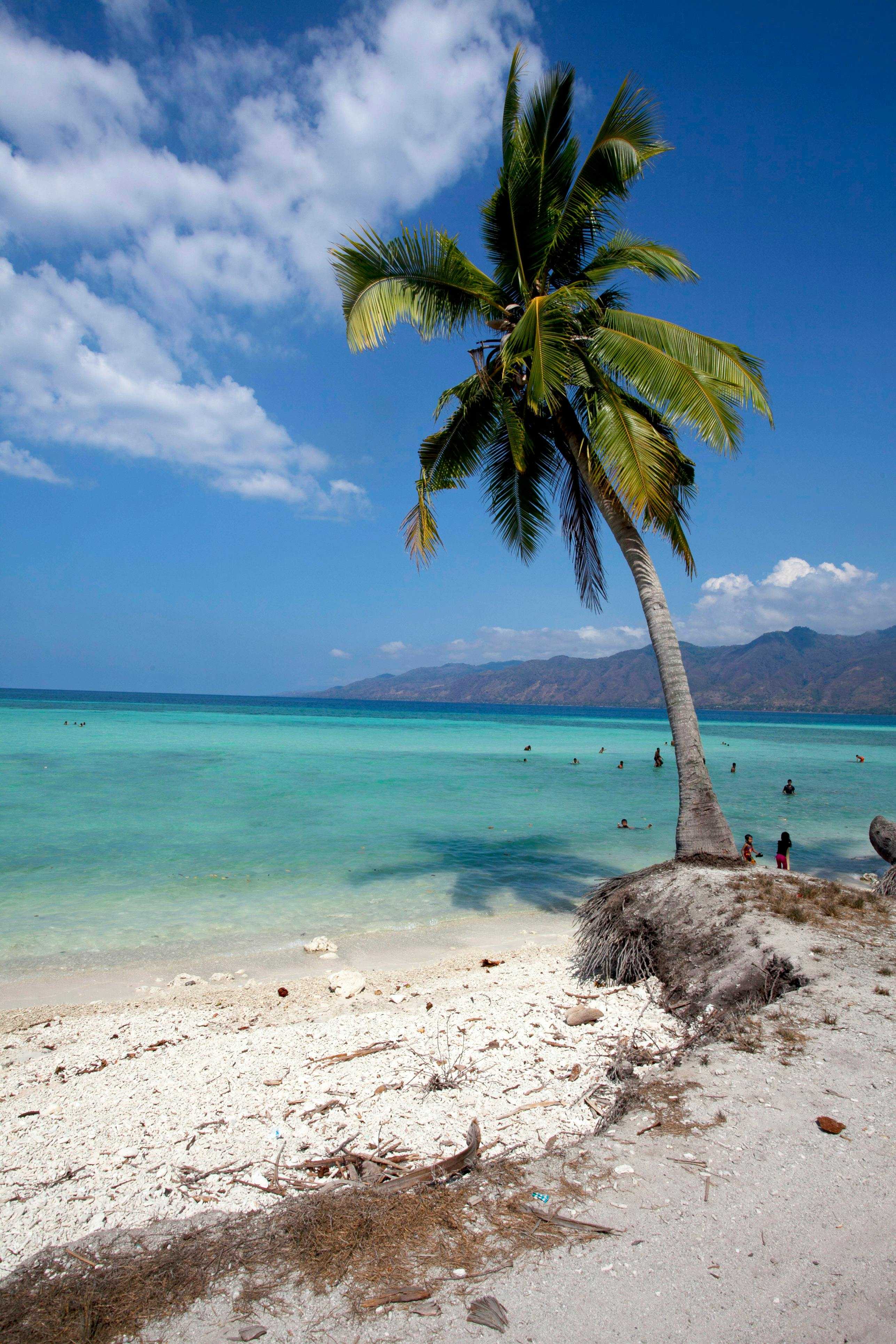
  2. Beautiful beaches: Haiti is home to stunning beaches with crystal-clear waters and white sand. Popular beach destinations include Labadee, Jacmel, and Île-à-Vache, offering opportunities for relaxation and water activities.

  3. Historical sites: Haiti has a rich history, being the first independent nation in Latin America and the Caribbean. Travelers can visit historical sites such as the Citadelle Laferrière, Sans-Souci Palace, and the National Palace in Port-au-Prince.

  4. Eco-tourism opportunities: Haiti boasts diverse landscapes, including mountains, waterfalls, and lush forests. Travelers can engage in eco-tourism activities such as hiking, bird-watching, and exploring national parks like Pic Macaya National Park.

  5. Warm and welcoming locals: Haitians are known for their hospitality and friendliness towards visitors. Travelers can interact with locals, learn about their culture, and gain insights into daily life in Haiti.

Overall, traveling to Haiti can offer a unique and enriching experience for those looking to explore a less-visited destination with a rich cultural heritage and natural beauty.

What to know

Some potential cons of traveling to Haiti may include:

  1. Safety concerns: Haiti has a high crime rate, including incidents of robbery, kidnapping, and violent crime. Travelers may need to take extra precautions to ensure their safety.

  2. Political instability: Haiti has a history of political instability and civil unrest, which can impact travelers' safety and access to services.

  3. Limited infrastructure: Haiti's infrastructure, including roads, public transportation, and healthcare facilities, may be lacking compared to other destinations. This can make travel more challenging and less comfortable.

  4. Health risks: Haiti faces challenges with sanitation and access to healthcare, which can increase the risk of infectious diseases for travelers.

  5. Environmental issues: Haiti has experienced natural disasters such as hurricanes and earthquakes, which can impact travel plans and safety.

It's important to research and stay informed about the current situation in Haiti before traveling to make sure you are aware of any potential risks and can take necessary precautions.

Haiti, officially known as the Republic of Haiti, is a country located on the island of Hispaniola in the Caribbean Sea, which it shares with the Dominican Republic. Its history is marked by its unique status as the first post-colonial independent black-led nation in the world and the only nation whose independence was gained as part of a successful slave rebellion.

Pre-Columbian and Colonial Period

  • Pre-Columbian Era: Before European contact, the island of Hispaniola was inhabited by the Taíno people, an Arawakan-speaking indigenous group.
  • 1492: Christopher Columbus arrived on the island during his first voyage to the Americas. He named it La Isla Española, later Anglicized to Hispaniola.
  • Spanish Rule: The Spanish established the first European settlement in the Americas, La Navidad, but it was destroyed by the Taíno. Santo Domingo was established in 1496 as the first permanent European settlement.
  • French Colonization: In the 17th century, French settlers began to occupy the western part of Hispaniola. The Treaty of Ryswick in 1697 officially ceded the western third of the island to France, which became known as Saint-Domingue.

Haitian Revolution and Independence

  • 18th Century: Saint-Domingue became France's most prosperous colony, largely due to its coffee and sugar plantations, which relied heavily on enslaved African labor.
  • 1791: The Haitian Revolution began, led by enslaved Africans who sought freedom and equality. Key figures include Toussaint Louverture, Jean-Jacques Dessalines, and Henri Christophe.
  • 1804: After a prolonged and bloody struggle, Jean-Jacques Dessalines declared the independence of Haiti on January 1, 1804. Haiti became the first independent nation in Latin America and the Caribbean, and the first post-colonial independent black-led nation in the world.

Post-Independence Era

  • 1804-1820: Dessalines declared himself Emperor Jacques I but was assassinated in 1806. The country was then divided between a kingdom in the north led by Henri Christophe and a republic in the south led by Alexandre Pétion. After Christophe’s death in 1820, Haiti was unified.
  • 1825: France recognized Haitian independence in exchange for a large indemnity, which burdened Haiti’s economy for many decades.

19th and 20th Century Struggles

  • Political Instability: Haiti experienced numerous coups and political upheavals throughout the 19th and 20th centuries.
  • 1915-1934: The United States occupied Haiti, citing political instability and financial concerns. The occupation ended in 1934, but it left a lasting impact on Haitian politics and infrastructure.
  • Duvalier Dictatorship: François "Papa Doc" Duvalier ruled from 1957 until his death in 1971, succeeded by his son Jean-Claude "Baby Doc" Duvalier. Their regimes were marked by corruption, repression, and human rights abuses.

Recent History

  • 1986: Jean-Claude Duvalier was ousted, ending years of dictatorship. This period was followed by a series of unstable governments and military coups.
  • 1990: Jean-Bertrand Aristide was elected president in Haiti’s first democratic election. However, his government was overthrown by a military coup in 1991.
  • 2004: Aristide was again removed from power amid political unrest. A United Nations peacekeeping force was deployed to stabilize the country.
  • 2010 Earthquake: A devastating earthquake struck Haiti on January 12, 2010, resulting in significant loss of life and widespread destruction. International aid efforts were mobilized to assist the recovery.

Important Landmarks

  • Citadelle Laferrière: A large mountaintop fortress in northern Haiti, built by Henri Christophe to defend against French invasion. It is a UNESCO World Heritage site and a symbol of Haitian strength and independence.
  • Sans-Souci Palace: Located near the town of Milot, it was the royal residence of King Henri Christophe and is also part of the UNESCO World Heritage site.
  • National Palace: Once the official residence of the President of Haiti, it was severely damaged in the 2010 earthquake.

Notable Historical Figures

  • Toussaint Louverture: A leader of the Haitian Revolution, he was instrumental in the fight for freedom and autonomy.
  • Jean-Jacques Dessalines: A leader during the revolution and the first ruler of independent Haiti.
  • Henri Christophe: A key revolutionary leader who later became King of the northern part of Haiti.
  • François Duvalier: Known as "Papa Doc," his authoritarian rule left a lasting impact on Haiti.

Haiti's history is characterized by its struggle for freedom and sovereignty, its resilience in the face of adversity, and its vibrant cultural heritage.