

Guizhou
· CN

Guizhou

Guizhou, China

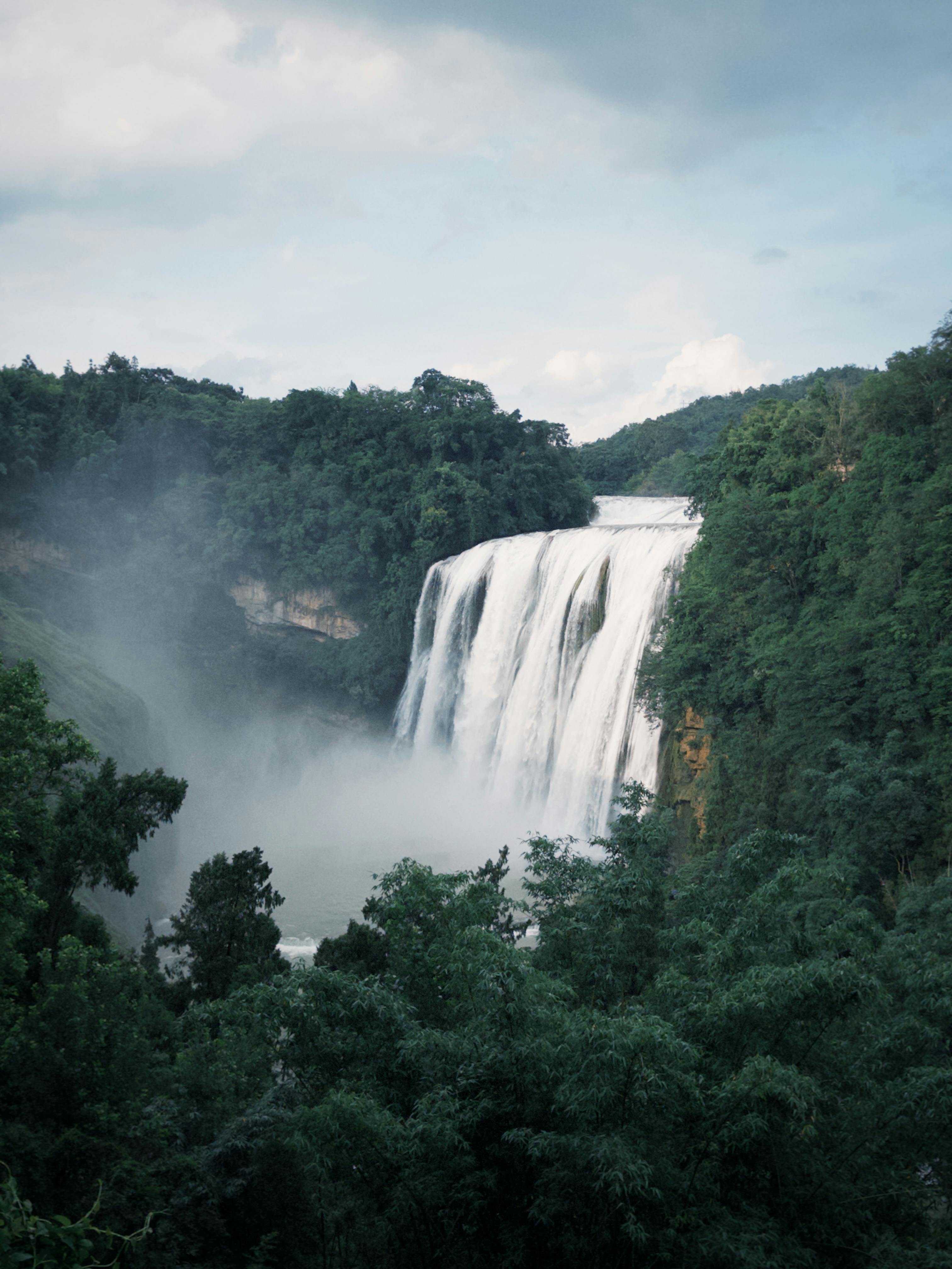
Guizhou, nestled in southwest China, is a province of dramatic landscapes and rich cultural diversity. Known for its karst formations, terraced rice fields, and thundering waterfalls, it offers breathtaking scenery at ev…

#mountainous terrain#ethnic minorities#waterfalls#karst landscapes#traditional villages
1/20

Top hotels & flights

Hand-picked stays and the best fares into Guizhou.

Top Hotels in Guizhou

Top Flights to Guizhou

Popular activities

Tours, tickets and experiences travelers book most in Guizhou.

Tours

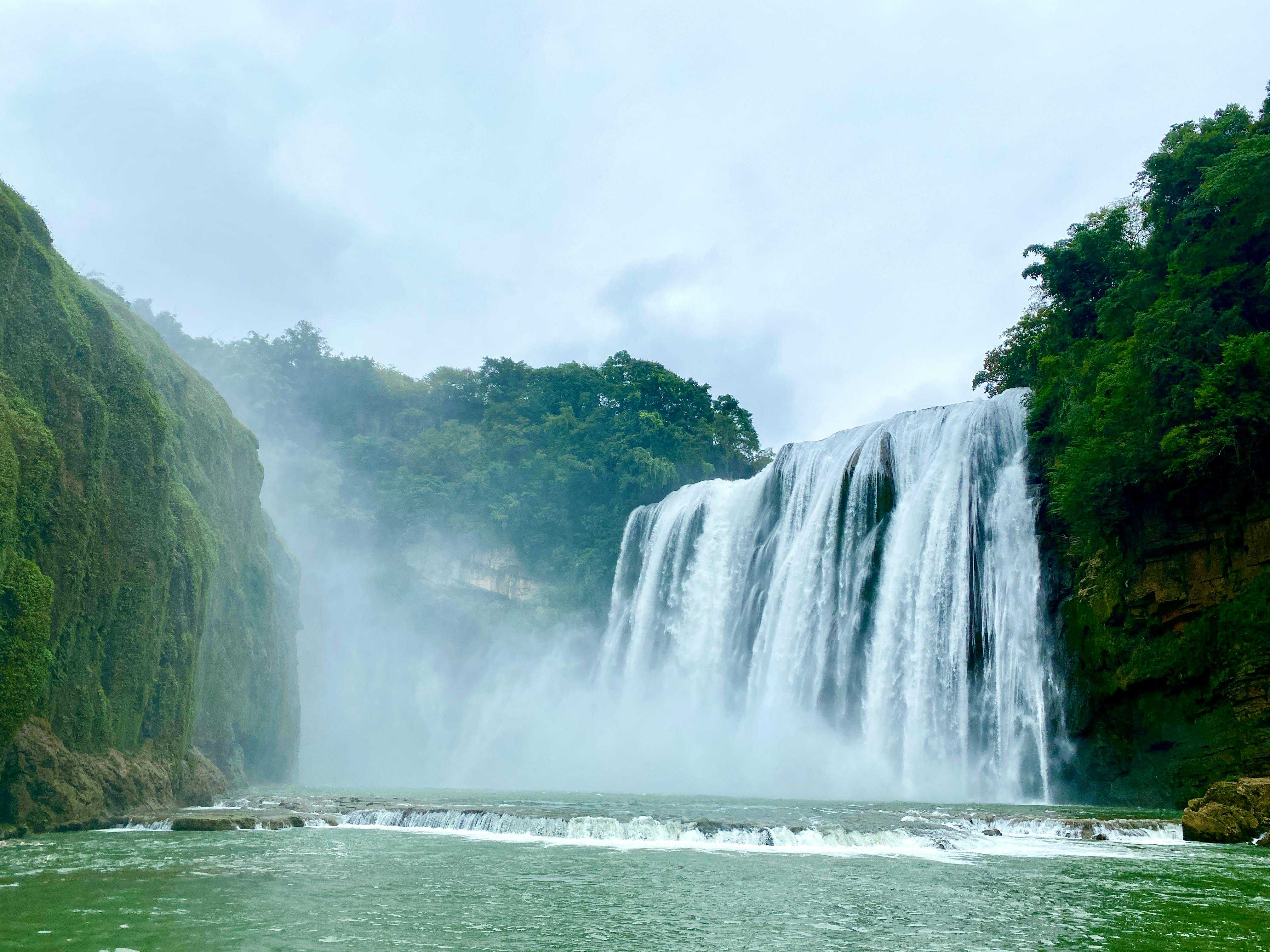
Explore Huangguoshu Waterfall

Visit the largest waterfall in Asia, Huangguoshu Waterfall, and enjoy the breathtaking natural beauty of the area.

Visit Qingyan Ancient Town

Stroll through the ancient town of Qingyan, rich in history and traditional architecture.

Discover Miao Village Culture

Explore the unique culture and traditions of the Miao villages in Guizhou.

Wander through Zhaoxing Dong Village

Experience the rich Dong cultural heritage in one of China’s largest Dong villages.

Relax at Tianhe Pool Scenic Area

Unwind in this peaceful natural park featuring waterfalls, caves, and clear pools.

Shopping

Shop at Guiyang's Qianling Park Market

Experience local shopping and cuisine at Qianling Park Market.

Outdoor

Trek Mount Fanjing

Challenge yourself with a trek to the summit of Mount Fanjing, a UNESCO World Heritage site.

Rafting on the Chishui River

Enjoy an exciting rafting adventure on the beautiful Chishui River.

Bird Watching at Caohai Lake

Observe rare and migratory birds at this picturesque highland lake.

Cycle Around Libo Karst Forest

Cycle through the stunning karst landscapes of Libo, a UNESCO World Heritage site.

Location videos

Real reels from travelers, plus longer watches to get the full picture.

Watch & explore

Practical info

The essentials for planning your time in Guizhou.

Currency
¥ | CNY | Chinese Yuan
Population
39.3 million
Languages
Mandarin, Mandarin, Buyi, Miao, Dong

Local guide

What travelers love, what to watch for, and a deeper read on Guizhou.

What people love

Guizhou, located in southwest China, is known for its stunning landscapes, diverse ethnic cultures, and rich history. Here are some of the pros of traveling to Guizhou:

  1. Ethnic Diversity: Guizhou is home to a large number of ethnic minority groups, including the Miao, Dong, Buyi, and Tujia people. Travelers have the opportunity to experience their unique cultures, traditions, and festivals.

  2. Natural Beauty: Guizhou is known for its breathtaking natural scenery, including lush mountains, karst formations, waterfalls, and rice terraces. Popular natural attractions in Guizhou include Huangguoshu Waterfall, Dragon Palace Cave, and the Fanjing Mountain Nature Reserve.

  3. Cuisine: Guizhou cuisine is flavorful and diverse, with dishes ranging from spicy hotpots to sour soups. Travelers can sample local specialties such as sour fish soup, rice noodles, and glutinous rice cakes.

  4. Historical Sites: Guizhou has a rich history dating back thousands of years. Travelers can visit historical sites such as Qingyan Ancient Town, the Zhenyuan Ancient Town, and the Huangguoshu Waterfall Scenic Area.

  5. Off-the-Beaten-Path Destination: Guizhou is less touristy compared to other popular destinations in China, making it a great choice for travelers looking to explore a more authentic and off-the-beaten-path destination.

Overall, traveling to Guizhou offers a unique cultural experience, stunning natural scenery, delicious cuisine, and the opportunity to explore a lesser-known region of China.

What to know

Traveling to Guizhou, China, does have some potential drawbacks. Here are some cons to consider:

  1. Limited English Proficiency: Guizhou is not as widely visited by international tourists compared to other cities in China, so there may be limited English-speaking locals. This could make communication and navigation more challenging for English-speaking travelers.

  2. Transportation Challenges: Guizhou's mountainous terrain and underdeveloped transportation infrastructure can make getting around the region difficult. The winding roads and limited public transportation options may lead to longer travel times between attractions.

  3. Limited Tourist Facilities: Guizhou is known for its rural and natural beauty, which also means that tourist facilities such as hotels, restaurants, and shops may be limited in some areas. This could impact the overall comfort and convenience of your trip.

  4. Weather Concerns: Guizhou's climate is humid subtropical, with hot summers and cold winters. The region is prone to heavy rainfall, especially during the monsoon season, which can affect outdoor activities and sightseeing.

  5. Cultural Differences: Guizhou is home to diverse ethnic minority groups, each with its own traditions and customs. While this can provide a unique cultural experience, it may also lead to misunderstandings or cultural clashes for travelers unfamiliar with local customs.

It's important to research and plan your trip carefully to mitigate these potential challenges and make the most of your visit to Guizhou.

Guizhou, located in southwest China, has a rich and varied history that dates back thousands of years. Here is a detailed overview of its historical development, significant events, historical figures, and important landmarks:

Early History:

  • Prehistoric Times: The area now known as Guizhou has been inhabited since prehistoric times. Archaeological evidence suggests that human activity in the region dates back to the Neolithic period.
  • Ancient Tribes: Before the Chinese imperial era, Guizhou was home to various ethnic groups and tribes. Notably, the ancestors of the Miao and Dong ethnic minorities lived in this region.

Imperial Era:

  • Han Dynasty (206 BC – 220 AD): The Han Dynasty extended its influence into Guizhou, though it remained a frontier region. The area was known for its tribal diversity.
  • Tang Dynasty (618–907 AD): During the Tang Dynasty, Guizhou started to be more integrated into the Chinese empire. The imperial government established administrative control over the area.
  • Song Dynasty (960–1279 AD): The Song Dynasty saw an increase in economic development and cultural exchange in Guizhou. The region was used as a place of exile for political prisoners.
  • Ming Dynasty (1368–1644 AD): The Ming Dynasty established more direct control over Guizhou. The region was officially made a province in 1413. The Ming government also built many garrison towns and forts to control the local population.

Qing Dynasty (1644–1912):

  • Assimilation Policies: The Qing Dynasty continued assimilation policies, encouraging Han Chinese migration into Guizhou. This caused tension with local ethnic groups.
  • Rebellions: Guizhou was the site of several major uprisings during the Qing, including the Miao Rebellion (1795–1806), as indigenous groups resisted Han Chinese encroachment.

Modern Era:

  • Republic of China (1912–1949): The region was largely rural and underdeveloped. Guizhou played a strategic role during the Second Sino-Japanese War when Chongqing, near Guizhou, was the wartime capital of China.
  • Long March (1934–1935): Guizhou is historically significant for the Long March, the epic retreat of the Chinese Communists. The Zunyi Conference, a crucial meeting where Mao Zedong was confirmed as the leader of the Communist Party, took place in Zunyi, Guizhou.

People's Republic of China (1949–Present):

  • Development: Post-1949, Guizhou has seen significant economic development, though it remains one of China's less economically developed provinces. The government has invested in infrastructure and education to improve living standards.
  • Tourism: The province is known for its natural beauty and unique cultural heritage. Important landmarks include Huangguoshu Waterfall, one of Asia's largest waterfalls, and the ancient town of Zhenyuan. The province is also home to numerous ethnic minority festivals.

Historical Figures:

  • Wang Yangming (1472–1529): A renowned philosopher and official during the Ming Dynasty, Wang Yangming developed his philosophy of the unity of knowledge and action while being exiled in Guizhou.

Important Landmarks:

  • Huangguoshu Waterfall: A stunning natural landmark and one of the largest waterfalls in Asia.
  • Zunyi Conference Site: A key historical site where the Communist Party's leadership met during the Long March.
  • Qianling Park: Located in the provincial capital, Guiyang, known for its natural beauty and cultural significance.
  • Dragon Palace Cave: A famous karst cave system and natural attraction.

Guizhou's history is marked by its ethnic diversity, strategic importance, and cultural richness, making it a unique region within China.