Guinea-Bissau
· GW

Guinea-Bissau

Guinea-Bissau

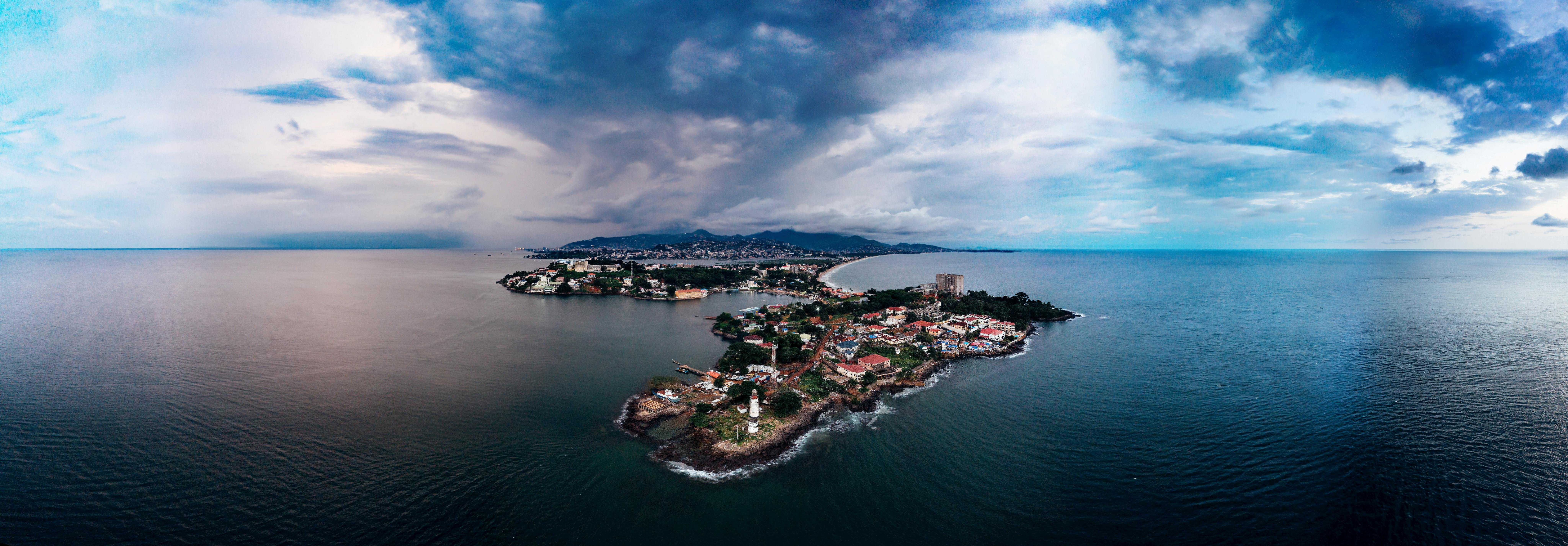
Escape to Untamed Beauty: Discover Guinea-Bissau Tucked away on the west coast of Africa, bordering Senegal to the north and Guinea to the south, lies Guinea-Bissau - a nation brimming with raw beauty, vibrant culture, a…

#West Africa#Portuguese-speaking country#Atlantic Ocean coastline#Tropical climate#Bissau
1/2

Top hotels & flights

Hand-picked stays and the best fares into Guinea-Bissau.

Top Hotels in Bissau

Top Flights to Bissau

Popular activities

Tours, tickets and experiences travelers book most in Guinea-Bissau.

Tours

Bissau Velho Exploration

Discover the historic heart of Guinea-Bissau with a walk through Bissau Velho, featuring colonial architecture and vibrant markets.

Bafata Old Town Stroll

Wander through the historical town of Bafata, known for its preserved colonial buildings and bustling local markets.

Bolama Island Day Trip

Discover the historical significance of Bolama Island, once the capital of Portuguese Guinea.

Shopping

Market Shopping in Bandim

Explore the bustling Bandim Market, the largest in Guinea-Bissau, offering fresh produce, crafts, and clothing.

Outdoor

Orango Islands National Park Adventure

Experience the diverse wildlife and beautiful landscapes of Orango Islands National Park.

Bijagós Archipelago Excursion

Visit one of the most beautiful and remote archipelagos, home to diverse ecosystems and traditional communities.

Fishing Excursion in Cacheu River

Join a guided fishing tour on the scenic Cacheu River, ideal for both beginners and experienced anglers.

Location videos

Real reels from travelers, plus longer watches to get the full picture.

From travelers
Watch & explore

Practical info

The essentials for planning your time in Guinea-Bissau.

Currency
CFA | XOF | West African CFA franc Guinea-Bissau
Population
As of the most recent estimates, the approximate total population of Guinea-Bissau is 2.1 million.
Languages
Portuguese, Portuguese, Crioulo, Mandjak
Average weather
Guinea-Bissau
Jan
sun
32°19°
Feb
sun
33°20°
Mar
sun
34°22°
Apr
sun
33°23°
May
cloud
32°24°
Jun
rain
30°24°
Jul
rain
29°23°
Aug
rain
29°23°
Sep
rain
30°23°
Oct
rain
31°23°
Nov
cloud
32°22°
Dec
sun
32°20°

Local guide

What travelers love, what to watch for, and a deeper read on Guinea-Bissau.

What people love

Certainly! Traveling to Guinea-Bissau can offer a unique and enriching experience for visitors. Here are some pros of traveling to Guinea-Bissau:

  1. Cultural Diversity: Guinea-Bissau is known for its diverse cultural heritage, influenced by various ethnic groups and colonial history. Visitors can immerse themselves in the local culture, traditions, music, and arts.

  2. Natural Beauty: Guinea-Bissau is home to stunning natural landscapes, including beautiful beaches, mangrove swamps, and tropical forests. Nature enthusiasts can enjoy birdwatching, hiking, and exploring the country's rich biodiversity.

  3. Authentic African Experience: Traveling to Guinea-Bissau provides an opportunity to experience authentic African life and interact with friendly locals. Visitors can learn about the country's history, traditions, and way of life firsthand.

  4. Peaceful Atmosphere: Despite past political instability, Guinea-Bissau is now relatively peaceful, making it a safe destination for travelers. The laid-back atmosphere allows visitors to relax and enjoy the slow pace of life.

  5. Affordable Travel: Guinea-Bissau is a budget-friendly destination compared to other African countries, offering affordable accommodations, food, and transportation options for travelers on a budget.

Overall, traveling to Guinea-Bissau can be a rewarding experience for those seeking a unique cultural immersion and natural beauty in a peaceful and welcoming environment.

What to know

Some potential cons of traveling to Guinea-Bissau include:

  1. Safety and security concerns: Guinea-Bissau has experienced political instability and occasional conflict in the past, which could affect the safety of travelers. It's important to stay informed about the current situation and travel advisories before visiting.

  2. Health risks: Guinea-Bissau is a developing country with limited healthcare infrastructure, so there may be risks of contracting diseases such as malaria, yellow fever, and other tropical illnesses. It's important to take necessary precautions, such as getting vaccinations and using insect repellent.

  3. Infrastructure challenges: Guinea-Bissau's infrastructure, including roads, transportation, and utilities, may be underdeveloped compared to Western standards. This could lead to challenges in getting around the country and accessing basic services.

  4. Language barrier: While Portuguese is the official language of Guinea-Bissau, many locals speak Creole or other local languages. This could pose a communication barrier for travelers who do not speak Portuguese or Creole.

  5. Limited tourist facilities: Guinea-Bissau is not a major tourist destination, so facilities such as hotels, restaurants, and attractions may be limited in some areas. Travelers should be prepared for more basic accommodations and services.

It's important to conduct thorough research and consider these factors before traveling to Guinea-Bissau to ensure a safe and enjoyable trip.

Guinea-Bissau is a small country located on the West African coast. Its history is marked by periods of indigenous rule, colonial domination, and struggles for independence. Below is a detailed history of Guinea-Bissau, highlighting significant events, historical figures, and important landmarks.

Pre-Colonial Period

Before the arrival of Europeans, the region that is now Guinea-Bissau was inhabited by various ethnic groups, including the Balanta, Fula, and Mandinka peoples. These groups had complex societies with their own political systems and economies based on agriculture, trade, and local craftsmanship.

Portuguese Colonization

  • 1446: Portuguese explorers arrived in the region. Guinea-Bissau became part of the Portuguese Empire, though coastal control was established much later.
  • Late 1600s: The Portuguese expanded their influence, primarily focusing on the slave trade, which significantly impacted the local populations.

Struggle for Independence

  • 1956: The African Party for the Independence of Guinea and Cape Verde (PAIGC) was founded by Amílcar Cabral and others. This party aimed to achieve independence through political and armed struggle.
  • 1963-1974: The PAIGC led a guerrilla war against Portuguese rule, gaining control over most of the countryside. This struggle was part of the larger wave of decolonization in Africa.
  • 1973: Amílcar Cabral was assassinated, but his ideas and leadership inspired many. Later that year, the PAIGC declared independence unilaterally in the village of Madina do Boé.
  • September 10, 1974: Portugal officially recognized Guinea-Bissau's independence following the Carnation Revolution in Portugal, which ended Portuguese colonial rule.

Post-Independence Era

  • 1974-1980: The country was led by Luís Cabral, Amílcar Cabral’s half-brother. This period saw attempts to establish a socialist state.
  • 1980: A coup led by João Bernardo "Nino" Vieira overthrew Luís Cabral. Vieira's rule was marked by a shift towards a one-party state and economic reforms.
  • 1998-1999: A civil war erupted due to military dissatisfaction and political disputes, resulting in Vieira being overthrown.

Recent History

  • 2005: Nino Vieira returned to power after winning the presidential election, but his return was controversial and marked by unrest.
  • 2009: Vieira was assassinated, reflecting ongoing instability.
  • 2012: A military coup disrupted elections, leading to a transitional government.
  • 2014: José Mário Vaz was elected president, restoring some political stability.
  • 2019: Umaro Sissoco Embaló won the presidential election amid ongoing political tensions.

Significant Figures

  • Amílcar Cabral: Founding leader of the PAIGC and a key figure in the independence movement.
  • João Bernardo "Nino" Vieira: Military leader and president during several periods, known for his contentious rule.
  • Luís Cabral: First president of independent Guinea-Bissau and early leader of the PAIGC.

Important Landmarks

  • Bissau: The capital city, which features Portuguese colonial architecture and serves as the political and cultural center of the country.
  • Bolama: Former capital during the colonial era and known for its historic colonial buildings.
  • Cacheu: One of the oldest European settlements in sub-Saharan Africa, featuring the Cacheu Fort, a relic of the colonial era.

Guinea-Bissau has faced challenges such as political instability, economic struggles, and efforts to strengthen democratic governance. Despite these issues, it remains a country with rich cultural diversity and a complex history shaped by its colonial past and ongoing quest for stability and development.